Loose Stones
Buying Loose Moissanite in Matching Pairs for Earrings
Buying a single loose moissanite for a pendant or a ring is straightforward. Buying two loose moissanite stones for earrings is a different discipline entirely. The ear asks for a pair that reads as one. If one stone is slightly whiter, or a hair larger, or catches the light at a different angle, the eye notices immediately. Sourcing a true matched pair is the difference between earrings that look designed and earrings that look cobbled together.
What matching actually means
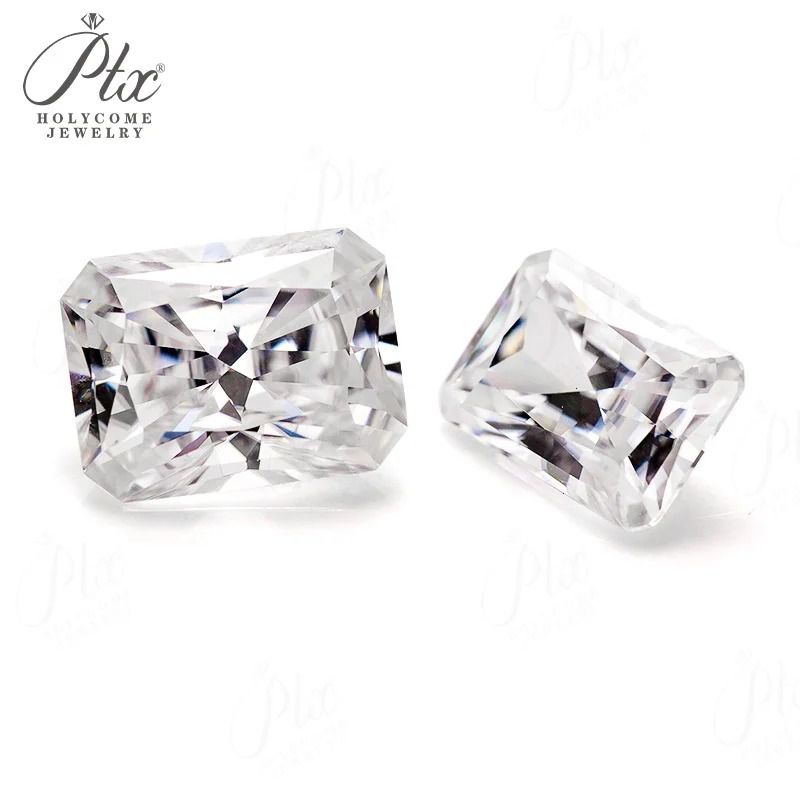
A matched pair is not two stones of the same shape and carat. It is two stones cut from the same lot, graded against each other, so that under the same light they read identical. The four things that must line up are color, clarity, cut, and millimeter size. Color must match first: a D and an E stone next to each other can look off, especially in white gold settings. Clarity should sit in the same range so one stone does not look cloudier than the other. Cut proportions matter because the sparkle pattern depends on facet angles, and a pair cut to slightly different depths will flash differently. And millimeter size should match to within a tenth of a millimeter, so both stones sit level in their settings.
Our guide to moissanite color and clarity grades explains the grading scale, and our millimeter size guide helps you pick the right pair for a stud setting. When you source, ask the supplier for stones that are already paired and graded against each other, rather than picking two from a pile.
Why matched pairs cost a little more
Suppliers charge a modest premium for a matched pair because the work is in the sorting. To pull two stones that line up on all four attributes, the supplier has to go through inventory and compare them under a loupe. The alternative, ordering two singles and hoping they match, usually ends in one stone that looks slightly off. For earrings, that premium is worth it. A lopsided pair sits in a jewelry box forever, while a matched pair gets worn daily and looks its best on camera.
Choosing the shape for earrings
Round brilliant is the default for studs because it is the easiest shape to match and the most forgiving. Round stones hide small differences better than fancy shapes, because the symmetry is radial. Oval and cushion pairs are popular for a modern look, but they demand even closer matching, because a slight difference in length-to-width ratio is obvious. Pear and marquise pairs need to face the same direction and match on both ends. Our shape comparison walks through which shapes photograph best at the ear.
Setting the pair
Once the pair is sourced, setting them is where the match can be lost if the setter is careless. Both stones should be mounted at the same height, with the same prong pressure, so they sit flush and level. A pair set at slightly different heights will read as mismatched no matter how well the stones match. Communicate to your jeweler that these are a matched pair, and ask to see the earrings side by side under a bright light before they leave the bench. For setting styles that sell well, our stud earring carat guide covers the most popular pair weights.
Pairing loose stones with finished earrings
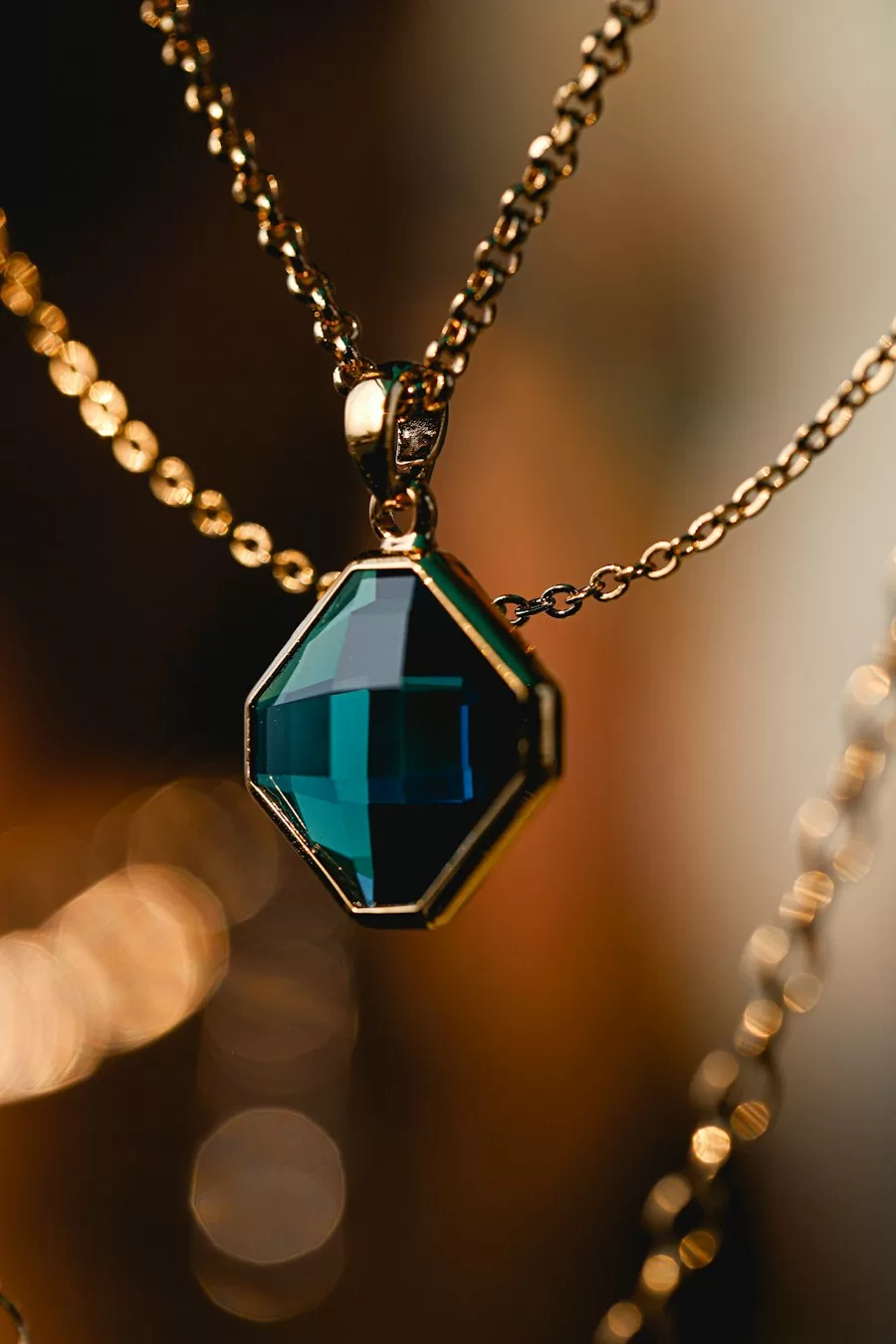
If you already own a setting but not the stones, buying loose moissanite to drop in is a cost-effective route. A plain stud mounting, bought separately, lets you choose the exact pair you want instead of accepting a pre-matched set from a catalog. This works especially well for colored moissanite, where matching two teal or canary stones is harder and worth doing by hand. Keep the mounting's seat size in mind, and ask the supplier to recommend a millimeter pair that fits. Our colored moissanite guide covers the shades brides are asking for.
For a longer-term supply, retailers often open accounts with wholesalers who hold matched pairs in stock. That way reorders come from the same lot, and a replacement earring years later can match the original pair. Our parcel buying guide explains minimums for stocking pairs in several sizes.
Inspecting the pair before you set
Lay the two stones face up under a daylight lamp and rotate them together. Look for differences in how the light returns, especially around the table and the crown. Compare millimeter measurements with a digital gauge. If one stone reads warmer or looks deeper than the other, send it back before setting. Once the stones are mounted in prongs, swapping them out means re-working the setting, so this inspection step saves real money.
The bottom line
Earrings start with a matched pair, not a pile of loose stones. Pay the small premium for stones graded against each other, choose a forgiving shape like round for your first pair, and inspect them under light before setting. Done right, the result is a pair of earrings that looks like it was made as one, and that is the pair you will reach for every day.
Gemstone grading terminology used here follows the Gemological Institute of America’s gem encyclopedia.
Frequently Asked Questions
Is moissanite a good diamond alternative for retail buyers?
Yes for price-sensitive customers who want brilliance and hardness. Moissanite ranks 9.25 on the Mohs scale, holds up to daily wear and costs a fraction of a natural diamond of the same size, so it resells fast in bridal and fashion lines.
What is the minimum order for wholesale moissanite?
MOQ starts at 50 pieces per design for stock items. Custom cuts and private-label settings usually start at 100–300 pieces depending on the mold.
Do you provide certificates with moissanite stones?
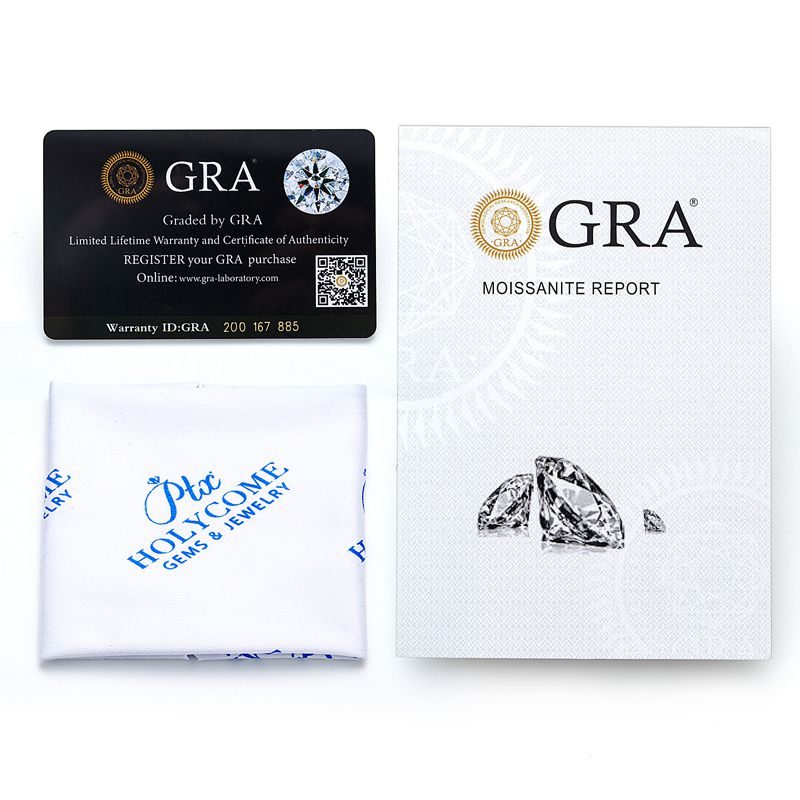
Yes. Every parcel ships with GRA or IGI documentation listing carat weight, color grade and cut. We recommend passing the certificate to your end customer for trust.
How long does sample and bulk production take?
Samples ship in 3–5 days. Bulk runs take 15–20 days under 500 pieces, and 25–30 days for custom work.
Send your spec sheet — stone, cut, size, plating and quantity — and we will return a costed timeline.
Ask the workshop