Lab Grown Diamonds Wholesale Bulk Buying Guide
Jewelry retailers, designers, and online brands sourcing lab grown diamonds at wholesale often start with a simple question: how do I buy CVD/HPHT lab diamonds in bulk without paying retail markup or getting stones that don't match the grade on the certificate? A midwestern jewelry chain placed a $40,000 wholesale lab diamond order in 2024 for 120 engagement ring center stones (1.0-1.5ct rounds) through a new online supplier offering prices 20% below market. On receipt, 37 of the 120 stones graded one full color grade lower than the certificate stated when independently re-checked, 11 had faint brown tint visible in daylight (not mentioned on their reports), and 18 had girdle inscriptions that did not match the certificate numbers. The chain returned the lot after a 3-week dispute and switched to a supplier with inspection returns and per-stone verification. The wholesale lab grown market is large and competitive—but inconsistent grading and certificate shopping are real issues. This guide covers how to buy lab grown diamonds at wholesale: pricing tiers, grading consistency, CVD vs HPHT, certification, MOQs, melee quality, and supplier verification.
Lab Grown Diamond Wholesale Market in 2026
The wholesale lab grown diamond market has matured rapidly since 2018. A few key dynamics shape current pricing:
- CVD production dominates the 0.5ct+ white diamond market, especially D-F VVS/VS grades; HPHT dominates melee (0.7-2.9mm) and fancy colored stones.
- Production capacity has expanded aggressively in India, China, and the US, pushing wholesale prices down roughly 30-50% between 2023 and 2026 for common sizes.
- IGI remains the dominant grading lab for commercial lab grown; GIA lab grown reports are growing but carry a 10-20% premium per stone.
- "Certificate shopping" (submitting the same stone to multiple labs and using the best report) exists in lab grown as in natural—buyers should expect some grade variation from report to reality.
- India (Surat) handles the majority of cutting and polishing for commercial lab grown; the US and Singapore produce premium branded CVD.
For wholesale buyers in the US, the sweet spot for 2026 inventory is 0.5ct-2.0ct rounds in D-F VS1-VS2 with excellent cut—this covers the majority of engagement ring demand at accessible prices. For more on lab grown production science, see the synthetic diamond entry on Wikipedia.
CVD vs HPHT at Wholesale
Both methods produce real diamonds, but the wholesale market treats them differently for different uses:
| Attribute | CVD | HPHT |
|---|---|---|
| Dominant sizes | 0.5ct-5ct+ white | 0.005ct-0.50ct melee, fancy colors |
| Best color range | D-J; post-growth HPHT treatment for D-F colorless | D-J; yellow, blue, pink colors directly grown |
| Common inclusions | Pinpoint, graphite, feather | Metallic flux inclusions (diagnostic for ID) |
| Typical wholesale premium | 5-15% for CVD white premium | Standard/competitive for melee |
| Best use | Engagement center stones, high-color bridal | Melee, pavé, fashion, fancy color |
Most wholesale suppliers sell both methods; specify when ordering if you want one or the other. Bridal center stones in D-F colorless are almost always CVD in 2026 production; melee is almost always HPHT.
Wholesale Price Bands (2026, Round Brilliant Excellent Cut)
Prices vary daily based on rough supply, reactor capacity, and the overall market (prices have been in modest decline as production scales). Current indicative wholesale per-carat prices for certified IGI/GIA rounds:
- 0.3ct D-F VS: $150-220/ct
- 0.5ct D-F VS: $200-300/ct
- 0.7ct D-F VS: $220-340/ct
- 1.0ct D-F VS: $250-380/ct
- 1.5ct D-F VS: $300-450/ct
- 2.0ct D-F VS: $380-580/ct
- 3.0ct D-F VS: $500-800/ct
SI grade stones run 20-30% less; VVS runs 10-20% more; fancy shapes (oval, cushion, pear) are typically 5-20% less than rounds for white goods; fancy colors vary widely by hue and saturation. Melee pricing is much lower—$0.30-5/piece depending on size and color.
Prices more than 25% below these bands warrant careful inspection—they may indicate brown tint, post-growth treatment not disclosed on the report, or incorrect grading. For certification standards, see IGI and GIA.
Certification and Grade Consistency
Certificates are essential for center stones but not infallible. Best practices for wholesale lab grown buying:
- Specify the lab: IGI is standard and cost-effective for commercial bridal; GIA commands a premium and is perceived as stricter by US consumers. GCAL offers an 8-cut grade with additional light-performance analysis.
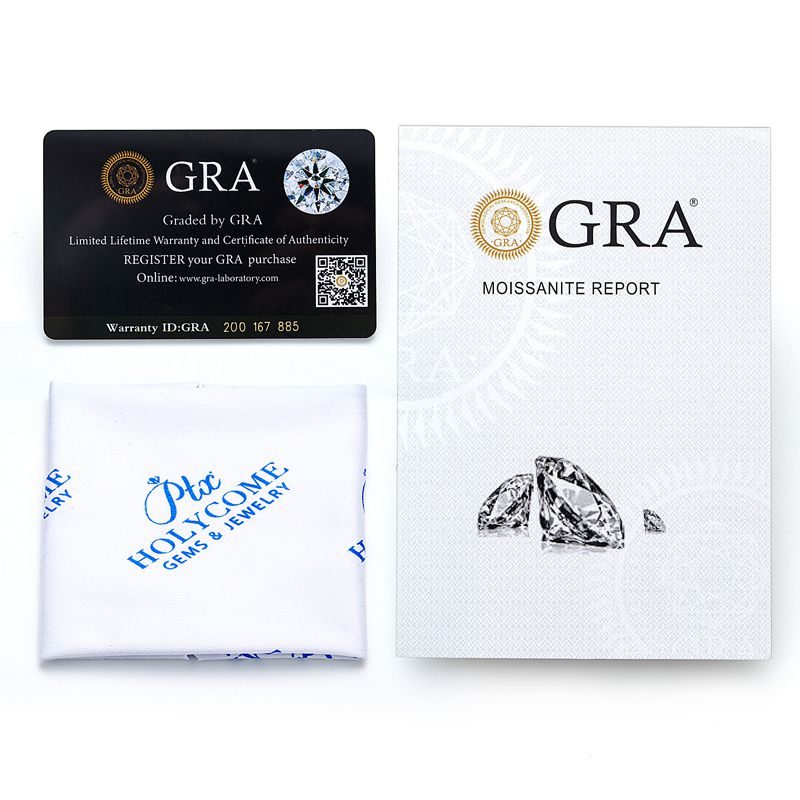
- Require per-stone reports and girdle laser inscriptions for all stones 0.30ct and up. Match the inscription number to the report number under 10x loupe when receiving.
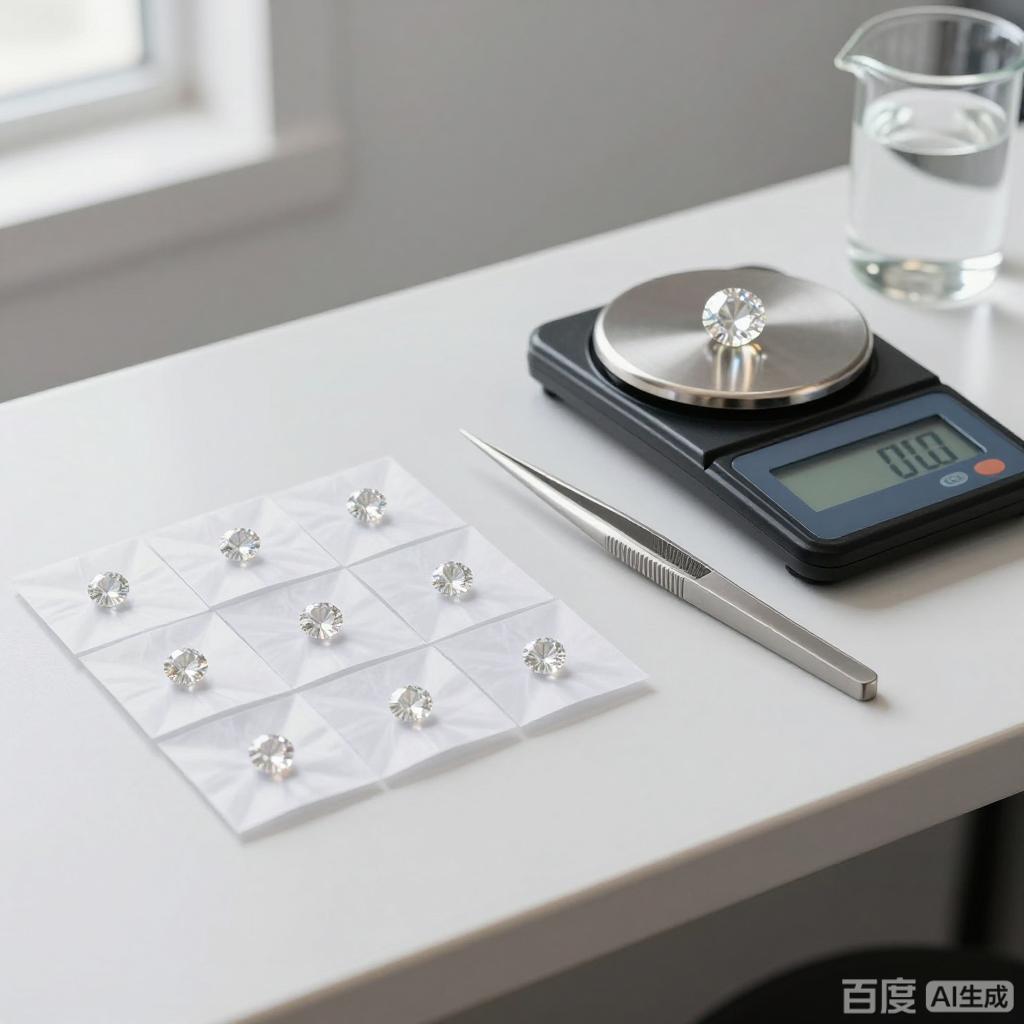
- Independently verify a sample of stones from each large lot. Send 5-10% of a large order to an independent appraiser for re-grading; if the re-grade differs more than one color/clarity grade on more than 20% of stones, reject the lot.
- Watch for brown/green tint. Some CVD production shows faint brown or grayish-green tint in certain lighting, especially older stock or non-post-treated material. This is visible in natural daylight (north-facing window) but masked by warm retail lighting—always inspect color in daylight or under 5000K daylight-equivalent lamps.
- Insist on treatment disclosure. Post-growth HPHT treatment to improve CVD color is standard, permanent, and should be noted on the report ("post-growth treatment" or "HPHT processed"); undisclosed treatment is a red flag about supplier transparency.
Buyers who skip verification and trust certificates blindly are the ones who end up with the 20-30% misgraded lots.
Melee Quality: The Hidden Profit Sink
Melee (small stones 0.7-2.9mm used in pavé, halos, and side stones) is where many retailers quietly lose margin. Poor melee quality is visible to customers and causes rework, but is rarely certified per stone. When buying melee at wholesale:
- Color-match melee to center stones. A DEF center stone with GHI melee looks visibly warmer on the halo in daylight. Match within one color grade.
- Ask for "0.1mm tolerance" and "100% eye-clean" in writing. Commercial melee is notorious for +/-0.2mm size variation and included stones mixed into lots.
- Count carats versus pieces. Melee is sold by carat weight, but diameter varies per stone. A "1 carat" parcel of 1.3mm melee should contain roughly 270 stones at 6.5mm cut; if the count is significantly off, stones are under-cut (thin, shallow, heavy for their diameter).
- Inspect melee under 10x upon receipt for black inclusions, broken girdles, off-make (poorly cut) stones, and size consistency.
- Buy from a melee specialist rather than a general diamond wholesaler for large orders—consistency is a specialty skill.
MOQ and Order Structure
Wholesale lab grown MOQs vary by supplier and product type:
- Loose center stones (0.3ct+): MOQ typically 1-10 stones per size/shape from most wholesalers selling to retailers. Many online marketplaces sell single stones at near-wholesale pricing, but without the inspection benefits of a dedicated supplier.
- Melee (0.7-2.9mm): Sold per carat or per piece; MOQ typically 1 carat per size (which is many pieces at small mm). Price $30-200/carat wholesale depending on size and grade.
- Finished lab grown diamond jewelry (silver/gold): MOQ 10-50 pieces per style; 14K gold solitaire rings wholesale $150-800 depending on center size; silver pieces $35-150.
Lead times: in-stock certified center stones ship 3-7 days; melee 0.8-2.5mm is usually in stock; larger or fancy shapes may require 10-20 days; finished jewelry 20-35 days depending on metal and volume.
Fancy Color Lab Grown at Wholesale
Fancy color lab grown (pink, blue, yellow, green) is a growing category at accessible prices:
- Yellows/oranges: $100-400/ct wholesale (HPHT nitrogen-doped), strong margins for fashion jewelry.
- Blues (boron-doped): $250-1,000/ct wholesale depending on saturation.
- Pinks (irradiated/annealed or CVD grown): $200-1,200/ct wholesale.
- Fancy vivid intense colors command premium; fancy light colors are affordable fashion goods.
All color treatments in lab grown fancy colors should be disclosed (irradiation and annealing for pink, for instance, is stable and standard but must be disclosed to retail customers per FTC Jewelry Guides).
Frequently Asked Questions
Q: Can I buy lab grown diamonds directly from manufacturers?
Most large CVD/HPHT manufacturers (in India, China, Singapore, US) sell to distributors and large jewelry brands rather than to small retailers directly, because MOQs for direct manufacturer orders run $50,000-200,000+. Small and mid-size retailers buy through wholesale distributors that aggregate production, sort by grade, and sell at accessible MOQs with inspection returns.
Q: Should I stock IGI or GIA certified stones?
IGI is the workhorse for commercial bridal—more availability, lower cost, widely recognized by consumers. Stock GIA for premium pieces and customers who specifically request GIA, especially in 1.5ct+ sizes where report prestige matters. Carrying both gives you price tiers.
Q: How do I verify a lab grown diamond is not a natural diamond being misrepresented?
Certified lab grown stones are laser-inscribed "LABORATORY GROWN" on the girdle along with the report number. Verify the inscription matches the report under 10x loupe. If a stone is sold as lab grown with no inscription and no lab report, treat it as unverified. Conversely, large natural diamonds sold without reports should be independently verified before purchase.
Q: Are there conflicts or ethical concerns with lab grown diamonds?
Lab grown diamonds avoid mining-related environmental and human rights concerns, but they do require energy for production (HPHT and CVD reactors use significant electricity). Energy sources vary by production location (coal-heavy grids have higher carbon footprint; renewable-powered production in the US and Scandinavia has lower). Buyers who prioritize low carbon footprint can ask suppliers for energy sourcing information.
Q: How much inventory should I carry as a new retailer?
For a new retailer entering lab grown bridal, start with a small master set of loose stones in popular sizes (0.5ct, 1.0ct, 1.5ct, 2.0ct rounds in D-F VS; plus oval and cushion 1.0ct/1.5ct) for in-store viewing, and rely on memo or quick-ship from your wholesale supplier for specific customer orders rather than holding large inventory. This keeps capital requirements under $10,000 while letting customers see real stones.
Q: Can I sell lab grown diamonds on consignment (memo)?
Many wholesale suppliers offer memo terms to established retailers after a relationship is built (typically 3-6 months of paid orders). Memo lets you carry stones in the case without paying upfront, paying when they sell. Expect tighter margins (wholesale price 5-10% higher) and strict return windows.
Key Takeaways
- CVD dominates white center stones 0.5ct+; HPHT dominates melee and fancy colors—specify growth method when ordering.
- Independently verify 5-10% of stones in every large lot; reject lots where grading is off more than one grade on >20% of stones.
- Match melee color to center stone within one grade; buy melee from a specialist for consistency.
- Require per-stone certificates with laser inscriptions; verify inscriptions match reports.
- IGI is the workhorse for commercial lab grown; GIA commands a premium and is worth carrying in larger sizes.
- Start with a viewing set plus quick-ship/memo relationships instead of heavy inventory for new programs.
Buying lab grown diamonds at wholesale rewards attention to grading consistency, certificate verification, and melee quality over chasing the lowest price per carat. Work with a transparent supplier that offers inspection returns, discloses treatment, and provides per-stone laser-inscribed certificates—and verify every shipment when it arrives.
Related Reading
- Start a Jewelry Business Wholesale Guide - HOLYCOME
- 925 Sterling Silver Jewelry Wholesale Buying Guide - HOLYCOME
- Wholesale Moissanite Buying Guide for Retailers - HOLYCOME
Related reading: Wholesale Lab Grown Diamonds Bulk Supplier, Buy Lab Grown Diamonds Wholesale IGI Certified CVD HPHT Supplier, Lab Grown Diamond Wholesale Buying Guide.
Send your spec sheet — stone, cut, size, plating and quantity — and we will return a costed timeline.
Ask the workshop