Engagement Rings
Engagement Ring Bands: Thin vs Wide Width for the Right Bridal Look
A buyer in Chicago told us she used to stock every engagement ring on a 2mm band because it looked delicate in the case. Then a bride with a size 8 finger tried a 1.8mm solitaire and said it looked like a toothpick. The band width was wrong for her hand, not the stone. This is the most common fit mistake we see on bridal counters, and it is an easy one to fix once you stock two band widths instead of one.
What thin bands do: focus and float
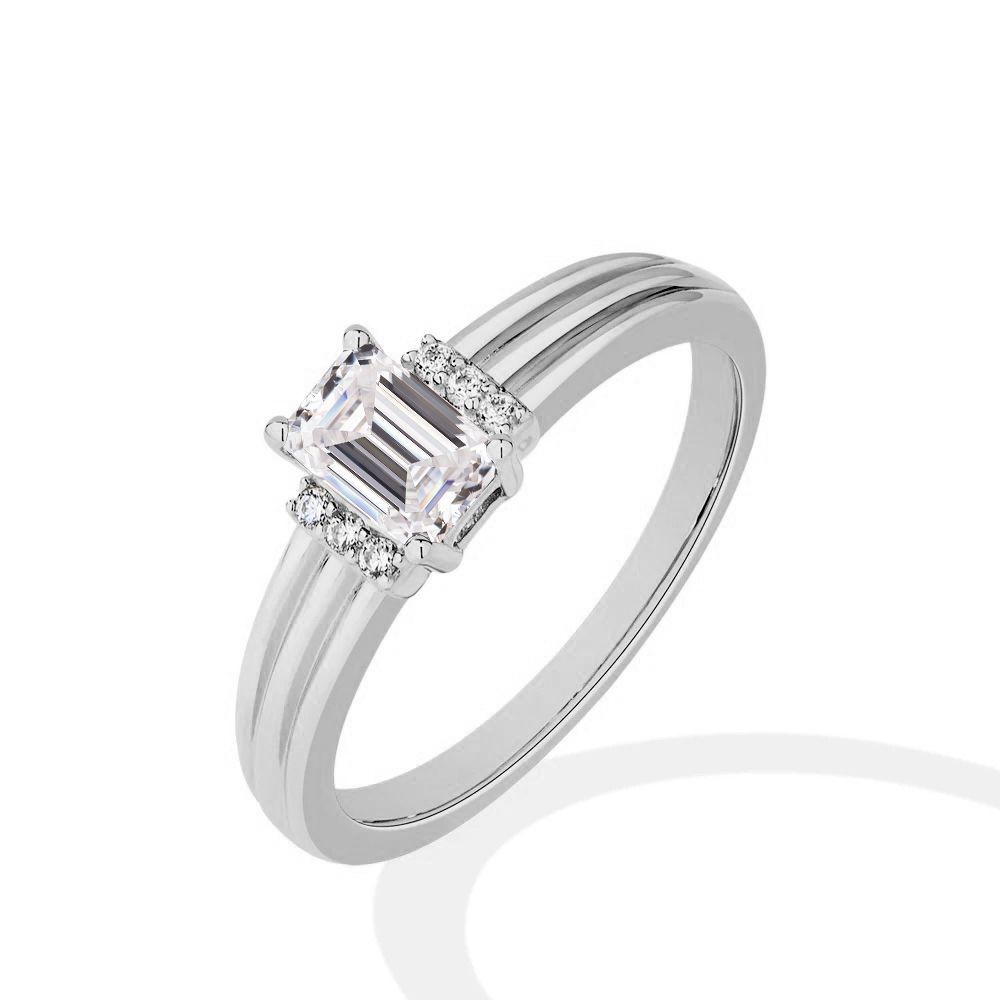
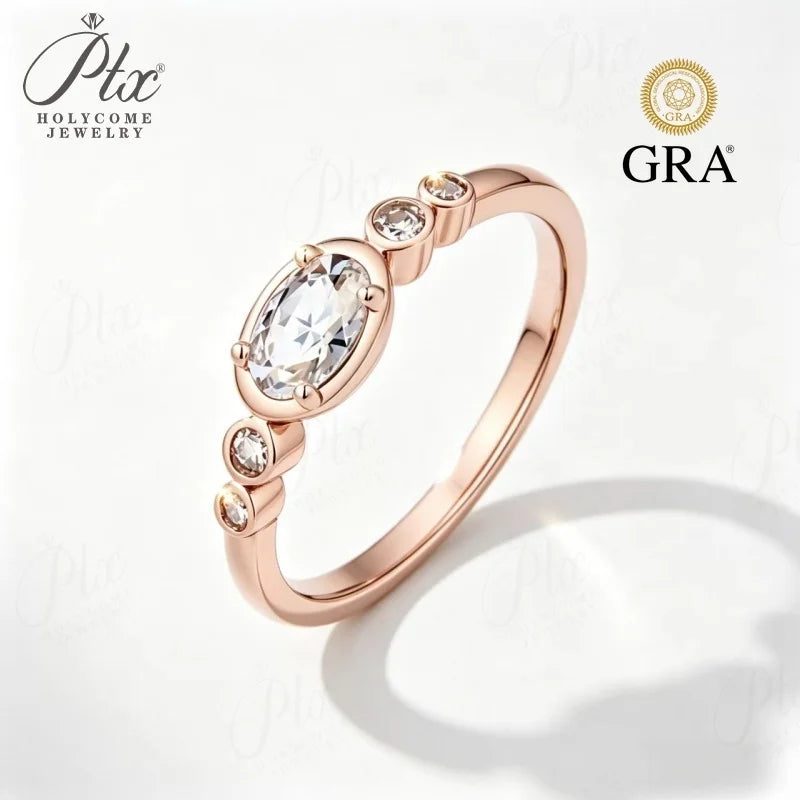
A thin band is 1.2 to 2.0mm wide. It barely exists on the finger, which makes the center stone appear to float. That is the look most brides want when they say modern, dainty or stackable. Thin bands work best on slender fingers (size 4.5 to 5.5) and with small center stones under 1.5ct equivalent. The trade-off is structural: a 1.3mm band in 14k gold is soft enough to bend if the ring takes a knock, and prongs on a thin head need regular prong-tip checks. We sell thin half-round bands in 14k yellow, white and rose gold, and in platinum for buyers who want the thin look with the durability platinum gives.
What wide bands do: presence and proportion
A wide band is 2.5 to 4.0mm. It reads as a piece of jewelry in its own right, not just a setting for the stone. On a size 7 to 8.5 finger, a 3mm band balances a 2ct-equivalent center stone without looking underbuilt. Wide bands also sit flatter against the knuckle, which means the ring spins less. The downside is that a wide band shortens the visual line of the finger, so if the bride asked for elongation, you pair a wide band with a round or cushion, not an oval or pear shape. For men, the logic is similar: our guide to mens band width lays out the same width-to-knuckle math.
The middle ground: 2.2 to 2.5mm
Most boutiques end up reordering the 2.3mm half-round. It is thin enough to stack flush with a wedding band, wide enough not to bend, and it reads neutral on any finger size from 5 to 7.5. If you can only stock one shank profile for a solitaire program, 2.3mm 14k is the one. When you build a bridal set, remember the wedding band has to sit flush against this shank, so a curved or contour band may be needed if the solitaire sits low. Our note on stacking height explains how shank height affects that fit.
Band width and the wedding band pair
A 1.6mm thin engagement band pairs cleanly with a 2mm wedding band for a stacked look. A 3mm wide engagement band needs a 2.5 to 3mm wedding band so the two rings read as a set rather than a thin ring next to a thick ring. Gold karat matters for long-term shape: 14k holds its width better than 18k on a thin shank, and per karat fineness standard the alloy content is what gives 14k its spring. If you sell into the EU, all our gold bands are stamped to ISO 9202 gold fineness and ship with a nickel release statement aligned to ECHA REACH registry requirements.
What band width makes a diamond or moissanite look bigger?
A thin 1.6 to 2mm band. It removes visual weight from the shank so the center stone carries the whole eye.
Are thin bands more likely to bend?
Yes. A 1.3mm 14k band is soft; platinum at 950 or 14k at 2.5mm is far more resistant to knocks.
What width works for a size 8 finger?
Start at 2.5mm and go to 3mm on a broad hand. A 1.8mm band on a size 8 reads insubstantial.
Can a wide band be resized easily?
Wider bands take more heat and more metal to resize, so warn brides that resizing a 4mm band costs more and needs a skilled bench.
Should the engagement band and wedding band match in width?
They do not have to match exactly, but within 0.5mm of each other reads as a deliberate set. Mix 1.8 and 2.5mm and the difference looks accidental.
One question we hear from buyers is whether a thin band will tarnish or bend faster over a year of daily wear. The honest answer is that 14k gold at 2.0mm holds its shape well, but a 1.3mm band can develop a slight bow after six months of heavy hand use, especially if the wearer types or lifts weights. Platinum at 950 on a 1.6mm band is stiffer than 14k at the same width, so it is the upgrade path for brides who want the thin look without the softness. If a bride has an active job, steer her to 2.0mm minimum rather than 1.3mm, and tell her the band will need a yearly check at the bench to keep the prongs and shank true.
Order a band-width sample pack with 1.6, 2.3, 3.0 and 4.0mm half-round shanks in 14k yellow, white and rose gold. We ship stamped and nickel-compliant stock, MOQ 20 bands per width, so your bridal counter can fit every hand on the spot.
Frequently Asked Questions
What ring sizes can you supply in bulk?
US sizes 5–12 including half sizes. Send a size breakdown with your order and we cast to that curve; comfort-fit inner bands reduce resize requests.
Can I order a mixed size run instead of one size?
Yes. Mixed runs are standard for wholesale: specify quantity per size and we pack and label by size at no extra labor cost.
What is the MOQ for custom ring designs?
50 pieces per design for existing molds; 100–300 pieces when a new mold or CAD model is required.
How should I price rings for retail margin?
Most partners use a 3–4x markup on FOB cost for sterling and 2.5–3x for moissanite solos, which keeps landed cost under 30% of retail.
Send your spec sheet — stone, cut, size, plating and quantity — and we will return a costed timeline.
Ask the workshop