Loose Stones
Cushion Cut Moissanite Loose Stones: A Buying Guide
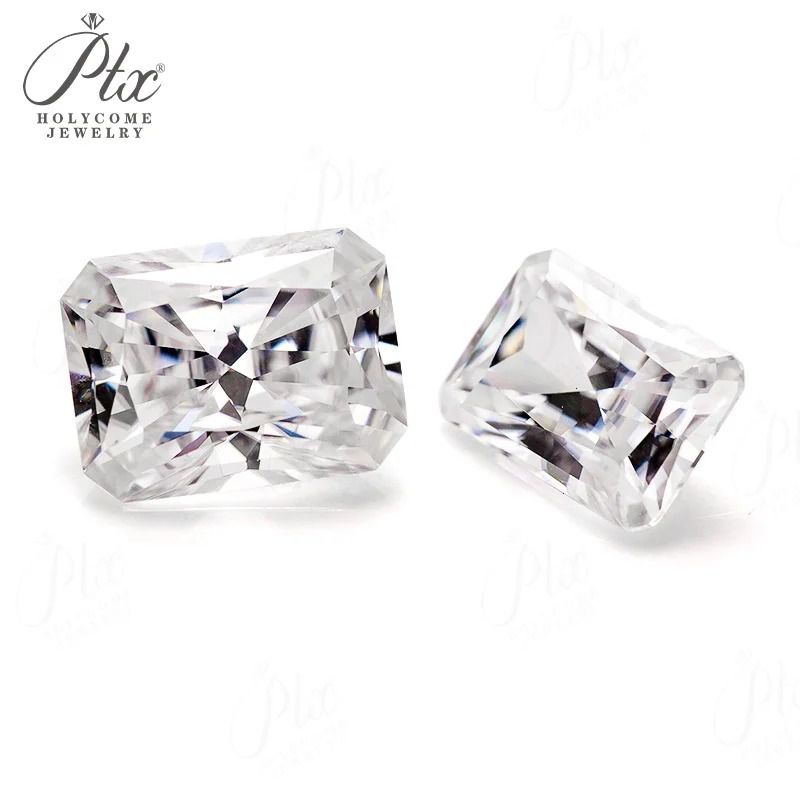
The cushion cut sits between a round brilliant and a square emerald in the family of gem shapes. It has the square outline of an emerald but with the crisp sparkle of a round, and its corners are rounded—like a square with soft edges, which is exactly where the name comes from. On moissanite, the cushion cut produces a warm, romantic, slightly vintage glow that has become one of the most-requested shapes for custom engagement rings. For jewelers buying loose stones to set on demand, understanding the cushion cut well is a fast way to win the bride who wants something that is not a plain round.
What makes the cushion cut distinctive
A cushion is essentially a square or rectangular brilliant with its corners clipped and rounded off. The large facets catch light in broader washes than a tight round brilliant, so the stone reads soft and warm rather than pinprick sharp. Modern cushion cuts often use a “crushed ice” facet pattern, which scatters light into a dense, glittering field. More traditional cushions keep larger, clearer facets. Both are beautiful; the choice is a matter of taste. When comparing shapes head to head, buyers often weigh the cushion against the others in round, oval, pear, emerald, and princess cuts before landing on the one that matches the ring style they imagine.
How size translates in carat and millimeters
A cushion cut looks larger than its carat weight suggests, because its spread across the top face is generous and its soft corners read as open space. But carat weight alone is a poor way to shop for loose stones; the millimeter measurement tells the real story of how the stone will sit in a setting. A well-made cushion moissanite commonly measures around six millimeters for a roughly one-carat equivalent, though exact dimensions vary by cut. Always reference a millimeter size guide and confirm the exact measurements on each parcel, because two stones of the same nominal carat can differ in how they fill a basket.
What to check on the stone
Because moissanite is lab-grown and consistent, buyers do not need to hunt through natural inclusions the way they would in a mined diamond. The checks are about cut quality and optical performance. Look for a well-centered stone with even facet alignment, a clean outline where the rounded corners are symmetrical, and a stone that sits flat when viewed from the side so it will seat properly in a setting. Confirm the color grade meets the client’s expectation; most cushion moissanite sold for bridal use is a near-colorless D to VVS-grade stone, though warmer-tone cushions are a deliberate trend for vintage looks.
Setting the cushion cut
The soft corners of a cushion make it a natural fit for halos, where a circle of smaller stones around it softens the square outline into an almost round glow. It also sets beautifully in a bezel, because the rounded corners seat cleanly. Prong settings should place prongs at the corners rather than over the broad flat edges, protecting the vulnerable points without covering the large facet faces. For a jeweler building a custom order, stocking a few ready cushion cuts in popular sizes means the client can see the exact stone before it is set, which speeds up the sale and reduces returns. Buyers ordering in volume should balance a range of popular sizes against inventory cost, rather than over-committing to every possible measurement.
Caring for a cushion-set moissanite
The large facets of a cushion cut show fingerprints and oils more readily than a tight round brilliant, because the broad flat faces catch and hold skin oils. This is not a flaw; it just means the stone benefits from a quick occasional clean. Warm, soapy water and a soft brush across the facets restore the sparkle in seconds, and moissanite shrugs off the same gentle cleaning routine used on the rest of the bridal set. There is no need for special products, and the stone will not cloud or fade over decades of normal wear.
Because the cushion’s rounded corners sit at slight angles, prong placement matters for safety. A well-set cushion has prongs gripping those corners rather than pressing on the broad facet faces, which protects both the stone and the viewer’s view of the sparkle. When a client picks a loose cushion cut, suggest the setting style at the same time—a halo to soften the outline, a bezel to protect the corners, or prongs to show the shape off. Buying the stone and planning its setting together is how a loose cushion cut becomes the romantic, one-of-a-kind ring it was meant to be.
The Gemological Institute of America’s gem encyclopedia is an authoritative, widely cited reference on moissanite and diamond quality factors.
Frequently Asked Questions
Is moissanite a good diamond alternative for retail buyers?
Yes for price-sensitive customers who want brilliance and hardness. Moissanite ranks 9.25 on the Mohs scale, holds up to daily wear and costs a fraction of a natural diamond of the same size, so it resells fast in bridal and fashion lines.
What is the minimum order for wholesale moissanite?
MOQ starts at 50 pieces per design for stock items. Custom cuts and private-label settings usually start at 100–300 pieces depending on the mold.
Do you provide certificates with moissanite stones?
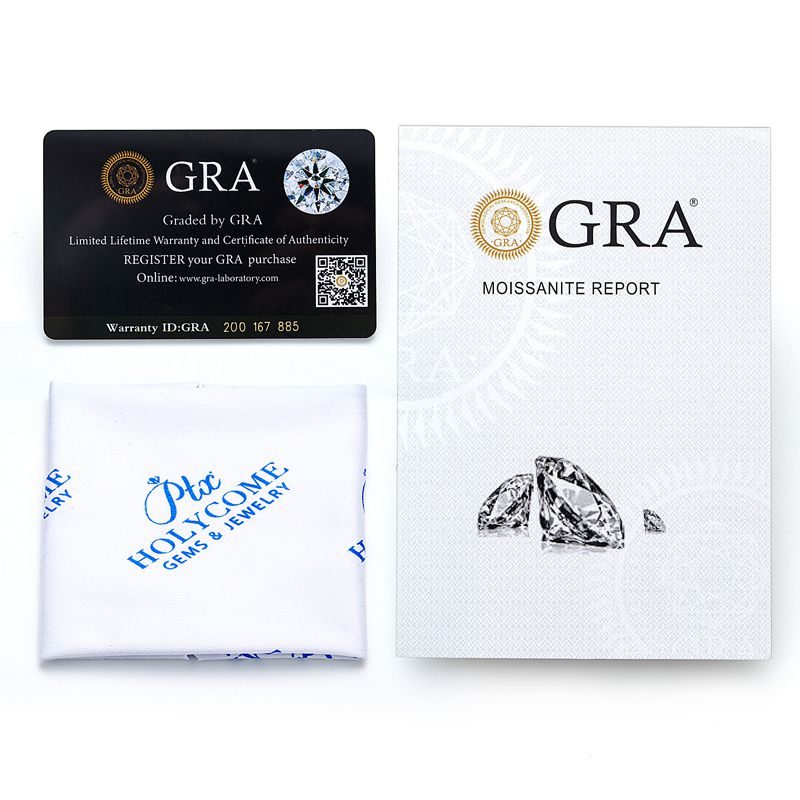
Yes. Every parcel ships with GRA or IGI documentation listing carat weight, color grade and cut. We recommend passing the certificate to your end customer for trust.
How long does sample and bulk production take?
Samples ship in 3–5 days. Bulk runs take 15–20 days under 500 pieces, and 25–30 days for custom work.
Send your spec sheet — stone, cut, size, plating and quantity — and we will return a costed timeline.
Ask the workshop