Loose Stones
Cushion Cut Moissanite Buying Guide for Jewelers
The cushion cut is where vintage romance meets modern sparkle. By rounding the corners of a square into a soft, pillow-like outline, the cushion cut gives a stone a warm, nostalgic feel while still returning plenty of light. It has become one of the most requested fancy shapes for moissanite, and for good reason: it flatters most hands and reads as heirloom-inspired without looking old-fashioned.
Square cushion vs elongated cushion
Not all cushions are the same. A square cushion sits close to a 1-to-1 ratio and reads compact and cozy. An elongated cushion stretches toward a 1.2-to-1 or more and reads sleek, often flattering longer fingers. The choice is mostly about proportion and the setting it will live in. A square cushion loves a halo or a four-prong solitaire; an elongated cushion pairs beautifully with an east-west setting for a fresh, modern look.
The facet pattern debate
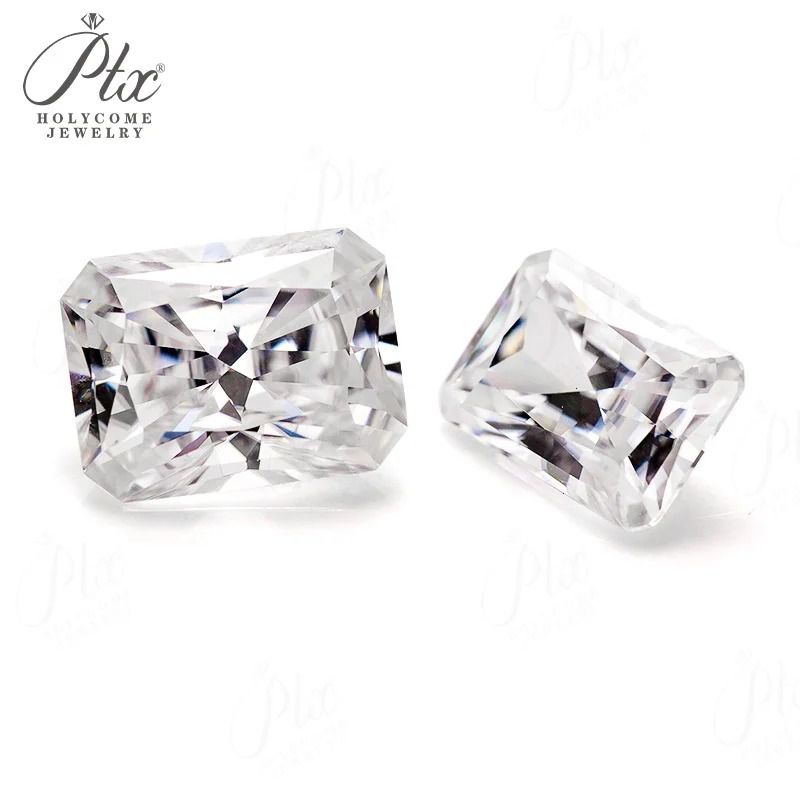
Older "crushed ice" cushion cuts break light into a soft, scattered shimmer that looks almost glittery. More structured, "brilliant" cushions show clearer, larger facets and a defined central star. The crushed-ice look is dreamier and more vintage; the brilliant pattern is sharper and more modern. There is no wrong answer—it is a preference. Show both under a light and let the bride pick the mood she wants. This is the kind of visible difference our shape guide walks shoppers through when they compare cuts side by side.
How cushion cuts wear on the finger
The rounded corners are forgiving. They catch less than a sharp square corner, which means the stone is slightly less prone to chipping at the tips—a real practical benefit for daily wear. Because the outline is soft, a cushion can read slightly smaller than a round of the same carat weight, so factor that into expectations. Use the mm size guide to show the actual face-up size rather than relying on carat alone.
Picking a setting for a cushion
A cushion stone is versatile. Four-prong settings emphasize the square outline and let light in from the sides. A bezel setting softens it even further for a modern, protective look. A pavé halo makes a cushion look larger and adds that bridal sparkle brides love. Because the cut already has rounded corners, it pairs naturally with the organic, nature-inspired settings that are trending, like twisted-vine and floral mountings.
Who the cushion cut suits
It suits the bride who wants something warmer and more distinctive than a round, but who does not want the drama of a marquise or the sleekness of an emerald. It is a forgiving, flattering, timeless shape—the kind of stone that will still feel right decades from now. Stock a few square and elongated options across sizes, and watch it become the shape brides describe as "the soft one that looks like a family ring."
Color and clarity in a cushion
The larger, broader facets of a cushion cut show color and inclusions more readily than a tightly faceted round, so it pays to favor a cleaner grade when buying. A near-colorless to colorless stone keeps the cushion bright and white, while a slightly warmer tint blends beautifully into the vintage feel many brides love. The crushed-ice facet pattern also hides small inclusions well, which is part of why cushion cuts read so forgiving on the hand. For a full breakdown, our color and clarity guide walks through the sweet spots for resale.
Pairing it with a halo
A cushion and a halo are a classic romance. The halo adds a border of sparkle that makes the soft center look larger and more luxurious, and the rounded corners of the cushion blend seamlessly into a rounded halo outline. This is the design that reads "heirloom" instantly. If the bride wants something subtler, a four-prong solitaire lets the cushion's shape speak for itself. Either way, the cushion is one of the most versatile stones in the case—equally at home in a vintage-inspired mounting or a clean modern setting, and always flattering on a bride who wants warmth without fuss.
Sizing a cushion by face, not carat
Because the cushion reads slightly smaller on the hand than a round of the same weight, shoppers should choose by actual millimeter size rather than fixating on carat. A 7 mm cushion is a comfortable everyday size, while an 8 mm and up makes a statement. Show the stone on her own hand so she can judge the proportion against her finger width—that matters far more than the number on the certificate (FTC jewelry industry guides). When she sees how soft and bright it looks there, the cushion usually sells itself.
The bottom line
The cushion cut is the quiet crowd-pleaser of the fancy shapes: warm, forgiving, vintage-tinged, and endlessly adaptable. For brides who want something that feels intentional but not trend-driven, it is hard to beat. Stock both square and elongated versions, offer crushed-ice and brilliant facet patterns, and let the stone's natural softness do the rest.
For third-party reference, the Wikipedia article on moissanite details moissanite’s discovery, optical properties and use in jewelry.
Frequently Asked Questions
Is moissanite a good diamond alternative for retail buyers?
Yes for price-sensitive customers who want brilliance and hardness. Moissanite ranks 9.25 on the Mohs scale, holds up to daily wear and costs a fraction of a natural diamond of the same size, so it resells fast in bridal and fashion lines.
What is the minimum order for wholesale moissanite?
MOQ starts at 50 pieces per design for stock items. Custom cuts and private-label settings usually start at 100–300 pieces depending on the mold.
Do you provide certificates with moissanite stones?
Yes. Every parcel ships with GRA or IGI documentation listing carat weight, color grade and cut. We recommend passing the certificate to your end customer for trust.
How long does sample and bulk production take?
Samples ship in 3–5 days. Bulk runs take 15–20 days under 500 pieces, and 25–30 days for custom work.
Send your spec sheet — stone, cut, size, plating and quantity — and we will return a costed timeline.
Ask the workshop