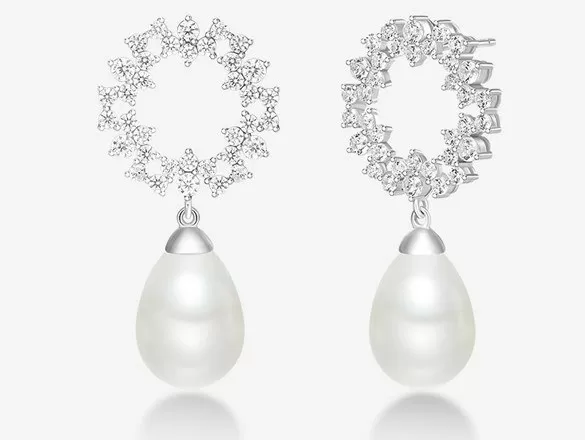
Earrings
Convertible & Jacket Earrings: Versatile Bridal Styling
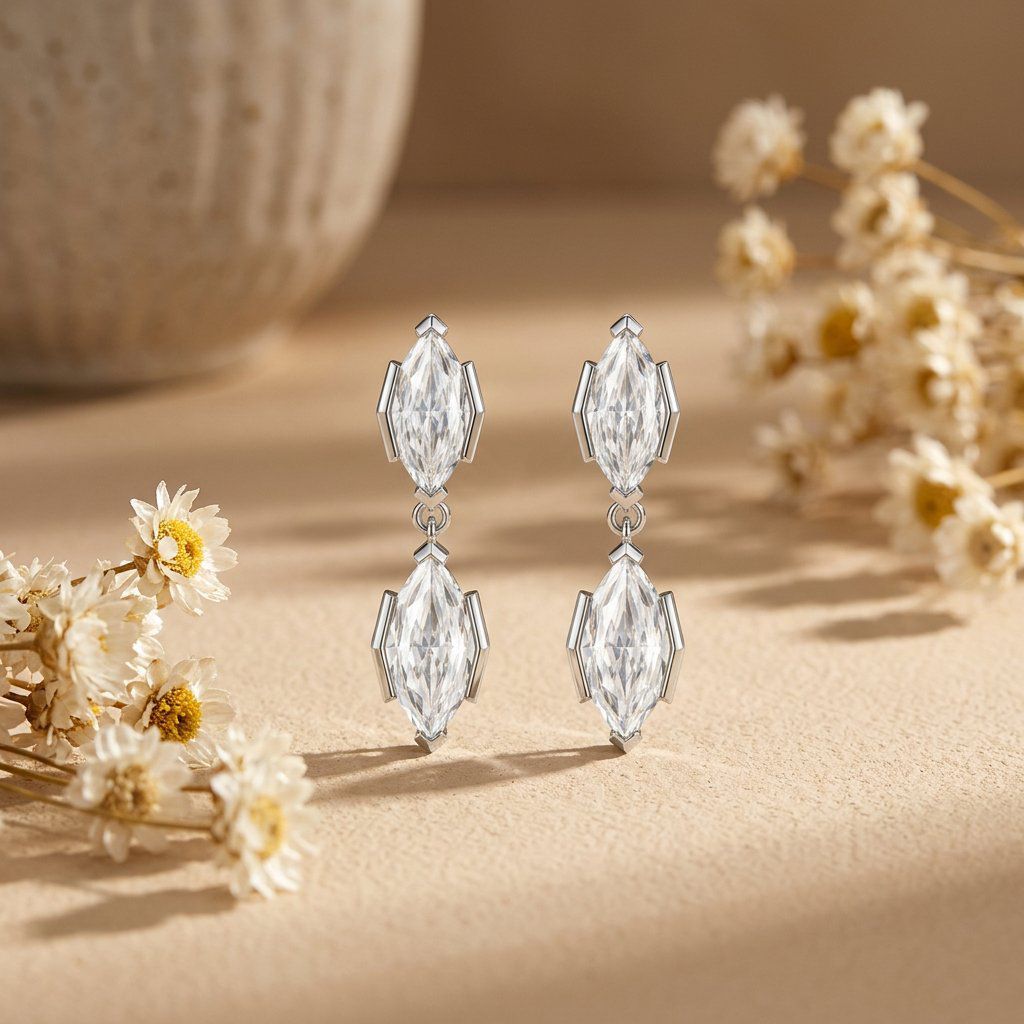
Brides are increasingly asking a question that used to sound selfish: "Can I wear this again?" It is a fair question. A pair of ornate chandelier earrings that only works once on a wedding day feels wasteful next to a gown that hangs in a closet. That shift is pushing convertible and jacket earrings toward the center of the bridal earring case. These pieces transform—a stud with a detachable jacket, a drop that unclips into a simple stud, a front-and-back design that flips—so one pair carries the bride from ceremony to honeymoon to Tuesday coffee.
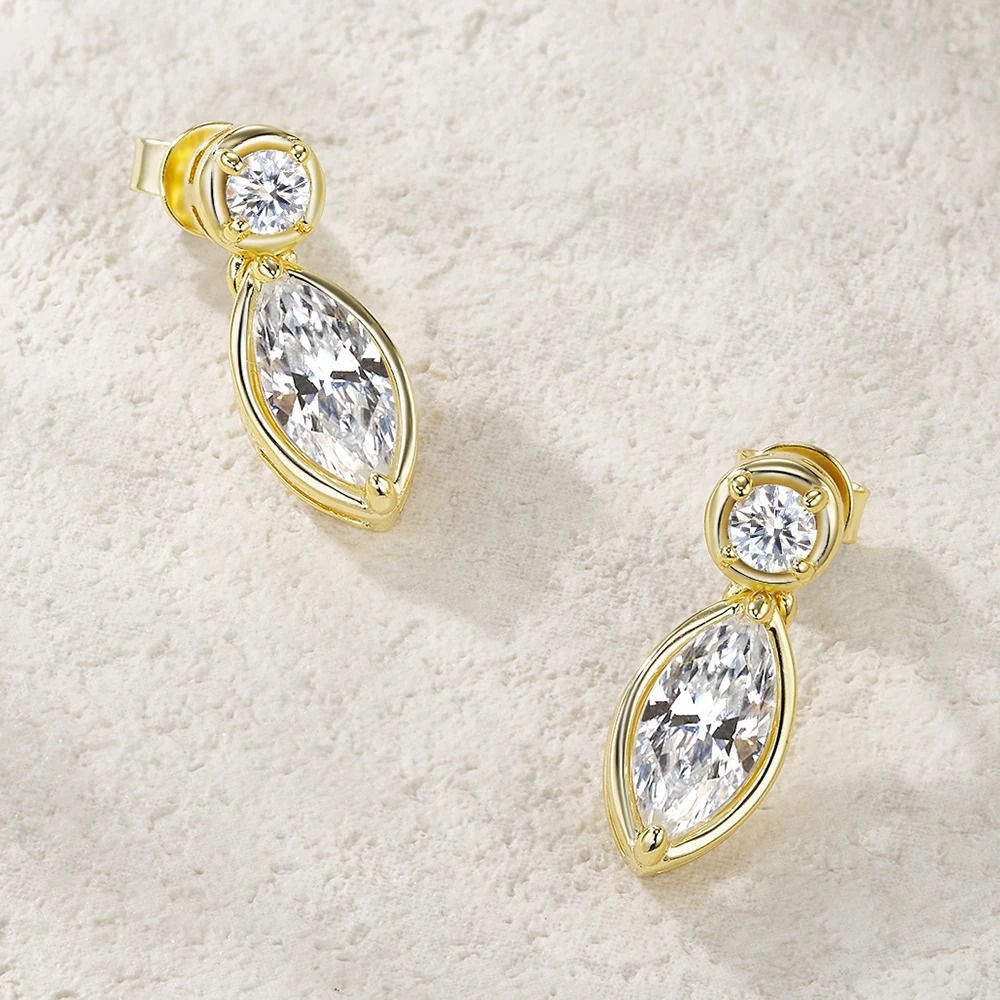
The design logic is simple. A jacket earring is a stud paired with a decorative frame that slides behind or around the post, changing the silhouette. A convertible drop has a detachable lower section, so the top becomes a standalone stud. A front-back earring shows one design on the front of the ear and a different peek on the back. Each system gives a bride at least two looks from one pair, and often three.
For the wedding itself, the convertible approach solves a real dilemma. A bride may want a dramatic drop for the ceremony and photos but a lighter stud for the reception, where she is hugging guests, dancing, and leaning in. Instead of buying two pairs, she unclips the drop and keeps the stud. That flexibility is the whole sales pitch—and it justifies a higher price point, because she is getting two earrings in one.
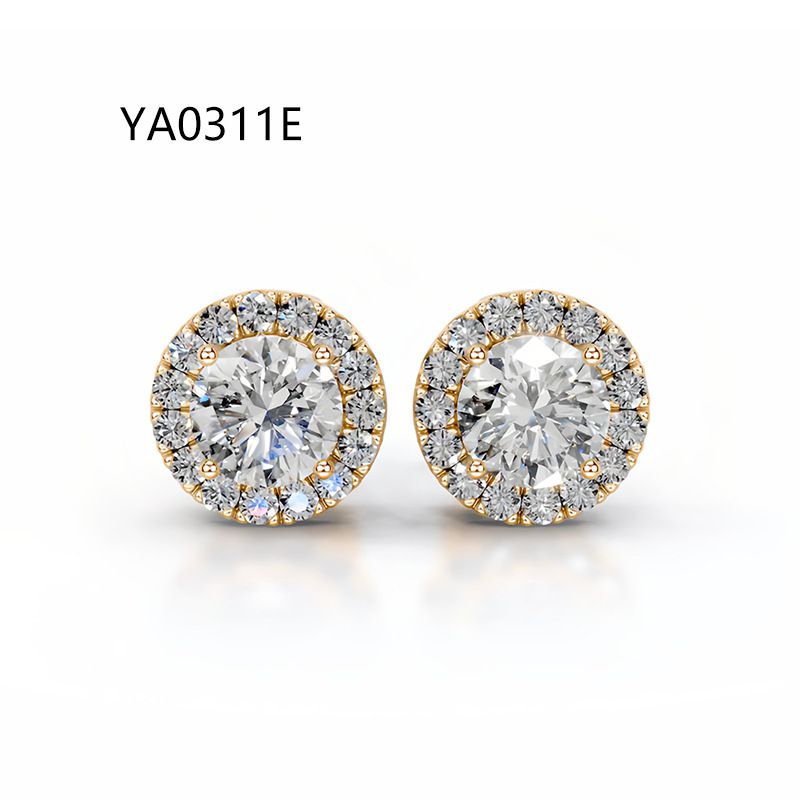
Moissanite suits the design beautifully. A pair of round moissanite studs with a detachable pavé jacket gives the bride everyday studs plus a bridal-level glow for the ceremony. The stones read white and bright in both configurations, and the extra fire on video makes the jacket version look lush under wedding lighting. When sourcing, compare how the jacket attaches—a secure screw or friction back holds better than a slip-on that can twist loose during a long event.
Face shape and hairstyle still guide the recommendation, as we cover in our earring sizing guide. A convertible drop that lengthens the face works well for rounder shapes; a wider jacket flatters longer faces. The advantage of the convertible design is that the bride can choose the intensity on the day—narrow when she wears her hair up, softer when she wears it down. That adaptability is hard to match with a fixed silhouette.
Hardware and comfort matter more than most brides expect before purchase. A heavy drop attached only through a thin post pulls on the lobe over a ten-hour wedding day. Look for a design where the detachable element distributes weight, and always confirm the back type. Screw backs are the safest for a long event; push backs are lighter but easier to lose. A quick conversation about earring backs—covered in our earring back guide—builds trust and prevents a lost earring on the dance floor.
Pricing this category takes a little framing. A convertible pair costs more than a basic stud, but less than a stud plus a separate drop. Position it as the smarter buy, and show the bride both configurations side by side. Most customers grasp the value immediately once they see the stud alone versus the stud plus jacket.
Post-wear is the hidden margin. Brides who know they will wear their earrings again—not just on the wedding day—treat the purchase as jewelry rather than costume. That shifts the conversation from "how cheap can I get this" to "how well made is this," which is exactly where independent jewelers win. It also generates referrals: a bride who still wears her wedding earrings two years later talks about your store to every friend getting engaged.
The post-wear argument is worth leading with. Most bridal jewelry sits unworn after the big day because it was designed for a gown, not for real life. A convertible pair dodges that problem entirely: the stud becomes everyday wear, and the jacket comes out for anniversaries, holidays, and date nights. When a bride realizes she is buying a staple rather than a costume piece, the price objection evaporates. It also makes the earrings a natural gift for the bridal party, since each bridesmaid gets a versatile pair she will actually keep wearing. Because the earrings transform, they also photograph twice—once as a clean stud, once as a framed drop—giving you two distinct looks to post from a single wedding shoot.
For stocking, carry three tiers: a simple stud-and-jacket in silver or white gold, a mid-range moissanite convertible drop, and one statement chandelier that converts to a stud. That covers the minimalist, the classic, and the dramatic bride without overcommitting inventory. The convertible trend is not a gimmick—it is a response to how brides actually want to own jewelry. The stores that stock it well are the ones they return to for anniversaries.
For third-party reference, the Wikipedia article on moissanite details moissanite’s discovery, optical properties and use in jewelry.
Frequently Asked Questions
What ring sizes can you supply in bulk?
US sizes 5–12 including half sizes. Send a size breakdown with your order and we cast to that curve; comfort-fit inner bands reduce resize requests.
Can I order a mixed size run instead of one size?
Yes. Mixed runs are standard for wholesale: specify quantity per size and we pack and label by size at no extra labor cost.
What is the MOQ for custom ring designs?
50 pieces per design for existing molds; 100–300 pieces when a new mold or CAD model is required.
How should I price rings for retail margin?
Most partners use a 3–4x markup on FOB cost for sterling and 2.5–3x for moissanite solos, which keeps landed cost under 30% of retail.
Send your spec sheet — stone, cut, size, plating and quantity — and we will return a costed timeline.
Ask the workshop