If pendants are the second-most-gifted jewellery, earrings are the first. They are affordable enough for a spontaneous gift, personal enough for a birthday, and small enough to wrap without stress. For retailers, the earring business runs on a gifting calendar that repeats every year — and ordering at the right time is the difference between a sell-out season and a box of dead stock.
This guide maps the US earring gifting market by season. See our wholesale earrings range.
Valentine's Day: studs and hearts
February is stud and heart season. Small heart studs and classic round studs sell to partners buying for a Valentine's gift. The heart drops and the round studs are the SKUs. Order by early January so stock lands in time. Price them as gifts, boxed, with a card.
Mother's Day and birthdays: studs and sentimental pairs
May is the biggest gifting month for earrings. Mothers and daughters buy studs, sentimental designs and small drops. The daisy studs and the starburst studs suit this moment. Order by mid-March. This is also when bridal-party earrings sell, as weddings ramp up.
Wedding season: bridal earrings
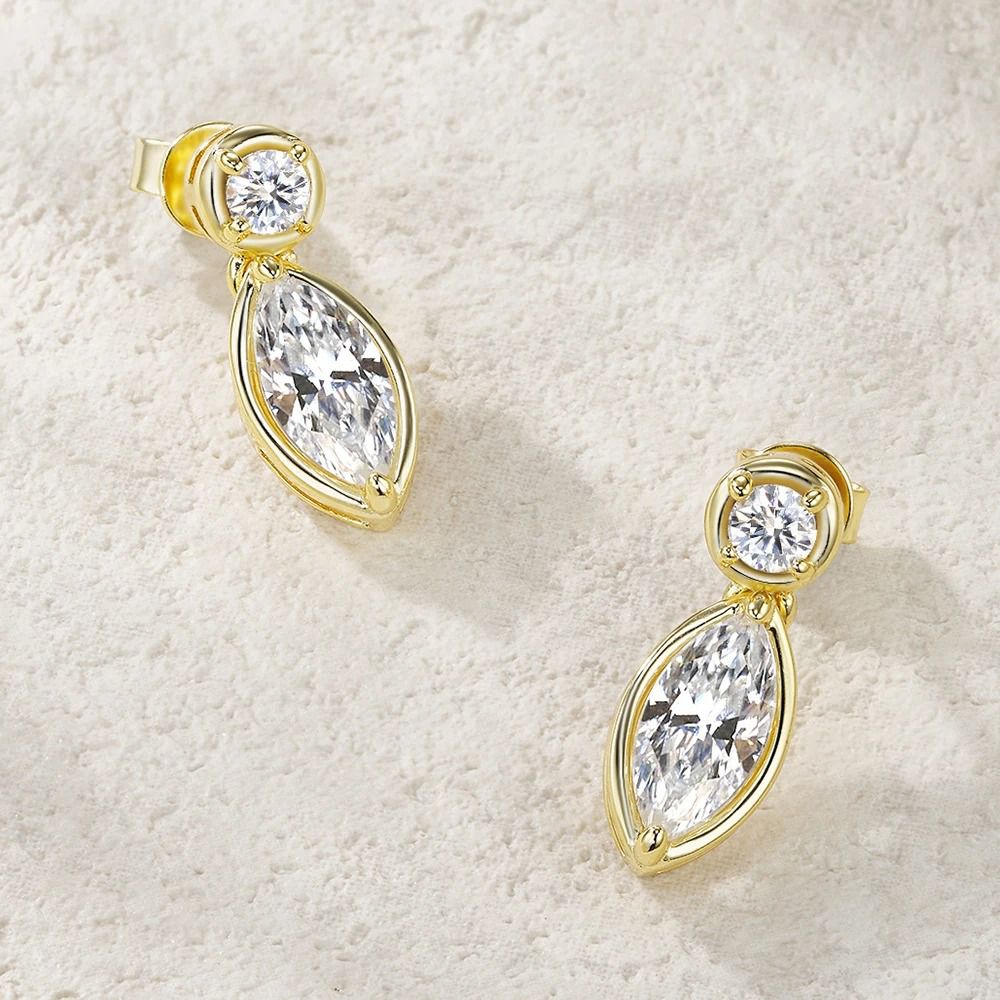
From May to September, brides buy earrings for the wedding day and mothers buy gifts for bridesmaids. Halo drops and elegant studs sell here. The marquise drops and the huggies are the bridal-adjacent styles. This is a high-margin period because the customer is buying for an event and is less price-sensitive.
Christmas: everything, especially studs
December is the big earring rush. Studs sell across all sizes, drops sell as statement gifts, and huggies sell as fashion gifts. Order by October to avoid shipping delays. The earrings range should be fully stocked by mid-November. Box everything, price clearly, and group gift sets near the counter.
Impulse buys: the small-stud opportunity
Small studs under a certain price are impulse buys near the counter. Keep a tray of affordable studs by the till so customers waiting to pay add a pair. This is the easiest extra sale in the store, and it costs nothing to display.
The bottom line
Earrings sell on a gifting calendar: hearts in February, sentimental studs in May, bridal drops in summer, everything in December. Order eight weeks ahead, box the pieces, and keep an impulse tray by the counter. When you are ready for the next season, request a wholesale quote.
The Christmas earring rush, planned properly
December is the biggest earring month, and it arrives fast. The retailers who are ready by mid-November sell through; the ones who order in November deal with shipping delays and empty trays. Plan for Christmas in October: stock the full range, box the pieces, price them clearly, and group gift sets near the counter. Add a small tray of affordable studs by the till for last-minute impulse buys. The earring rush is also when new customers discover your store, so the display should look its best. Our earrings range is restocked for the season — order early to secure your sizes.
Frequently asked questions
When should I order for Valentine's? By early January, so stock lands before the February rush.
What sells at Mother's Day? Sentimental studs and small drops, bought by children and partners.
What is the impulse buy? Small, affordable studs near the till — customers add them while paying.
When Americans buy earrings, and what they buy
The US earring market is driven by gifting, and the calendar is predictable. December is the single biggest month, with Valentine's (February) and Mother's Day (May) as the next peaks. For each peak, stock eight to ten weeks ahead: order for Christmas by October, for Valentine's by early January, for Mother's Day by late February. Retailers who order early sell through; retailers who order in the rush deal with shipping delays and empty trays.
What sells changes by occasion. Valentine's leans toward studs and small sentimental pairs. Mother's Day leans toward classic studs bought by children and partners. Christmas is the broad rush, with affordable impulse studs moving fastest. Between peaks, small everyday studs sell steadily. Group gift sets near the counter at peak times, and keep a mirror and a small price card on every pair so the gift buyer can decide quickly. The earrings range is restocked for each season — order early to secure your sizes.
The impulse tray by the till
The highest-margin earring sale is the one the customer did not plan to make. Keep a small tray of affordable, lightweight studs and tiny hoops within arm's reach of the till. When a customer pays for a pendant or a ring, she glances at the tray, picks up a pair of $30 studs, and adds them to the bag. These impulse pieces have near-perfect margins, require no sizing, and make the customer feel she treated herself. Rotate the tray weekly so regulars always see something new.
Social media now drives the earring rush as much as the calendar. Customers walk in asking for the exact hoop or stud they saw on TikTok or Instagram. Encourage staff to post daily photos of the earring wall in good light, and to tag popular styles. When a customer buys a pair, ask permission to photograph her wearing them — real customers in real ears sell more earrings than studio shots. The seasonal earring range in our earrings range is built to keep that wall fresh through every gifting peak.
Sizing and returns in the earring business
Earrings are the least size-dependent jewellery, which is exactly why they make safe gifts — there is no ring size to get wrong. Even so, studs come in diameters, and a 3mm stud reads very differently from a 7mm one on the ear. When a customer buys a pair as a gift, suggest the mid-size (around 5mm) as the safe, flattering default, and keep smaller and larger pairs on hand if the recipient wants to exchange. Promote a simple exchange policy for gift purchases, because a customer who knows she can swap the size comes back to buy more. Clean, boxed pairs from the earrings range make that exchange hassle-free.