Earrings
Clip-On and Clip-Back Bridal Earrings for Non-Pierced Brides
It is a conversation retailers have more often than you would think: the bride loves a pair of drop earrings, touches her lobes, and realizes she does not have pierced ears. For years, that conversation ended with an apology. Today it should end with a recommendation, because clip-on and clip-back bridal earrings have quietly become comfortable, secure, and genuinely beautiful.
Why the non-pierced bride matters
A surprising share of adult women do not have pierced ears, and many brides simply do not want to schedule piercing appointments six weeks before a wedding. Some have keloid skin. Some had bad reactions as teenagers. Others simply never got around to it. All of them still want to look complete on camera. Ignoring this shopper is leaving money on the table, and it is a poor customer experience.
The clip-back styles that work
Screw-back clips are the classic choice: a small disc that tightens against the back of the lobe. They are the most secure option for heavier drop earrings, which is why they appear on most vintage-style bridal drops. Lever-back clips snap closed with a hinge and sit flatter, ideal for medium-weight studs and small hoops. Comfort-pad clips add a silicone cushion that distributes pressure, making a full day of wear actually tolerable. When a customer mentions discomfort from childhood clip-ons, the silicone pad is the detail that changes her mind.
For customers who do have pierced ears but want options, posts, push backs, and screw backs all work. The clip-on conversation is the one most stores skip.
Bridal-worthy clip-on designs
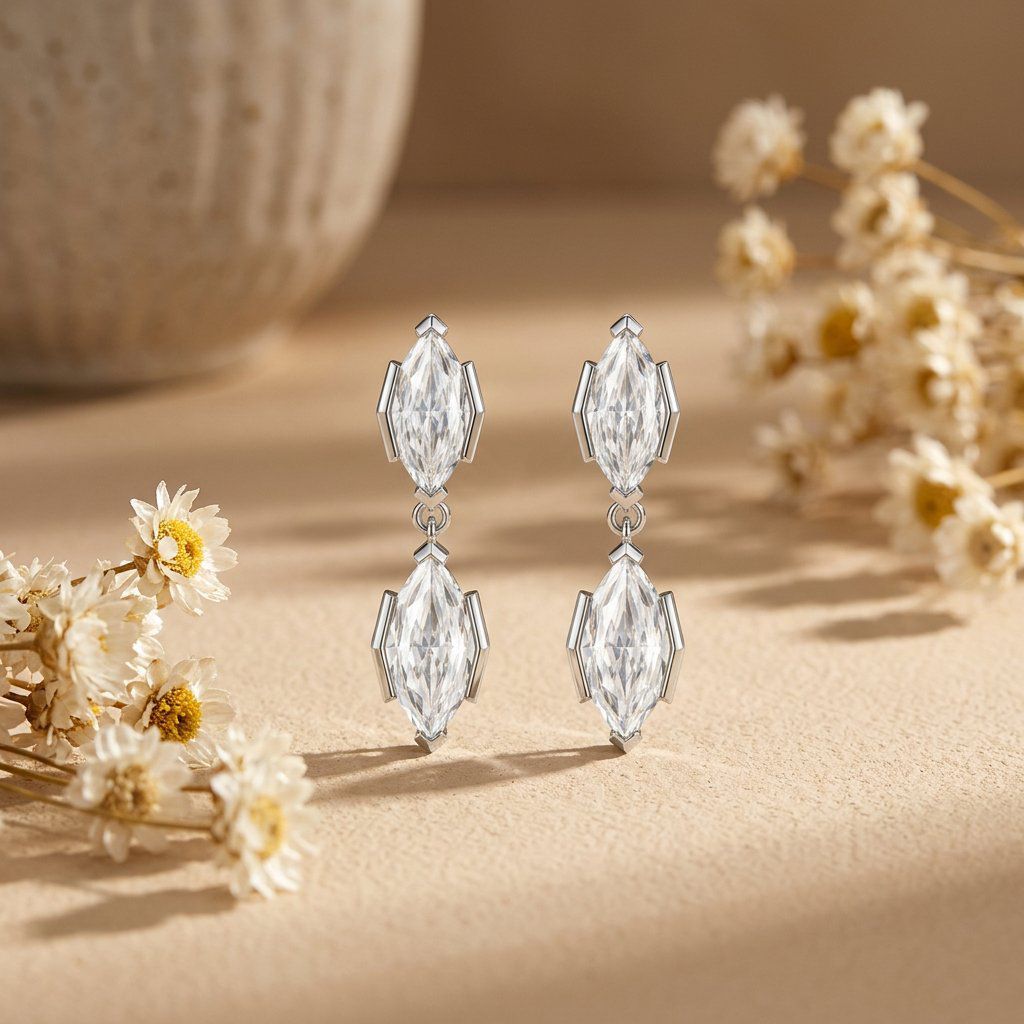
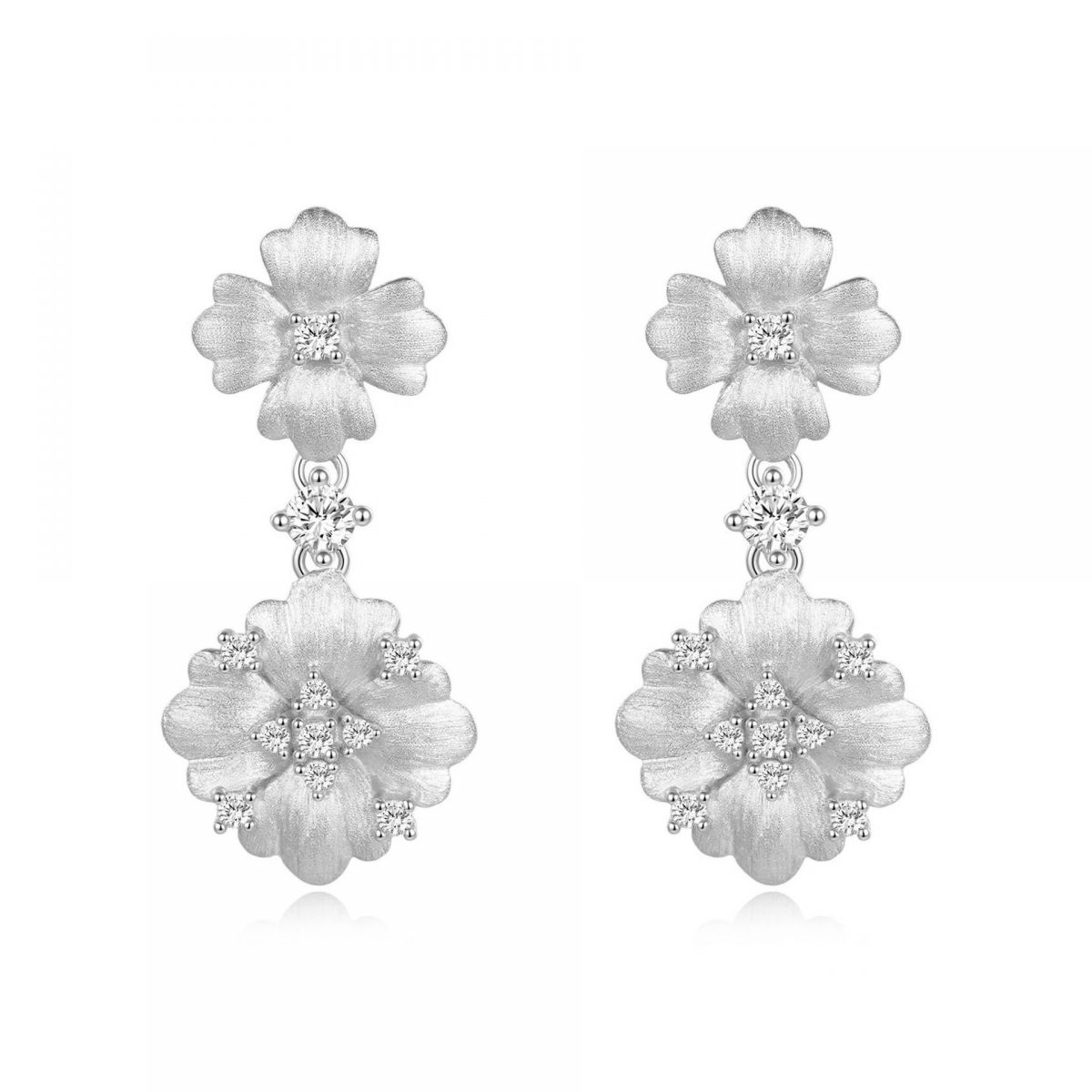
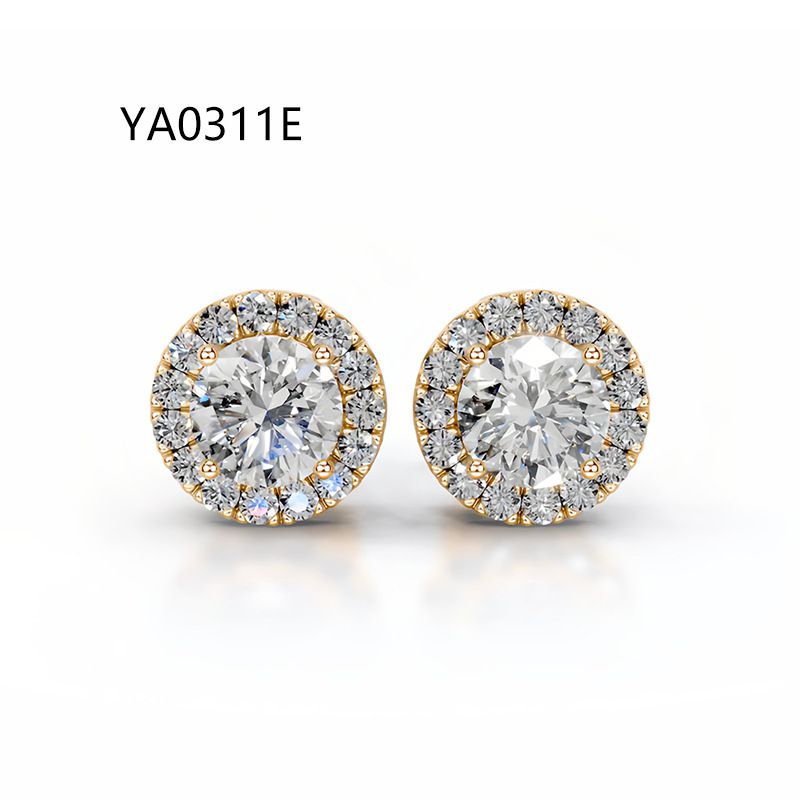
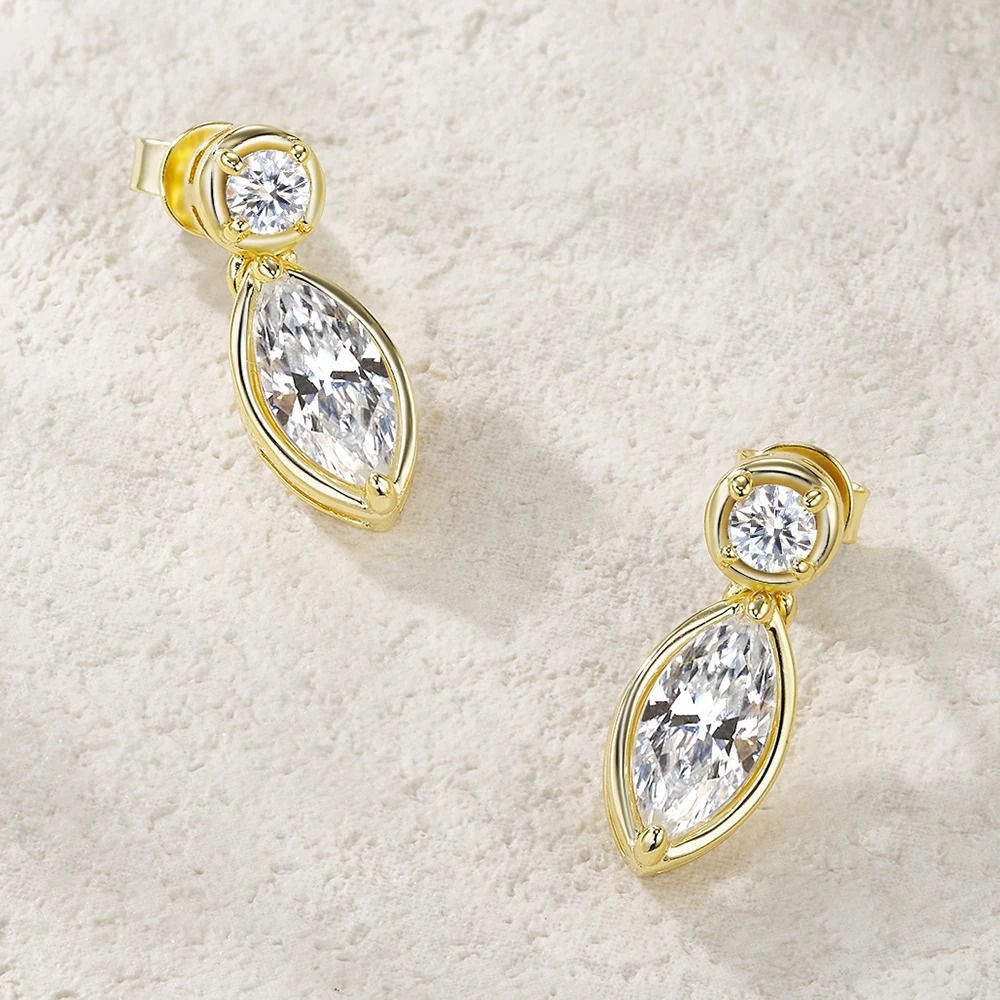
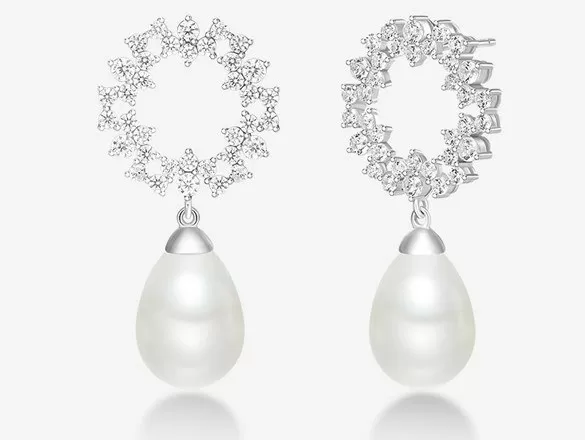
Clip-on earrings do not have to look like costume jewelry. Modern bridal clip-ons run the same design language as pierced pairs: moissanite studs on screw-backs, teardrop drops on lever-backs, and delicate huggie-style clips that sit close to the lobe. Our assortment of moissanite hoops, drops, and studs shares design cues with the clip-on range, so a bride can match her clip-ons to her pierced bridesmaids without a visible difference.
Long shoulder-duster and chandelier styles translate especially well to screw-backs, because the added security supports the weight. Read through our shoulder duster bridal trend piece to see which silhouettes are resonating this season, then ask your supplier which of those designs also comes in a clip-back version.
The comfort conversation
The single biggest objection to clip-ons is comfort. Address it proactively. Explain that modern pads distribute pressure, recommend a lighter design for a full day of dancing, and offer to do a quick in-store wear test. Most clip-on pain comes from clips adjusted too tight, not from the design itself. Show the bride how to open and close the clip, and she will leave confident rather than nervous.
Adjusting the fit in the store
Most clip-ons come with a small adjustment screw or hinge tension that can be tightened by a bench jeweler. When a bride tries a pair on, check the fit by asking her to tilt her head side to side and jump lightly. If the earring moves, tighten the clip before she leaves. This thirty-second adjustment is the difference between a bride who loves her earrings and one who spends the wedding day worrying they will fall off. Keep a small screwdriver in the display drawer and make it part of the fitting routine. Ear cuffs and wraps are another non-pierced option for brides who want a modern look; mention them if a clip-on feels too traditional, but position them as a second choice because they do not offer the same security for a full day of dancing. When a bride feels both options in her hand, the security conversation usually closes itself.
Stocking for non-pierced demand
You do not need a full wall of clip-ons. Start with three to five best-selling silhouettes: a classic stud, a small drop, and one statement chandelier. Carry them in both white and rose finishes. Display them clearly marked as clip-on so non-pierced shoppers do not have to ask. The moment a bride sees a gorgeous drop marked “clip-on,” she stops browsing and starts trying them on.
Because these earrings are giftable — mothers of the bride, bridesmaids with sensitive lobes — they sell beyond the bride herself. Package them in the same gift-ready earring cards your pierced pairs use; our earring card packaging guide covers how to make the unboxing feel intentional.
The bottom line
Non-pierced brides have been an underserved bridal segment for too long. A small, well-chosen clip-on assortment costs little to carry and opens the door to customers who would otherwise leave your store empty-handed. Treat clip-ons as a genuine bridal category, not an afterthought, and you will capture sales that your competitors are quietly missing. The customers you gain this way tend to be unusually loyal, because most stores have never bothered to solve the problem for them.
Independent background on moissanite — how its hardness and refractive index compare with diamond — is documented in the Wikipedia article on moissanite.
Frequently Asked Questions
What ring sizes can you supply in bulk?
US sizes 5–12 including half sizes. Send a size breakdown with your order and we cast to that curve; comfort-fit inner bands reduce resize requests.
Can I order a mixed size run instead of one size?
Yes. Mixed runs are standard for wholesale: specify quantity per size and we pack and label by size at no extra labor cost.
What is the MOQ for custom ring designs?
50 pieces per design for existing molds; 100–300 pieces when a new mold or CAD model is required.
How should I price rings for retail margin?
Most partners use a 3–4x markup on FOB cost for sterling and 2.5–3x for moissanite solos, which keeps landed cost under 30% of retail.
Send your spec sheet — stone, cut, size, plating and quantity — and we will return a costed timeline.
Ask the workshop