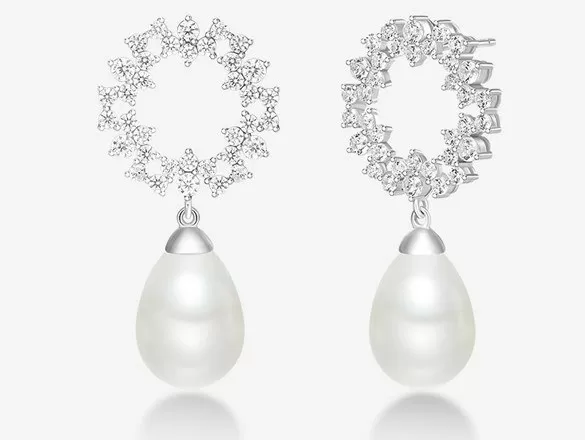
Earrings
Clip-On Bridal Earrings: A Guide for Non-Pierced Brides
A bride on her wedding day wants earrings that catch the light, frame her face, and survive twelve hours of smiling, hugging, and dancing. If her ears are not pierced, the options used to mean uncomfortable clips or last-minute piercings that swell by the ceremony. That has changed. Modern clip-on bridal earrings are designed to sit securely, distribute pressure, and look indistinguishable from pierced studs and drops.
Why getting pierced on the wedding day is usually a mistake
Fresh piercings take weeks to settle. On a wedding day, the ears may be tender, swollen, and sensitive to hairspray, perfume, and sweat. A new piercing also cannot be changed into bridal earrings until it heals, so the jewelry worn on the day is the basic starter stud. For brides who want chandeliers, drops, or a statement halo, that means planning piercings months in advance. Most non-pierced brides are better served by a well-made clip-on that can be worn the morning of the wedding with no recovery period.
The clip-on styles that actually work
Not all clips are equal. The design determines whether the earring stays on and whether it leaves a mark.
- Screw-back clips: A small screw adjusts pressure against the back of the earlobe. The bride can tune the fit, which makes this the most comfortable option for a long day. Screw-backs are common on heirloom and vintage-style earrings.
- Spring-loaded hinged clips: Faster to put on, with a spring that snaps closed. Less adjustable than a screw-back, but fine for lighter studs and small drops.
- Magnetic earrings: Hold on by magnet force. They are comfortable for very light pieces but can slip off heavier drops and are not recommended for a first dance.
- Clip-on pads: Foam or silicone pads added to any clip reduce pressure and prevent the red indentation that shows in photos. Ask for them by name.
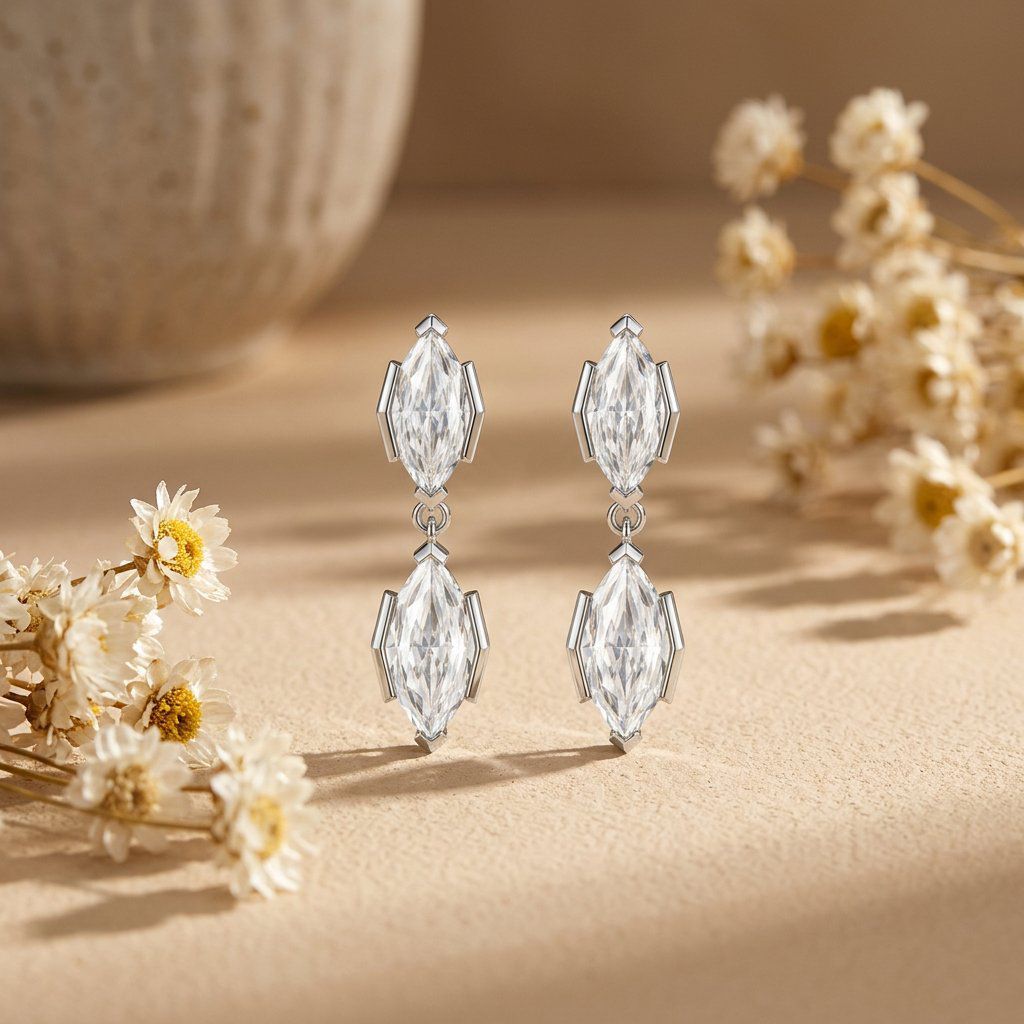
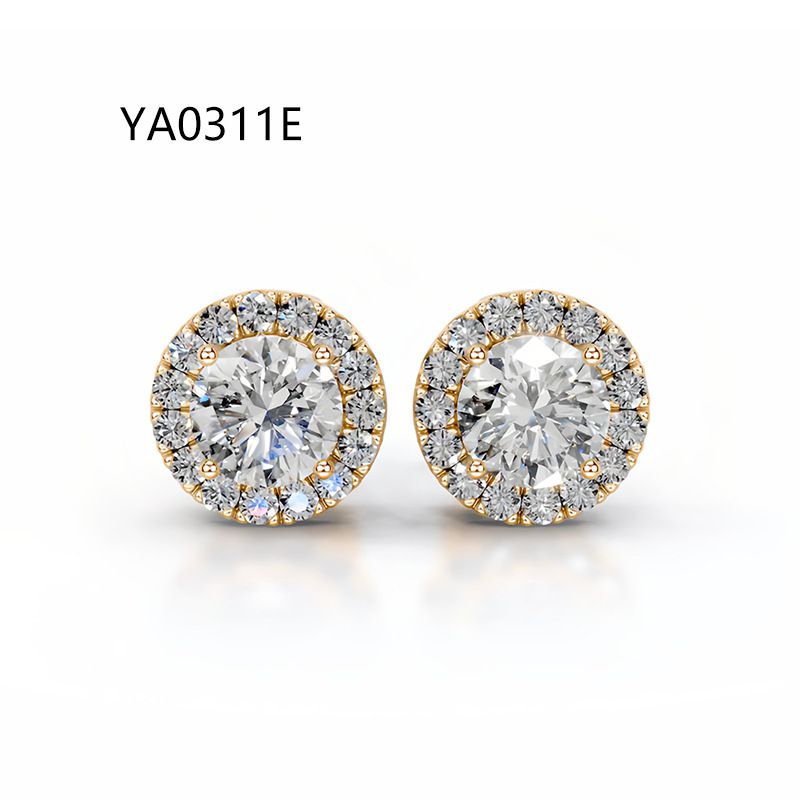
If the bride normally admires pierced moissanite stud earrings but cannot wear them, a matching clip-on version gives the same look without a piercing. Many jewelers offer clip-on converters that turn a favorite pierced stud into a clip, which is a useful option for heirloom pieces.
Weight is the hidden factor
A clip-on earring pulls on the lobe through pressure rather than friction through a piercing hole. That means weight matters more. A chandelier with ten grams of stones will sag on a clip-on by the evening, no matter how tight the clip. Brides should choose clip-on styles under about five grams, or opt for a drop that hangs from a claw clip that grips the lobe edge rather than pinching flat.
Test-wear the earrings at home for two to three hours before the wedding. Cook, clean, and move around. If the clip hurts after an hour, it will hurt more after ten. An adjustable screw-back can be tuned to a comfortable pressure; a fixed spring clip usually cannot. Bring the earrings to the hair trial as well, so the stylist knows exactly what she is working around and can plan an updo that leaves the clips visible rather than buried under hair.
Keeping them on through the events
Most clip-on mishaps happen when the bride hugs a guest, takes off a jacket, or leans in for a photo. A quick check before the ceremony, between the ceremony and reception, and before the first dance catches a loosened clip before it becomes a lost earring. Keep the original box in the bridal suite so a slipped earring has somewhere safe to go. On the morning of the wedding, apply hairspray and perfume before clipping the earrings on, because those products dull settings and make clips slippery.
Styling clip-on bridal earrings
Clip-on earrings photograph exactly like pierced ones, so the styling rules are the same. Match the earring size to the face shape, coordinate the metal with the engagement ring and bracelet, and consider the hairstyle: an updo shows off drops and chandeliers, while hair down calls for studs or huggies that will not catch on strands. Our guide on bridal earrings by wedding hairstyle walks through the pairings, and the same logic applies whether the earring clips or posts through the lobe.
Care and storage
Clip-on mechanisms have moving parts that loosen over years. Open and close them gently rather than yanking. Wipe the earring after wear to remove hairspray and sweat, which accelerate tarnish. Store them in a compartment so the clips do not scratch neighboring pieces. If a clip loosens over time, a jeweler can tighten the hinge spring in minutes. A well-made clip-on set can be reworn at anniversaries, and many brides keep them as heirlooms precisely because they did not require a piercing to begin.
The bottom line
Non-pierced brides have every right to the earrings of their dreams. A screw-back clip-on, a set of soft pads, and a home try-in session solve almost every comfort concern. On the wedding day, the only thing a clip-on should leave behind is a great photograph, not a sore earlobe.
For third-party reference, the Wikipedia article on moissanite details moissanite’s discovery, optical properties and use in jewelry.
Frequently Asked Questions
What ring sizes can you supply in bulk?
US sizes 5–12 including half sizes. Send a size breakdown with your order and we cast to that curve; comfort-fit inner bands reduce resize requests.
Can I order a mixed size run instead of one size?
Yes. Mixed runs are standard for wholesale: specify quantity per size and we pack and label by size at no extra labor cost.
What is the MOQ for custom ring designs?
50 pieces per design for existing molds; 100–300 pieces when a new mold or CAD model is required.
How should I price rings for retail margin?
Most partners use a 3–4x markup on FOB cost for sterling and 2.5–3x for moissanite solos, which keeps landed cost under 30% of retail.
Send your spec sheet — stone, cut, size, plating and quantity — and we will return a costed timeline.
Ask the workshop