Loose Stones
Buying Loose Moissanite for Custom Bridal Orders: A Sourcing Guide
Boutiques that offer custom bridal work have a different sourcing (FTC jewelry industry guides) problem than boutiques that sell pre-set rings. The bride comes in with a design idea, a center stone shape in mind, and a budget. The boutique cannot set a stone it does not have, and it cannot order a stone overnight. The solution is a small, deliberate library of loose moissanite stones that covers the carat ladder and the cuts brides actually request, paired with a supplier who can ship on demand for the long tail.
Documenting the stone for the client file
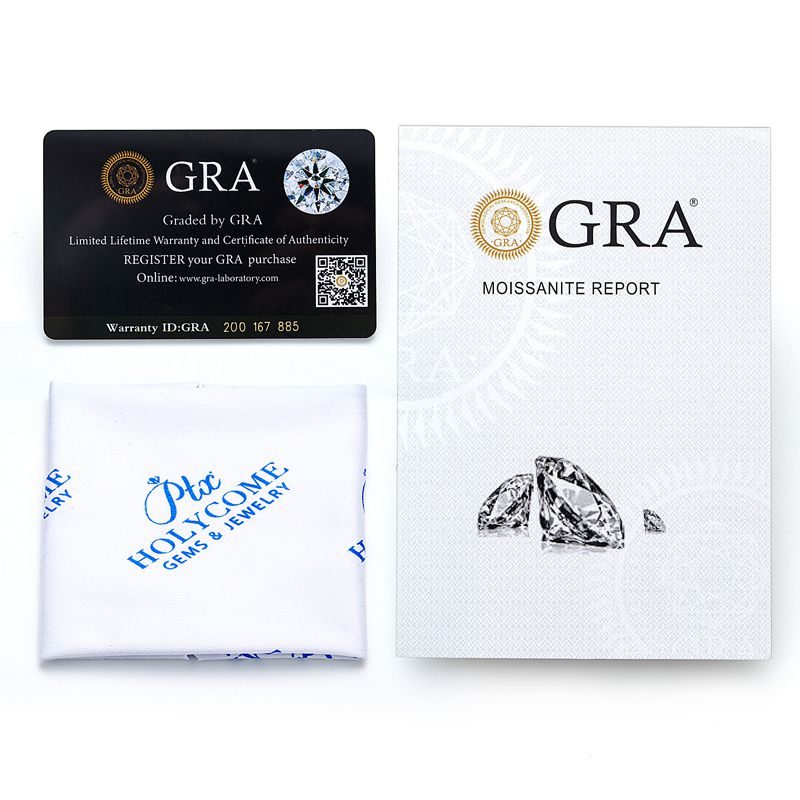
Every custom bridal order should leave the boutique with a paper trail that protects both you and the bride. Photograph the loose stone next to a ruler, record the measurements and the GRA number on the order form, and hand the certificate to the bride at pickup rather than filing it away. If she later wants the ring appraised or insured, the certificate and the measurements are what the insurance company asks for. Keep a digital copy of the certificate and the stone photo in the client file, so a replacement stone can be matched exactly if the ring is ever lost. This small documentation habit turns a custom order into a repeatable process rather than a one-off gamble.
The carat ladder to keep in stock
Custom bridal orders cluster in four center stone sizes. Round brilliant at 6.5mm (roughly 1ct equivalent) is the default request and the size to carry deepest. The next tier is 8mm (roughly 2ct equivalent), for brides who want presence without a diamond budget. The third tier is 5mm (roughly 0.5ct equivalent), for brides who want a delicate center stone or a side-stone accent. The fourth tier is 9mm and above, which is the statement tier and should be ordered on demand rather than stocked, because it moves slowly and ties up cash. Keep one stone of each of the three core sizes in stock, and a second of the 6.5mm because it reorders fastest.
The cuts brides actually ask for
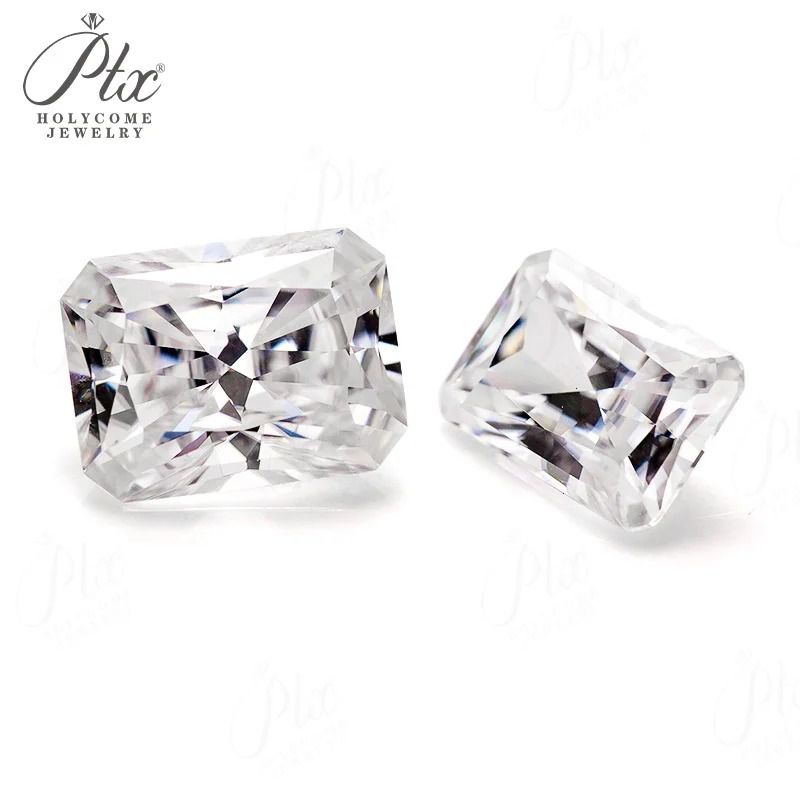
Across custom bridal work, five cuts cover nearly every request. Round brilliant is the default and should be stocked in all three core sizes. Oval is the second most common, because it reads elongated on the finger and flatteringly lengthens the hand. Cushion is the third, for brides who want a softer, more vintage look. Pear is the fourth, usually for pendants and earrings as much as rings. Emerald cut is the fifth, for brides who want a structured, architectural look. Keep one oval and one cushion at the 6.5 to 8mm range; order emerald and pear on demand unless your local clientele skews heavily to one of them.
Color, clarity and certification
Wholesale moissanite is graded for color (ranging from near-colorless to the slightly green or gray stones at the lower end) and clarity, which for moissanite is almost eye-clean across the price range because it is a lab-grown material. For bridal work, require the near-colorless grade, because the slightly tinted stones read yellow or gray under studio lighting and brides notice. Confirm the stone ships with a GRA certificate that lists the carat equivalent, the cut, the color grade and the measurements. The certificate is not just paperwork: it is the document you hand to the bride so she can compare her moissanite against a diamond at the appraisal table. Without it, she has no third-party verification of what she bought.
Sample kits versus stocked stones
A cheap way to test demand before tying up cash is to buy a sample kit of three to five small stones in different cuts, mounted on a display card. Brides can see the cuts side by side, and you place the custom order once the design is confirmed. This is the right model for boutiques doing fewer than ten custom orders a month. For boutiques doing more, stock the core carat ladder and order the long tail on demand. Either way, the goal is to have the stone in hand for the design consultation, because a bride who cannot see the stone on her hand will walk to a competitor who can.
What to ask your supplier
Confirm the minimum order quantity for loose stones, the turnaround time on custom cuts, and whether the supplier will ship a stone on memo (consignment) for a design consultation. Memo stones let you show the bride without tying up cash. Ask whether the stone is laser-inscribed with its GRA number on the girdle, because that is the verification detail brides ask about when they compare you online. our loose moissanite stones ship with GRA certificates, girdle inscriptions and a sample-kit option, so the custom order can start at the first consultation rather than after a two-week wait.
The boutique that can put a stone on the bride's finger in the first meeting is the boutique that wins the custom order before she walks to the next shop.
The Gemological Institute of America’s gem encyclopedia is an authoritative, widely cited reference on moissanite and diamond quality factors.
Frequently Asked Questions
Is moissanite a good diamond alternative for retail buyers?
Yes for price-sensitive customers who want brilliance and hardness. Moissanite ranks 9.25 on the Mohs scale, holds up to daily wear and costs a fraction of a natural diamond of the same size, so it resells fast in bridal and fashion lines.
What is the minimum order for wholesale moissanite?
MOQ starts at 50 pieces per design for stock items. Custom cuts and private-label settings usually start at 100–300 pieces depending on the mold.
Do you provide certificates with moissanite stones?
Yes. Every parcel ships with GRA or IGI documentation listing carat weight, color grade and cut. We recommend passing the certificate to your end customer for trust.
How long does sample and bulk production take?
Samples ship in 3–5 days. Bulk runs take 15–20 days under 500 pieces, and 25–30 days for custom work.
Send your spec sheet — stone, cut, size, plating and quantity — and we will return a costed timeline.
Ask the workshop