Loose Stones
Buying GRA-Certified Loose Moissanite: A Sourcing Guide
If your shop sets its own stones, buying loose moissanite in volume beats buying finished mounts every time. You control the head, the shank and the metal, and the per-stone cost drops enough that you can offer a customer a custom engagement ring at a price she actually agrees to. The catch is that loose moissanite is also where sourcing mistakes show up the loudest: a batch with off-round proportions, faint green overtones, or mismatched certificates will kill your margin faster than a retail price cut ever could. Here is how we buy, and what we expect when we supply US jewelers.
GRA certificate versus no-name stones
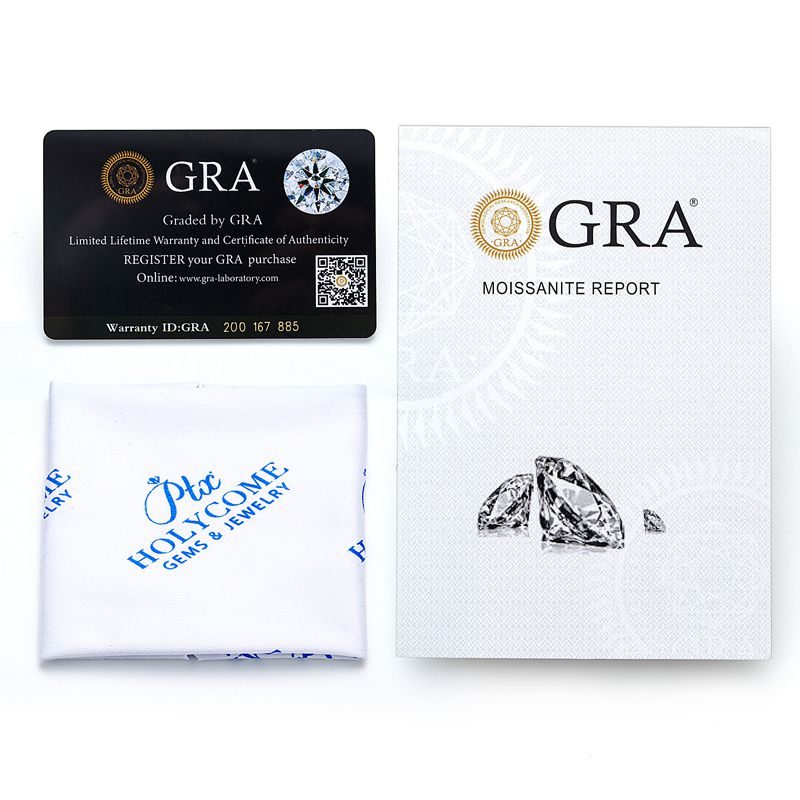
A GRA report is not a substitute for a diamond-grading (per GIA's diamond grading standards) lab like GIA or IGI, and you should not pitch it to a customer that way. What it does do is give the stone a traceable card that lists color, clarity, cut, and measured dimensions, and it lets a retail buyer feel she is holding a graded product rather than a loose bead. For bridal-center stones, we sell GRA-certified only. The price delta versus ungraded stock is small, often $1 to $3 per stone, and the marketing value at the counter is real. Reserve ungraded stock for accent stones, pavé and earrings, where no one asks for the card.
Cuts that actually reorder
You can order moissanite in more shapes than most stores will ever sell. The cuts that pay rent on a US shelf are narrow:
- Round brilliant - about 60% of loose stone demand. Best return, easiest to set, easiest to resell if a customer changes her mind.
- Cushion - the second shape, driven by vintage-style engagement settings. Expect softer sparkle than round but strong face-up presence.
- Oval and pear - follow trends. Order one sample of each before committing to depth.
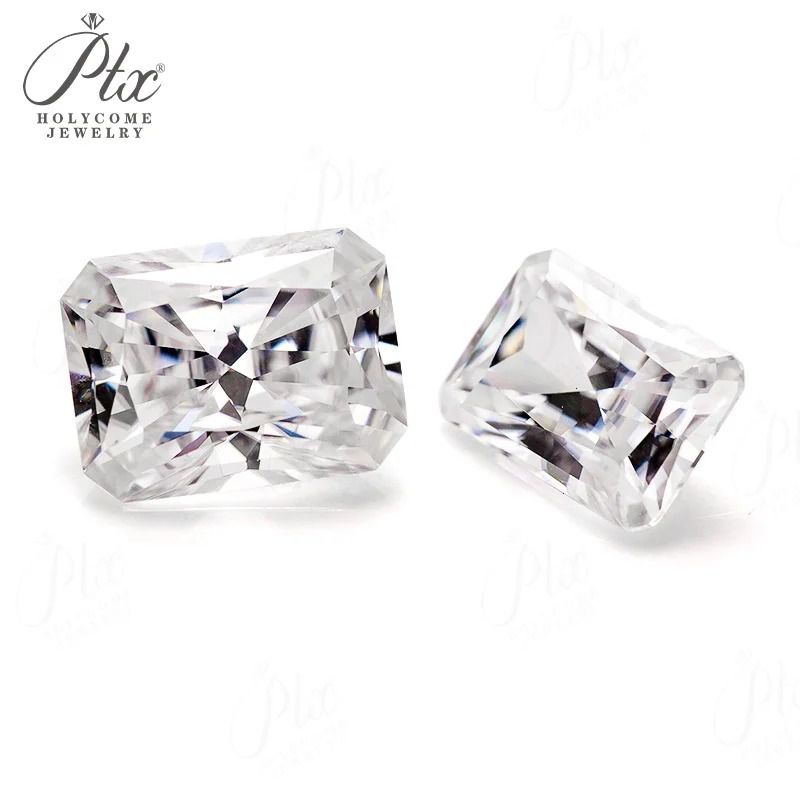
- Emerald and asscher - sparse. Buy to order, not to stock.
mm sizing and carat equivalents
Because moissanite is lighter than diamond, size by measured diameter. The round equivalents below are the ones your staff should print and tape inside the cabinet.
| Diameter | Shape | Diamond equivalent | Wholesale price band (D VVS1, GRA) |
|---|---|---|---|
| 3.0 mm | Round | 0.10 ct | $3 - $5 |
| 5.0 mm | Round | 0.50 ct | $10 - $16 |
| 6.5 mm | Round | 1.0 ct | $18 - $30 |
| 7.5 mm | Oval | 1.5 ct | $30 - $48 |
| 8.0 mm | Round | 2.0 ct | $32 - $55 |
| 7x5 mm | Cushion | 1.0 ct | $20 - $34 |
Batch color: the trap that costs you
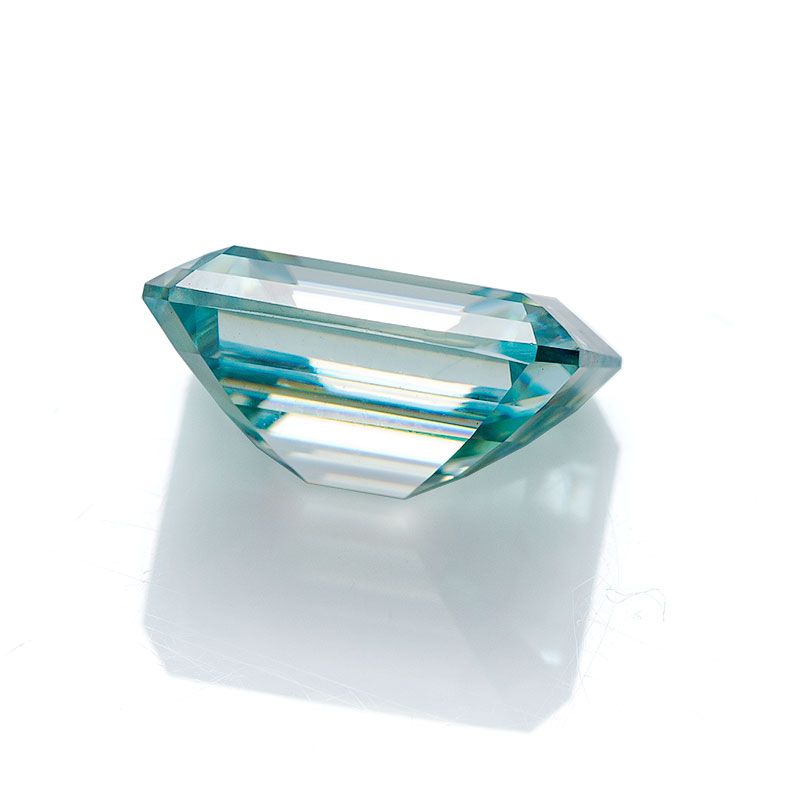
The single most common complaint from new buyers is 'the second batch looked warmer than the first.' That happens because moissanite production runs vary by lot, and 'D color' on paper is not always D color face-up on your bench. We hold every batch to a master comparison stone, and we photograph the face-up result under daylight-balanced light before dispatch. When you open your first order, set every stone next to a known reference under a daylight lamp. If three or more of them drift visibly warmer, send the batch back rather than discounting them into your case.
MOQ and lead time
Our loose-stone MOQ is ten pieces per size per shape, and mixed sizes are welcome in that ten. In-stock rounds dispatch in three to seven business days; custom cuts or large orders over 200 pieces run 15 to 25 days. If you are building a custom commission workflow, order the center stone two weeks before the mount is ready, because the stone is the component that is hardest to rush.
You can review the current graded stock inside our wholesale loose stone range before you place a trial order.
Start with a sample order, not a container
The costliest mistake a new buyer makes is committing to a full container of one size on the first order. Moissanite batches vary, and the only way to know how a specific lot reads on your bench is to hold it. We suggest opening with a ten-stone sample order across the three sizes you actually plan to set - say four 6.5mm, three 5mm, and three 4mm - and grading the batch yourself under a daylight lamp before you reorder. The sample costs you less than one finished ring would at retail, and it tells you whether our color sits where you need it to. Most retailers reorder within two weeks of the sample; the ones who do not usually discovered they wanted a slightly different size mix, which is a cheap lesson.
Storing loose stones between orders
Loose stones are small, easy to lose, and easy to mix up. Keep each size in its own sealed bag with the GRA card inside, and write the measured diameter on the bag with a permanent marker the day it arrives. When you pull a stone for a custom setting, weigh it on a digital scale before it goes into the head; if the finished piece ever comes back for a reset, you will know exactly what stone is in it. That thirty-second habit prevents the most awkward moment in a jewelry store - opening a repaired ring and not being able to tell the customer what came out of it.
Frequently Asked Questions
Is moissanite a good diamond alternative for retail buyers?
Yes for price-sensitive customers who want brilliance and hardness. Moissanite ranks 9.25 on the Mohs scale, holds up to daily wear and costs a fraction of a natural diamond of the same size, so it resells fast in bridal and fashion lines.
What is the minimum order for wholesale moissanite?
MOQ starts at 50 pieces per design for stock items. Custom cuts and private-label settings usually start at 100–300 pieces depending on the mold.
Do you provide certificates with moissanite stones?
Yes. Every parcel ships with GRA or IGI documentation listing carat weight, color grade and cut. We recommend passing the certificate to your end customer for trust.
How long does sample and bulk production take?
Samples ship in 3–5 days. Bulk runs take 15–20 days under 500 pieces, and 25–30 days for custom work.
Send your spec sheet — stone, cut, size, plating and quantity — and we will return a costed timeline.
Ask the workshop