Loose Stones
Asscher-Cut Moissanite Loose Stones: Buyer's Guide
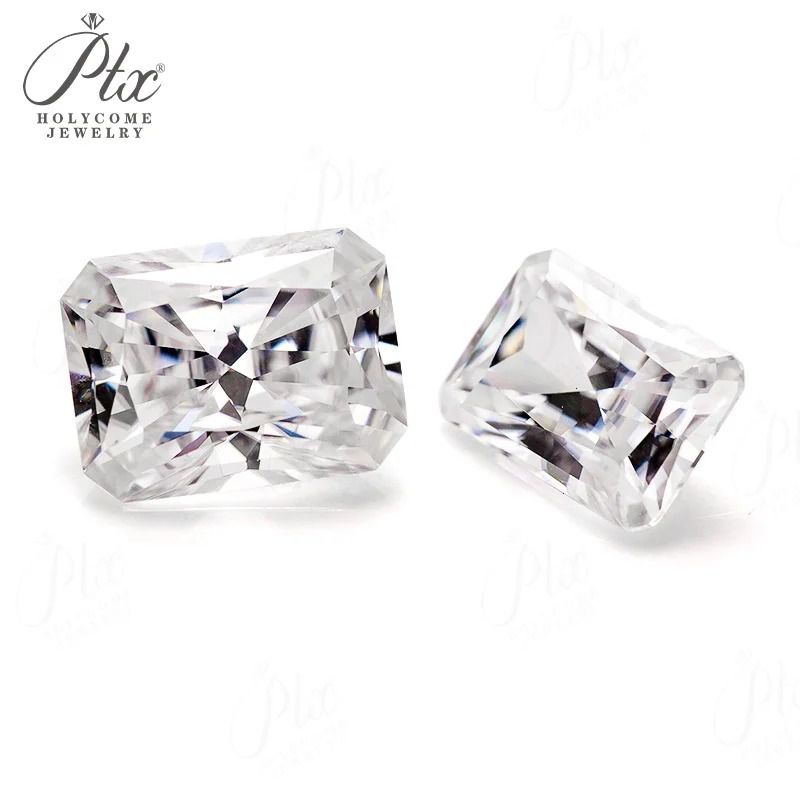
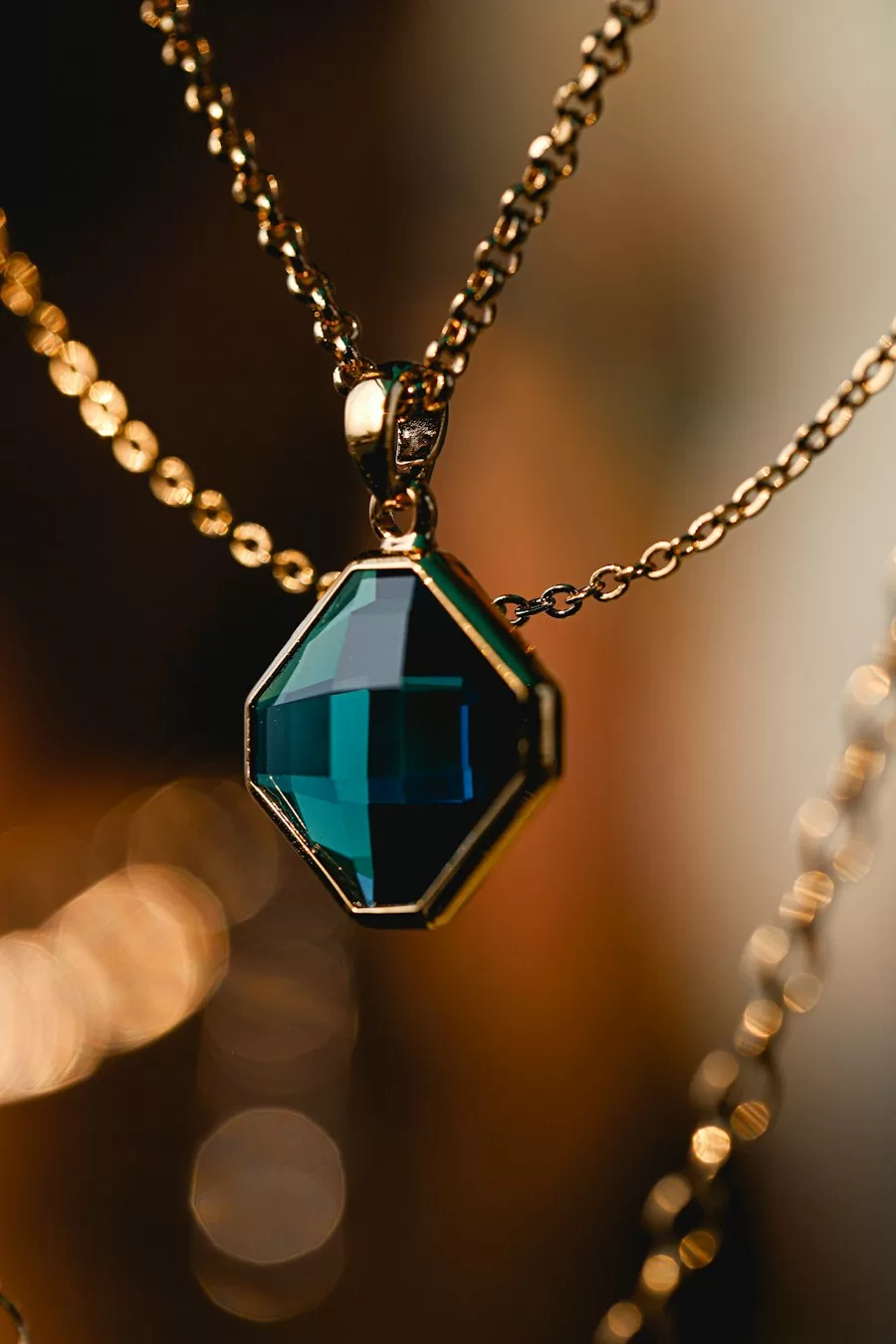
Among the moissanite shapes, the asscher cut is the one most likely to stop a browser in their tracks. A square step-cut stone with deeply cropped corners and concentric rows of facets, it looks more like a tiny Art Deco window than a traditional sparkling stone. That dramatic, geometric character is exactly why it has found a loyal following among brides who want a ring that does not look like everyone else's.
What an asscher cut actually is
The asscher is a step cut, meaning its facets run in parallel rows rather than radiating out from a center like a round brilliant. Step cuts show clarity over fire: instead of scattering rainbow flashes, they play light across broad, flat planes. The signature look is the “open culet” and the layered optical effect that makes the stone look deeper than it is.
Compared with the shapes most buyers already know, the asscher sits closer to emerald cut than to cushion. Our round, oval, pear, emerald, and princess comparison shows where step cuts and brilliant cuts diverge, and the asscher leans fully into the step-cut side of that divide.
What to look for when buying loose asscher moissanite
Because step cuts display clarity openly, every internal inclusion or color tint is more visible than it would be in a round brilliant. For a white asscher, that means buying at the top of the color range—D or E equivalent—and a clarity grade that reads eye-clean. A lower grade that looks fine in a round can look busy in an asscher. This is the same principle behind the D-color VVS moissanite buyer guidance, and it applies even more strictly to step cuts.
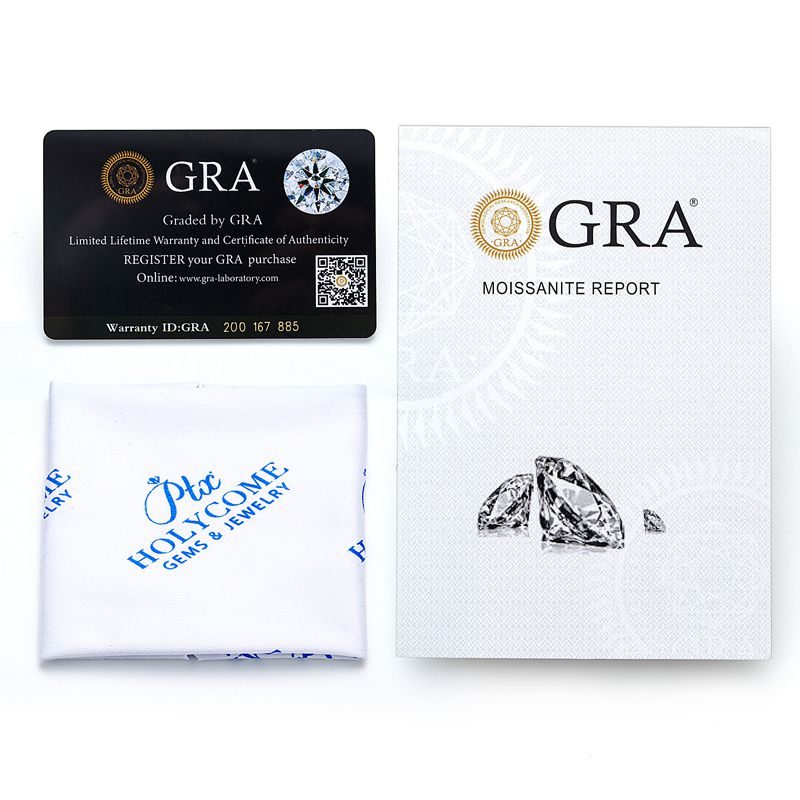
Look also at the square proportions. A true asscher is nearly square, with a slightly wider table than a princess cut. Cropped corners should be even on all four sides; uneven corners are a sign of rough cutting. Confirm the stone comes with its GRA or equivalent lab report, so the grade you paid for is documented.
How to set an asscher
An asscher takes beautifully to a bezel or a four-corner prong setting that grips the cropped corners. Because the stone is square and architectural, it pairs naturally with vintage and Art Deco mounting. A slim bezel softens the corners into a clean octagon; four corner prongs leave the step facets fully visible. Many bridal jewelers set asschers into custom mounts built to the stone's exact dimensions, since off-the-shelf square settings often fit a princess better than an asscher.
Sizing and price expectations
Asscher moissanite is priced by mm size like other fancy cuts, typically landing between round and cushion in the price ladder. A six-to-seven-millimeter asscher is a comfortable everyday size; eight millimeters and above reads boldly and suits a bride who wants a statement. Because the cut displays so much stone surface, an asscher often reads larger on the finger than its mm size suggests, which buyers appreciate when they compare price-per-tier value.
The bottom line
The asscher cut is not for every bride. It rewards a buyer who loves geometry, vintage detail, and a quieter, more architectural kind of sparkle. For jewelers, carrying a small parcel of eye-clean, top-grade asschers fills a niche that round and oval stock cannot reach—and it gives a specific kind of bride a ring she will not see on her friends.
When you carry asschers, pair them with the certificate and a loupe on the counter so buyers can inspect the step facets themselves. The cut's appeal is visual and structural, and seeing the open culet and the mirrored rows in person is what converts a browser. It is a niche stone, but the brides who want it usually want nothing else once they see it.
Stocking even two or three asschers across the common sizes also lets a shop say yes to custom orders that would otherwise go elsewhere. Many brides arrive asking for a cut they have only seen on a ring online, and having the stone in hand to show them turns a vague request into a sale.
Pairing the cut with the right metal and mount
An asscher's step facets pick up the color of the metal around them more readily than a round brilliant does. White gold or platinum keeps the stone looking ice-clear, while a warm yellow gold bezel softens it into a vintage, Art Deco feel that many brides specifically seek. Because the cut already has strong geometry, we keep the mounting quiet: four corner prongs or a thin bezel rather than a busy halo, so the hall-of-mirrors effect stays the star. Carrying a small selection of mounts already shaped for cropped corners also speeds up custom orders, since the jeweler is not inventing a setting from scratch for every sale.
Gemstone grading terminology used here follows the Gemological Institute of America’s gem encyclopedia.
Frequently Asked Questions
Is moissanite a good diamond alternative for retail buyers?
Yes for price-sensitive customers who want brilliance and hardness. Moissanite ranks 9.25 on the Mohs scale, holds up to daily wear and costs a fraction of a natural diamond of the same size, so it resells fast in bridal and fashion lines.
What is the minimum order for wholesale moissanite?
MOQ starts at 50 pieces per design for stock items. Custom cuts and private-label settings usually start at 100–300 pieces depending on the mold.
Do you provide certificates with moissanite stones?
Yes. Every parcel ships with GRA or IGI documentation listing carat weight, color grade and cut. We recommend passing the certificate to your end customer for trust.
How long does sample and bulk production take?
Samples ship in 3–5 days. Bulk runs take 15–20 days under 500 pieces, and 25–30 days for custom work.
Send your spec sheet — stone, cut, size, plating and quantity — and we will return a costed timeline.
Ask the workshop