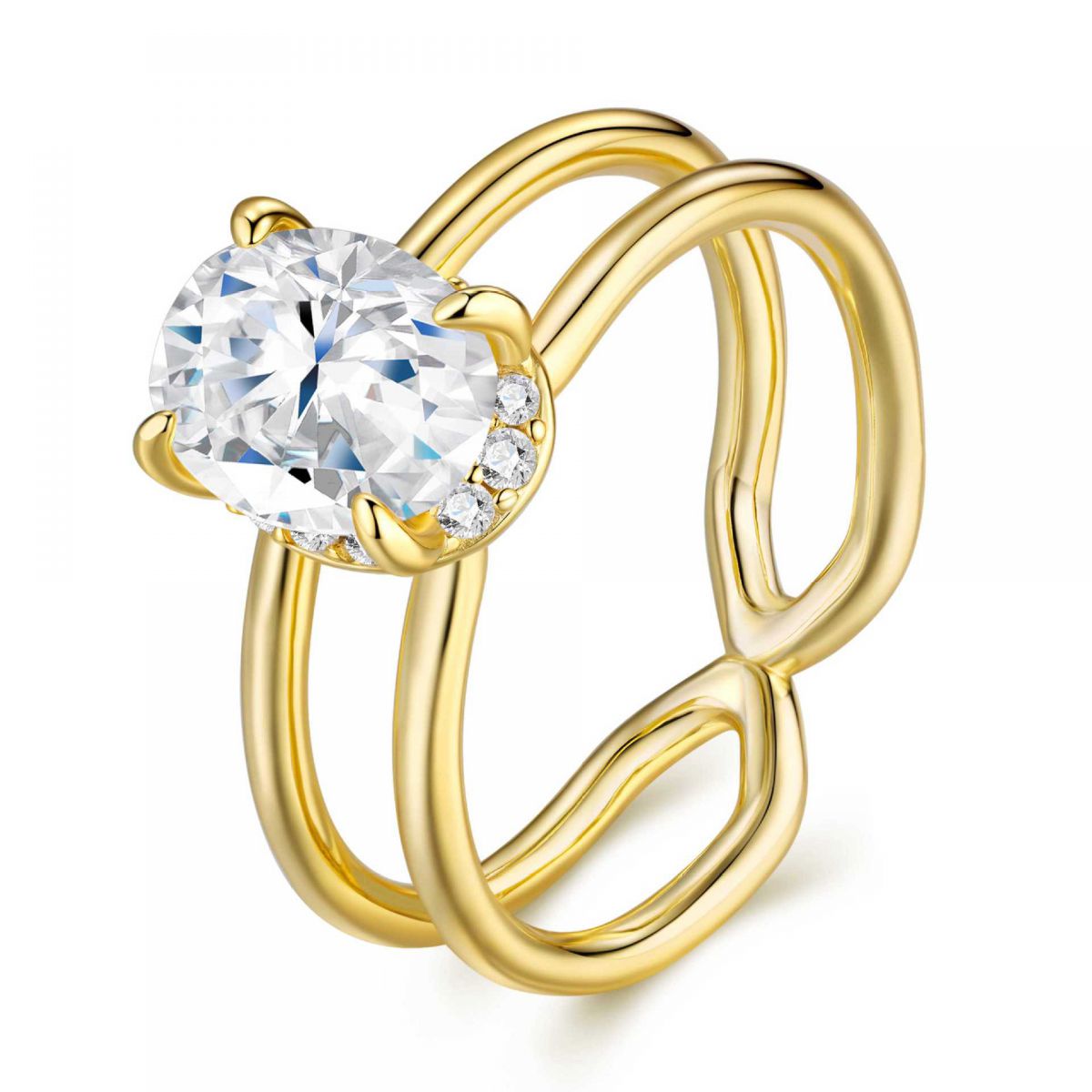
925 Sterling Silver Jewelry Wholesale Buying Guide
Boutique owners, online sellers, and retail jewelry stores consistently ask how to source 925 sterling silver jewelry at wholesale without running into the quality problems that eat margins: thin plating that wears through in weeks, posts that bend, stones that fall out, clasps that break, nickel in the alloy that causes customer reactions, and inconsistent sizing across bulk orders. A gift shop in Miami ordered 300 sterling silver stud earrings from a very low-price online supplier in 2024. Within two months, 22 customers returned pairs because the posts bent easily, several pairs showed green skin discoloration (indicating copper exposure or nickel in the plating), and one pair arrived from the factory with posts soldered crookedly. The shop owner learned the hard way that $1.80 sterling silver studs on an online wholesale marketplace are not the same product as $4.50 studs from a reliable silver manufacturer. Wholesale 925 silver buying rewards knowing alloy standards, plating thickness, stamping, and supplier signals that correlate with quality. This guide covers what to look for when buying sterling silver at wholesale, MOQ structures, quality testing, plating standards, and common red flags.
What "925 Sterling Silver" Actually Means
Sterling silver is legally defined in the United States under the FTC Jewelry Guides as an alloy containing at least 92.5% pure silver (925 parts per thousand) with the remaining 7.5% typically being copper (added for hardness—pure silver is too soft for jewelry). Pieces marketed as "925 sterling silver" must meet this standard, and reputable suppliers stamp every piece "925" or "S925" as required by law. For composition and history, see the sterling silver entry on Wikipedia.
Variants to understand at wholesale:
- 925 sterling: Standard 92.5% silver / 7.5% copper (most common for US and EU jewelry).
- 925 with nickel-free alloy: Uses copper + zinc or silicon in the 7.5% instead of copper + nickel; required for EU sales under REACH nickel regulations and recommended for all US pieces sold to people with sensitive ears. Nickel in the alloy is the most common cause of jewelry skin reactions.
- 930 Argentium silver: Higher-silver alloy (93.5%) with germanium instead of some copper; tarnish-resistant and brighter but more expensive; niche product for premium lines.
- "Thai silver" / "Hill Tribe silver": Typically 95-99% pure silver from artisan production; softer than 925, higher silver content, higher labor cost; a niche ethnic category, not standard 925.
Cheap "sterling silver" jewelry from unscrupulous suppliers can be silver-plated brass or copper (silver plate 1-5 microns thick over base metal) stamped "925" fraudulently. Always verify silver purity with random acid testing or XRF testing when working with a new supplier.
Plating Standards: Rhodium, Vermeil, and E-Coating
Most retail sterling silver jewelry today has plating applied. Plating thickness matters enormously for how long the piece stays bright.
| Plating Type | Typical Thickness | Wear Life (Daily Wear) | Wholesale Price Effect |
|---|---|---|---|
| Silver (unplated, polished) | N/A | Tarnishes naturally; needs polishing | Base |
| Rhodium plate (bright white) | 0.5-3.0 microns | 2-12 months; thinner plate wears fast | +3-10% vs unplated |
| Gold vermeil (gold over sterling) | 0.5-5.0+ microns (FTC: min 2.5 micron 10K+ for vermeil label) | 6 months-3 years depending on thickness | +10-30% vs silver |
| E-coating (electrophoretic lacquer) | Thin clear lacquer | Slows tarnish for pieces in storage; wears off with wear | +1-3% |
| 0.5-2.0 microns | 3-9 months | +5-15% |
Critical point for wholesale buyers: plating thickness of 0.5 microns rhodium (or vermeil) will show wear in weeks. Pieces intended for daily-wear retail should specify 2-3 micron rhodium (premium plate) for 6-12 months of bright white finish before re-plating is needed. Suppliers who cut plating thickness to reduce cost produce pieces that look cheap quickly and cause returns. Ask plating thickness in writing when ordering; suppliers who cannot specify a micron number are likely using thin plate.
Quality Checks to Perform on Incoming Wholesale Silver
When you receive a silver shipment (whether first order or repeat), perform these checks before accepting:
- Stamping check: Every piece must be clearly stamped "925" or "S925" (typically on the inside of rings and bracelets, on the clasp or tag of necklaces, on earring posts). Missing stamps mean the piece is not legal for retail sale as sterling silver in the US.
- Acid test: Use a silver acid testing kit on a random 5% of each shipment to confirm 925 purity (sterling silver acid turns deep red on 925; red-brown on 90%+, green on lower content). For ongoing supplier relationships, a single XRF test per new product line costs $30-50 and definitively confirms alloy composition.
- Weight check: Thin, hollow, or lightweight silver pieces bend, dent, and feel cheap. Expect minimum weights for common products: stud earrings (1.0ct equivalent CZ) should weigh 1.2g+ per pair; 2mm band rings should weigh 1.8g+; 18" cable chains 1.0mm thick should weigh 2.5g+.
- Stone setting check: Check stones in settings—prongs should be tight (no wiggling stones), bezels should be smooth and fully seated, glue settings should not have visible excess glue. Tug gently on earring posts and jump rings to check solder joints.
- Closure check: Test every lobster clasp, spring ring, and earring back for secure closure and smooth action. Bad clasps are the most common functional defect in wholesale silver.
- Finish check: Pieces should be uniformly polished (no visible file marks, no polishing compound residue), plating should be even (no patchy yellow/bare spots), anti-tarnish coating should not look cloudy.
- Nickel test: Use a dimethylglyoxime nickel test kit ($10-20 online) on 5% of pieces from a new supplier to confirm REACH-compliant nickel-free status, especially for earrings and rings worn next to skin.
- Size check: Rings should be true to US ring size (mandrels are cheap); chains should measure within 0.5" of stated length; post lengths for earrings should be 10-12mm standard.
Catching defects on arrival rather than at the customer's finger is the difference between profitable silver retail and returns eating your margin.
MOQs, Pricing, and Categories
Wholesale sterling silver pricing varies enormously by weight, stone content, construction, and origin. Typical 2026 wholesale pricing for common categories:
- Sterling silver studs (CZ, 3-8mm): $1.80-6/pair wholesale; MOQ typically 20-50 pairs per size/style.
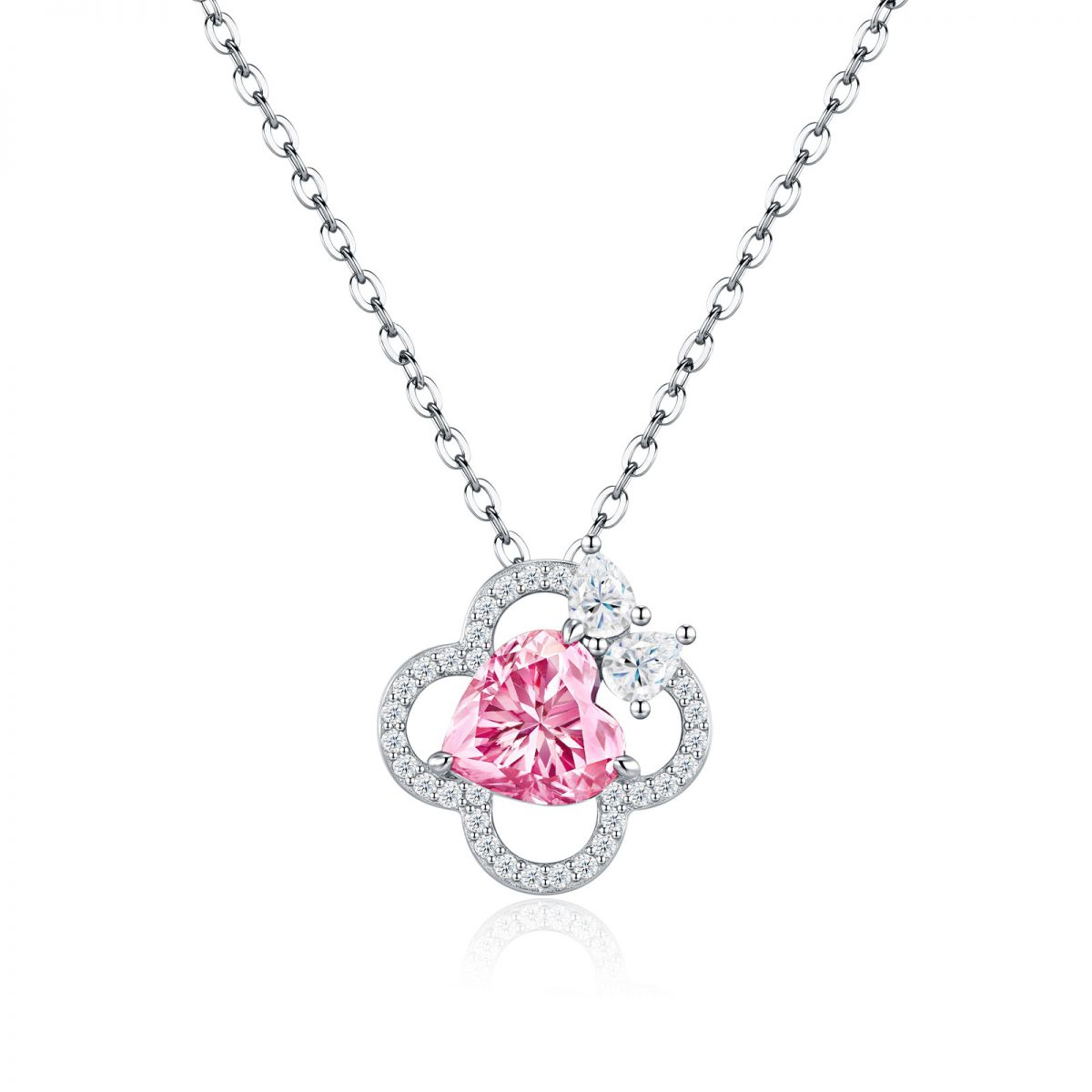
- Sterling silver necklaces (simple chain + pendant/CZ): $3.50-18/piece wholesale; MOQ 20-50 pieces.
- Sterling silver rings (bands, simple designs): $3-15/piece wholesale; MOQ 20-50 rings per style/size.
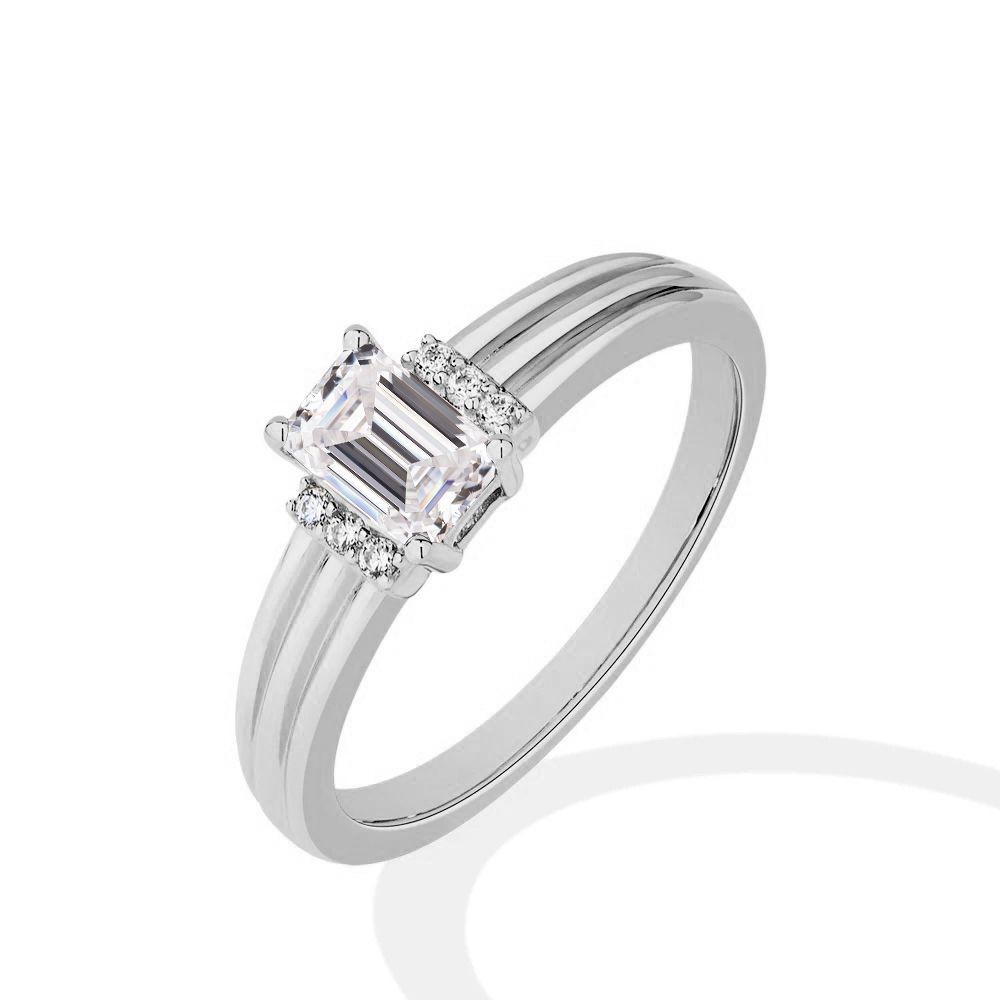
- Sterling silver rings (CZ/moissanite bridal designs, rhodium plated): $8-40/piece wholesale; MOQ 20-30 rings per style.
- Sterling silver bracelets (chain, tennis, bangle): $4-25/piece wholesale; MOQ 20-30 pieces.
- Sterling silver hoop earrings: $2.50-12/pair wholesale depending on diameter and thickness; MOQ 20-50 pairs.
These prices are for genuine 925 with proper rhodium plating. Prices significantly below these ranges should trigger suspicion about alloy or plating thickness; prices well above suggest retail markup layered in. Bulk pricing (orders over $5,000) typically discounts 5-15% off list wholesale; orders over $20,000 can command 15-25% discounts from direct manufacturers.
Lead Times and Production
Lead times differ based on whether the supplier sells from stock or produces to order:
- In-stock wholesale silver: ships 3-10 days from most China-based wholesalers, 1-5 days from US-based distributors (higher prices).
- Made-to-order production (custom designs, logo stamping, custom stones): 20-35 days by sea freight, 5-10 days by air freight at higher cost.
- Holiday peak (September-November for Christmas gifting): lead times stretch 5-10 days longer; order by early September for holiday retail.
Plan 60-90 days ahead for holiday orders to allow for production, quality inspection, shipping, and your own retail merchandising.
Supplier Red Flags to Watch
- Prices 30%+ below typical wholesale for the category without explanation (likely underweight, thin plating, or not real 925).
- No 925 stamp on pieces, or stamps only on tags (not on the piece itself).
- No nickel-free certification for EU/REACH sales.
- Plating thickness not specified in microns when asked.
- MOQs under 5-10 pieces for "wholesale" pricing (usually resellers, not direct manufacturers).
- Stock photos that look too perfect/identical across multiple supplier sites (likely generic catalog photos rather than actual factory photos).
- No inspection return window—legitimate wholesale suppliers offer 3-7 days to inspect and defect-return.
- Pressure to pay via Western Union or personal bank transfer instead of credit card/trade assurance/PayPal (higher fraud risk).
Frequently Asked Questions
Q: How can I tell if "925" stamped jewelry is real sterling silver?
Stamping can be faked. Definitive verification requires acid testing (silver test kit, ~$15 online) or XRF testing (professional gun ~$30/test at most jewelry supply shops). Magnet testing rules out magnetic base metals but does not confirm silver content—silver itself is non-magnetic, but many non-silver alloys are also non-magnetic.
Q: What's the difference between 925 silver and 925 silver plated?
Solid 925 silver means the entire piece is 92.5% silver alloy. Silver-plated means the piece is base metal (brass, copper, zinc alloy) with a thin layer of silver electroplated onto it—usually 1-10 microns. Silver plate wears through, tarnishes from underneath, and cannot be sold as "sterling silver." If a price seems too good for solid sterling, it is probably plate.
Q: Can I get my logo or brand stamp on wholesale silver?
Yes. Most silver manufacturers offer custom stamping/laser engraving of your brand logo at order time; MOQ is typically 50-100 pieces per style for custom logo stamping. Expect a one-time mold or setup fee of $30-100 for first orders.
Q: Is sterling silver jewelry hypoallergenic?
Sterling silver with nickel-free alloy and high-quality rhodium plate is one of the most hypoallergenic common jewelry metals, safe for the vast majority of people with metal sensitivities. Problems arise when cheap silver uses nickel in the alloy or thin plating wears through to reveal copper next to skin. Always request nickel-free REACH-compliant silver for pieces sold as hypoallergenic.
Q: How much should I mark up wholesale silver for retail?
Keystone (2.2x-3x wholesale) is standard for sterling silver fashion jewelry in boutique and gift retail, giving 55-65% gross margins. Bridal and designer silver lines carry 3x-4x markup; basic commodity silver (simple studs, basic chains) often sell at keystone (2x) due to price visibility online.
Q: What does "tarnish-free" or "anti-tarnish" silver mean?
Most "tarnish-free" silver has an e-coat (clear electrophoretic lacquer) or a rhodium plate that slows tarnish. It does not mean the silver will never tarnish—coating wears off with use over 6-18 months, after which normal silver care applies. Argentium silver is inherently more tarnish-resistant than standard sterling due to germanium in the alloy.
Key Takeaways
- Real 925 sterling is 92.5% silver with 7.5% alloy; always verify 925 stamping and spot-test with acid or XRF with new suppliers.
- Plating thickness in microns matters enormously—thin rhodium/vermeil plate wears through in weeks; specify 2-3 microns minimum for daily-wear pieces.
- Nickel-free REACH-compliant alloy is a must for sensitive-skin customers; verify with a nickel test kit.
- Inspect incoming shipments for stamping, weight, stone tightness, clasps, finish, and size consistency before accepting.
- Prices 30% below market should trigger suspicion—there is no free lunch in silver quality.
- Order holiday inventory 60-90 days in advance; start small with a new supplier and scale as quality is confirmed.
Sterling silver is one of the best-selling, highest-margin categories in jewelry retail—but quality varies more than in most other categories. The difference between profitable silver retail and a returns problem is choosing suppliers who specify alloy, plating thickness, and stamping in writing, and verifying every shipment when it arrives.
Related Reading
- Start a Jewelry Business Wholesale Guide - HOLYCOME
- Lab Grown Diamonds Wholesale Bulk Buying Guide - HOLYCOME
- Wholesale Moissanite Buying Guide for Retailers - HOLYCOME
Related reading: Wholesale Sterling Silver Jewelry 925 Bulk Supplier for Retailers, 925 Sterling Silver Wholesale Buying Guide, 925 Sterling Silver Wholesale: Wholesale Buying.
Send your spec sheet — stone, cut, size, plating and quantity — and we will return a costed timeline.
Ask the workshop