Earrings
The Wholesale Bridal Earrings Guide: What Boutiques Actually Sell
Bridal earrings are the easiest attach sale in a bridal case and the easiest thing to overbuy. A buyer can walk a catalog and fall in love with chandeliers that sit in the tray for eighteen months. This guide separates the earring styles that actually sell through to brides from the ones that look beautiful on a model and never leave the box.
The four styles that move
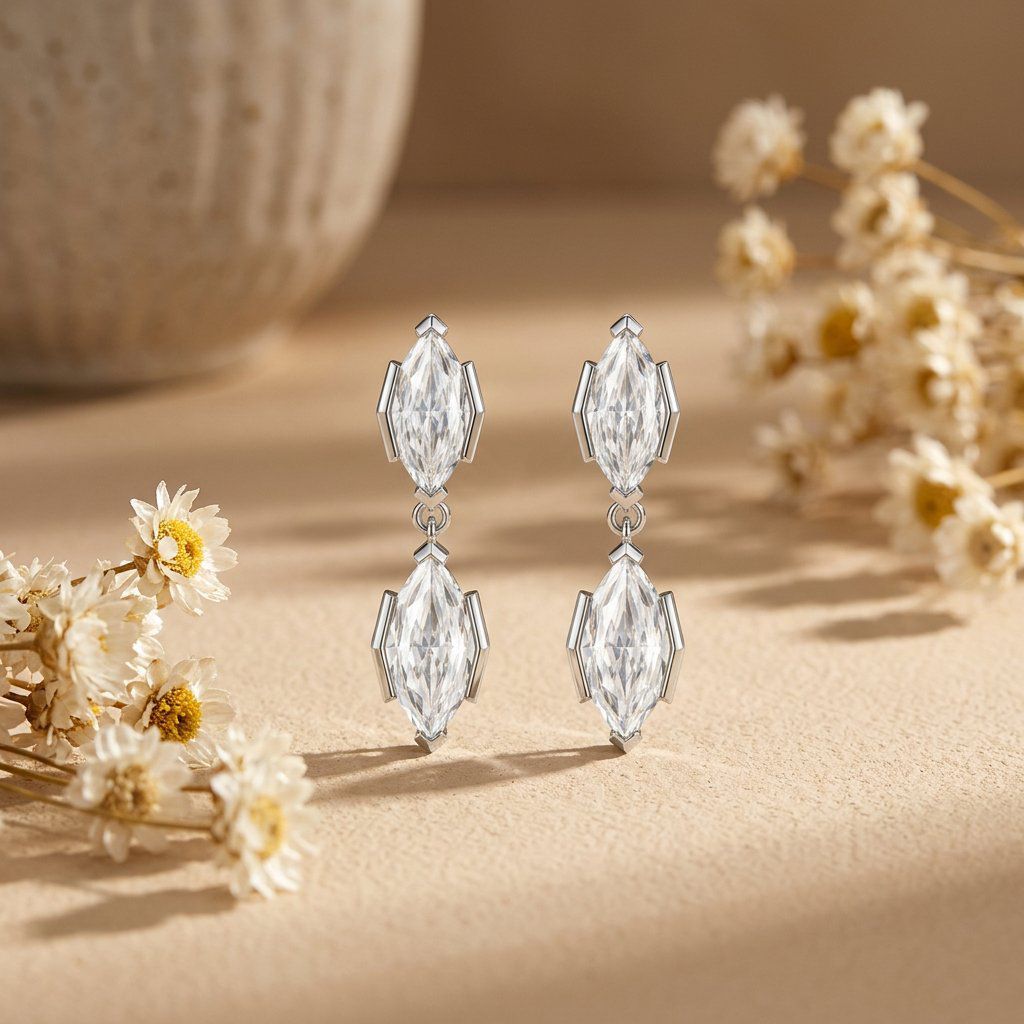
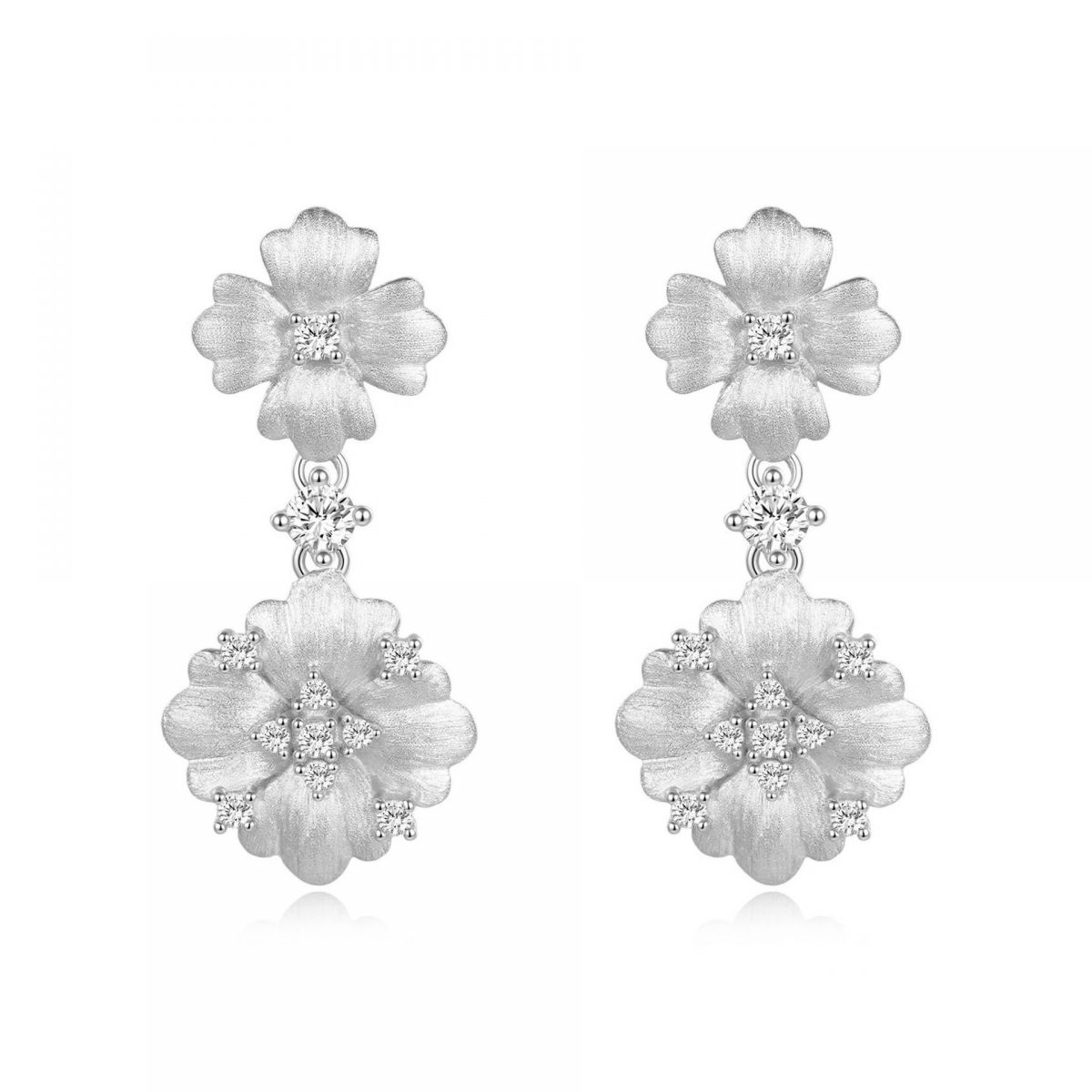
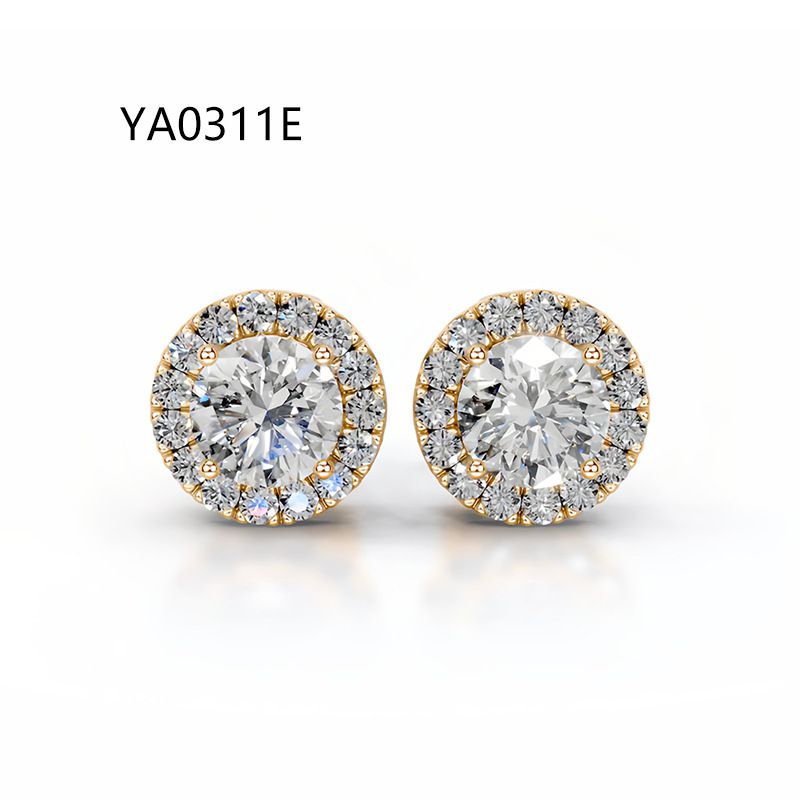
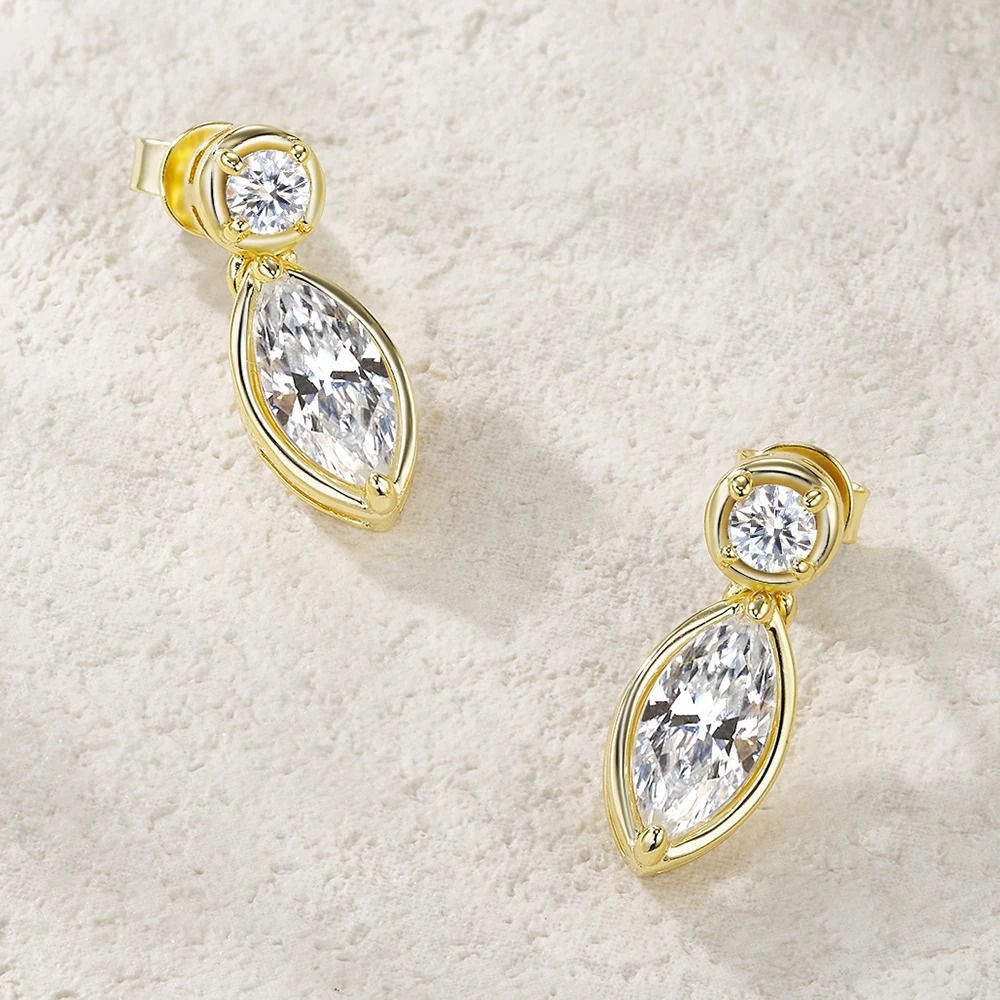
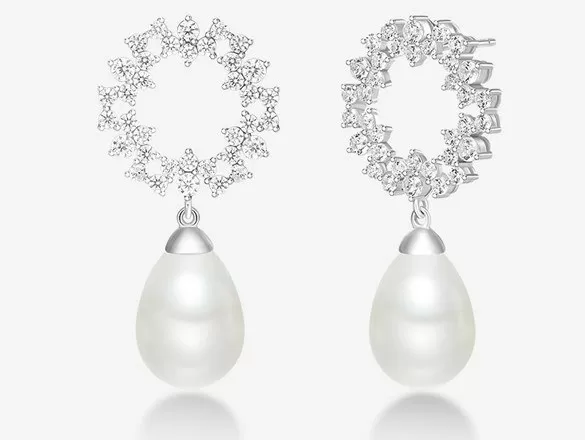
Studs are the workhorse. A round or cushion moissanite stud pair in 6 to 8 mm moves to engagement buyers, brides, and bridesmaids all year. Drop earrings sell strongest to the bride herself — a single stone on a short drop reads elegant against an updo. Huggie hoops sell to the modern bride and to the post-wear customer who wants something she will wear again. Jacket earrings, where a stud pairs with a detachable drop, sell as a two-looks-in-one upsell to the bride who wants ceremony and reception options. Chandeliers are beautiful but slow; stock one or two at most, never build the buy around them.
Metal choice follows the rest of the bridal case
If your engagement ring case leans white gold, stock white-metal earrings to match. Warm-metal earrings read yellow next to a white-gold halo and brides notice. Where your case is mixed, split the buy roughly two to one white to yellow, because white metal still dominates bridal photography. Rose gold is a fashion accent, not a foundation — buy one earring style in rose and reorder only if it moves.
Posts, backs, and the earlobes that wear them
Most bridal earrings need pierced posts with friction backs or screw backs. Screw backs feel secure to anxious brides wearing a five-hundred-dollar piece on their wedding day and are worth the upsell. For clients who cannot wear posts, a clip-on converter is a service gesture, not a sales category — keep a handful on hand rather than stocking clip-on styles. One detail buyers miss: sterling silver posts can irritate sensitive ears. Stock at least one hypoallergenic option in surgical steel or 14K posts for the bride who mentions metal sensitivity.
Weight matters more than it should
A drop that looks light on the page can pull an earlobe down by ten in the morning, and that complaint comes back to you. Ask the supplier for the actual gram weight per pair, not just the stone size. Under four grams per pair is comfortable for all-day wear; above six grams, expect return or exchange requests. Chandeliers live in the heavy zone, which is the second reason they move slowly. If a style you love runs heavy, ask whether the factory can build it on a lighter post or a hollow back; a small construction change often removes the weight problem without changing the look.
Card the tray for the gown, not for the earring
Brides shop earrings by the dress, so merchandise the tray that way. Group studs on one card, short drops on another, and long drops on a third, with a small handwritten note on each card suggesting the neckline it suits. A bride who sees "sweetheart and V-neck" next to a drop already imagines herself wearing it. Cards also protect the stock: earrings on cards survive the counter handling that loose pairs do not, and they make the tray look curated rather than dumped.
Pair earrings with the neckline
Brides shopping a gown with a V-neck or sweetheart neckline can wear a statement drop; strapless and off-the-shoulder gowns open the face and suit longer earrings. High-neck or bateau gowns favor studs or small huggies, because a long drop competes with the fabric. A trained associate asks about the gown before showing the earring tray, and that single question closes more sales than any discount. Merchandise the tray in that order: studs forward, drops behind, huggies at the side. Asking about hair matters too: an updo shows the earlobe and earns the drop, while long hair worn down hides everything but a stud. The bride who wears her hair down all day will not wear chandeliers, and telling her that honestly builds trust.
Price the bridal box, not just the earring
The highest-move earring buy is a small tiered set: studs as the everyday piece, a drop as the wedding piece, and a huggie as the going-away piece. Price them so the three-piece box feels like a deliberate upgrade rather than three separate charges. Brides buy the box; they think they are buying the drop. Build the tray so the upsell is visible on the same card.
Bridal earrings reward buyers who resist the glamorous end of the catalog. Lead with studs, drops, and huggies, match metal to the ring case, check the gram weight, and pair each style to a gown neckline. Explore our bridal earring collection for the stocked SKUs boutiques reorder each season.
For third-party reference, the Wikipedia article on moissanite details moissanite’s discovery, optical properties and use in jewelry.
Frequently Asked Questions
What ring sizes can you supply in bulk?
US sizes 5–12 including half sizes. Send a size breakdown with your order and we cast to that curve; comfort-fit inner bands reduce resize requests.
Can I order a mixed size run instead of one size?
Yes. Mixed runs are standard for wholesale: specify quantity per size and we pack and label by size at no extra labor cost.
What is the MOQ for custom ring designs?
50 pieces per design for existing molds; 100–300 pieces when a new mold or CAD model is required.
How should I price rings for retail margin?
Most partners use a 3–4x markup on FOB cost for sterling and 2.5–3x for moissanite solos, which keeps landed cost under 30% of retail.
Send your spec sheet — stone, cut, size, plating and quantity — and we will return a costed timeline.
Ask the workshop