Bridal Sets
Planning a Wholesale Bridal Collection: A Buyer's Six-Month Checklist
A bridal collection is not a catalog purchase; it is a six-month bet on a wedding season. Boutiques that buy reactively — a tray of rings here, a box of earrings there — end up with a case that looks full and sells nothing. Boutiques that plan the buy on paper first, then order against the plan, turn faster and carry less dead stock. The checklist below is the planning sheet experienced buyers use.
Split the budget before you open the catalog
Decide in advance what share of the bridal budget goes to each category. A working split for a small boutique: roughly forty percent engagement rings, twenty percent wedding bands, fifteen percent bridal sets, fifteen percent earrings, and ten percent split between necklaces and bracelets. The exact numbers follow your floor — a store heavy on bands shifts that split — but committing the numbers on paper prevents the catalog from spending the money for you. When a new shape catches your eye during ordering, check it against the split; if earrings are already at fifteen, the chandelier waits until next season.
Time the buy to the wedding calendar
Bridal sales peak in the run-up to spring and fall wedding season and in the two months before major proposal holidays. That means the order must land eight weeks ahead of each peak, not during it. A buy placed in late January stocks the spring bride. A buy placed in late July stocks the fall bride. Ordering during the peak itself means selling whatever happened to be in the case, which is how a store ends up discounting leftover summer pieces in October.
Depth versus breadth: the 80/20 restock
The opening buy should be broad enough to show range but shallow enough that every piece can sell. The reorder buy is where depth happens. After the first season, look at what actually sold and restock those SKUs deeper; cut the pieces that sat. Roughly twenty percent of the assortment will drive eighty percent of the sales. Buyers who chase novelty on the reorder spend the cash that should have gone to the winners. Plan the reorder around last season's receipts, not next season's catalog.
Plan the open-to-buy, not just the first order
Leave a cushion in the budget for reorders. A buyer who spends the entire seasonal budget on day one has no cash when a halo sells out in March and the bride wants another in April. Hold fifteen to twenty percent of the bridal budget as open-to-buy for in-season replenishment. That cushion is the difference between a store that can reorder a winner and a store that tells a bride to wait six weeks. Track sell-through weekly against the plan, not at season end; a style that moves faster than expected earns an early reorder, and a style that stalls earns an early clearance decision rather than a hopeful one.
Know your dead-stock rule
Set a rule before you start: any bridal SKU that does not sell through in two seasons moves out — to a trunk show, a bridesmaid bundle, or a clearance event — and its space goes to a new trial. Dead bridal stock ties up more than cash; it ties up case space that a winner could occupy. Boutiques that clear slow SKUs on a schedule consistently out-turn boutiques that hope next season will be different.
Build the display plan before the order lands
Where will each piece live? Engagement rings in the lighted case, bands in pairs, earrings on cards, pendants on a bust. A plan written on paper prevents a boxed-up tray sitting in the back office for a month while the buyer figures out the display. If the display is not ready when the shipment arrives, the sell-through clock already started.
Test new lines with a trunk show, not a buy
Every season a new shape or finish looks like it might be the next big thing. Do not bet the budget on it. Run a small trunk show or a consignment trial with the supplier, stock two or three pieces on approval, and watch which ones customers try on. The styles that get tried on and bought become next season's reorder; the styles that sit on the trunk table go back. Trunk shows also bring lapsed customers through the door, which is a second benefit on top of the market test.
Budget for the pieces you already know work
Boutiques over-plan for novelty and under-plan for the winners. By the time the second season rolls around, the data is clear: three or four SKUs drive most of the revenue. Those deserve the deepest buy and the best display real estate. Resist the urge to spend the novelty budget on pieces that have never sold in your market. The plan that wins is the one that funds the known winners, tests the unknown cheaply, and clears what does not move.
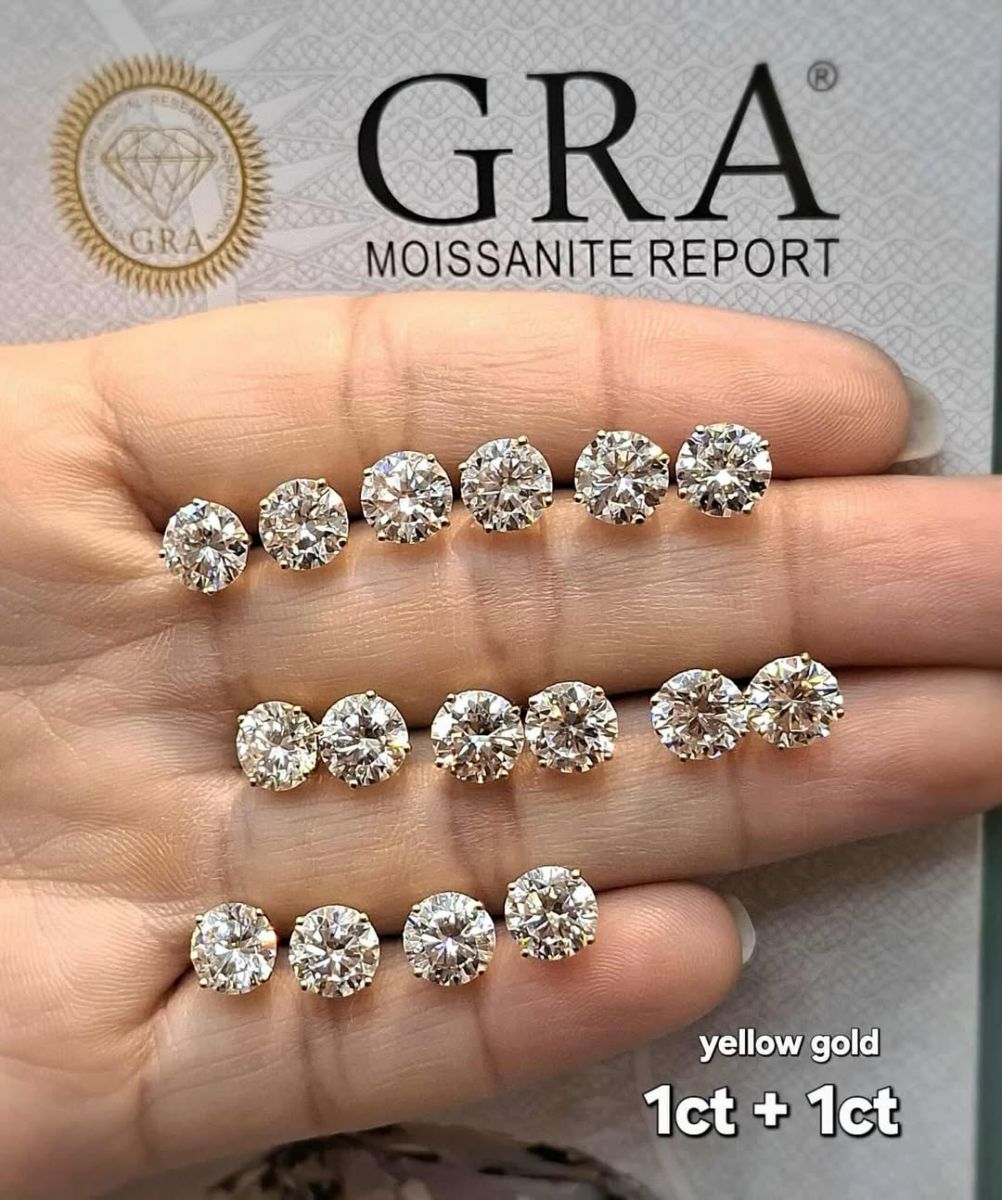
A planned bridal collection is a turnover plan wearing a catalog. Split the budget on paper, time the buy to wedding season, leave open-to-buy for reorders, and clear dead stock on a rule. See our bridal set assortment for the foundation pieces boutiques build each season around.
For third-party reference, the Wikipedia article on moissanite details moissanite’s discovery, optical properties and use in jewelry.
Frequently Asked Questions
How do I verify a factory before placing a bulk order?
Request a production video, business license, export records and a paid sample run. A factory that accepts a 50-piece test order is usually a real manufacturer.
What payment terms do you offer?
30% T/T deposit with the balance against the bill of lading. This protects both sides on first orders and can move to net terms after a track record.
What is your normal reject rate?
3–5% under 10x loupe inspection for cast and set pieces. Defective units are replaced free in the next shipment.
Where is the factory located?
Wuzhou, Guangxi, China—the core lab-grown and moissanite manufacturing cluster. Shipments go via Guangzhou or Shenzhen ports.
Send your spec sheet — stone, cut, size, plating and quantity — and we will return a costed timeline.
Ask the workshop