Bridal Sets
Bridal Sets That Mix and Match Metals: How to Sell Two-Tone With Confidence
A buyer in Seattle told us her brides used to come in asking for a matching set, then leave with a white gold engagement ring and a yellow gold wedding band because that is what they actually wanted to wear. The mismatch was not a mistake, it was a style. Mixed-metal bridal sets are now a deliberate request, and the boutiques that stock them sell more custom work than the ones that push a single-metal box. The trick is to teach buyers the one rule that keeps a two-tone stack looking intentional.
The 70/30 rule for mixed-metal sets
The rule is simple: one metal carries at least 70 percent of the visible surface, the other is the accent. A 14k white gold solitaire on a 14k yellow gold band reads as a white-gold ring with a warm underline. Flip it and you get a yellow gold ring with a cool outline. What looks cheap is when both metals split the finger fifty-fifty, because the eye cannot settle on a dominant tone. When you spec a mixed set, write down which metal is dominant on the order sheet so the bench builds it the same way every time. Our guide to metal color by skin tone helps brides pick which tone should lead.
The three combinations that resell
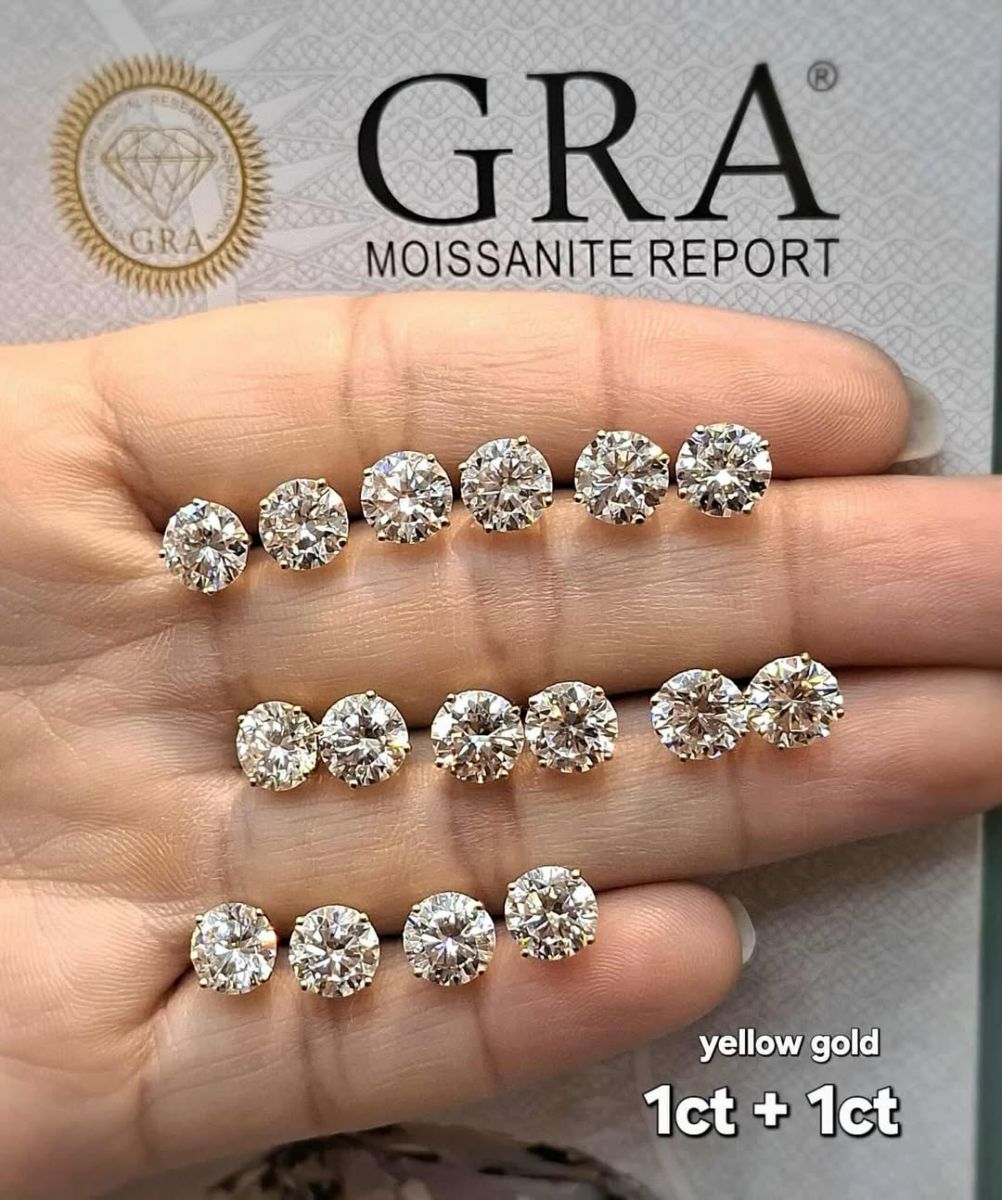
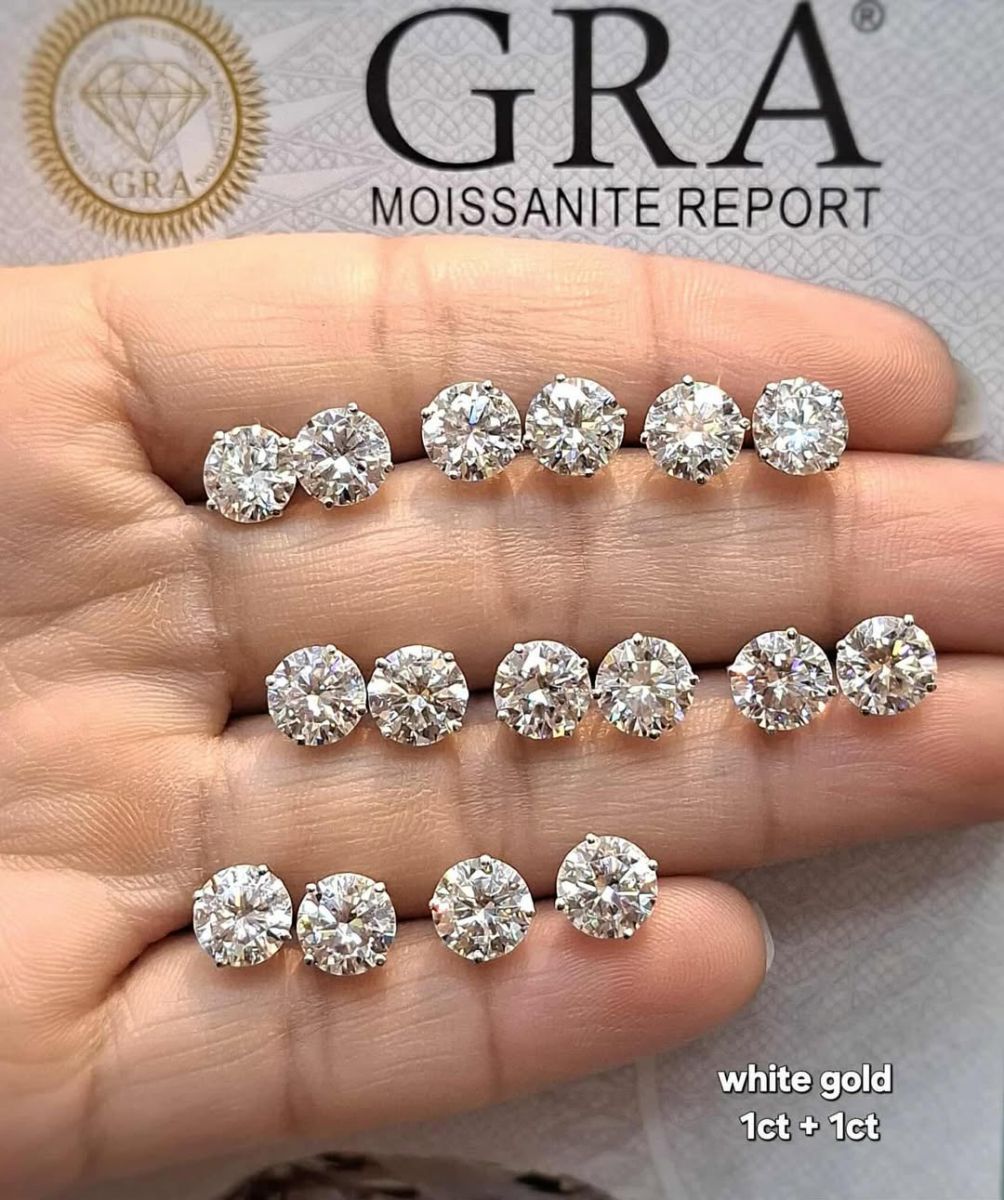
The first is white engagement ring plus yellow wedding band. This is the most popular two-tone in the US because the white head lets a near-colorless moissanite or diamond read bright, and the yellow band warms the hand. The second is yellow engagement ring plus white wedding band, which reads more vintage and suits brides with a warm skin tone. The third is either base plus a thin rose gold accent ring stacked on top. Rose works as the 30 percent accent because it sits between yellow and white, so it bridges the other two. We stock all three as semi-mixed bridal sets in 14k, and in platinum for buyers who want the white metal to be platinum instead of white gold.
Karats and plating in mixed sets
Keep the karat consistent across the set so the metals age at the same rate. A 14k yellow band next to a 10k white head will tarnish and wear differently and the set starts to look mismatched over time. White gold also rhodium-plates, and that plating wears off in about 12 to 18 months depending on hand chemistry. Tell brides a two-tone set needs a replate on the white side every year and a half, which is a service ticket, not a defect. Per karat fineness standard, 14k is 58.3 percent gold, and our stock is stamped to ISO 9202 gold fineness so the karat is traceable on the inside of every shank. For EU buyers we include a nickel release sheet aligned to ECHA REACH registry and FTC Jewelry Guides labeling rules for the US market.
How to merchandise mixed sets on the counter
Do not hide the two-tone look in a drawer. Build one standing display with a white solitaire on a yellow band and a yellow solitaire on a white band, side by side, so brides can compare. Most will pick one within a minute. If they want to add a third ring for an anniversary, our note on stackable bands shows how a thin accent ring extends the set without breaking the 70/30 rule. And if the bride prefers a single metal, our buying a set vs separate comparison explains when buying a set is cheaper than buying each ring alone.
Can you mix yellow and rose gold in a bridal set?
Yes, but keep one dominant. Yellow at 70 percent with rose as the thin accent ring is the easiest entry point.
Does mixing metals wear faster?
No, as long as karats match. 14k next to 14k wears evenly; 10k next to 18k does not.
Will white gold and yellow gold scratch each other?
Both are 14k so the hardness is similar. Minor contact marks polish out at a standard bench.
Should the engagement ring be the dominant metal?
Usually yes, because it carries the center stone. Make the engagement head the dominant tone and the band the accent.
Is mixed metal bridal jewelry more expensive?
Not if you buy it as a semi-mixed set. Custom mixed sets cost more because the bench builds two shanks, but our mixed program ships at a small premium over single-metal sets.
A common mistake boutiques make is mixing 14k white gold with 18k yellow gold in the same set. The two karats have different densities and wear rates, so after a year the white side and yellow side start to look like they came from different boxes. Keep the karat the same across the set, and if a bride specifically wants an 18k yellow head, use 18k yellow for the whole set rather than mixing fineness. This is a small detail on the order sheet, but it is the difference between a set that looks deliberate after five years and one that looks patched together.
Request a mixed-metal bridal set sample in white-on-yellow and yellow-on-white, 14k, with a 1ct-equivalent near-colorless moissanite center. MOQ is 5 sets per combination, and we ship stamped, nickel-compliant stock with a reseller pricing sheet.
Frequently Asked Questions
How do I verify a factory before placing a bulk order?
Request a production video, business license, export records and a paid sample run. A factory that accepts a 50-piece test order is usually a real manufacturer.
What payment terms do you offer?
30% T/T deposit with the balance against the bill of lading. This protects both sides on first orders and can move to net terms after a track record.
What is your normal reject rate?
3–5% under 10x loupe inspection for cast and set pieces. Defective units are replaced free in the next shipment.
Where is the factory located?
Wuzhou, Guangxi, China—the core lab-grown and moissanite manufacturing cluster. Shipments go via Guangzhou or Shenzhen ports.
Send your spec sheet — stone, cut, size, plating and quantity — and we will return a costed timeline.
Ask the workshop