Bridal Sets
Bridal Jewelry Care After the Wedding: Storage and Cleaning Routine
A buyer in Portland told us her brides would come back a year after the wedding and ask why their engagement ring looked dull. The answer was not the stone, it was the care routine. Moissanite does not cloud or lose its sparkle, but hand lotion, soap residue and skin oils build up on the prongs and the girdle until the whole ring looks gray. A simple monthly cleaning fixes it, but most brides have not been told. If you hand a bride a care card with her set, you reduce return visits and you build a customer who comes back for anniversary pieces. Here is the routine we teach at the counter.
The monthly at-home clean
Every four weeks, the bride should soak the ring in warm water with a drop of mild dish soap for ten minutes, then brush gently with a soft toothbrush under the prongs and around the basket. Moissanite rates 9.25 on the Mohs scale (per moissanite reference), so it will not scratch from a soft brush, but the prongs can bend if she presses hard. Rinse and pat dry with a lint-free cloth. This removes the lotion and oil film that makes the stone look dull. Do not use toothpaste, which has abrasives that can scratch the gold setting. Our note on weekly cleaning routine covers the same routine for the ring alone, and our wedding day care routine page shows what to do during the event itself.
Storage: keep pieces apart
After the wedding, bridal jewelry usually goes into a jewelry box with everything else. That is where scratches happen. Rings should sit in separate soft-lined slots so the moissanite does not rub against the gold of another ring. Necklaces should clasp their own chain so they do not tangle. Earrings should stay on their card or in a small pouch. Tennis bracelets should lie flat, not folded, because folding a tennis bracelet stresses the links. If a bride travels, she should pack each piece in a separate soft pouch inside a hard case. Our bridal ring stacking page shows how the same separation logic applies when she stacks rings on the finger day to day.
The six-month prong and clasp check
Every six months, the bride should bring the ring back for a prong check. Prongs loosen from daily knocks, and a loose prong is how a stone falls out. The bench checks the six prongs on a solitaire, the four prongs on a pendant, and the box clasp on a tennis bracelet. This is a five-minute service, and it is the single thing that prevents lost stones. White gold rhodium plating wears off in about 12 to 18 months, so the first replate appointment usually falls at the 18-month mark. Tell brides this at the sale so they know it is a service, not a surprise. All our settings are stamped to ISO 9202 gold fineness per karat fineness standard, and for EU buyers the nickel release follows ECHA REACH registry; the same labeling rules apply to the care instructions you print.
What not to do
Do not wear the ring in a swimming pool, because chlorine discolors gold over time. Do not wear it in a hot tub or while cleaning with bleach. Do not apply hand lotion or perfume with the ring on, because the film settles on the stone. Do not store bridal jewelry in the bathroom, where humidity speeds tarnishing on silver pieces. And do not let the ring spin loose on a swollen finger after pregnancy; resize it rather than wearing it too tight. Our engagement ring care during pregnancy note covers that specific situation, and our engagement ring insurance basics page explains why a care routine pairs with an insurance rider so the ring is covered if something does happen.
How often should a bride clean her engagement ring?
Once a month at home. Soak, brush, rinse, dry.
Does moissanite cloud over time?
No. The dull look is film on the surface, not the stone. Cleaning restores it.
How often should prongs be checked?
Every six months. It is a quick bench service and catches loose prongs before a stone falls out.
When should white gold be replated?
About every 12 to 18 months, depending on hand chemistry.
Can I wear my bridal jewelry in the shower?
You can, but soap film builds up on the stone. Better to take it off and clean it on schedule.
Brides also ask whether they should insure the jewelry the day after the wedding or wait. The best time is before the wedding, because the ring leaves the house on the wedding day and the rider should be in place before that. If you did not get a rider before the wedding, call your insurer within the first week after, and send photos of the ring on the finger, the certificate and the receipt. Most policies add a scheduled personal property rider for one to two percent of the value per year, which is cheaper than replacing a lost stone out of pocket.
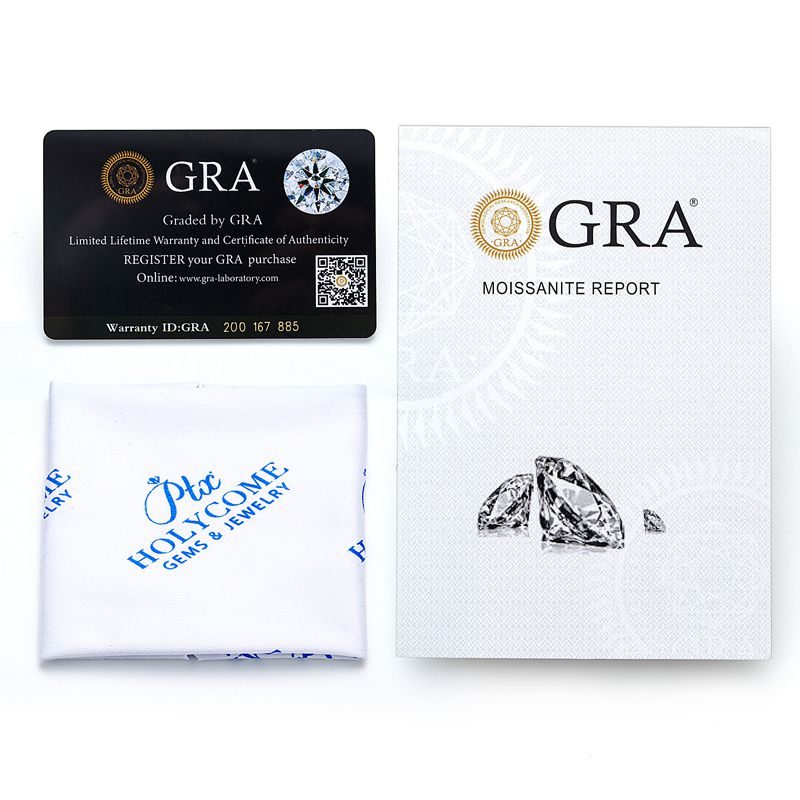
Order a bridal care card pack to include with every set. We supply printed care cards and a soft pouch per set, so your brides leave with the monthly routine and the six-month check written down. MOQ 100 cards, matching your set packaging, stamped and nickel-compliant.
Frequently Asked Questions
What care instructions should I give end customers?
Remove jewelry before swimming, cleaning or applying perfume. Store dry in a sealed bag. Clean with mild soap and a soft brush, then dry fully.
How often does rhodium plating need renewal?
Every 12–18 months under daily wear. Offer a re-plating service to your customers to build repeat visits.
Does chlorine damage sterling silver?
Yes. Chlorine and saltwater accelerate tarnish and can pit the surface. Rinse and dry immediately after any contact.
What causes green skin marks?
Copper or nickel in the base alloy reacting with sweat. Switch to 316L, titanium or sterling, and specify nickel-free plating.
Send your spec sheet — stone, cut, size, plating and quantity — and we will return a costed timeline.
Ask the workshop