Bridal Sets
Reorder Cadence for Wholesale Bridal Best Sellers: How Often to Rebuy
Bridal inventory moves in seasons, but most buyers reorder on instinct — restocking whatever they happened to run out of last week. That reflex produces stockouts before the spring wedding peak and dead stock through the slow summer weeks. A cadence, built around sell-through rather than feeling, keeps the case full and the cash turning.
Start with the 90-day sell-through read
Every SKU should be classified by how fast it has moved over the last 90 days, not by how pretty it is. A top seller turns every four to six weeks; a steady mover turns every two to three months; a slow mover takes longer than a season. The reorder rule is simple: reorder fast movers on a short cycle, reorder steady movers on a longer cycle, and stop reordering slow movers at all until they clear. The most common mistake is treating a slow mover as if it will pick up — it rarely does, and it ties up the cash that should fund the next best seller.
Build the calendar around wedding peaks
Bridal demand concentrates in two windows: spring proposals and weddings between March and June, and the fall peak between September and November. Buyers should pre-build the best-seller assortment six to eight weeks ahead of each peak, so the inventory is on the shelf when the customer surge hits. Reordering during the peak itself is too late — lead times and shipping collide exactly when demand is highest.
Between peaks, in the heat of mid-summer and mid-winter, demand softens. That is the window to clear slow stock, run a targeted promotion, and place the smaller reorders that hold the line until the next season. Do not chase the quiet months with big new buys; they become the dead stock of August.
What to reorder monthly versus quarterly
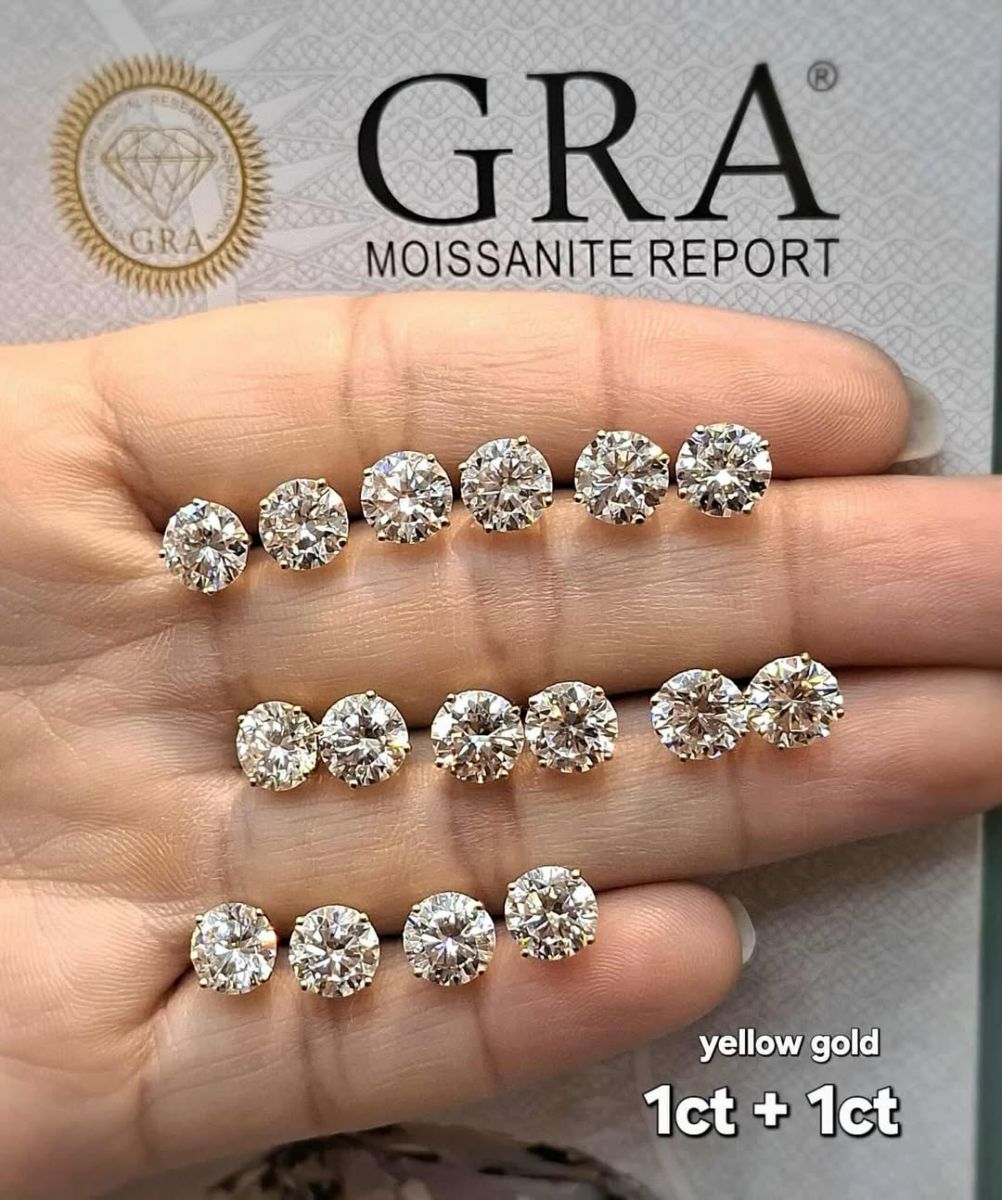
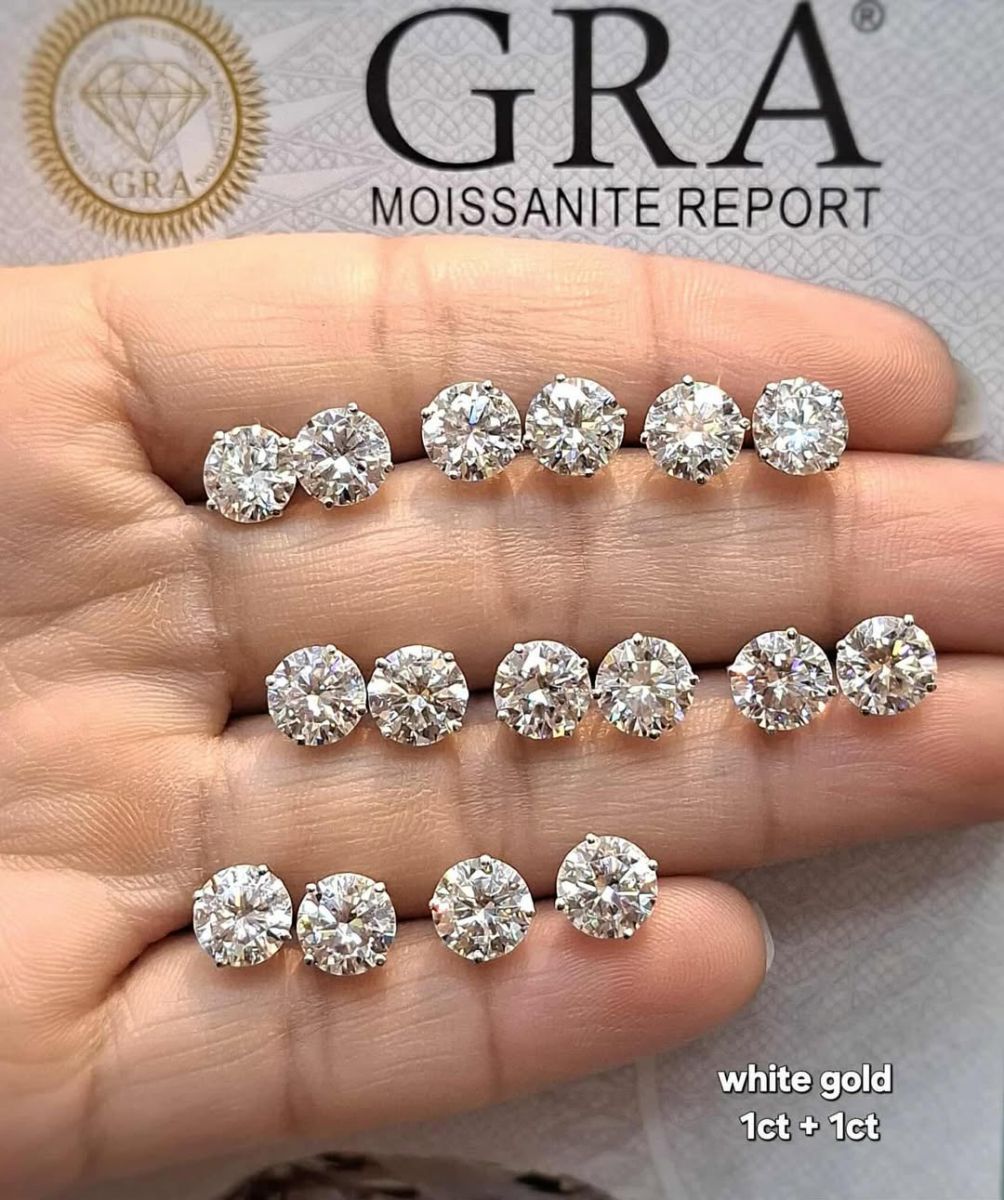
Top-selling solitaire heads, basic stud earrings, and plain bands in common sizes are monthly reorders — they turn fast and a stockout costs immediate sales. Halo statement pieces, colored stones, and higher-price tiers are quarterly reorders, because they move slower but anchor the display. Loose stones are reordered to match active custom orders rather than held in depth, which avoids tying cash in inventory that sits in the tray.
Pay attention to minimum order economics. If the supplier's MOQ forces you to overbuy a slow mover to hit the free-shipping threshold, that saving is illusory — the dead stock costs more than the freight. Split orders or group SKUs to hit the threshold on the fast movers instead. Discuss MOQ flexibility with our wholesale buying guides when planning the seasonal open-to-buy.
Cash flow as the constraint
The reorder cadence is ultimately a cash-flow decision. Overstocking a slow mover ties up cash that should be funding the next best seller's pre-build. Understocking a fast mover loses the immediate sale and, worse, trains the customer to shop elsewhere when she needs a ring in a hurry. The 90-day sell-through classification keeps the cash flowing: fast movers get frequent small reorders that turn quickly, slow movers get no reorder at all until they clear. A buyer who watches the cash conversion cycle rather than the number of SKUs in the case ends each quarter with less dead weight.
Pre-build timing before the peaks
Spring proposals build through January and February, so the best-seller pre-order should land in the shop by early February. Fall weddings build from August, so the pre-order should arrive by late July. Buying at the last minute means paying rush freight and risking stockouts exactly when the counter is busiest. A calendar that pre-builds six to eight weeks ahead removes the panic reorder and lets the buyer negotiate better lead times with the supplier.
Track which sizes sell through within each SKU, not just the SKU as a whole. A best-selling solitaire head in size 6 does not mean it sells in size 8.5. Break the reorder down by the common sizes that actually turn, and do not overbuy edge sizes just because the SKU itself is a winner. This granularity is what separates a buyer who is genuinely in control of her inventory from one who is guessing at the product level.
Keep a running list of customer requests the counter could not fulfill. A repeated ask for a size or a style that is not in stock is a free demand signal — better than any report. Those repeated asks tell the buyer exactly what to add to the next pre-build, and they prevent the stockouts that happen when inventory is planned only from last season's numbers.
The discipline that protects the cadence
Every reorder should answer one question: did this SKU actually sell through, or am I restocking a style I like? Emotional buys are the reason bridal boutiques carry a tray of rings nobody asks for. Review the sell-through numbers at the same point each month, cut what is not moving, and double down on what is. A buyer who treats reordering as a measured cadence rather than a reflex enters each wedding peak with the right pieces in stock and the cash to buy them.
For HS classification of jewelry in customs and export documentation, the WCO Harmonized System nomenclature is the authoritative nomenclature.
Authoritative References
For buyers who need to verify the technical and regulatory basis of this guide, the following independent institutions publish authoritative reference data:
- FTC Advertising FAQs - U.S. guidance on truthful marketing and disclosure.
- Wikipedia: E-commerce - online retail and marketplace background.
Frequently Asked Questions
How do I verify a factory before placing a bulk order?
Request a production video, business license, export records and a paid sample run. A factory that accepts a 50-piece test order is usually a real manufacturer.
What payment terms do you offer?
30% T/T deposit with the balance against the bill of lading. This protects both sides on first orders and can move to net terms after a track record.
What is your normal reject rate?
3–5% under 10x loupe inspection for cast and set pieces. Defective units are replaced free in the next shipment.
Where is the factory located?
Wuzhou, Guangxi, China—the core lab-grown and moissanite manufacturing cluster. Shipments go via Guangzhou or Shenzhen ports.
Send your spec sheet — stone, cut, size, plating and quantity — and we will return a costed timeline.
Ask the workshop