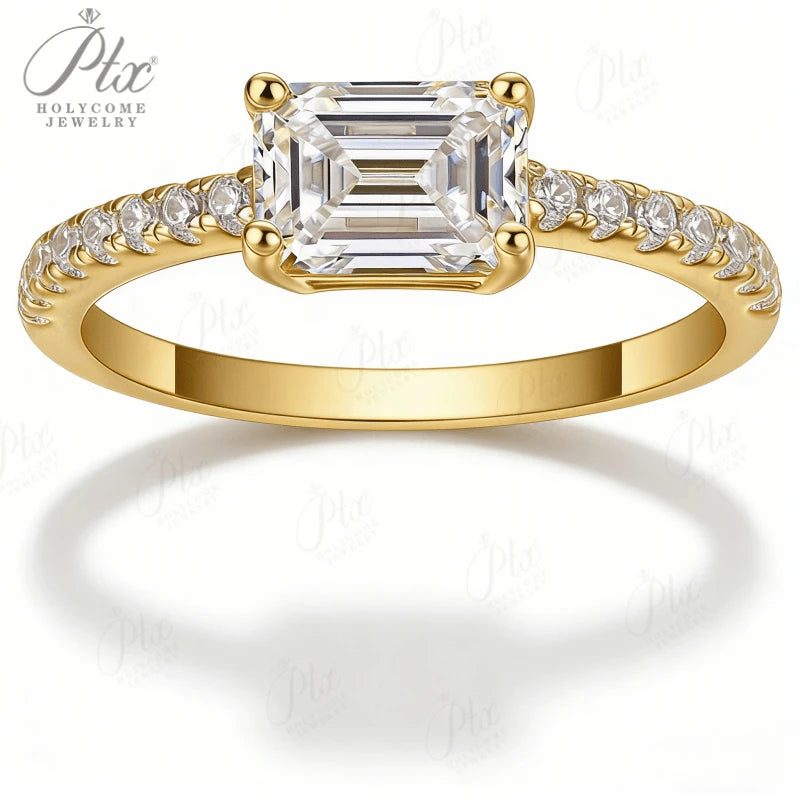
One of the first decisions a bridal buyer makes is color: white or rose? In factory-direct moissanite and 925 sterling silver bridal sets, both tones are achieved through plating over the same silver base. That makes the choice less about material cost and more about your customer, your market, and how the stone color reads. This guide compares white-gold and rose-gold plated bridal sets so you can stock the right mix and merchandise each tone to the buyer who will love it.
What "Plated" Means on a 925 Silver Bridal Set
Sterling silver is the base metal. A layer of plating gives the finished color. White sets are typically rhodium plated for a bright, cool, white-gold look; rose sets are plated in a warm copper-toned finish that mimics rose gold. Because the base is the same 925 silver, the quality conversation centers on plating thickness and consistency, not on the metal itself. Consistent plating across the engagement ring and the wedding band is what keeps a matched set looking like one piece. Ask your supplier about plating durability so you can set honest customer expectations.
White-Gold (Rhodium) Plated Bridal Sets
White-toned sets are the bridal default. They pair with every moissanite color grade, reflect cool light, and photograph cleanly, which matters heavily for online and social-driven sales. White-gold tone is the safest buy for a new bridal buyer because it matches the engagement-ring expectations most American brides bring to the store.
White sets also flatter a wider range of skin tones and jewelry wardrobes. A bride who already wears white gold or platinum daily will reach for the white set without hesitation. The main retail caution is that rhodium plating can dull with wear, so set customer expectations on occasional replating and choose a supplier with a plating thickness that holds up. White is also the easiest tone to restock, since demand is broad and predictable across regions.
Rose-Gold Plated Bridal Sets
Rose tone has built a loyal following, especially among brides who want a warmer, more romantic look. Rose gold complements warm and medium skin tones beautifully and pairs with moissanite with a soft, flattering warmth that white tone cannot replicate. Rose sets also photograph with a distinct, trendy aesthetic that performs well on social platforms, making them a strong choice for jewelers who market through Instagram and Pinterest.
The tradeoff is that rose tone is more directional. It sells strongly to a specific buyer and less strongly to a buyer who wants a classic cool-white look. It is also more sensitive to taste trends, which means you should buy rose sets in measured quantities rather than deep, and refresh your rose selection each season. A slow-moving rose set should be promoted faster than a slow-moving white set, because rose demand is more time-sensitive.
How the Tone Changes the Look of Moissanite
The setting tone changes how the stone reads. Moissanite is bright and brilliant on its own, but a white setting maximizes sparkle and contrast, while a rose setting softens the stone and gives the whole set a warmer, vintage-leaning glow. If you sell halo and three-stone designs, test them in both tones: some halos look crisp and modern in white, and lush and romantic in rose. Offering both lets the customer choose the mood, not just the ring. This is also a powerful upsell conversation: show the same design in white and rose and let the bride react emotionally.
Balancing Your Wholesale Buy
A practical stock ratio for most independent US jewelers leans toward white, with rose as a deliberate, smaller selection. A common starting point is roughly two-thirds white and one-third rose, then adjust after you see local sell-through. If your market skews younger and social-driven, lean a little more rose; if it skews classic and conservative, keep rose to a curated few pieces. The mistake to avoid is buying equal amounts of both and guessing.
When you reorder, let sales decide. If white sets turn in four weeks and rose sets take twelve, shift the next buy toward what moves. The beauty of a factory-direct silver line is that you are not locked into casting both tones in fixed volumes; you can reorder the winner. Keep one or two rose pieces on hand at all times even if they move slowly, because the bride who specifically wants rose will go elsewhere if you have none.
Merchandising Each Tone to the Right Buyer
Do not lump white and rose sets together. Display them so the customer understands the mood difference. Position white sets as the timeless, versatile choice and rose sets as the romantic, on-trend alternative. Train your team to ask about the bride's existing jewelry and wedding palette. A bride planning a rose-gold wedding theme will light up over a rose set; a bride who wears silver every day will feel more herself in white. Framing the tone as a personality choice makes the sale feel personal rather than transactional.
Caring for Plated Sets and Customer Expectations
Because both white and rose finishes are plated over 925 silver, durability conversations matter. Plating wears gradually with daily wear, especially on rings that rub against a desk, a handbag, or a wedding band. Set expectations honestly at the sale: tell customers that periodic replating keeps the set looking new, and offer a simple care and cleaning service. A bride who understands this in advance is not surprised when the finish softens after a year; she books a touch-up and returns to your store.
This also affects which tone you recommend for daily wear. White rhodium tends to age evenly and can be refreshed to a near-new look, while rose plating fades in a way that shifts the warm tone toward the underlying silver. Some customers love the lived-in warmth of fading rose, while others want it refreshed. Knowing your local customers' preference helps you recommend the tone they will still be happy with after a year of wear.
When a bride cannot decide, show her both tones on the same hand if possible. The contrast between a cool white and a warm rose version of the same design often makes the choice obvious within seconds, and it turns a quiet decision into a confident one. Stocking both tones also means you never send a customer to a competitor because you did not carry the color she pictured.
Conclusion
White-gold and rose-gold plated bridal sets are not competitors; they are two tools for two buyers. White tone is the reliable, versatile, best-selling foundation; rose tone is the warm, romantic, trend-aware complement. Stock a white-majority assortment, keep rose curated, reorder by real sell-through, and merchandise each tone to the bride's style. Managed this way, both tones turn profit and give your case a complete, current bridal look.