Bridal Sets
Moissanite vs White Sapphire for Bridal Sets: What Counters Should Know
A wholesaler in Lisbon asked us last year: "My customer wants a colorless bridal set under $300 retail. Should I ship white sapphire or moissanite?" The short answer is moissanite, but the reason is not price. It is return rate. White sapphire looks clean in the tray at first, then rounds over in six months of wear, while moissanite keeps its facet edges for decades.
Hardness, Toughness and the Six-Month Test
Moissanite scores 9.25 on the Mohs scale and white sapphire (colorless corundum) scores 9. Both are gem-quality, but the two stones behave differently at the facet edge. Sapphire is brittle: a sharp corner chips on a hard knock, and the polished facet edge abrades against countertops, watches and keys. After six months of daily wear, a white sapphire center stone looks hazy, not because the stone is dirty but because the facet edges have rounded. The moissanite reference lists its thermal conductivity as higher than diamond's, and its 2.65 refractive index means it returns roughly twice the fire of sapphire. A customer who buys a white sapphire set expecting diamond-like sparkle will be disappointed at month three; a customer who buys moissanite will still show the ring to friends at the one-year anniversary.
Look, Color and What Photographs
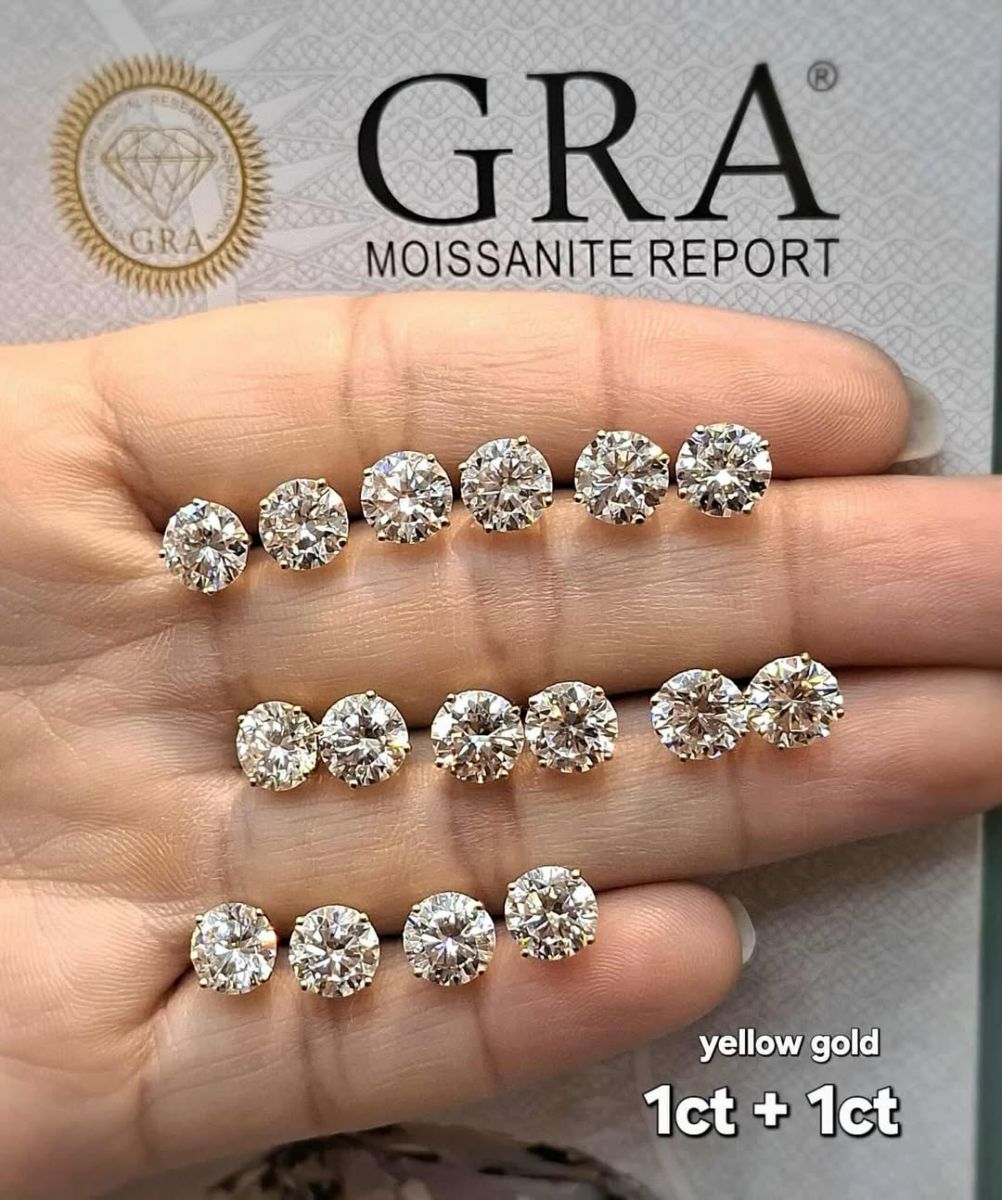
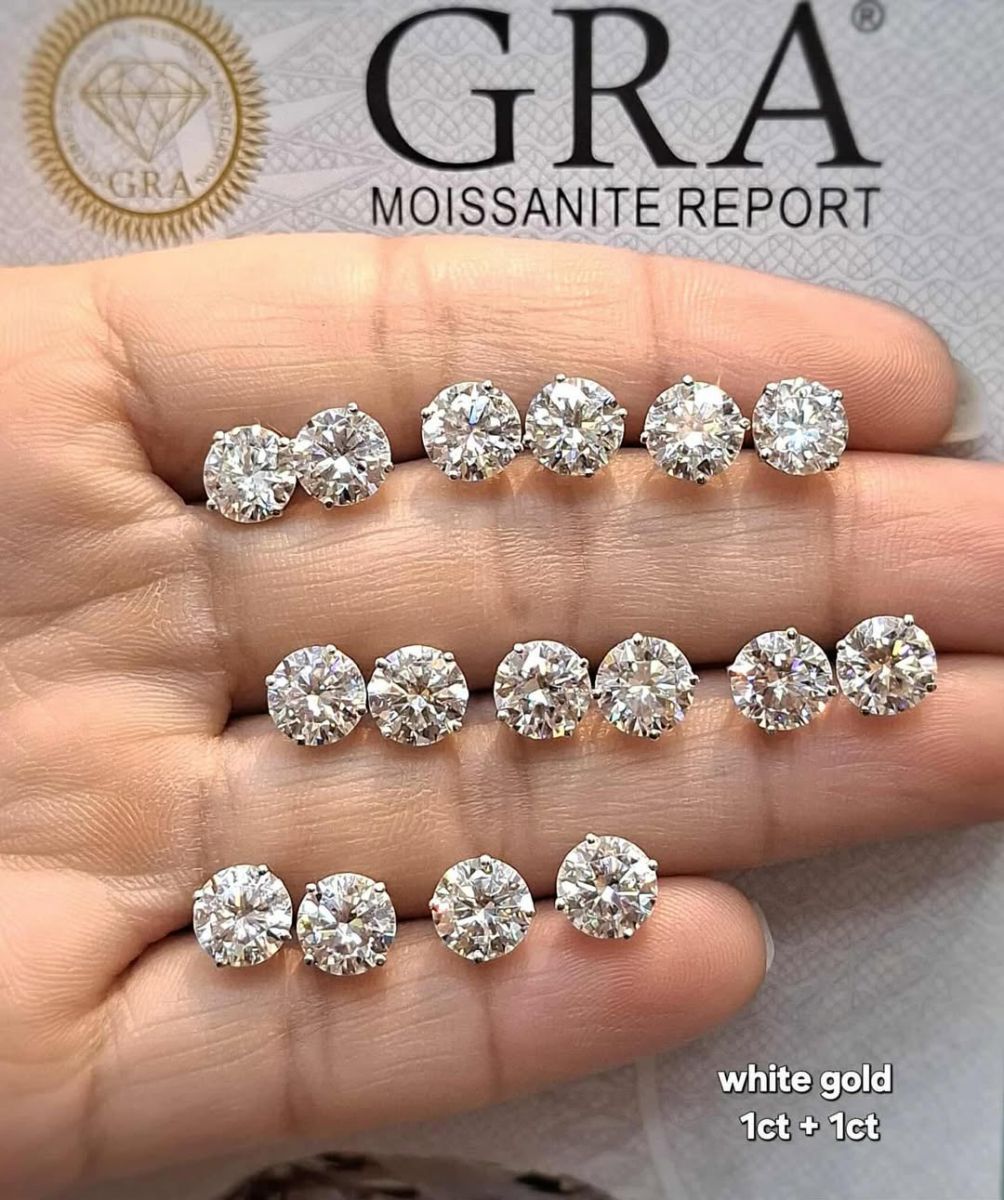
White sapphire is colorless in the tray but reads slightly gray in daylight, because it lacks the dispersion that makes colorless stones flash. Moissanite reads near-colorless (D to F equivalent on the GIA scale) and flashes rainbow under neutral light. In editorial bridal photography, that flash matters: the photographer catches moissanite on video, and the customer posts the ring on social media, which is the best free marketing a boutique gets. We compared how the two stones read on a real hand in moissanite-versus-diamond bridal hand photos, and the same fire advantage applies against sapphire. For brides who want quiet, no-sparkle sparkle, sapphire is the choice; for brides who want the aisle flash, moissanite wins. Also note the metal interaction: moissanite reads best in white gold or platinum against cool skin tones, while sapphire disappears into white metal and reads better in yellow gold.
The Wholesale Math: Price Per Happy Customer
White sapphire costs less at the tray, roughly 30 to 40 percent below moissanite per mm. But the replacement rate tells the real story. A sapphire set sold under a six-month guarantee comes back for repolishing or replacement; a moissanite set rarely does. Factor in the return, the labor, and the customer who tells her friends "the stone looked dull after six months," and the moissanite set is the cheaper product to stock. We recommend positioning sapphire as a fashion or promise-ring tier, not as a bridal center stone. For brides who want a matched set, we explain the trade-offs in buying bridal sets versus separate rings, and in cut choice for moissanite bridal sets.
Set Composition: Center, Side Stones and Pavé
The choice between moissanite and sapphire is not just a center-stone decision. It runs through the whole set. A three-stone ring with a moissanite center and sapphire side stones looks uneven, because the side stones flash less and read as dull dots. A pavé band set with tiny sapphire chips abrades at the edges within a year, while a moissanite pavé band keeps its polish. For bridal sets sold as a package, stock the side stones and pavé in the same material as the center. If the bride wants a colored accent, use blue sapphire as a halo, which is a classic look that does not compete with the white center. We also recommend advising the bride on everyday wear: moissanite scores 9.25 on the Mohs scale, so it survives hand-washing, lotions and daily handling; white sapphire scores 9 but is more brittle, so it chips at sharp corners. The bride who works at a desk can wear sapphire. The bride who lifts, types, gardens or cooks should be in moissanite.
FAQ: The Questions Retailers Hear
Is white sapphire a real gemstone?
Yes, it is colorless corundum, the same mineral family as ruby and blue sapphire. It is a natural or lab-grown gemstone, not a simulant.
Does moissanite look fake next to a diamond?
No, in a 6.5mm round under neutral light it reads as a near-colorless stone. It flashes more fire than a diamond, which some brides love and others find too bright.
Which is better for a wedding band, moissanite or sapphire?
Moissanite, for the band as much as the center. Sapphire pavé stones chip at the edges; moissanite pavé holds its polish for years.
Can I mix moissanite and sapphire in one bridal set?
Yes, but keep the moissanite as the center and use sapphire only as accent color (blue sapphire halos are classic). Colorless sapphire accents look dull next to moissanite fire.
Stock moissanite as the bridal center, sapphire as the fashion tier. HOLYCOME wholesales matched moissanite bridal sets in white gold and platinum, with center and pavé stones in the same color grade. Request the set lookbook for your boutique.
Frequently Asked Questions
Is moissanite a viable diamond alternative for retail?
Yes for price-sensitive buyers who want brilliance and hardness. It ranks 9.25 on the Mohs scale and costs a fraction of a natural diamond of the same size, so it turns fast in bridal and fashion lines.
What is the minimum order?
MOQ starts at 50 pieces per design for stock items; custom cuts and private-label settings start at 100 to 300 pieces.
Are certificates included?
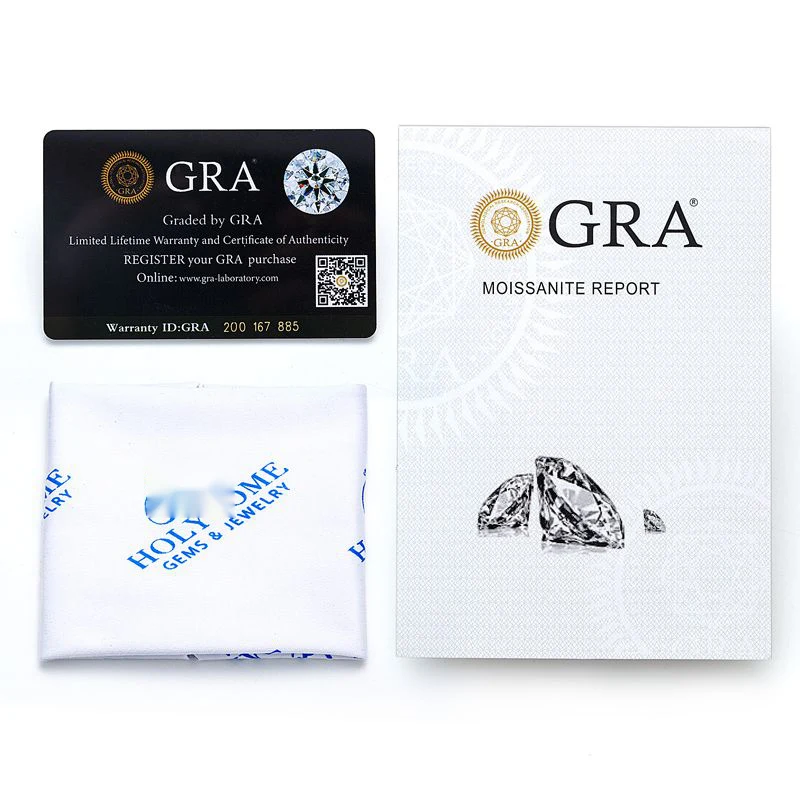
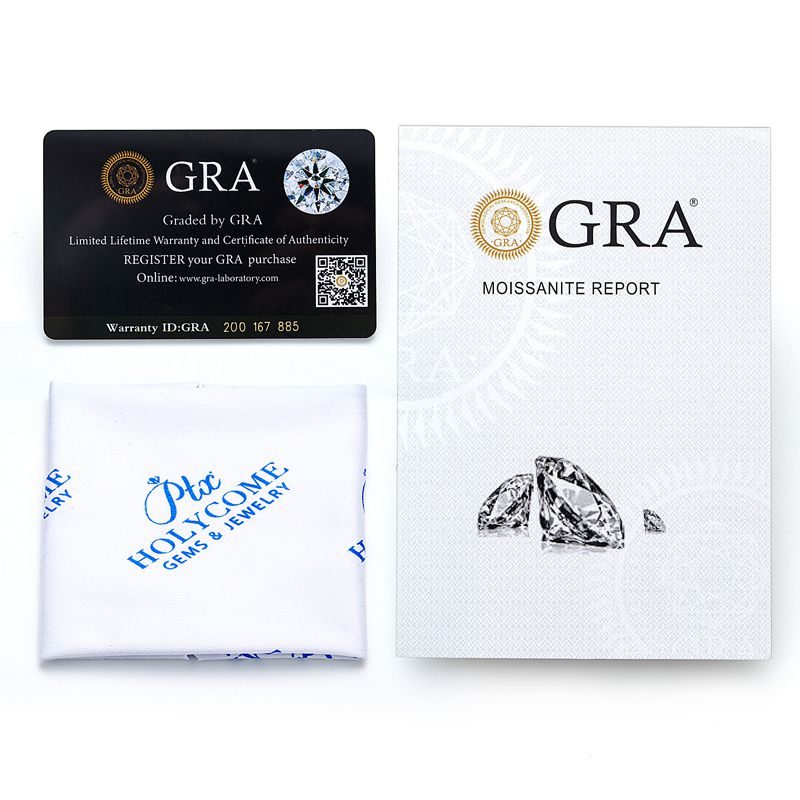
Yes. Every parcel ships with GRA or IGI documentation listing carat weight, color grade and cut.
What are the lead times?
Samples 3 to 5 days. Bulk 15 to 20 days under 500 pieces, 25 to 30 days for custom work.
Send your spec sheet — stone, cut, size, plating and quantity — and we will return a costed timeline.
Ask the workshop