Wedding Rings & Bands
Platinum vs White Gold Wedding Bands: Which Should You Choose?
At a glance, a platinum band and a white gold band look almost identical. Both are that clean, cool silver finish brides and grooms picture when they imagine a classic wedding ring. But under the surface, the two metals behave very differently over decades of daily wear. The right choice depends on your budget, your lifestyle, and how much maintenance you are willing to accept.
What each metal actually is
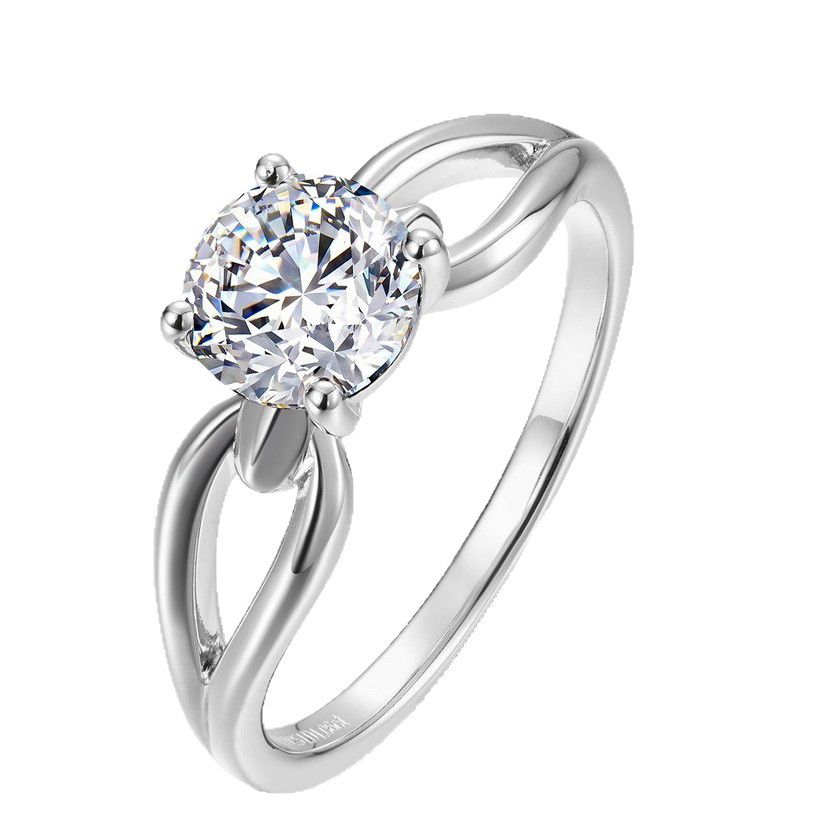
Platinum is a precious white metal used in wedding jewelry at around 95% purity, often stamped 950 Pt. It is dense, heavy, and naturally white, which means its color does not come from a coating. White gold, by contrast, starts as yellow gold alloyed with white metals such as nickel or palladium to lighten it, then usually finished with a thin rhodium plating to make it look fully bright white. That plating is what gives a new white gold ring its vivid finish.
Weight and feel
Pick up both and you will feel the difference immediately. Platinum is significantly denser, so the same ring feels more substantial and weighted on the finger. Many people find that weight reassuring, especially on a wider band. White gold is lighter, which some prefer for all-day comfort, particularly on a slimmer profile.
How the finish ages
This is where the two metals really diverge. Platinum scratches, but the metal does not wear away. Over years, a platinum band develops a soft, satin patina that many brides and grooms love; you can polish it back to a high shine whenever you like. Because platinum is naturally white, it never needs a replating to restore its color.
White gold relies on its rhodium layer. That layer wears thin over time, often within a year or two, and the warm yellow undertone of the gold underneath can begin to show. A quick rhodium replating at a jeweler restores the bright white look, but it is a recurring appointment for the life of the ring. If you love the mirror-white finish and do not want to think about it, platinum removes that step.
Durability and stone security
Platinum's density makes it a favorite for holding prong-set stones. Prongs wear down slowly and hold the center diamond or moissanite securely, which is why so many engagement rings choose platinum for the head even when the band is gold. For a plain wedding band, both metals are more than durable enough for daily wear. Platinum does show surface scratches sooner in appearance, but those scratches are part of its character rather than structural damage.
Comfort and skin sensitivity
A small number of people react to the nickel used in some white gold alloys. If you have sensitive skin, it is worth asking whether a given white gold piece uses nickel or palladium. Platinum is generally well tolerated, which is another reason it is recommended for rings worn every single day.
Cost
Platinum costs more up front. It is rarer and denser, so a platinum band carries a higher price than the same design in white gold. White gold gives you the bright silver look at a lower entry price. The trade-off is the recurring replating cost over the years. Think of it as a choice between paying more now and never thinking about it, or paying less now and budgeting for occasional maintenance.
Which should you pick?
Choose platinum if you want a heavier ring, a hypoallergenic option, a metal that stays white without replating, and you appreciate a lived-in patina. Choose white gold if you love the bright white look, want to spend less up front, and are comfortable with an occasional rhodium refresh. Either way, matching your band metal to your engagement ring keeps the look cohesive, though mixing warm and cool metals is a deliberate styling choice some brides enjoy.
Matched and mixed metal looks
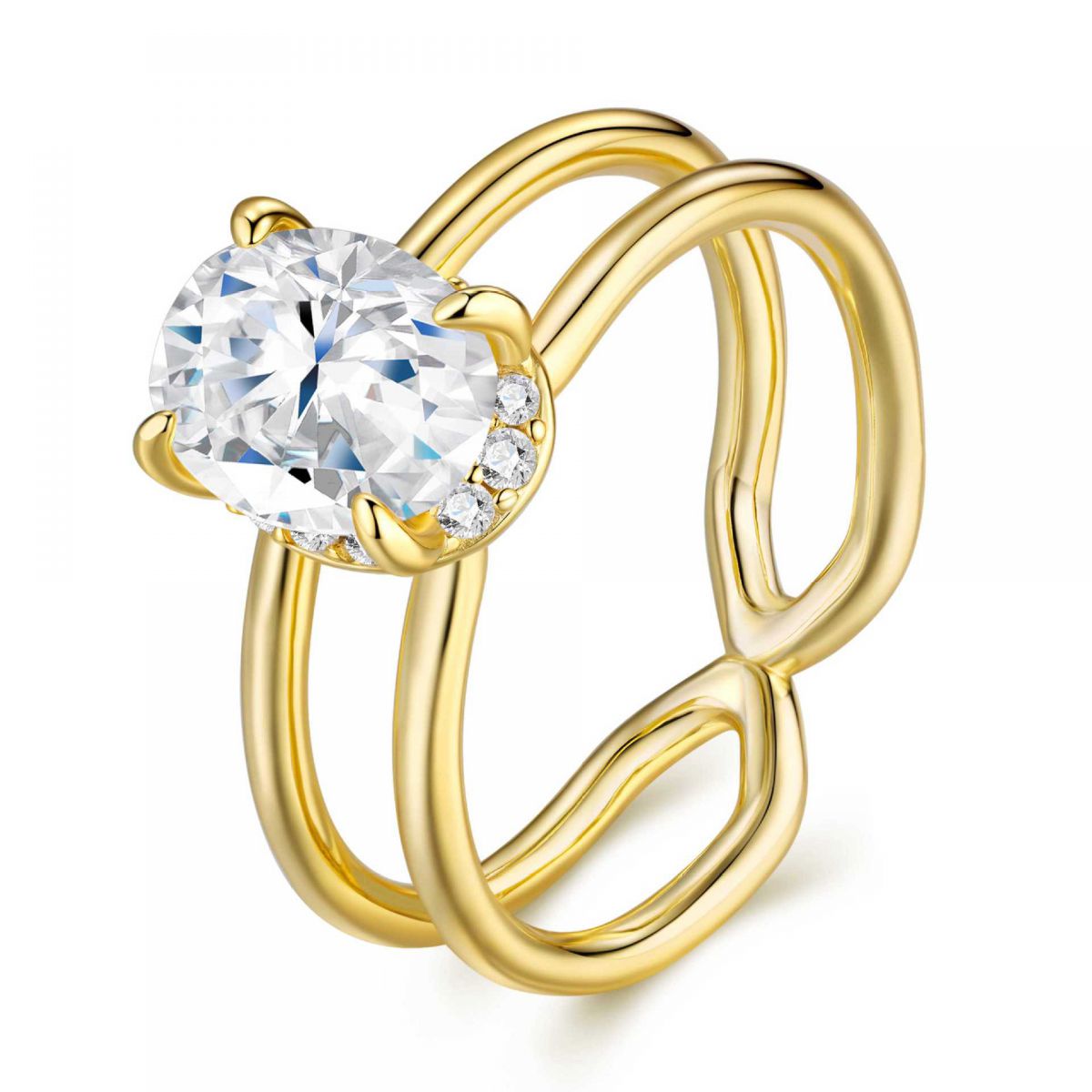
Traditionally, couples match the wedding band metal to the engagement ring for one cohesive look, and that is still the safest, most polished choice. But mixing metals is a deliberate, modern option: a white gold engagement ring can pair with a yellow gold band for warmth, and many brides now stack several thin bands in different colors on purpose. If you go that route, know that platinum's weight and density mean it will wear slower next to a softer white gold band, so the two age at slightly different rates. For the profiles and widths that pair best, browse our wedding band collections and see how comfort-fit versus classic interiors feel on the finger.
Try both on side by side if you can. The weight difference alone often settles the decision for people. Whichever you choose, a well-made band from a metal you actually like wearing is the one that will stay on your finger for decades. You can explore both finishes across our engagement rings and band pages before committing.
Rhodium plating, which gives white gold jewelry its bright finish, is covered in the Wikipedia article on rhodium.
Frequently Asked Questions
What ring sizes can you supply in bulk?
US sizes 5–12 including half sizes. Send a size breakdown with your order and we cast to that curve; comfort-fit inner bands reduce resize requests.
Can I order a mixed size run instead of one size?
Yes. Mixed runs are standard for wholesale: specify quantity per size and we pack and label by size at no extra labor cost.
What is the MOQ for custom ring designs?
50 pieces per design for existing molds; 100–300 pieces when a new mold or CAD model is required.
How should I price rings for retail margin?
Most partners use a 3–4x markup on FOB cost for sterling and 2.5–3x for moissanite solos, which keeps landed cost under 30% of retail.
Send your spec sheet — stone, cut, size, plating and quantity — and we will return a costed timeline.
Ask the workshop