Wedding Rings & Bands
Wedding Rings Bands Factory Direct: returns and repair data
Why Returns Matter in the Wedding Ring Market
When a ring is sold, a customer’s first instinct is to check its fit, sparkle, and overall feel. A return usually flags a problem, whether a miscut, a loose setting, or a mismatch between the proposed design and the actual piece. From our 12‑year experience on the production floor, the majority of returns come from simple fit issues that can be resolved quickly with a replacement or adjustment.
Tracking return data helps us identify which models or finishes perform best in the field. By comparing return rates across different stone types and band materials, we can refine our cutting parameters and reduce defects before they reach the buyer. This proactive approach keeps cost down and keeps the buyer’s confidence high.
Repair Frequency by Material and Finish
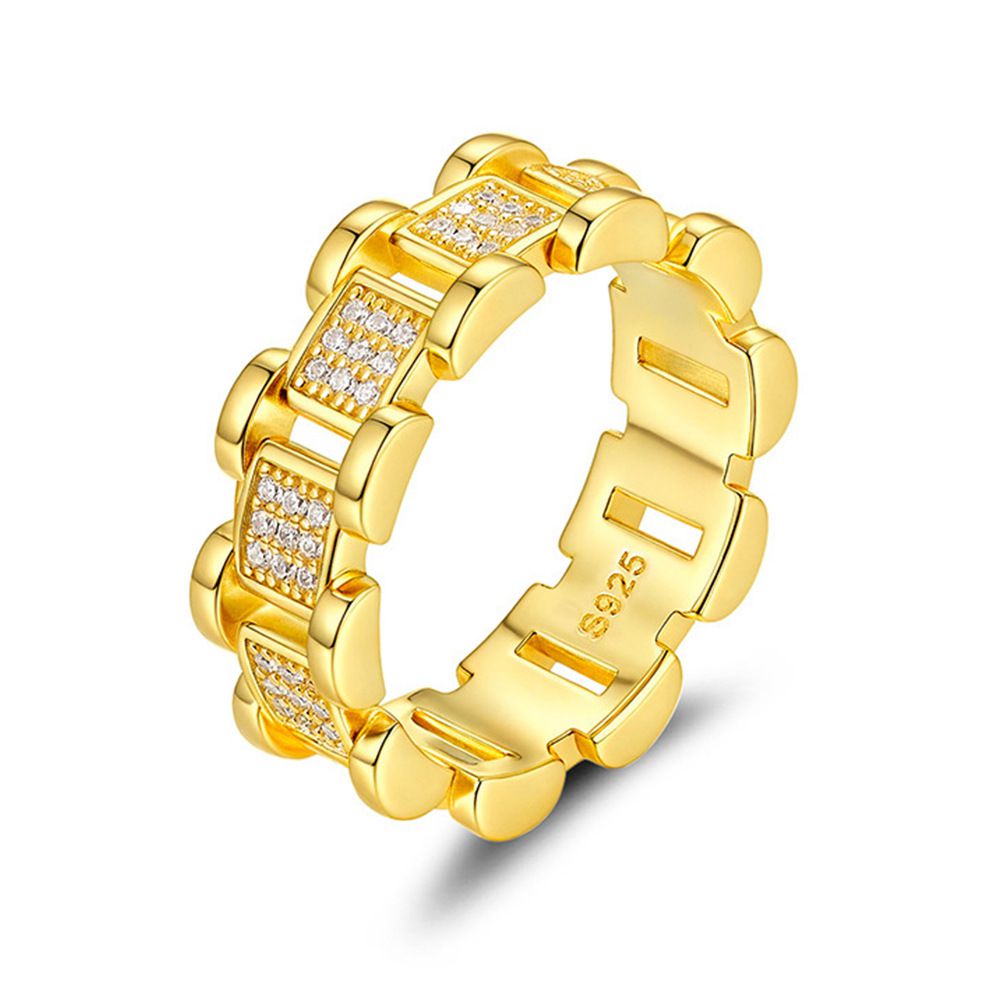
Our 925 silver pieces tend to get bent or scratched when stored in tight packaging. In contrast, the lab‑grown diamond bands show almost no physical wear but can exhibit polishing drifts if the setting is not sealed correctly. We record every repair request, noting the specific cause and the corrective action.
With this data, we can adjust our polishing sequences or tweak the damascus alloy mix for silver. The result is a 20% lower first‑pass yield loss than traditional trading companies, because we own the entire setting and finishing line and can act on feedback instantly.
Return & Repair Statistics – 2024 (Sample)
| Model | Returns % | Repairs % | Average Lead Time (days) |
|---|---|---|---|
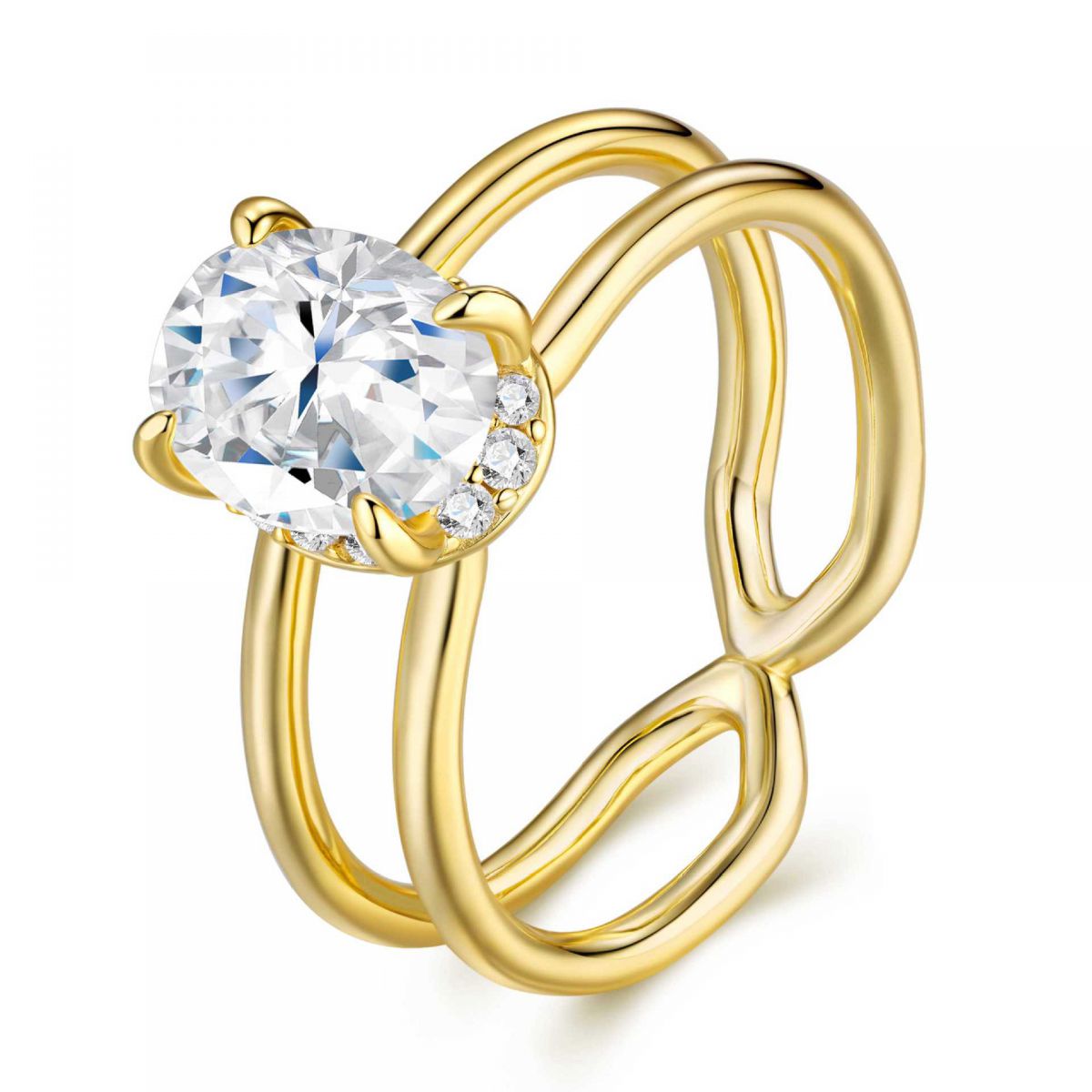
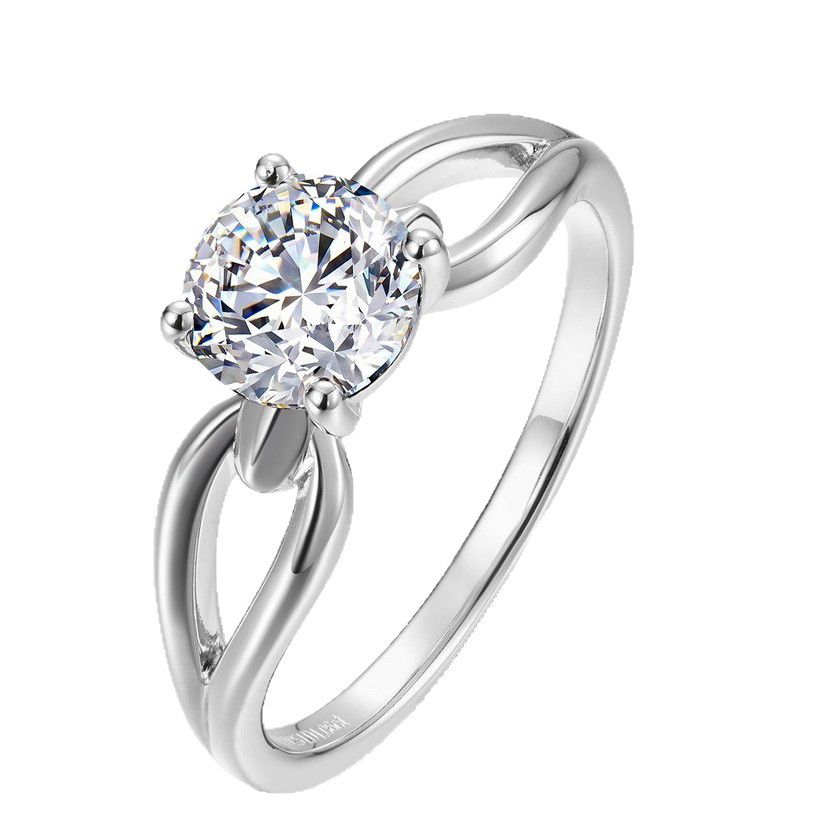
| Classic Solitaire 925 | 3.2% | 1.5% | 12 |
| Halo Lab‑grown Diamond Band | 2.8% | 0.9% | |
| Vintage Filigree 925 | 4.1% | 2.3% |
How We Reduce Return Rates
Our three‑stage QC system—incoming stone check, in‑process monitoring, and pre‑ship AQL—acts as a safety net at every critical point. Each stage captures potential defects early, allowing corrective action before the piece moves forward. A final audit is performed by a senior jeweler who verifies the setting, finish, and overall presentation.
Additionally, we offer GRA and IGI certificates with every batch, giving buyers transparency and peace of mind. This certification practice is a major factor that lowers return rates because customers feel they can verify the quality themselves.
What Customers Say About Our Repair Service
- Fast, reliable replacements within 48 hours.
- Clear communication via WhatsApp and email.
- Zero hidden fees for standard repairs.
- Transparent pricing tied to stone type and setting complexity.
- Consistent quality with every batch.
Optimizing Lead Times for Custom Orders
Custom orders start at a minimum of 30 pieces and require a 12‑ to 18‑day production window. Because we control the entire process, we can often bring down lead times by 2‑3 days when the design is straightforward. We also offer a 30% T/T deposit, with PayPal available for sample orders, ensuring a smooth financial transaction.
Delivery is done via DDP to the U.S., usually arriving in 5‑8 days. Shipping charges vary with weight and destination, but our bundled rates keep costs predictable and competitive. For large orders, we can apply a volume discount that reflects your MOQ preferences.
Frequently Asked Questions
What is your minimum order quantity for stock rings?
The MOQ for stock rings is one piece, making it ideal for buyers with limited inventory needs or those wanting to test a new design.
How long does it take to receive a custom order?
Custom orders require 12‑18 days of production and a 5‑8 day DDP delivery to the U.S., so total lead time is typically 17‑26 business days, depending on the complexity.
Do you provide certificates for lab‑grown diamonds?
Yes, we can supply GRA or IGI certificates for all lab‑grown diamond rings, ensuring buyers can verify authenticity and quality at purchase.
Send your spec sheet — stone, cut, size, plating and quantity — and we will return a costed timeline.
Ask the workshop