Wedding Rings & Bands
Matte, Brushed, or Polished: Wedding Band Finishes Compared
When couples shop for wedding bands, they focus on metal and width, then realize the finish changes everything. A high-polish band flashes light and looks formal. A matte band reads soft and modern. A brushed band sits somewhere in between, with fine linear texture. The difference is not just visual; it is practical, because each finish hides wear differently and suits a different kind of daily life.
High-polish: the classic
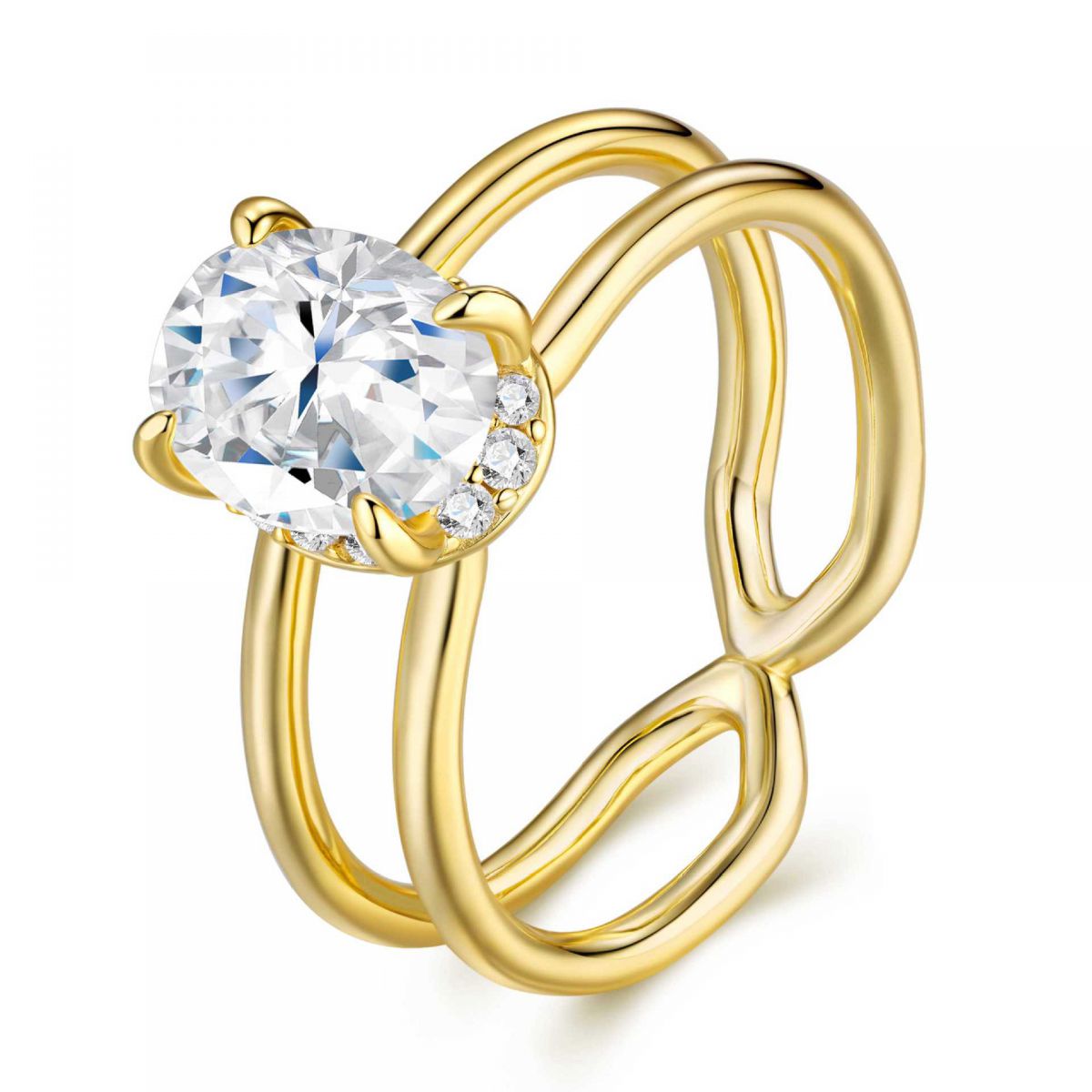
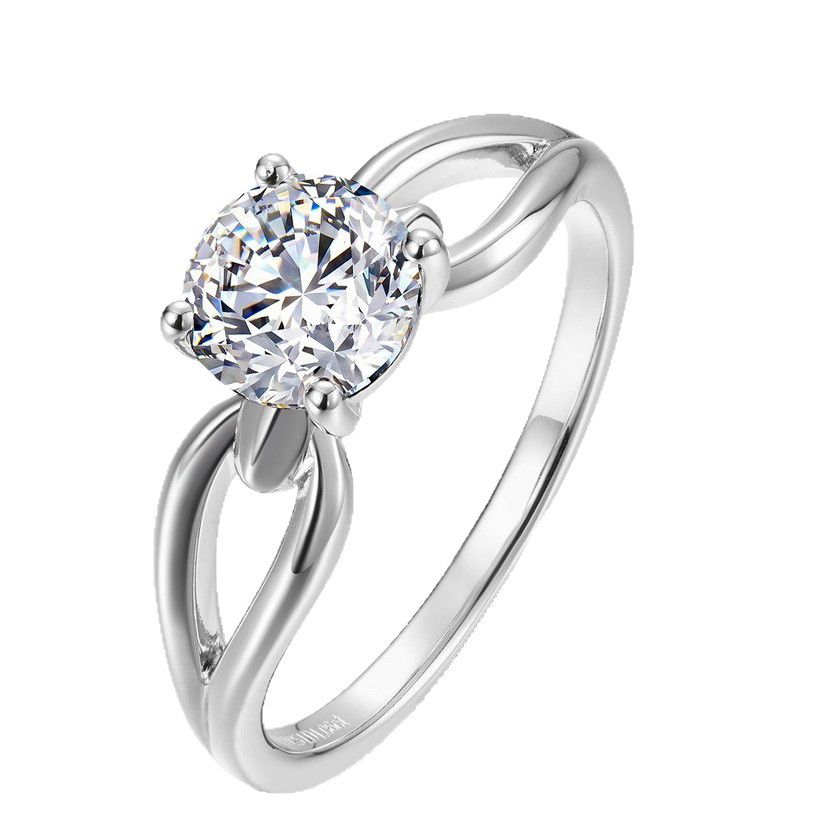
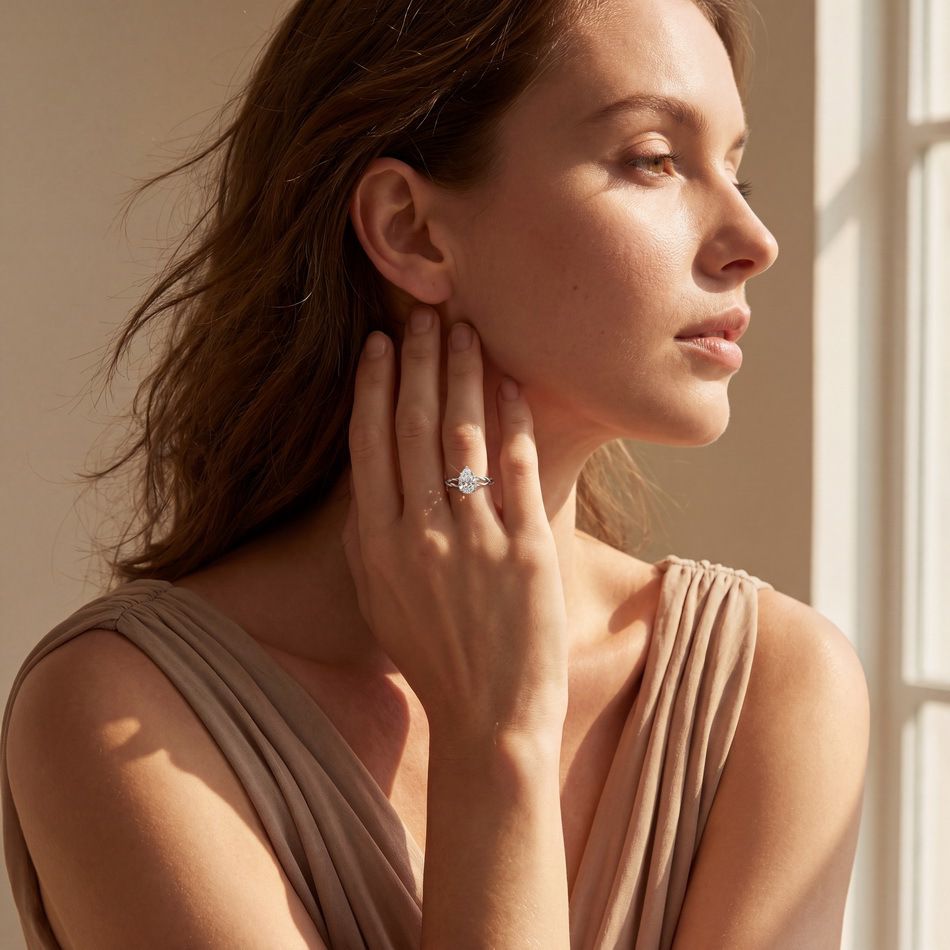
Polish is what most people picture when they imagine a wedding ring. The surface is buffed to a mirror shine, which makes the band look crisp and luxurious. It pairs naturally with an engraved solitaire engagement ring, since both pieces share the same bright, reflective quality.
The tradeoff is that polished surfaces show every micro-scratch. On an active hand, a mirror band starts to look slightly hazy after a year or two. That is normal, and a quick polish at a jeweler brings it back, but couples who hate fuss may prefer something more forgiving. Polish also picks up fingerprints and lotions more visibly than textured finishes.
Matte: the quiet modern look
A matte finish is created by blasting the band with fine media so the surface becomes softly frosted rather than mirror-bright. Matte bands look understated, almost architectural, and they photograph beautifully against both silver and gold tones. They are especially popular in men's bands and in gender-neutral couples' sets.
The practical upside is scratch concealment. Because the surface is already softly textured, everyday scuffs blend in instead of standing out. The downside is that matte can develop shiny “wear spots” over years, where the ring rubs against keys and surfaces until a tiny area re-polishes itself. A periodic re-matte at the jeweler restores the uniform look.
Brushed: the middle ground
A brushed finish uses fine directional lines, usually running along the length of the band. It has more texture than polish but more sheen than matte, and it hides everyday wear well. Brushed bands often combine with a polished edge—a “brush center, round edge” design that gives the best of both: texture on the flat surface, bright highlights on the corners.
For retailers, brushed is a strong seller because it reads as contemporary without feeling severe. It works equally well in tungsten, titanium, gold, and platinum, which makes it a natural choice when stocking men's wedding bands across price tiers.
Which finish suits whom
A polished band suits a bride or groom who loves a formal, classic look and does not mind occasional cleaning. A matte band suits someone who prefers quiet texture and low maintenance. A brushed band is the versatile default—modern, forgiving, and easy to stack with other rings. Stacked wedding bands often mix finishes deliberately, pairing a polished engagement ring with a matte or brushed band for contrast.
How finish interacts with width and profile
Finish does not exist in a vacuum. A wide six-millimeter band in high polish can look heavy and flashy, while the same width in matte reads calm. A narrow two-millimeter band in matte may disappear on the hand, so polish or a brushed edge helps it show up. When you walk a couple through choices, it helps to hold a few widths in each finish so they can see the combination rather than hearing it described.
Refinishing over the years
One question couples seldom ask is what happens when the finish wears. A polished band takes a quick buff at a jeweler and looks new. A matte or brushed band can be re-textured on the same equipment that created it, so the frosted or lined look is fully restorable rather than lost. That makes textured finishes more durable long-term than they first appear. We tell couples to expect a professional refinish every few years on a band they wear daily, and to avoid abrasive cloths at home, which will matte a polished surface or strip the fine lines off a brushed one.
The takeaway
The finish decision is really a lifestyle decision. A band that will be worn through gardening, gym sessions, and laptop work deserves texture; a band that will spend most of its time in an office can be as mirror-bright as the couple likes. Explaining that tradeoff up front means fewer returns and a band the wearer still loves decades later.
When you stock finishes, carry one popular width in three finishes rather than three widths in one finish. That lets a couple compare matte against polish on a band they already like, which is the comparison they actually want to make. It also keeps inventory tighter and turns faster, because the decision is about texture, not about guessing which width will sell.
The Wikipedia entry on engagement rings gives an independent overview of engagement ring traditions and settings.
Frequently Asked Questions
What ring sizes can you supply in bulk?
US sizes 5–12 including half sizes. Send a size breakdown with your order and we cast to that curve; comfort-fit inner bands reduce resize requests.
Can I order a mixed size run instead of one size?
Yes. Mixed runs are standard for wholesale: specify quantity per size and we pack and label by size at no extra labor cost.
What is the MOQ for custom ring designs?
50 pieces per design for existing molds; 100–300 pieces when a new mold or CAD model is required.
How should I price rings for retail margin?
Most partners use a 3–4x markup on FOB cost for sterling and 2.5–3x for moissanite solos, which keeps landed cost under 30% of retail.
Send your spec sheet — stone, cut, size, plating and quantity — and we will return a costed timeline.
Ask the workshop