Bridal Sets
Bridal Set Metals by Skin Tone: Warm vs Cool Guide
A bride can fall for a center stone, but the metal is what the whole world sees on her hand every day. Pick the wrong tone and a beautiful bridal set can look muted, brassy, or simply "not her." Pick the right tone and both the engagement ring and wedding band look like they were made for her. The secret is reading her undertone—not her surface skin color—and matching it to the metal she already wears.

Warm, cool, and neutral undertones
The quick test: look at the veins on the inside of her wrist. Blue or purple veins point toward a cool undertone. Green or olive veins point toward warm. If it is genuinely hard to tell, she is likely neutral and can wear either. Another fast cue: how does she tan? Warm undertones tan easily; cool undertones tend to burn or pinken. A third cue is what she already owns. If her jewelry box is all silver, she is unlikely to suddenly love a yellow-gold set.
Which metals suit which undertones
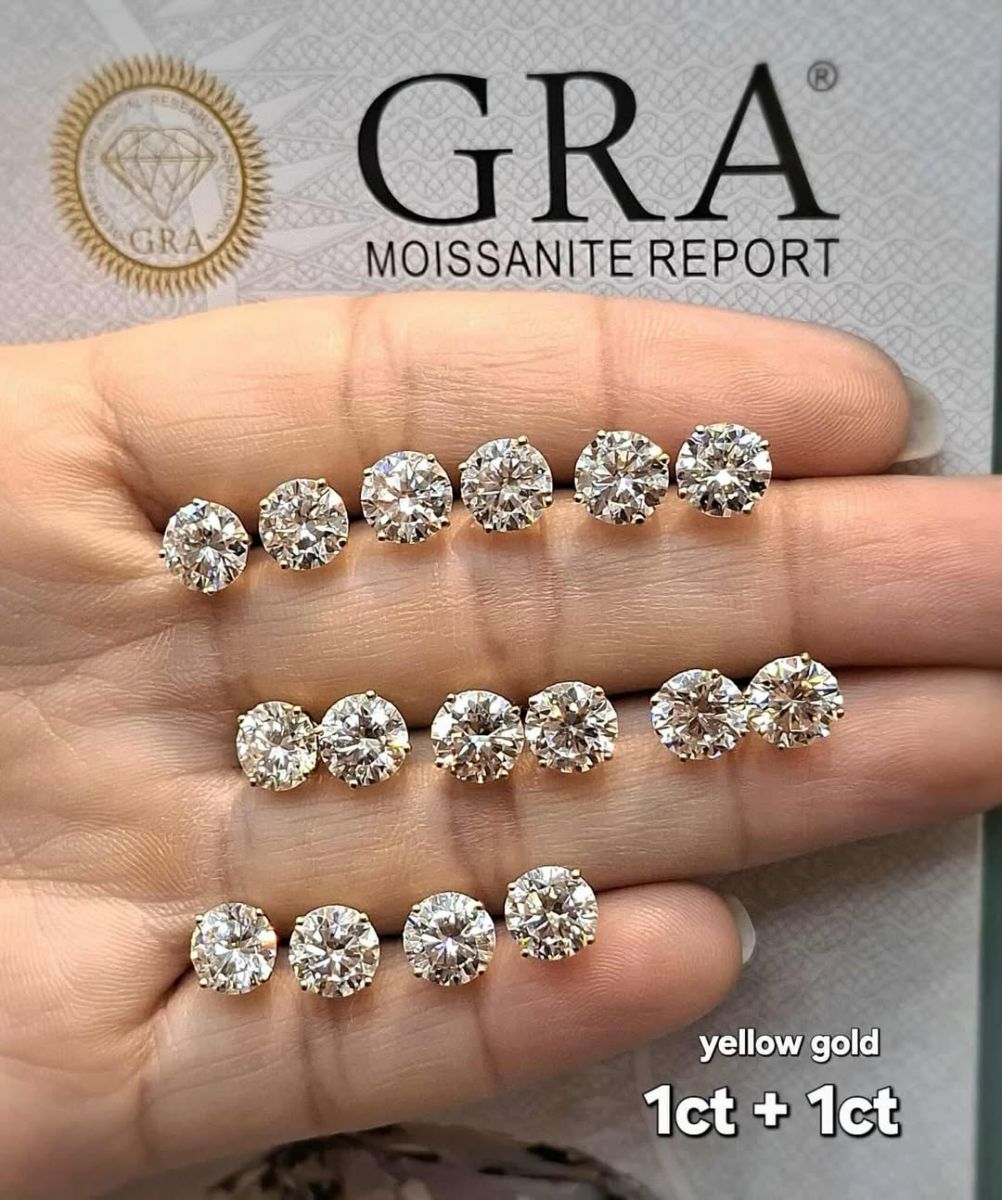
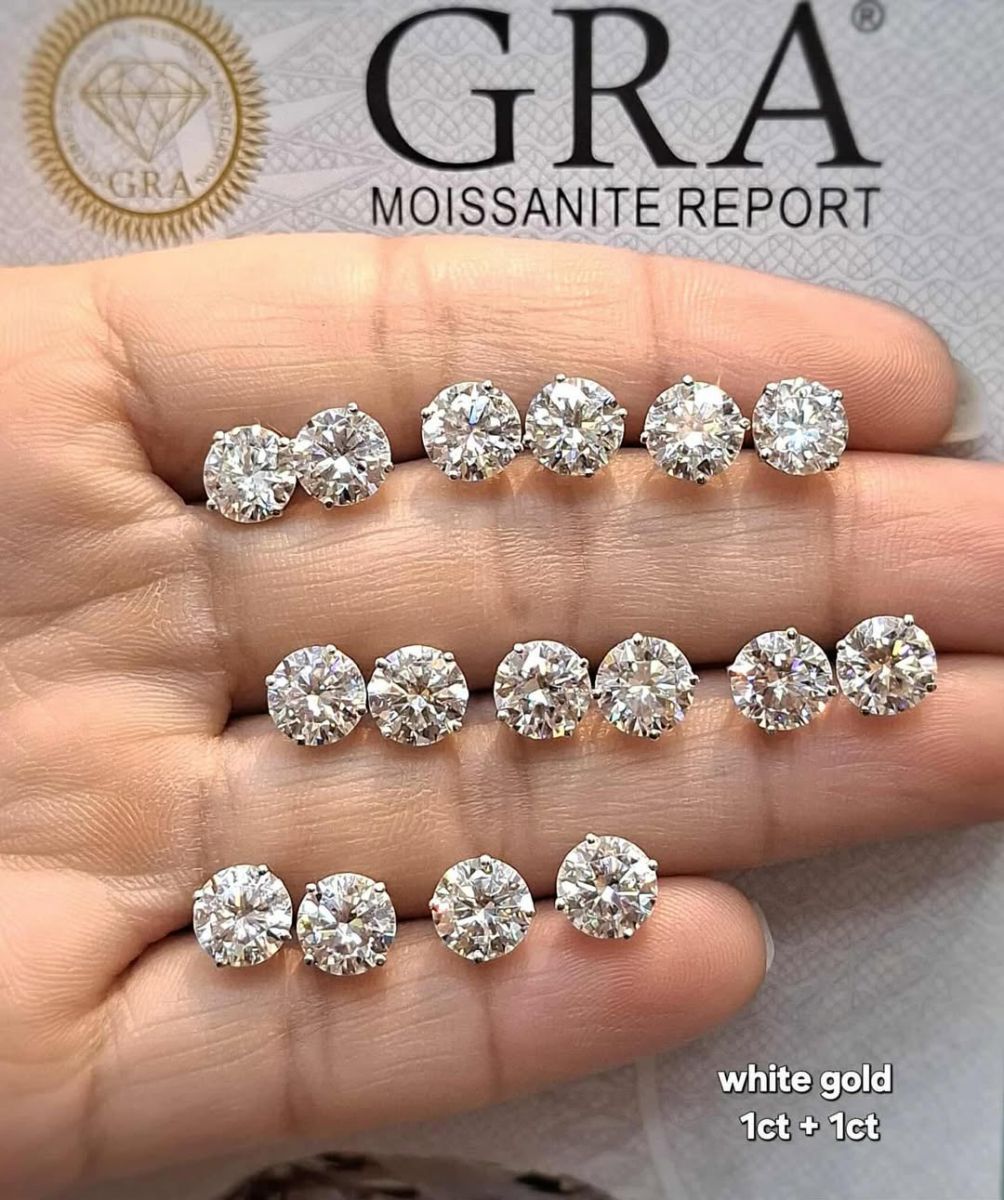
Yellow gold and rose gold flatter warm undertones, bringing out the gold in the skin. Rose gold is especially forgiving—the copper blush suits nearly everyone and reads romantic and modern at once. Platinum and white gold flatter cool undertones, complementing pink or blue skin tones and making a white stone pop. Neutral undertones can wear all of it, which is why they have the most freedom. For a deeper comparison, our guide on platinum vs white gold explains the longevity trade-offs.
Build the set around one tone
A bridal set reads best when the engagement ring and wedding band share a metal. Mixing white gold and yellow gold is a deliberate, trendy choice, but for a first set most brides are safer staying in one family. If she loves both warm and cool, a two-tone design—a rose gold halo on a white gold shank—lets her have both without a mismatched look. This is exactly the kind of decision our bridal set pairing conversation is built around.
Everyday jewelry beats the color wheel
Undertone theory is useful, but it is only half the answer. The other half is her lifestyle. A nurse who already wears a plain silver watch and small silver hoops will not reach for a big yellow-gold ring every morning—it will feel foreign on her hand. Match the set to what she already gravitates toward. When in doubt, ask to see what she is wearing right now. That single glance tells you more than any vein test.
Thinking long term
Metal choice also affects upkeep. White gold needs periodic rhodium plating to stay bright, rose gold can develop a deeper warmth over time, and platinum wears down slowly but never loses its color. Factor those into the advice. The goal is a bridal set that glows on her skin on day one and still feels right on the tenth anniversary. Get the tone right and you are not just selling jewelry—you are giving her a ring that finally feels like home.
The two-tone trend, handled well
More brides are deliberately mixing warm and cool, and that is a valid choice when it is intentional rather than accidental. A two-tone set—rose gold floral accents on a white gold shank, or a yellow gold halo around a platinum band—lets a bride who cannot decide have both. The trick is to limit the palette to two metals, not three, so the result reads as designed. If she already owns a mix of silver and gold jewelry, a two-tone ring will finally tie that wardrobe together instead of fighting it.
Testing it on the hand
Theory only goes so far. The most useful step is the simplest: lay a yellow gold band, a rose gold band, and a white gold band next to each other on her hand under natural light. The right tone will make her skin look awake and even; the wrong tone will make the hand look dull or sallow. Do this in daylight rather than under store fluorescent light, which flattens every tone. That three-band test settles more decisions than any online color quiz ever could.
What if she loves a metal that fights her tone?
Personal preference wins over theory every time. If a cool-toned bride has always dreamed of yellow gold, the answer is not to talk her out of it—it is to help her wear it with confidence. A two-tone design, or a warm accent inside an otherwise cool setting, bridges the gap. The undertone guide is a starting point, not a rule. The best bridal set is the one she reaches for happily each morning, because that emotional fit matters more than any color wheel.
The Wikipedia article on rhodium explains why rhodium plating is applied to white gold and silver jewelry.
Frequently Asked Questions
How do I verify a factory before placing a bulk order?
Request a production video, business license, export records and a paid sample run. A factory that accepts a 50-piece test order is usually a real manufacturer.
What payment terms do you offer?
30% T/T deposit with the balance against the bill of lading. This protects both sides on first orders and can move to net terms after a track record.
What is your normal reject rate?
3–5% under 10x loupe inspection for cast and set pieces. Defective units are replaced free in the next shipment.
Where is the factory located?
Wuzhou, Guangxi, China—the core lab-grown and moissanite manufacturing cluster. Shipments go via Guangzhou or Shenzhen ports.
Send your spec sheet — stone, cut, size, plating and quantity — and we will return a costed timeline.
Ask the workshop