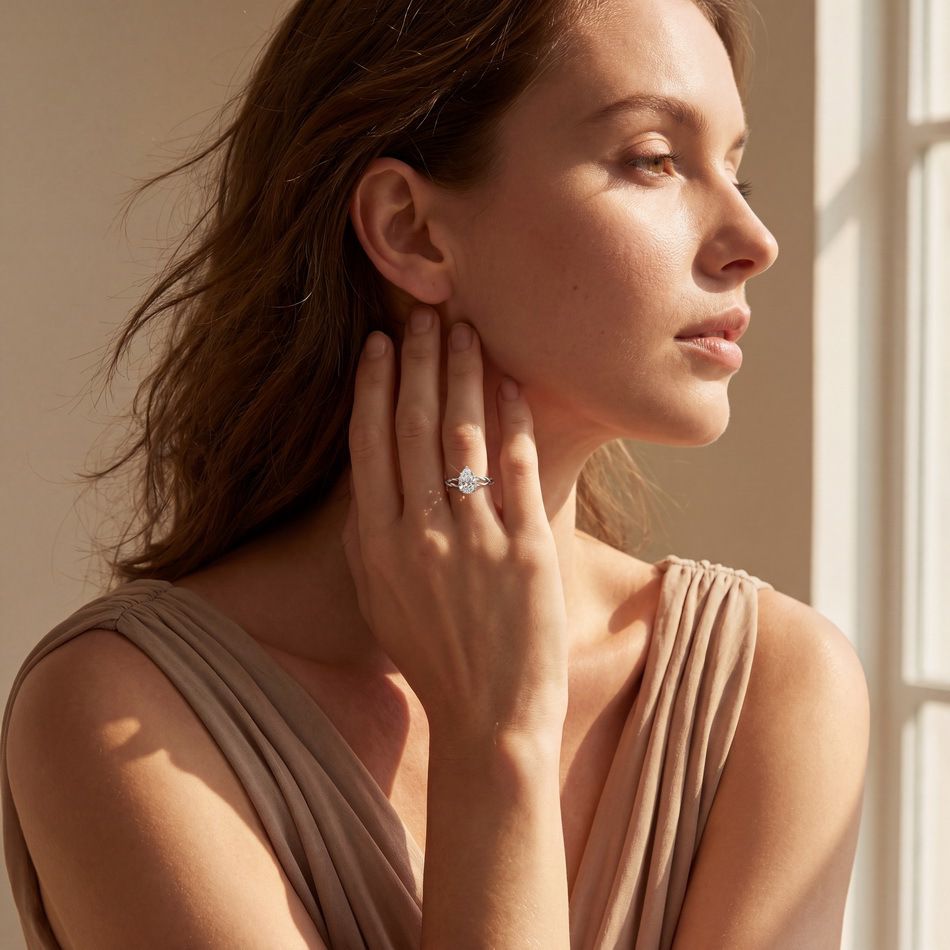
Wedding Rings & Bands
Two-Tone Wedding Bands: A Stocking Guide for Jewelers
Matching your wedding band to your engagement ring used to mean one metal, one finish, one safe choice. That rule has loosened considerably. Today's couples mix metals freely in their wardrobes, their watches, and their everyday jewelry, so it is no surprise they want the same freedom in their wedding rings. Two-tone wedding bands, which combine yellow gold with white gold, or rose gold with platinum-toned metal, have moved from niche to mainstream. For jewelers deciding what to stock, the category deserves a dedicated slot rather than a single shelf tag.
Why couples are choosing mixed metals
The shift is driven partly by lifestyle. A bride who wears both a silver watch and gold hoops already lives in a mixed-metal world, and a single-color band can feel out of place against that. Two-tone rings let the wedding band harmonize with whatever else a person wears, rather than dictating a whole jewelry wardrobe. It is a practicality disguised as a trend.
There is also a romance angle. A two-tone band can symbolize two lives blending, or two family heirloom metals coming together. A groom whose father wore yellow gold and a bride whose mother wore white gold can merge both colors into one ring. That story sells itself at the sales counter.
Which combinations move fastest
The best-selling combination by a wide margin is yellow gold with white gold. It is classic enough to appeal to older buyers but current enough for Gen Z and millennial couples. Rose gold paired with white or platinum is the second tier, skewing toward brides and younger grooms who want a softer look. Black rhodium paired with yellow gold is a smaller but growing niche for edgier buyers.
Width matters in how the two colors meet. A thin inlay stripe reads contemporary and unisex, while a wider split reads vintage and traditional. Offering both a 2mm thin-stripe and a 4mm split design covers a broad range of tastes without forcing customers to choose between modern and classic. For reference on how width affects fit and style, our wedding band width guide lays out the differences clearly.
Pricing and margin realities
Two-tone bands often cost slightly more to produce because they require joining two alloys, and that premium should be reflected in retail. But the upside is that shoppers perceive two-tone as a more deliberate, design-forward purchase, which makes them less price-sensitive than they would be on a plain band. You can price two-tone pieces a step above your single-metal equivalents and still turn them over steadily.
Metal selection also affects the bottom line. Compare platinum versus white gold wedding bands when deciding which white metal to use, since platinum raises both cost and perceived luxury. For everyday bridal stock, white gold with rhodium plating usually hits the sweet spot between cost and appearance.
Display and merchandising
Two-tone bands are hard to sell from a drawer. The contrast only reads under good light, so display them upright where shoppers can see the stripe. Pair a two-tone band next to both a yellow-gold and a white-gold ring so customers immediately grasp the mixed effect. If your store also carries engagement rings, place a two-tone band near solitaire settings in both metal colors to suggest the pairing possibilities.
Consider regional preferences when planning depth. Warmer-climate stores often move more yellow-forward two-tone designs, while cooler regions lean into white and rose. Our overview of gold versus silver bands by region and climate can help you tailor the assortment.
Durability and care notes
The join between two metals is generally strong, but plated sections will wear over time, especially on the edges. A white-gold stripe on a yellow-gold band will need periodic rhodium replating to stay bright. Be upfront about this in the sale and offer a care plan. Customers who know the maintenance ahead of time are far happier with the ring years later.
Because the band touches two alloys, resizing can be more involved. Document the metal mix clearly on the repair ticket so the bench jeweler uses the correct solder. A little paperwork now prevents a ruined finish later.
The stocking call
Two-tone wedding bands are no longer a novelty. They are a steady, design-driven category that attracts couples who want their rings to reflect how they actually live. A focused selection of yellow-and-white and rose-and-white bands in a couple of widths will cover most demand without overcommitting inventory. Display them well, price them with a modest design premium, and explain the simple care cycle, and the category will pay for itself within a season.
Rhodium plating, which gives white gold jewelry its bright finish, is covered in the Wikipedia article on rhodium.
Frequently Asked Questions
What ring sizes can you supply in bulk?
US sizes 5–12 including half sizes. Send a size breakdown with your order and we cast to that curve; comfort-fit inner bands reduce resize requests.
Can I order a mixed size run instead of one size?
Yes. Mixed runs are standard for wholesale: specify quantity per size and we pack and label by size at no extra labor cost.
What is the MOQ for custom ring designs?
50 pieces per design for existing molds; 100–300 pieces when a new mold or CAD model is required.
How should I price rings for retail margin?
Most partners use a 3–4x markup on FOB cost for sterling and 2.5–3x for moissanite solos, which keeps landed cost under 30% of retail.
Send your spec sheet — stone, cut, size, plating and quantity — and we will return a costed timeline.
Ask the workshop