Bridal Sets
Two-Piece vs. Three-Piece Bridal Sets: Which Should Your Store Stock?
A bridal set is the centerpiece of any bridal case, and the first buying decision is not about metal or cut. It is about how many rings come in the box. A two-piece set includes the engagement ring and a matching band for the bride. A three-piece adds a second band, usually for the groom. The choice affects inventory cost, margin, and what walks out the door.
What a two-piece set actually is
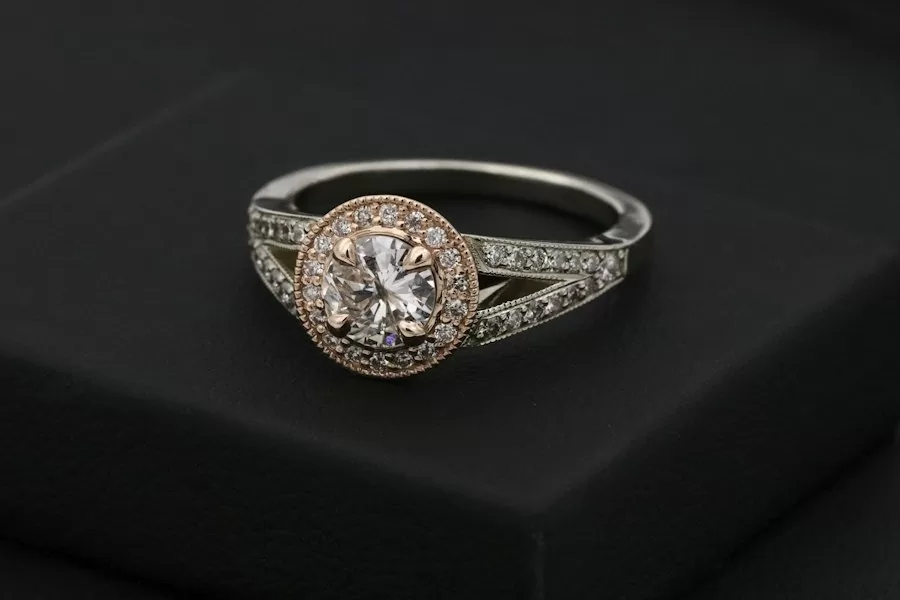
The two-piece bridal set is the traditional American purchase: an engagement ring with a shaped or straight wedding band designed to nest against it. Customers buy it because the band is guaranteed to match the engagement ring's metal, profile, and stone spacing. No guesswork about whether a separate band will sit flush, and no gap or rub where the two rings meet.
For a retailer, the two-piece set is the faster turn. It requires less cash outlay per SKU, fits a wider range of budgets, and the band can be swapped if the bride changes her mind. The downside is margin: a two-piece ticket is smaller, and the groom's band is a separate sale you may never capture. It also leaves the door open for a competitor to win the groom's band when the couple shops separately.
What a three-piece set adds
The three-piece set bundles the engagement ring, the bride's band, and a groom's band into one coordinated purchase. It is common in destination weddings and at value-oriented jewelers who want to close the whole wedding at once. The groom's band is usually a simpler, lower-cost band in the same metal, which keeps the bundle price attractive and feels complete on the wedding day.
The advantage for the retailer is a higher average ticket and a single, satisfying transaction. The risk is that the groom's band may not fit his taste, and three-piece sets sometimes sit in the case longer because they are committed to a specific metal and width for both partners. If the groom prefers a different metal, the bundle falls apart and becomes a custom order.
Margin and turn: the numbers that matter
Bridal inventory lives or dies on turn. A set that sells in three weeks is worth more on the shelf than a more expensive set that sits for ten months. In practice, two-piece sets turn faster because they target a broader audience: every engaged bride needs an engagement ring and a band, but not every groom wants his band bundled in.
Three-piece sets, when they sell, carry a higher absolute margin because the ticket is larger. The smart stocking pattern is to lead with a deep two-piece assortment in the most popular metals and cuts, and layer in a smaller selection of three-piece bundles for customers who want the one-stop purchase. Our broader guide on wholesale bridal sets buying covers how to balance that mix without overcommitting cash.
Customer segments that prefer each
Two-piece sets win with couples who already have a groom's band in mind, who are budget-conscious, or who want flexibility. Three-piece sets win with destination wedding couples, shoppers buying on a deadline, and couples who appreciate having everything coordinated in one box. A bride styling her ring with stackable bands later may prefer a two-piece set so she can add her own stack over time rather than being locked into one matching band.
How to price and display both
Show the two-piece set on a bust or stand so the bride sees the nesting fit clearly. Display the three-piece set as a complete arrangement, including a small groom's band sample. Price the two-piece at the engagement ring plus a modest band premium, and price the three-piece at a bundle discount that rewards the larger purchase without eroding margin. Training staff to ask, "Are you also shopping for his band?" turns two-piece browsers into three-piece buyers more often than you would expect. Tag the displays clearly so a couple who wants the bundle can find it without asking.
Trade-in and anniversary upgrades
Think beyond the first sale. A couple who bought a two-piece set in their twenties may come back for a three-piece upgrade later, adding the missing groom's band or a second anniversary band. A three-piece set sold as a bundle locks that future sale in from day one. Track which customers bought which format, and market the upgrade path to two-piece buyers on their first anniversary. That turns a smaller initial ticket into a long-term relationship and softens the margin trade-off of stocking more two-piece SKUs.
The bottom line
Stock both, but weight the mix toward two-piece sets for turn and reserve three-piece bundles for the customers who want a complete wedding in one transaction. That balance keeps the case fresh, the cash moving, and the average ticket climbing without betting the store on a single format. Reviewed each quarter against sell-through data, the mix can shift as local demand changes.
The history and conventions of engagement rings are outlined in the Wikipedia entry on engagement rings.
Frequently Asked Questions
How do I verify a factory before placing a bulk order?
Request a production video, business license, export records and a paid sample run. A factory that accepts a 50-piece test order is usually a real manufacturer.
What payment terms do you offer?
30% T/T deposit with the balance against the bill of lading. This protects both sides on first orders and can move to net terms after a track record.
What is your normal reject rate?
3–5% under 10x loupe inspection for cast and set pieces. Defective units are replaced free in the next shipment.
Where is the factory located?
Wuzhou, Guangxi, China—the core lab-grown and moissanite manufacturing cluster. Shipments go via Guangzhou or Shenzhen ports.
Send your spec sheet — stone, cut, size, plating and quantity — and we will return a costed timeline.
Ask the workshop