Wedding Rings & Bands
Matching Wedding Bands to Engagement Rings: A Retailer's Guide
The second question every bride asks after trying on an engagement ring is whether the band will sit flush. If you do not have an answer on the shelf, she leaves to think about it and buys the set online. The shops that stock the right three band profiles close that second sale before she walks out. The shops that do not lose it every single time.
Why flush matters
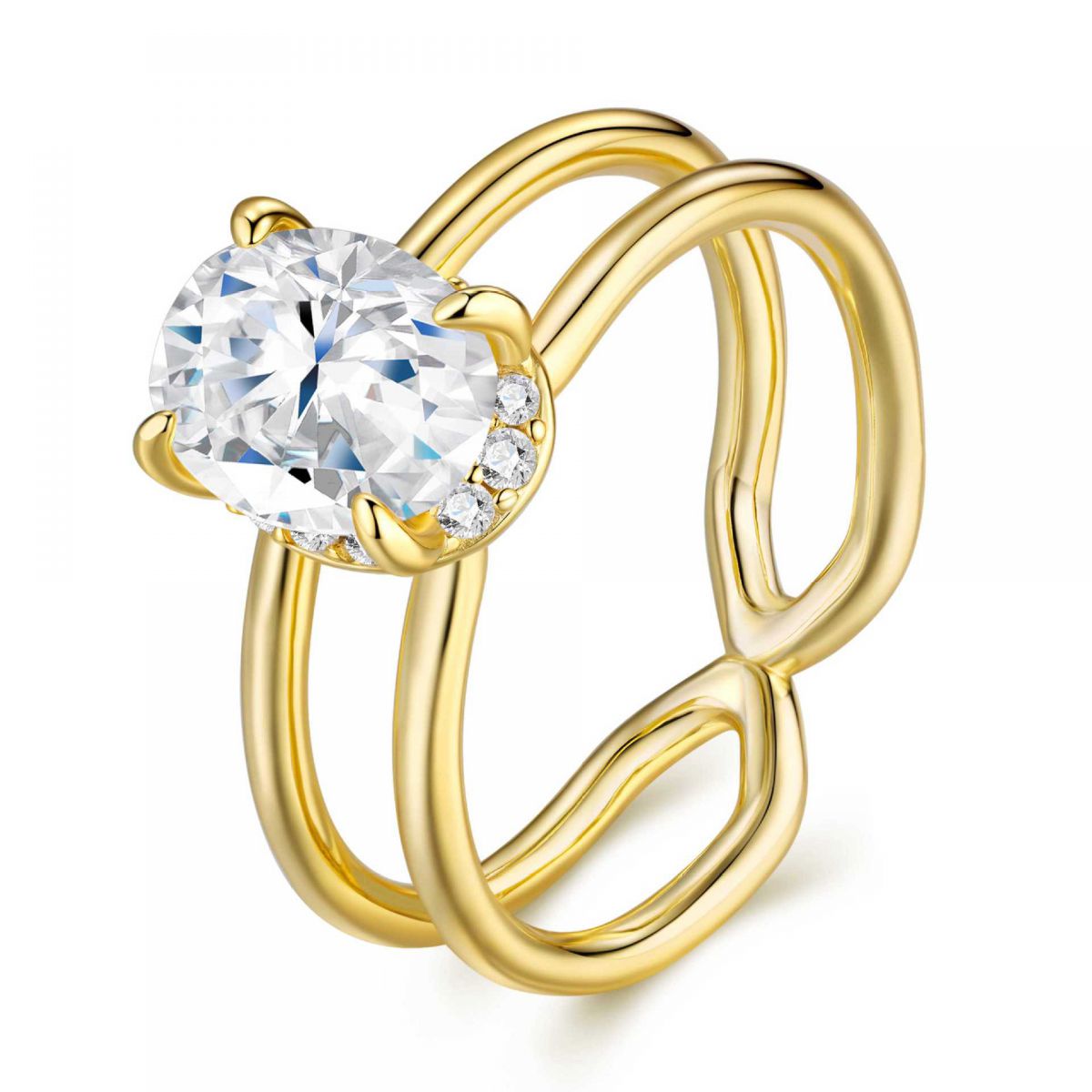
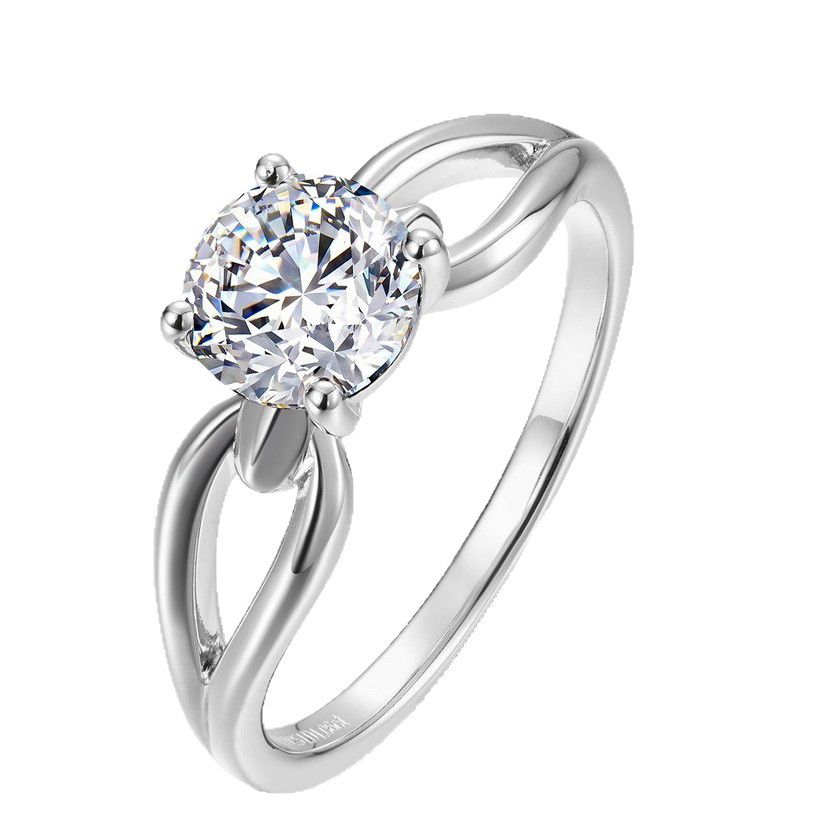
A solitaire on a plain band sits flush with almost anything. A solitaire with a halo or a cathedral head does not. The band needs a curve cut into it to nest against the head. If the band does not sit flush, the ring tilts on her finger and the bride notices within a week. Stock the right profiles and the flush question answers itself.
| Band profile | Sits flush with | Wholesale band (silver) | Retail price |
|---|---|---|---|
| Straight comfort fit, 2mm | Plain solitaires | $6 - $11 | $30 - $55 |
| Straight pavé, 2mm | Plain solitaires | $18 - $28 | $90 - $150 |
| Contoured curved band, 2mm | Halos and cathedral heads | $20 - $32 | $100 - $170 |
The three profiles every shelf needs
You do not need to stock every band shape ever made. Three profiles cover the demand:
- A straight 2mm comfort fit for plain solitaires - the default.
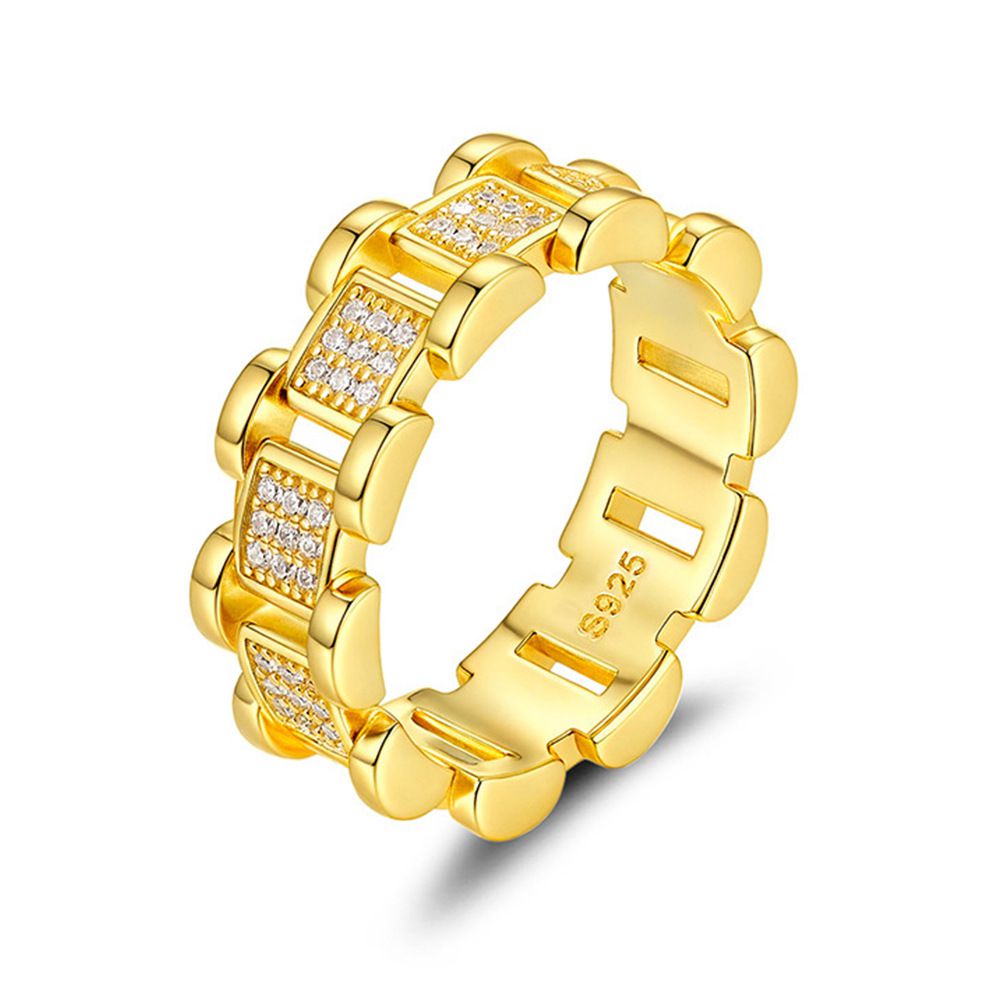
- A straight pavé band for brides who want sparkle.
- A contoured curved band for halo and cathedral heads.
Carry these in sizes 6 and 7, one of each, and you have answered the flush question for about 90% of your customers. The rest are custom orders, and you quote those against a deposit.
The upsell that happens in the mirror
A bride who tries on a plain solitaire and then a plain band will often say the two together look 'plain.' That is the moment to hand her the pavé band. About one in three brides takes the upgrade, and the dollar jump on that one transaction is larger than the margin on the engagement ring. Keep the pavé band in size 6 near the solitaire case so the comparison is two seconds away. The upsell happens when the band is in her hand, not when you describe it.
Matching metal tone
The band has to match the ring. A white-toned solitaire paired with a yellow-toned band looks mismatched, and the customer notices even if she cannot explain why. Stock the three profiles in the tone your local customer already buys. If your shop skews white, stock white. If it skews rose, stock rose. Do not try to carry every tone in every profile on day one; that is six SKUs you may not need. You can review the band profiles and tones currently in stock inside our wholesale wedding ring range.
The curved band and the flush fit
A halo or cathedral head sits high on the finger, and a straight band will not nest against it without a gap. The contoured band has a curve cut into its inner edge that hugs the head. When the two sit together, there is no visible gap and the solitaire does not tilt. That fit is the detail brides notice the moment they try the set on. Have one contoured band in size 6 so the halo customer can try the pair together.
Half-eternity versus plain for the second band
About two-thirds of brides buy a plain band that sits flush. The remaining third buys a half-eternity band lined with small accents. The half-eternity is the upsell. It wholesales at roughly three times the plain band and retails at roughly three times the price, and it converts about one in three brides when shown in the mirror. Keep one in size 6 near the solitaire case so the comparison is immediate.
- Stock a straight comfort fit, a straight pavé, and a contoured curved band.
- Carry sizes 6 and 7 in depth; order the edges to demand.
- Match the band tone to the ring tone before the customer asks.
- Show the pavé upgrade in the mirror rather than describing it.
The second sale happens in the mirror, not on the price tag. The bride who tries on a plain band next to her ring and says it looks 'plain' is the one who takes the pavé upgrade. Have it in her hand and the upsell closes itself.
Three profiles, two middle sizes, and a pavé band in size six. That small shelf answers the flush question for most customers and creates the upsell in the mirror. Stock it, display it next to the solitaires, and the second sale happens without a hard push. The bride leaves with a set that sits flush; you leave with a larger ticket. Review the band profiles before the next order and deepen whichever tone your customers actually wear. The flush fit sells itself once the right band is in her hand.
The history and conventions of engagement rings are outlined in the Wikipedia entry on engagement rings.
Frequently Asked Questions
What ring sizes can you supply in bulk?
US sizes 5–12 including half sizes. Send a size breakdown with your order and we cast to that curve; comfort-fit inner bands reduce resize requests.
Can I order a mixed size run instead of one size?
Yes. Mixed runs are standard for wholesale: specify quantity per size and we pack and label by size at no extra labor cost.
What is the MOQ for custom ring designs?
50 pieces per design for existing molds; 100–300 pieces when a new mold or CAD model is required.
How should I price rings for retail margin?
Most partners use a 3–4x markup on FOB cost for sterling and 2.5–3x for moissanite solos, which keeps landed cost under 30% of retail.
Send your spec sheet — stone, cut, size, plating and quantity — and we will return a costed timeline.
Ask the workshop