Loose Stones
Loose Stones Wholesale: retail packaging
Loose Stones and Retail-Ready Packaging: What Wholesale Buyers Need to Decide Before Ordering
Loose stones are the starting point for most custom jewelry programs, and how they arrive at your facility matters as much as the stones themselves. When you source loose stones for wholesale resale or in-house setting, packaging decisions affect inspection speed, damage rates, storage efficiency, and how quickly your team can move inventory into production or onto the sales floor.
This guide walks through the practical choices a US wholesale buyer faces when ordering loose stones, from carat-based purchasing and grading paperwork to stone papers, vials, and shipment timelines.
Why Packaging Matters for Loose Stones
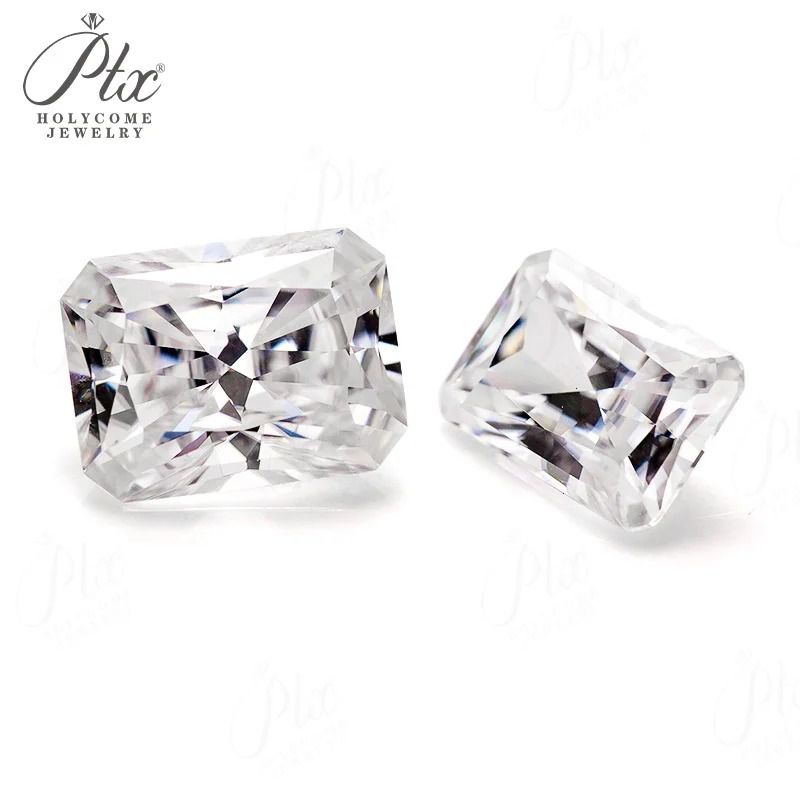
Unlike finished jewelry, loose stones have no case or setting to protect them. A diamond alternative shipped loose in a plastic bag can chip during transit, and an unlabelled parcel creates sorting work the moment it arrives. For buyers who resell loose stones directly to jewelers or hobbyist setters, retail-ready packaging also shapes perceived value.
A stone presented in a labeled gem jar with its grading report attached reads as a professional product; the same stone in an unmarked envelope reads as a commodity.
Packaging also drives operational cost. If your team measures, weighs, and relabels every incoming stone, each parcel adds minutes of labor. Suppliers who pack stones in standardized containers with printed carat weights and clarity notes let your receiving team verify counts in seconds and move stock straight to bins or display trays.
Ordering Basics: Carats, MOQ, and Pricing
Loose stones are sold by the carat, which differs from finished pieces where MOQ applies per style. For stock styles of finished jewelry, the minimum order is 1 piece, and custom work requires 30 pieces, but loose stones follow carat-based pricing instead. This gives buyers flexibility: you can order a single large center stone for a custom commission or a multi-carat parcel for ongoing production.
Pricing is quoted per piece or per carat depending on the item, so confirm which basis applies before comparing quotes. A per-carat price on a 0.5 carat stone and a 3 carat stone will differ significantly, and the same applies across color and clarity grades. Ask your supplier to break out the per-carat rate by grade so your costing sheets stay accurate when you build finished pieces around each stone.
Matching Stone Specs to Your Setting Program
Before ordering, list the exact sizes your settings require. Round stones in common millimeter sizes move fastest, while fancy cuts need tighter tolerance because prongs and bezels are cut to match. Share your setting drawings or cad files with the supplier so stones arrive within the tolerance your setters can work with. Ordering stones slightly outside spec leads to remounting costs, loose fits, and wasted labor that packaging cannot fix.
Grading Papers: GRA and IGI
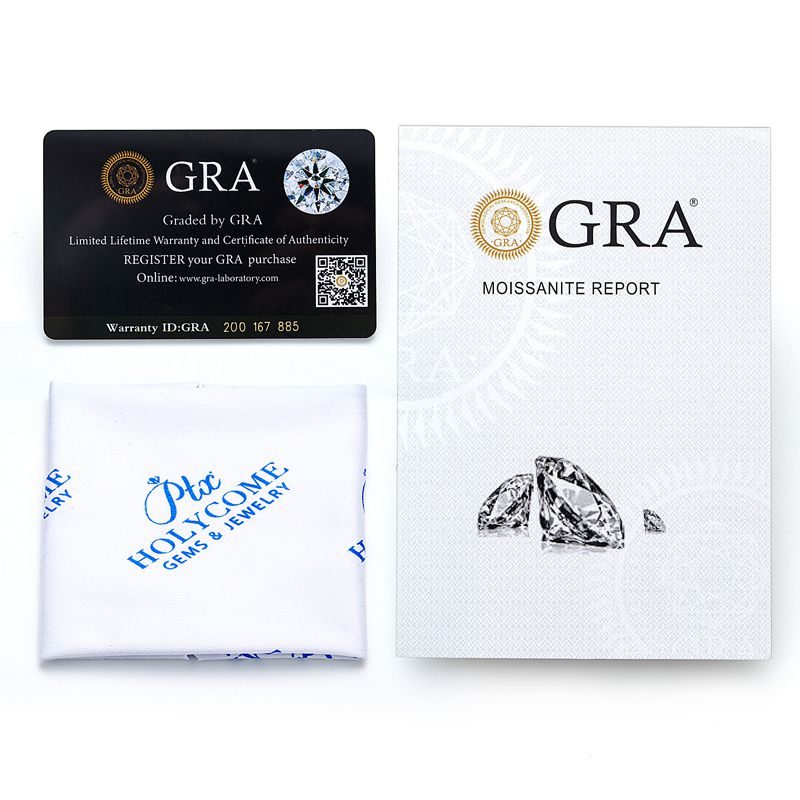
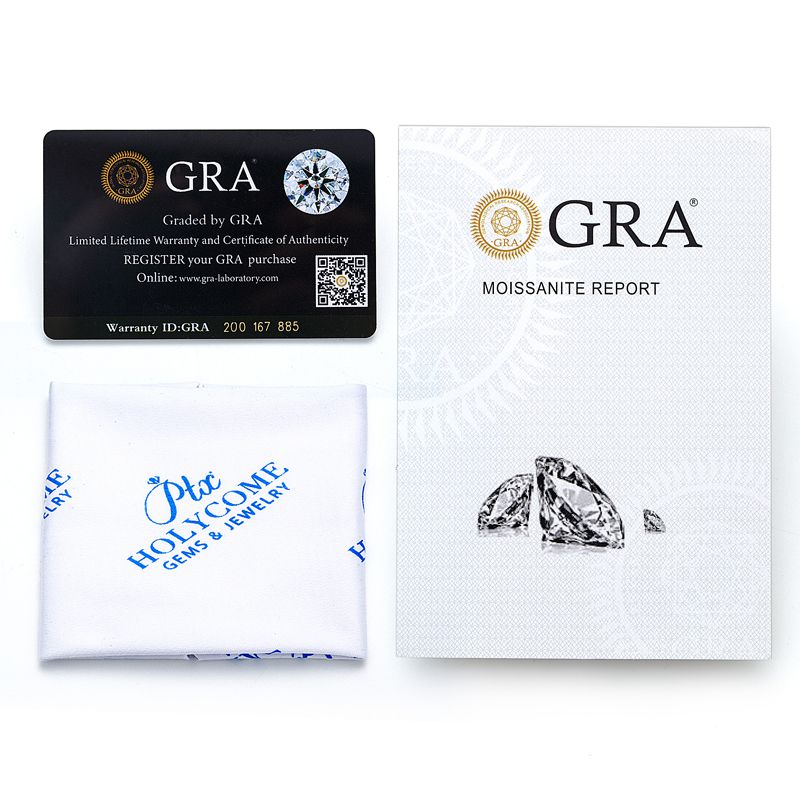
Graded stones come with GRA or IGI papers, and the certificate travels with the stone through packaging and delivery. Decide early whether your program needs certified stones or whether ungraded stock works for your price point. Certified stones cost more per carat but give your retail customers documentation they can present at resale. For stones sold to end consumers as set jewelry, a certificate enclosed in the same retail box as the finished piece simplifies your fulfillment process.
Packaging Options for Loose Stones
Suppliers typically offer several packing formats, and the right choice depends on whether the stones are headed for production, storage, or direct retail sale. Discuss packaging at the quote stage, not after production, because repacking at the factory adds handling steps and delays.
| Packaging Format | Best Use | Key Benefit |
|---|---|---|
| Individual gem jars | Retail resale of loose stones | Labeled, display ready, protected |
| Stone papers with reports | Certified center stones | Certificate stays with the stone |
| Compartment trays | Calibrated parcels for setting | Fast count checks and sorting |
| Sealed plastic vials | Small accent stones and melee | Low cost, compact storage |
Match the format to the destination. Stones bound for your own setting bench can travel in trays; stones sold over the counter need jars or papers that look professional on a display shelf. If you sell online, ask whether jars can include barcodes or printed labels so your fulfillment team scans rather than re-labels.
Labeling and Traceability Requirements
Every container should carry the stone type, carat weight, and grade reference so your inventory system can track it. For certified stones, the report number on the label should match the GRA or IGI paper inside. Request this labeling standard in writing before the order ships. Consistent labeling reduces receiving errors and makes recounts straightforward when you reconcile parcels against invoices.
Protection During Transit
Loose stones face two transit risks: physical damage and loss. Individual wrapping or foam-lined trays prevent stone-on-stone contact that can chip edges, especially on pointed cuts like marquise and pear. For high-carat orders, ask how parcels are sealed and whether each container is counted and sealed at packing. A supplier with a three-stage quality control process, covering incoming material, in-process checks, and a pre-ship AQL inspection, will pack against a verified count, which keeps your receiving reconciliation simple.
Quality Control Before Stones Are Packed
Packaging is the last step before shipment, so the inspection that precedes it determines what your labels claim. A three-stage QC process means stones are checked when raw material arrives, monitored during cutting and polishing, and inspected again under AQL sampling before packing. For loose stones, the pre-ship stage should confirm carat weight against the invoice, match certificate numbers to stones, and check each stone for chips or abrasions under magnification.
Ask your supplier to document the pre-ship inspection and pack only after it clears. This sequencing matters: if inspection happens after packing, opening sealed containers to recheck stones defeats the purpose of sealed retail packaging. Suppliers who inspect first and seal second can ship retail-ready parcels you can shelve or reship without reopening.
Sampling Before You Commit to Bulk
Sample orders let you evaluate both the stones and the packaging before committing. Sampling takes 7 to 10 days, and bulk production runs 15 to 25 days after you approve the sample. Use the sample round to test how stones arrive: check whether labels match certificates, whether jars seal properly, and whether the packing survives a domestic US shipment. PayPal is accepted for sample orders, which keeps the evaluation phase low risk before you move to larger T/T payments.
Shipping Loose Stones to the US
DDP delivery to the US takes 5 to 8 days, with duties and shipping handled so parcels arrive at your door without surprise customs charges. For loose stones, DDP is especially useful because high-value parcels otherwise attract broker fees and delays. Confirm that the declared contents match the packing list, since a mismatch between declared goods and actual contents can hold a parcel at customs and delay your production schedule.
Payment terms follow the standard structure: T/T with a 30 percent deposit and the 70 percent balance before shipment. Because the balance is due before the parcel leaves, use the sample phase to lock down packaging specs and labeling so nothing changes between approval and shipment. Any packaging change requested after production starts adds handling time and can push your delivery window.
Receiving and Putaway on Your End
Plan your receiving process before the shipment lands. Assign bin locations by stone type and carat range, and have a scale ready to spot-check weights against labels. When parcels arrive in labeled jars or compartment trays, receiving becomes a count-and-file task rather than a repacking project. Buyers who skip this planning often end up storing stones in whatever containers they arrived in, which creates confusion when pickers pull stock for setting orders.
Order Terms for Wholesale Buyers
MOQ is 1 piece for stock styles and 30 pieces for custom work, and loose stones are sold by the carat. Sampling takes 7 to 10 days, and bulk production runs 15 to 25 days after the sample is approved. Pricing is quoted per piece or per carat depending on the item. Payment is T/T with a 30% deposit and the 70% balance before shipment, and PayPal is accepted for sample orders.
Frequently Asked Questions
Can I order just one loose stone?
Yes. Loose stones are sold by the carat, so you can order a single stone or a multi-carat parcel. The 1-piece MOQ applies to stock styles of finished jewelry, and 30 pieces applies to custom work, while stones are priced per carat or per piece depending on the item.
What packaging comes with graded stones?
Graded stones include their GRA or IGI papers, which should travel in the same container as the stone. Confirm at the quote stage that certificates are enclosed and that labels reference the report numbers so your team can match paperwork to stones at receiving.
How long does the full order cycle take?
Sampling takes 7 to 10 days, and bulk production takes 15 to 25 days after sample approval. DDP shipping to the US then takes 5 to 8 days, so plan your inventory calendar around that combined timeline.
What payment terms apply to loose stone orders?
Sample orders can be paid through PayPal. Bulk orders use T/T with a 30 percent deposit and the 70 percent balance due before shipment. Because the balance precedes shipping, finalize packaging and labeling during the sample phase.
How are loose stones inspected before packing?
Stones pass through a three-stage QC process: incoming material checks, in-process monitoring, and a pre-ship AQL inspection. The pre-ship stage verifies carat weights, certificate matches, and surface condition before containers are sealed.
Get Started with Retail-Ready Loose Stones
Packaging is not an afterthought for loose stones; it determines how fast your team can inspect, store, and sell what arrives. Decide your container format, labeling standard, and certificate handling during the sampling window, and confirm all of it in writing before bulk production begins. Review the wholesale sourcing guides on our blog for more detail on stone programs and jewelry production, then reach out through our contact page to request a loose stone quote.
If you have questions about grading papers, MOQ terms, or shipping timelines, our FAQ section covers the details most buyers ask about first.
Sources: Grading references: GIA gem education and GIA laboratory information.
Send your spec sheet — stone, cut, size, plating and quantity — and we will return a costed timeline.
Ask the workshop