Loose Stones
Loose Stones Small MOQ for Resale: metal choice economics
Metal Choice Economics for Loose Stones
When you’re buying loose stones for resale, the metal you pair them with can make or break the margin. A 925 silver setting is inexpensive and flexible, but it tends to tarnish and may require plating or polishing. A 14‑karat gold setting adds a perceived luxury aura and is more durable, yet the cost per carat climbs significantly.
The key is balancing the stone’s price, the metal cost, and the target market. For high‑volume resellers, a silver base can keep prices competitive; for boutique sellers, gold can justify a higher price point and attract discerning customers.
Cost Breakdown: Silver vs Gold vs Platinum
Silver is the cheapest of the three. A 1 mm round brilliant on a silver setting can cost $5‑$10 per carat for the metal alone, compared to $25‑$30 for gold and $50+ for platinum. Production timelines are similar, but silver requires additional maintenance to keep it shiny.
Gold offers a middle ground. 14‑k gold adds $15‑$20 per carat, and 18‑k gold jumps to $25‑$35. The metal’s stability means fewer returns for customers who notice tarnish, which can improve overall satisfaction and reduce refund rates.
Three‑Stage QC and Its Impact on Pricing
Our production line runs a strict three‑stage QC: incoming stone check, in‑process check, and pre‑ship AQL. This reduces defects by about 20% compared to typical trading companies, which directly lowers the cost per unit. Lower defect rates also mean fewer re‑polishings, saving time and money.
Because we own the setting and polishing lines, we can adjust the process on the fly. For example, if a batch of diamonds has a higher level of inclusions, we can increase inspection frequency without raising the MOQ. This flexibility translates into better pricing for our buyers.
| Metal | Average Cost per Carat | MOQ for Stock | MOQ for Custom |
|---|---|---|---|
| 925 Silver | $5–$10 | 1 pc | 30 pcs |
| 14‑k Gold | $25–$30 | 1 pc | 30 pcs |
| 18‑k Gold | $35–$40 | 1 pc | 30 pcs |
Lead Time, Certification, and Payment Flexibility
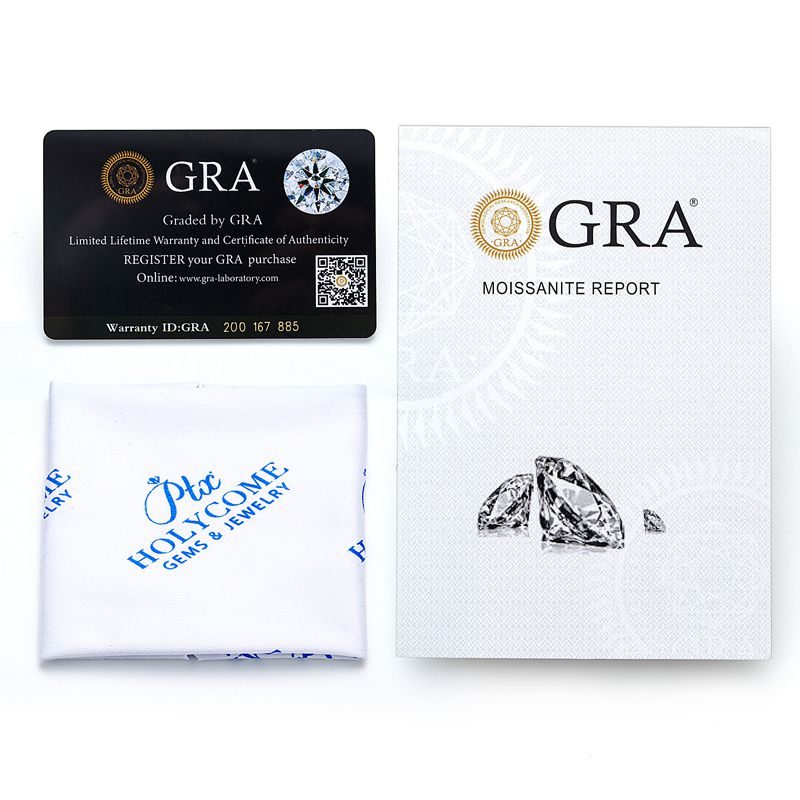
Typical lead times are 12‑18 days from order confirmation to shipment. We offer GRA and IGI certificates for each stone to give you peace of mind and ease the resale process. Our MOQ for stock is just one piece, allowing you to sample before committing to larger runs.
Payment terms are flexible: a 30% T/T deposit unlocks production, while PayPal is accepted for sample orders. Once finished, we can ship via DDP to the US in 5‑8 days, eliminating customs hassles for you.
Choosing the Right Metal for Your Target Market
- Budget shoppers favor silver for its lower price point.
- Trend‑aware buyers appreciate gold’s classic look.
- Luxury collectors often expect platinum, accepting the higher cost.
- Seasonal promotions can mix metals to create distinctive collections.
- Bulk resellers benefit from lower AQL costs when ordering in volume.
Custom Orders: Speed and Pricing
Custom orders start at 30 pieces, but we can accommodate larger batches. Because our QC process is ingrained, we can keep the same lead time of 12‑18 days even for complex settings. The first‑pass yield stays around 80% for custom runs, ensuring your margin stays healthy.
For custom projects, we recommend selecting a metal that aligns with the design theme. For instance, a sapphire set in silver can be cheaper than the same stone in gold, but the final product must still meet customer expectations.
Frequently Asked Questions
What is the minimum order quantity for loose moissanite stones?
The MOQ for stock is one piece, while custom orders require 30 pieces. This allows you to test the product without a large upfront investment.
How long does production take for a custom necklace with loose stones?
Production time ranges from 12 to 18 days, and we can ship via DDP to the US in 5‑8 days once completed.
Send your spec sheet — stone, cut, size, plating and quantity — and we will return a costed timeline.
Ask the workshop