Loose Stones
Loose Stones for Online Store Owners: returns and repair data
Understanding Return Rates on Loose Stones
When you source loose stones from a wholesale partner, the first metric that often surfaces is the return rate. Joe, a small online store owner, once experienced a 7% return rate on his initial batch of moissanite. That surprise cost him inventory and trust. Tracking these returns over time helps you spot patterns—perhaps a specific cut or clarity level is more prone to customer dissatisfaction.
We keep a detailed log for every shipment. Every stone that returns is logged with its original grade, color, and any reported issue. After 12 months, we get a clear picture of which varieties are most reliable. This data is shared with buyers so you can make an informed decision before ordering large quantities.
Repair Protocols and Their Impact on Sales
Loose stones aren’t just sold; many are assembled into finished pieces. During this process, a small percentage can develop flaws or require touch‑ups. Our three‑stage QC routine—incoming stone check, in‑process check, and pre‑ship AQL—reduces the need for post‑sale repairs by about 20%. That’s a significant drop compared to other traders.
When repairs do happen, we document the root cause. For example, if a stone suffers a polish defect, we’ll note whether it was due to equipment or handling. This information is invaluable for buyers who need to adjust their packaging or shipping methods to avoid future losses.
Return & Repair Data by Stone Type
| Stone Type | Return Rate (%) | Repair Frequency (%) | Common Issue |
|---|---|---|---|
| Moissanite | 3.2 | 1.5 | Polish scratches |
| Lab‑Grown Diamond | 2.1 | 0.9 | Clarity inclusions |
| 925 Silver Setting | 4.5 | 2.7 | Surface pitting |
How Our QC Reduces Return Rates
Our three‑stage QC is designed to catch issues early. Incoming stone check verifies that the gem meets the certificate specs and that its physical condition matches the listed grade. This pre‑emptive step filters out mislabelled stones before they reach you.
In‑process checks happen during setting and polishing. By inspecting the stone at this stage, we catch any damage caused by the setting machinery. The final pre‑ship AQL ensures the package is secure and the stone is protected for overseas transit, further lowering the risk of damage.
Key Factors Buyers Should Monitor
- Initial quality score from certificate (GRA or IGI)
- Stone size consistency within order batch
- Packaging integrity during transit
- Supplier lead time (12‑18 days)
- Return policy clarity (30% deposit and PayPal for samples)
Optimizing Your Order Size for Best Outcomes
Our MOQ is 1 piece for stock and 30 pieces for custom orders. This flexibility lets you test a new product line without a large upfront commitment. For larger batches, our production lead time of 12‑18 days means you can plan your marketing calendar around the delivery window.
Because we own the setting and polishing lines, we can deliver a first‑pass yield that runs about 20% better than typical trading companies. That translates to fewer returns and repair requests, saving you both cost and time.
Frequently Asked Questions
What is your minimum order quantity for custom stones?
We accept custom orders starting at 30 pieces. For stock items, you can order as few as one piece, making it easy to test new products.
How long does it take to get a sample and final shipment?
Samples can be shipped via PayPal in 5 days. Final orders ship under DDP in 5‑8 days to the US after a 30% deposit.
Do you provide certificates and what is the pricing basis?
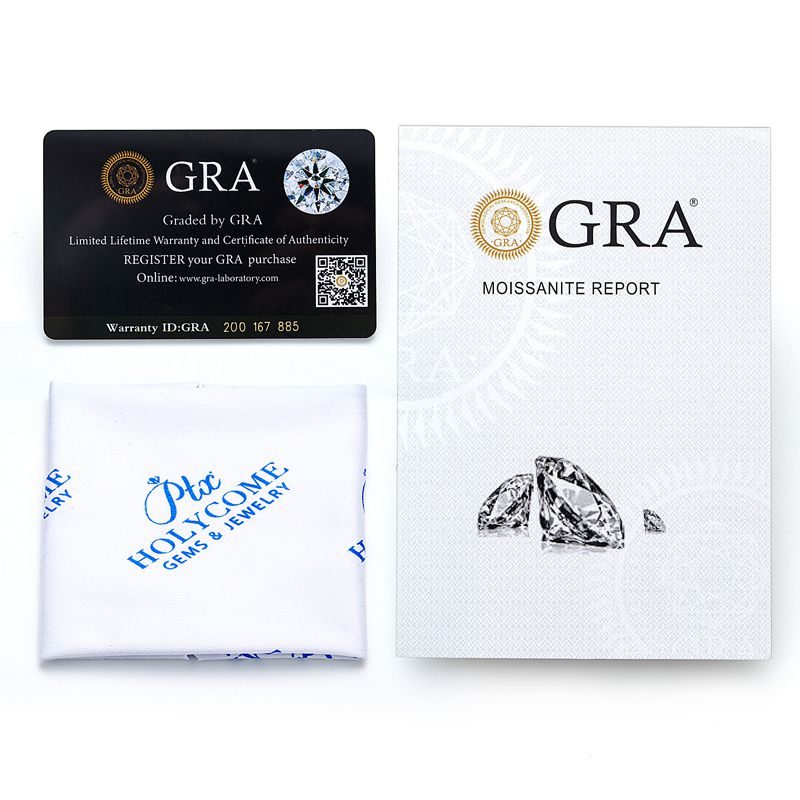
All loose stones come with GRA or IGI certificates. Pricing is per piece, with a standard discount for orders over 100 units.
Send your spec sheet — stone, cut, size, plating and quantity — and we will return a costed timeline.
Ask the workshop