Bridal Sets
Lab-Grown Diamond vs Moissanite: Margin Comparison
The customer who walked in five years ago choosing between a mined diamond and a $300 moissanite ring now has a third option: a lab-grown diamond at $1,500. That has changed the conversation. As a retailer, your job is to know where each product wins on margin so you can stock the right tier for the customer standing in front of you. The short answer is that lab-grown diamonds win on credibility; moissanite wins on margin. Most shops need both.
The side-by-side numbers
Compare a one-carat-equivalent center in each material, set in a silver or white-gold mount, at wholesale and retail.
| Moissanite (6.5mm D VVS1) | Lab-grown diamond (1 ct, VS) | |
|---|---|---|
| Wholesale center stone | $18 - $30 | $350 - $600 |
| Wholesale finished solitaire | $32 - $48 | $400 - $700 |
| Typical retail price | $150 - $250 | $1,200 - $2,000 |
| Gross margin on solitaire | ~75% | ~60 - 65% |
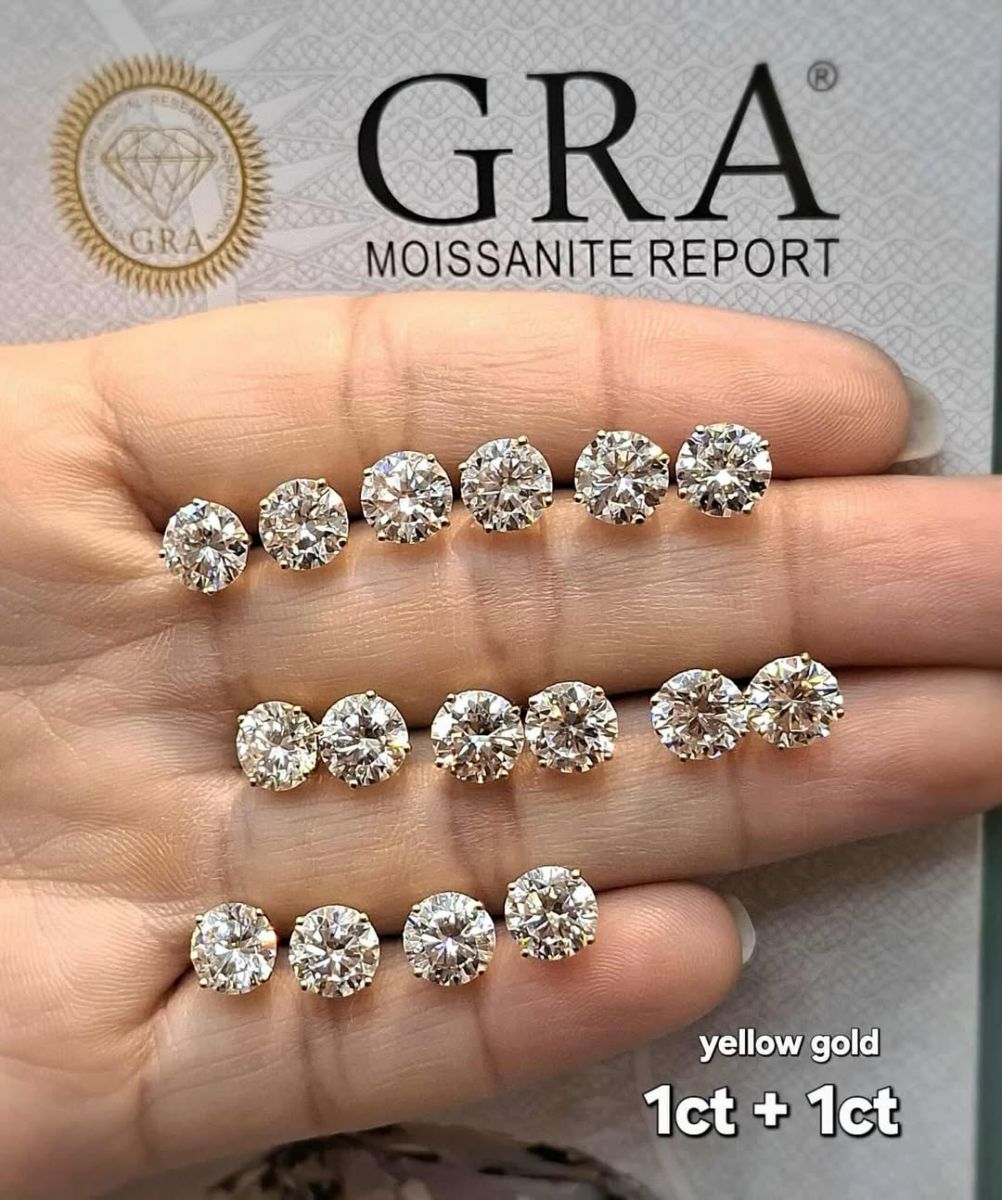
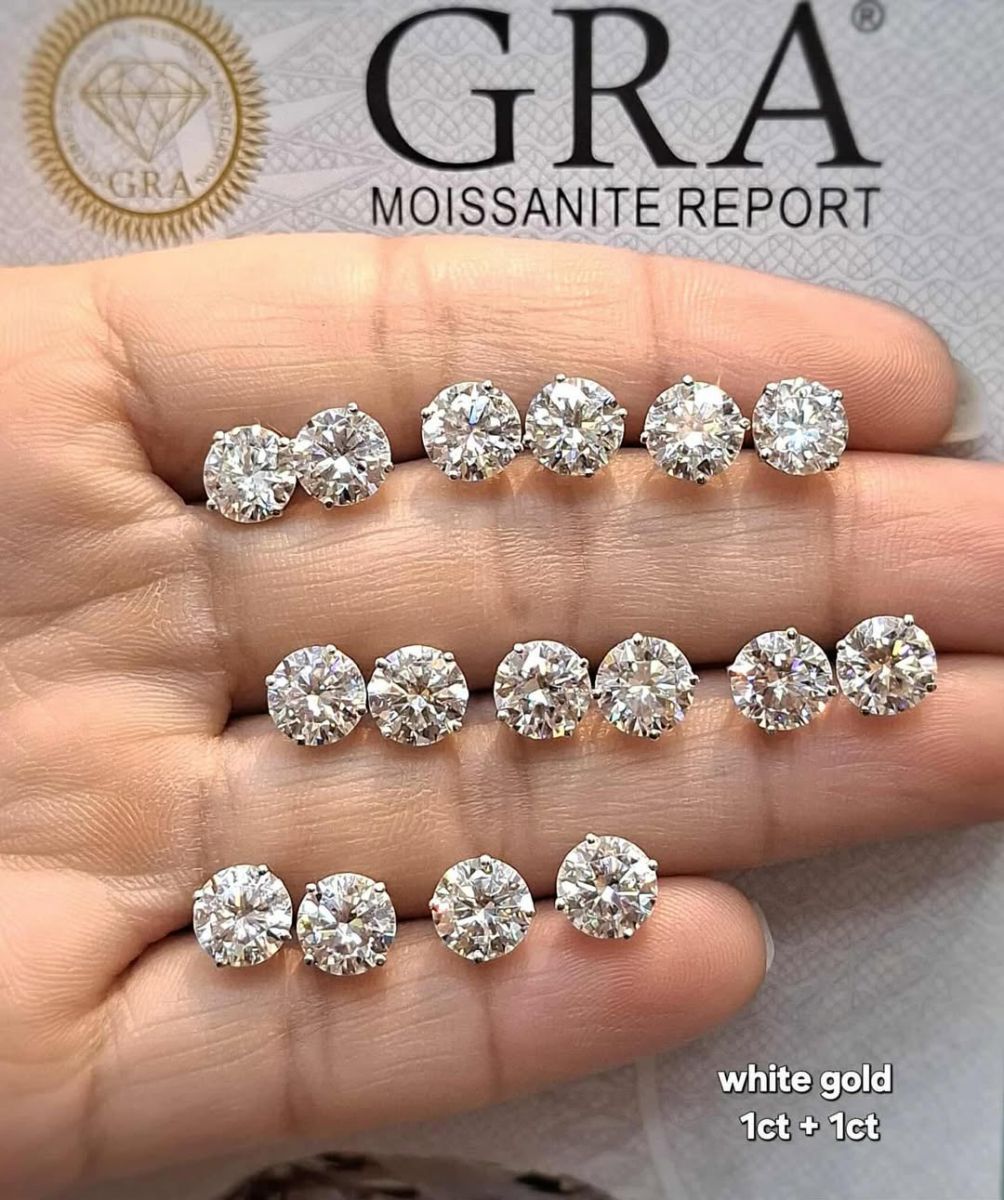
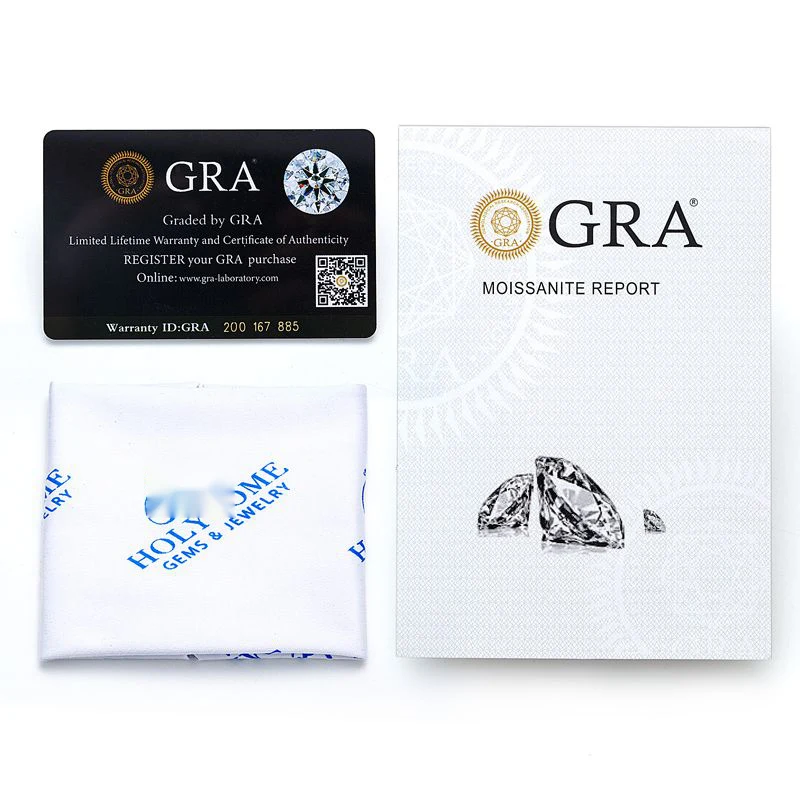
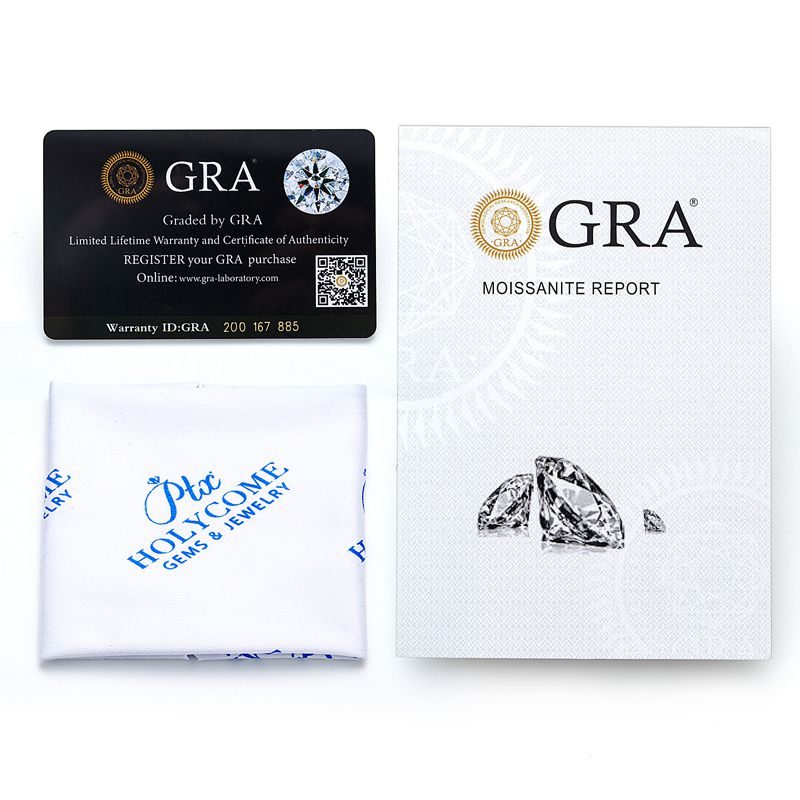
| Certificate | GRA | IGI / GCAL |
Where moissanite wins
Moissanite wins on margin per transaction and on the price band it serves. A $199 moissanite solitaire sells to a customer who would otherwise buy a $3,000 mined diamond on credit. The margin in dollars is smaller than a lab-grown sale, but the turnover is higher and the cash tied up in inventory is a fraction. A shop can carry ten moissanite solitaires for the wholesale cost of one lab-grown diamond ring. For a small retailer, that working-capital math usually decides.
Where lab-grown wins
Lab-grown diamonds win on the customer who wants a real diamond at a lower price. She has done the research, she knows lab-grown is chemically identical, and she will not accept a simulant. For that customer, moissanite is a non-starter. Stocking one or two lab-grown solitaires lets you keep her in the shop rather than watching her leave. The margin is thinner per dollar, but the absolute dollars on a $1,500 sale still beat a $199 moissanite sale.
- Stock moissanite deeply; it turns fast and ties up little cash.
- Carry one or two lab-grown solitaires to keep the diamond customer in store.
- Price the moissanite against the lab-grown, not against mined diamond.
- Do not frame moissanite as a diamond alternative; frame it as its own product.
Which customer buys which
The moissanite customer is buying a ring she will wear every day at a price she does not have to finance. The lab-grown customer is buying a diamond, at a price she can afford. They are not the same person. Stock for both and let the customer self-select. You can review the moissanite bridal sets and solitaires, and compare wholesale tiers, inside our wholesale bridal collection before you build the two-tier shelf.
Working capital and the shelf
The margin comparison is only half the story. The other half is working capital. One lab-grown diamond solitaire wholesales at four hundred dollars or more. That same cash buys ten moissanite solitaires on the shelf. For a small retailer, that difference decides how much of the case is stocked at any given time. Ten solitaires cover ten customers a month; one lab-grown ring covers one. Most small shops need the breadth that moissanite provides, with one or two lab-grown pieces to keep the diamond customer in the building.
How to talk about the two without comparing
The worst move is to pitch moissanite as 'a diamond for less money.' That frames it as a substitute and invites the customer to judge it against the real thing. The better framing is that moissanite is its own material: brighter than diamond, lighter, and a fraction of the cost. The lab-grown diamond is for the customer who specifically wants a diamond. The moissanite is for the customer who wants a beautiful ring she can wear daily without financing it. Let them self-select.
- Stock moissanite deeply; it turns fast and ties up little cash.
- Carry one or two lab-grown solitaires for the diamond customer.
- Frame moissanite as its own product, not a diamond substitute.
- Price the moissanite against the lab-grown, not against mined diamond.
The shops that carry both tiers serve the whole customer. The shops that carry only one lose the customer who wants the other. You do not need a huge lab-grown shelf; you need one or two pieces to keep that shopper in the store while she considers the moissanite alternative.
Carry both tiers, frame each on its own terms, and let the customer choose. Moissanite funds the shelf with fast turns and low cash tied up; one or two lab-grown pieces keep the diamond shopper in the store. The shops that serve both win the whole customer. You do not need a huge lab-grown wall; you need enough to keep that shopper walking through your door. After a season, your own sell-through tells you which tier to deepen. The two-tier shelf is the one that keeps every bride walking out of your store with something she loves.
Gemstone grading terminology used here follows the Gemological Institute of America’s gem encyclopedia.
Frequently Asked Questions
Is moissanite a good diamond alternative for retail buyers?
Yes for price-sensitive customers who want brilliance and hardness. Moissanite ranks 9.25 on the Mohs scale, holds up to daily wear and costs a fraction of a natural diamond of the same size, so it resells fast in bridal and fashion lines.
What is the minimum order for wholesale moissanite?
MOQ starts at 50 pieces per design for stock items. Custom cuts and private-label settings usually start at 100–300 pieces depending on the mold.
Do you provide certificates with moissanite stones?
Yes. Every parcel ships with GRA or IGI documentation listing carat weight, color grade and cut. We recommend passing the certificate to your end customer for trust.
How long does sample and bulk production take?
Samples ship in 3–5 days. Bulk runs take 15–20 days under 500 pieces, and 25–30 days for custom work.
Send your spec sheet — stone, cut, size, plating and quantity — and we will return a costed timeline.
Ask the workshop