Bracelets & Bangles
Hinged Bangle Clasp Types: Snap, Box, and Slide Clasps Compared
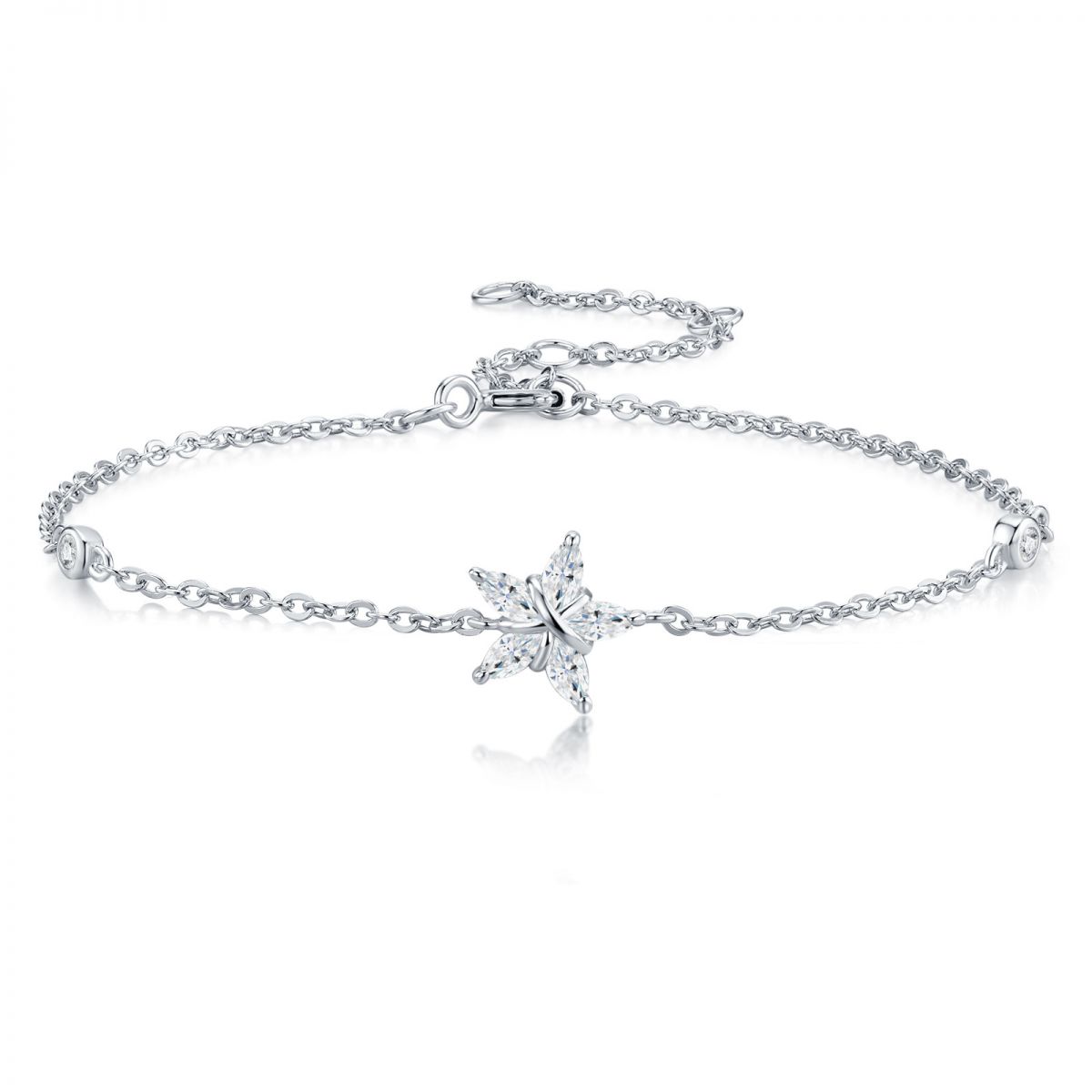
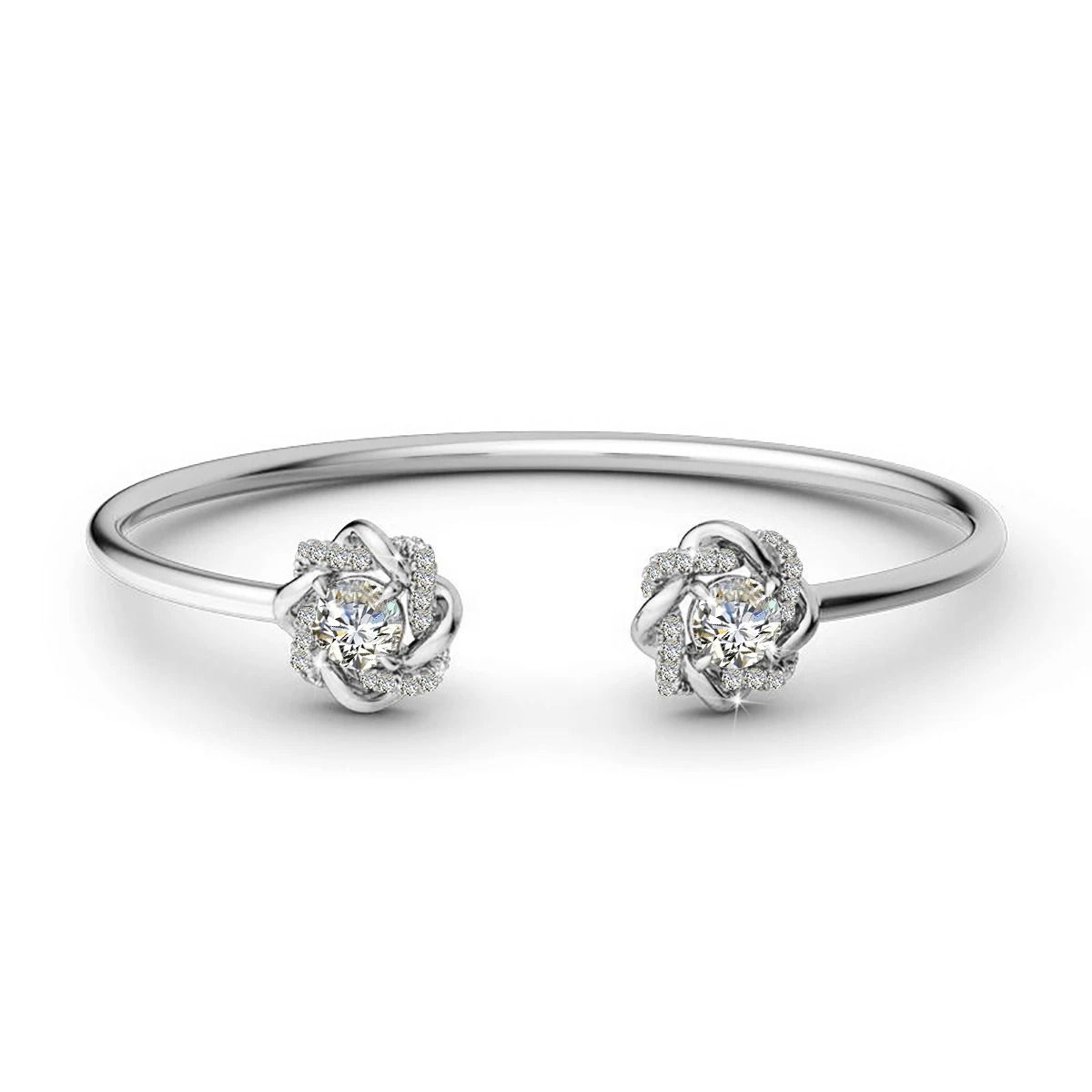
Bangles are among the most elegant pieces in a bridal stack. They slide over the wrist, sit flush against the bone, and photograph beautifully when layered with a watch or a thin chain. But a bangle that opens on its own is not an accessory, it is a lost piece. Hinged bangles depend entirely on their clasp, and the clasp design determines whether the bangle stays on through the first dance.
Why hinged bangles need a clasp at all
Most bangles are rigid circles. To slip a rigid circle over a wrist without distorting it, the bangle must open. That means a hinge on one side and a closure on the other. The closure has two jobs: it must hold the bangle closed under normal movement, and it must open easily enough to put on and take off one-handed. The best clasps do both without a struggle, and they keep doing both for years of daily wear.
Snap clasp: simple and common
The snap clasp is the simplest hinge closure. A small lip on one side snaps into a groove on the other, held by spring tension. It is easy to operate and inexpensive, which makes it common on fashion and plated bangles. On a display model it feels snappy and secure, which is why it is easy to overlook the long-term issue.
The weakness of a snap clasp is that it relies on a thin spring. Over years, the spring fatigues, the snap loosens, and the bangle can pop open if it catches on fabric or a sleeve. Snap clasps are fine for occasional wear but less reliable for a bangle the bride plans to wear daily. If she stacks bangles, a snap clasp on one piece can catch the next bangle and work itself open without her noticing.
Box clasp: the security standard
A box clasp folds a tongue into a square box and locks it with a small spring. It is the closure most often found on fine jewelry and on pieces with pavé stones along the outer edge. Box clasps feel solid when they click, and many include a side figure-eight safety latch that doubles the hold against accidental opening.
For a bridal bangle that carries stones, a box clasp with a safety latch is the choice to look for. It is the same family of clasp trusted on tennis bracelets, where lost stones are the real cost. A bangle with a box clasp will outlast a snap-clasp piece in daily wear, and it can be repaired when the latch eventually wears rather than being replaced outright.
Slide and hidden clasp: clean lines, hidden mechanics
Slide clasps tuck the closure under the bangle so no hardware shows on the outside. They are common on diamond-set bangles where a visible clasp would break the line of stones. Slide clasps are elegant but rely on tight tolerances; a poorly made slide can bind or slip. They are best purchased from a maker who stands behind the hinge, because a repair on a hidden clasp is more involved than on an exposed box clasp.
How to test a clasp before you buy
Hold the closed bangle by the hinge side and give the closure a gentle sideways tug. It should not open. Listen for a firm click, not a soft catch. Check that the hinge pivots smoothly without play. If the bangle wiggles at the hinge when closed, the fit is loose and will only loosen further with wear. For sizing context, our guide on bracelet sizing and wrist fit explains why a bangle that is too loose puts extra stress on the clasp every time the wrist turns, and why the right size matters as much as the clasp itself.
Care habits that extend clasp life
Open and close the clasp with two hands rather than prying it with a fingernail. Remove bangles before applying lotion, because oils migrate into the hinge and attract dust that grinds the mechanism down. Once a year, have a jeweler check the hinge pin and tighten a loose box clasp. A clasp that clicks cleanly on purchase can develop play after a year of daily wear, and a five-minute tightening prevents a loss that could happen on the busiest day of someone's life. If the bangle carries pavé stones, ask the jeweler to check the seatings at the same visit, since a loose stone near the clasp is easy to overlook until it is gone.
The bottom line
For a bridal bangle she will wear on the wedding day and for years after, choose a box clasp with a safety latch. Snap clasps are fine for fashion pieces that see occasional use, and hidden slide clasps suit brides who prioritize a clean visual line. Whatever the clasp, test the tug before you commit, because a bangle is only as secure as the small mechanism that holds it shut.
The International Gem Society moissanite guide explains how moissanite performs in daily wear compared with diamond.
Authoritative References
For buyers who need to verify the technical and regulatory basis of this guide, the following independent institutions publish authoritative reference data:
- ISO 9001 Quality Management - the international standard for consistent production quality.
- Wikipedia: Jewelry - manufacturing processes, materials and global trade background.
Frequently Asked Questions
What bracelet materials sell best for wholesale?
316L stainless steel and 925 sterling silver. Steel is price-stable and tarnish-resistant; silver captures the gift segment at a higher ticket.
Do you offer mixed-material stacking sets?
Yes. Stacking sets of two to five bands are assembled and packed as a single SKU, which raises average order value without extra inventory.
How do I handle sizing for bracelets?
Bracelet sizing is forgiving: 7 inch fits most women and 8 inch most men. Offer both and note the measurement in your listing.
What is the MOQ and lead time?
50 pieces per design, samples 3–5 days, bulk 15–20 days.
Send your spec sheet — stone, cut, size, plating and quantity — and we will return a costed timeline.
Ask the workshop