Bracelets & Bangles
Tennis Bracelet Clasp Types: What to Stock and Why
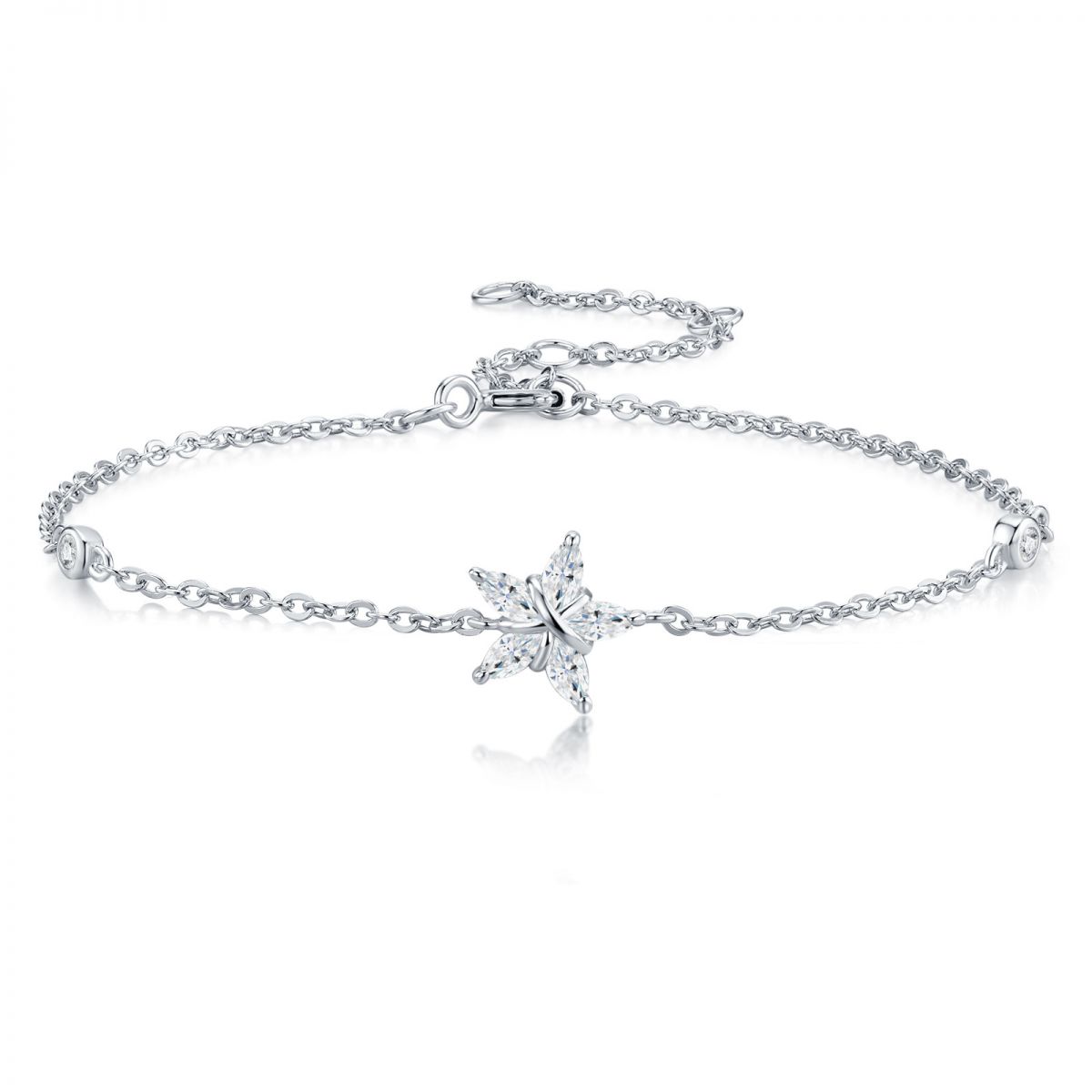
A tennis bracelet fails in two ways: a prong opens and a stone falls out, or the clasp releases and the whole piece slips off the wrist. The first is a bench fix. The second is the one that ends a customer relationship, because a bracelet that falls off in a parking lot does not come back to your shop. When you stock tennis bracelets for resale, the clasp is the component to scrutinize before the stone row. It costs a dollar or two more per bracelet to do it right, and it eliminates the returns that otherwise eat the margin on the whole category.
The four clasp types you will see
Not all clasps are built to the same standard. Here is how they compare on the bench and on the wrist.
| Clasp type | Strength | Best for | Failure mode |
|---|---|---|---|
| Spring ring | Low | Thin chains, not bracelets | Opens on its own, easy to lose |
| Lobster claw | Medium | Chains, casual bracelets | Clips can wear and spring open |
| Box clasp, no safety | Medium-high | Budget tennis bracelets | Pops open under a hard knock |
| Box clasp + figure-eight safety | High | Fine tennis bracelets | Rarely fails; needs both releases opened |
Why the box-and-figure-eight wins
A box clasp closes by sliding a tongue into a box and snapping shut. On its own, it can pop open if the bracelet catches on a sleeve. The figure-eight safety is a second, separate loop that clips over the clasp and has to be opened deliberately. For the bracelet to fall off, both the box and the safety have to release at once, which almost never happens during normal wear. The high-end chains build every fine tennis bracelet this way for a reason: it is the clasp that survives a customer who never takes the piece off.
The arrival check that takes thirty seconds
When a bracelet arrives, pull gently on the chain from both ends. The clasp should not give. Open and close the figure-eight safety a few times; it should click cleanly and not stick. Check that the extension chain is attached and that the two end rings sit flush against the stone row. If the clasp feels soft, if the safety does not click, or if the end rings wobble, send the piece back rather than putting it in the case. A bracelet that looks perfect in a box but opens on a customer's wrist is the one she will return in three weeks, and she will tell three friends about it.
Teaching the customer to use the clasp
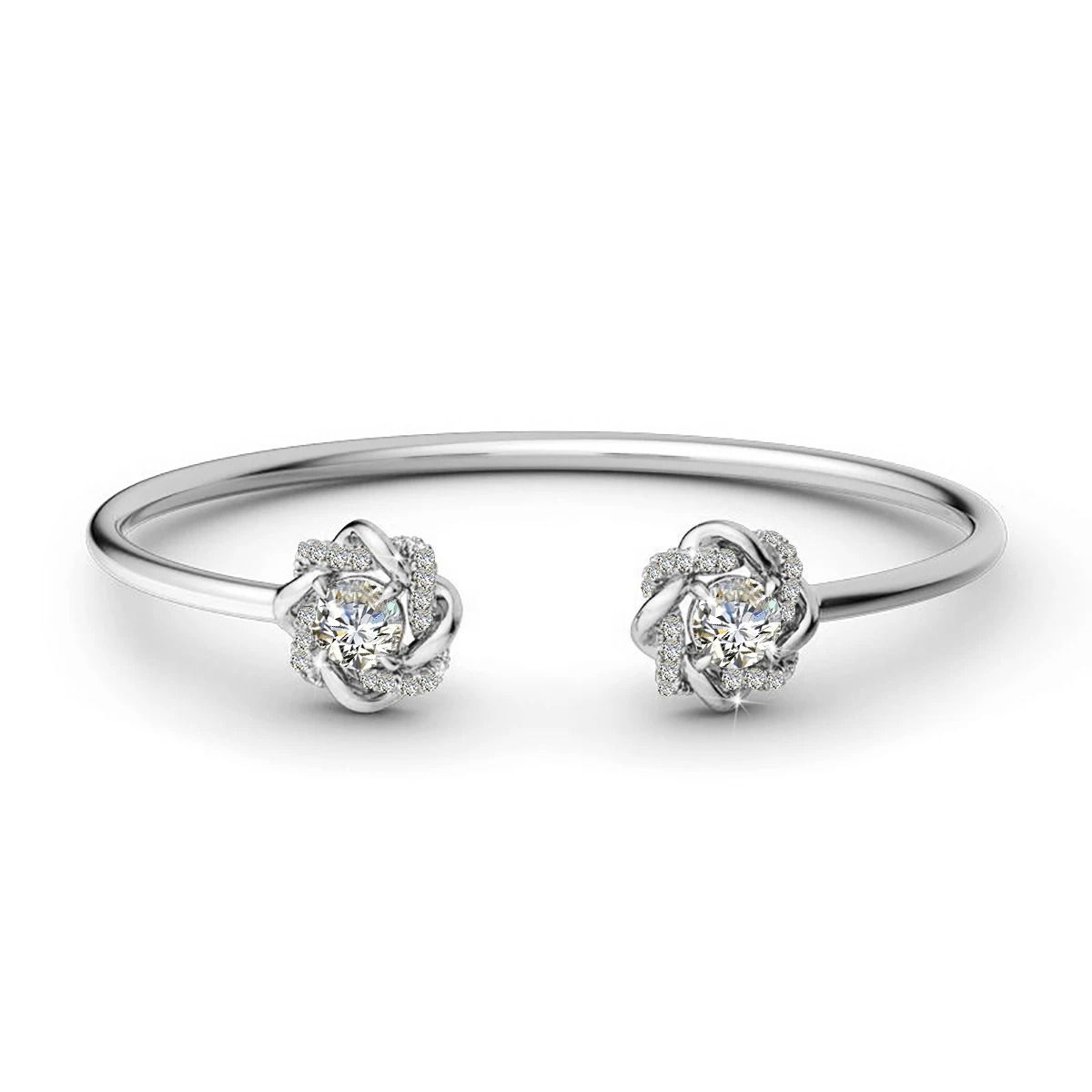
Most loss claims happen because the customer does not know the figure-eight exists. She opens the box clasp, puts the bracelet on, and forgets to close the safety. At the sale, show her both releases on her own wrist. It takes thirty seconds and it is the difference between a bracelet that stays on and one that ends up in a lost-and-found bin. Tell her to open the safety first, then the box, every time. That one habit protects the piece long after she has left the store. You can review the current bracelet range, all built on box-and-figure-eight clasps, inside our wholesale bracelet collection.
Warranty habits that protect the category
When a tennis bracelet comes back with a loose stone, the cause is almost always a prong that opened rather than a stone that shattered. Moissanite is hard enough that a dropped bracelet rarely cracks the stone. What happens is a prong catches on a sweater, loosens, and the stone falls out weeks later when the customer least expects it. Check the prongs on every bracelet that comes in for a cleaning, and tighten any that wiggle.
- Pull the clasp gently on arrival; it should not give.
- Open and close the figure-eight safety a few times to confirm it clicks.
- Tighten any loose prong at the six-month cleaning visit.
- Show the customer both releases on her own wrist at the sale.
A tightened prong is a free service that takes two minutes and protects the brand. The customer who brings the bracelet back for a free clean and finds a loose prong tightened leaves feeling looked after. She also usually brings a friend the next time she is in the market. That word of mouth is the quiet engine of a small bridal shop, and it starts with a clasp and a set of prongs you checked before they failed.
Stock the box-and-figure-eight clasp across every bracelet you carry. It costs a dollar or two more per unit and it removes the loss claims that otherwise eat the category. When a customer asks which clasp is safest, point to the figure-eight and show her both releases. The answer sells the bracelet; the hardware protects the sale long after she has left the store.
For third-party reference, the Wikipedia article on moissanite details moissanite’s discovery, optical properties and use in jewelry.
Frequently Asked Questions
What bracelet materials sell best for wholesale?
316L stainless steel and 925 sterling silver. Steel is price-stable and tarnish-resistant; silver captures the gift segment at a higher ticket.
Do you offer mixed-material stacking sets?
Yes. Stacking sets of two to five bands are assembled and packed as a single SKU, which raises average order value without extra inventory.
How do I handle sizing for bracelets?
Bracelet sizing is forgiving: 7 inch fits most women and 8 inch most men. Offer both and note the measurement in your listing.
What is the MOQ and lead time?
50 pieces per design, samples 3–5 days, bulk 15–20 days.
Send your spec sheet — stone, cut, size, plating and quantity — and we will return a costed timeline.
Ask the workshop