Wedding Rings & Bands
Gold vs Silver Bridal Bands: What to Stock by Region
The metal tone that sells in your store depends less on fashion and more on where the store is. A shop in a Sun Belt suburb sees rose gold outsell white two to one. A shop in a Pacific Northwest downtown sees white and platinum tones dominate. A shop in a Texas mall sees yellow gold make a comeback that coastal shops have not noticed yet. Ordering the same mix for every region is the single most common inventory mistake we see, and it is the easiest to fix once you know the pattern.
The regional pattern
We track band orders across US markets, and the tone split is consistent enough to plan around.
| Region type | Top tone | Second tone | Stock note |
|---|---|---|---|
| Sun Belt suburbs (AZ, TX, FL) | Rose gold | Yellow gold | Rose outsells white by 2:1 |
| Pacific Northwest downtowns | White / platinum | Rose gold | White dominates corporate customers |
| Northeast malls | White gold | Yellow gold | Classic, conservative buyer |
| Midwest small towns | Yellow gold | White gold | Yellow still leads bridal |
Climate and plating wear
Plated .925 silver wears faster in humid climates. A band worn daily in Florida or coastal Texas will show the base metal through the plating in six to nine months, compared to twelve to eighteen months in a dry inland climate. That does not mean you should stop stocking plated silver in humid markets; it means you should price a re-plating service into the relationship. Offer a low-cost re-plate on return visits, and the customer comes back into the store twice a year instead of assuming the ring wore out. In dry climates, plated silver survives well enough that the re-plate offer is optional.
When to move to solid gold
Solid 10k or 14k gold is the upgrade tier for customers who will not wear plated silver, and it sells best in markets where the customer already owns gold jewelry. If your region skews yellow, carry one or two solid yellow-gold bands per width rather than every size. If it skews white, carry solid white gold for the premium tier. Do not try to stock solid gold across every tone on day one; the gold price swings make that an expensive way to experiment. Start with plated, read your market for a season, then add solid gold where the demand shows.
The starter mix
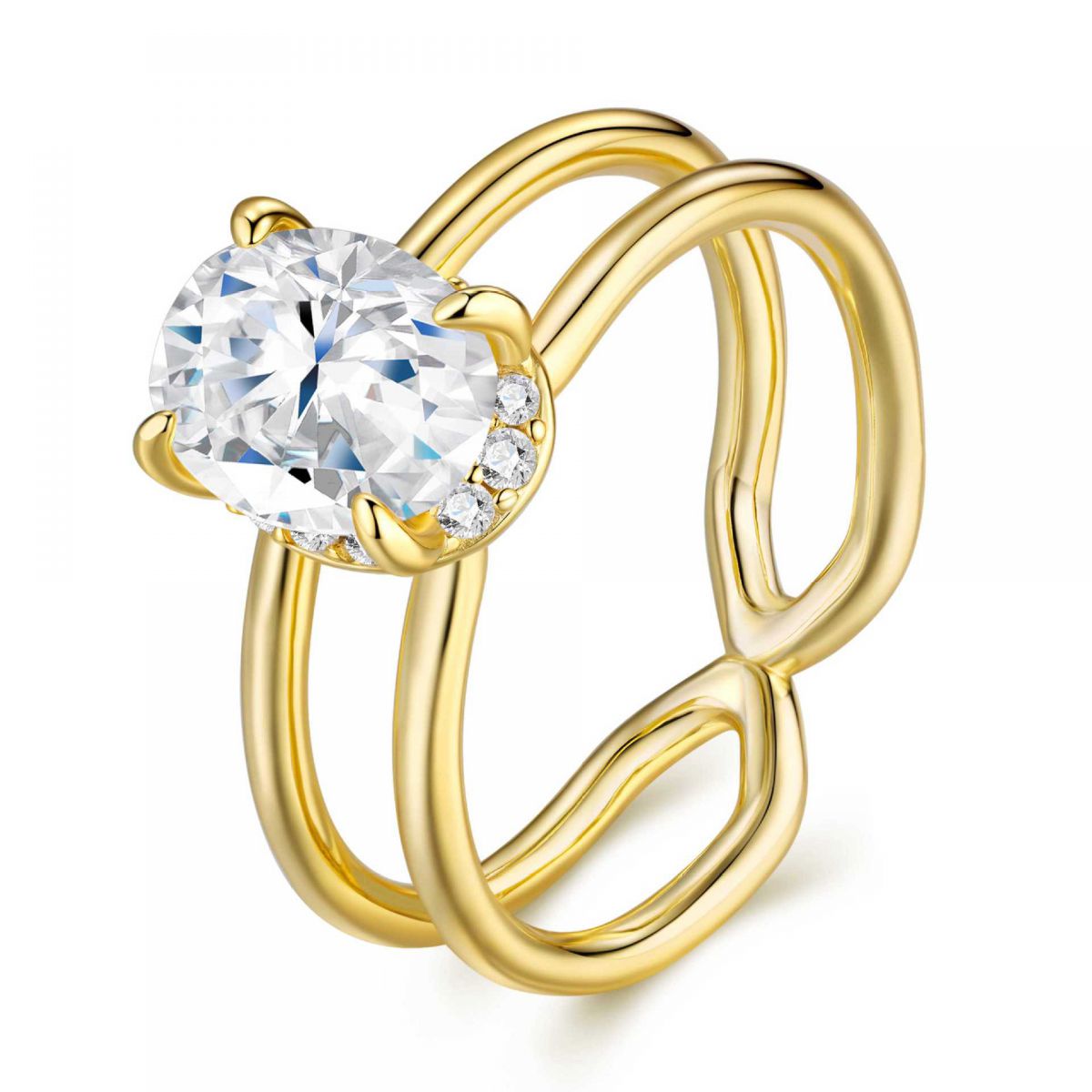
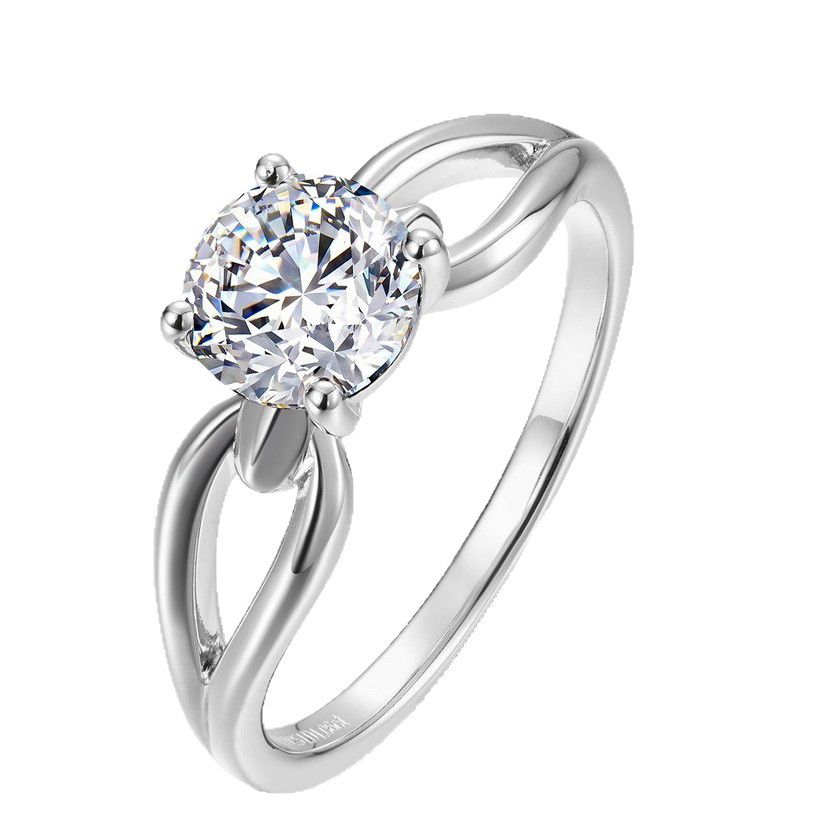
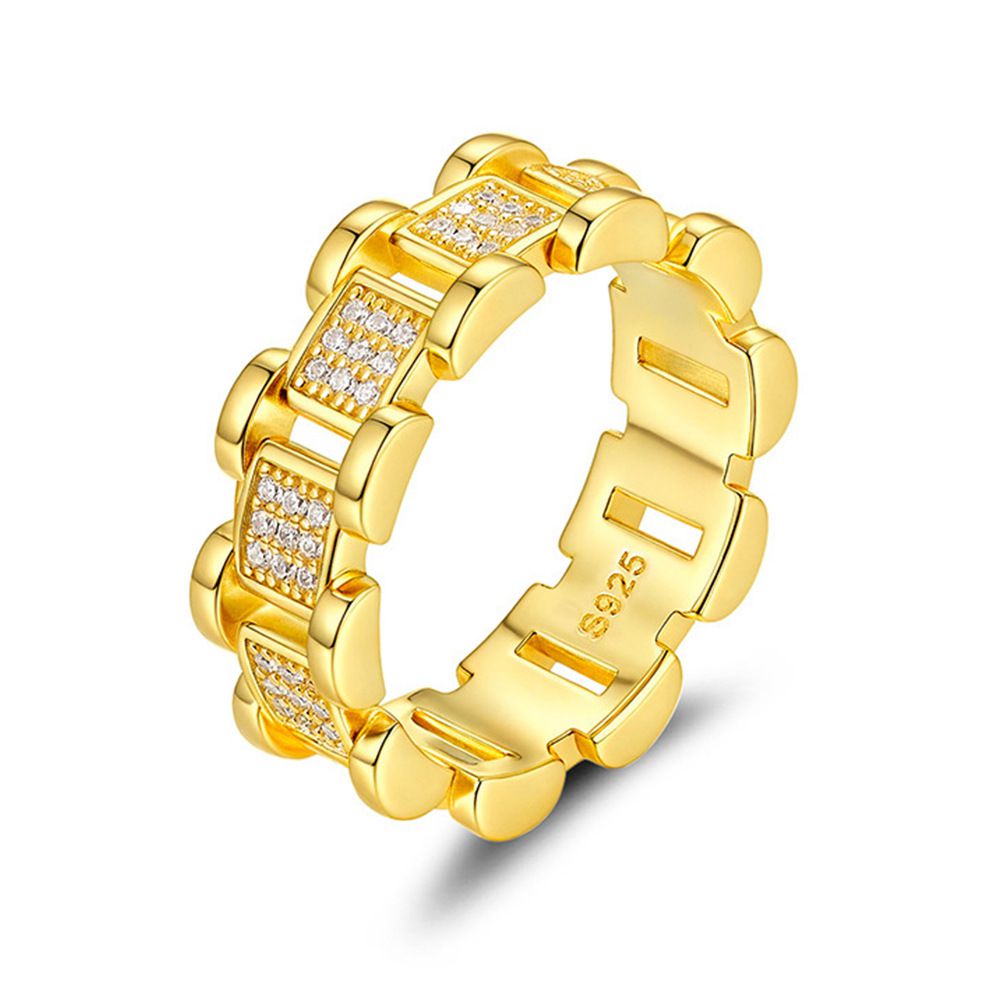
If you are opening a bridal band shelf and have no local history to read, start with 60% white-toned plated silver, 25% rose, 15% yellow. That covers the broadest customer. After one selling season, cut the tone that underperformed and deepen the one that walked out fastest. You can review the band tones currently in stock and order samples of each before you commit to a full order inside our wholesale wedding ring range.
Testing your region without overcommitting
If you are unsure which tone your local customer buys, do not guess with a full order. Buy one sample band in each tone - white, rose, yellow - in the middle width and middle size, and put all three in the case. Watch which one customers try on, rather than only which one they buy. The try-on rate tells you what people are drawn to; the buy rate tells you what they actually commit to. After a season, deepen the tone that got tried on and bought, and thin the one that sat untouched.
- Open with 60% white, 25% rose, 15% yellow if you have no local data.
- Stock one sample of each tone before committing to depth.
- Track try-on rate as well as purchase rate, on a simple tally sheet.
- In humid climates, offer a low-cost re-plating service on return visits.
- Move to solid gold only after a season of clear plated demand.
Regional taste is real, but it is not permanent. Sun Belt shops that stocked only rose for five years are now seeing white pick up as younger buyers move in. Re-check your tone mix once a year rather than setting it and forgetting it. The shelf that adapts stays relevant; the shelf frozen in a 2019 mix slowly empties out.
Read your region for one season before you commit to a tone. The sample order, the try-on tally, and the sell-through rate will tell you more than any national trend report. Then deepen the tone that walked out and thin the one that sat. Regional taste shifts slowly, but it does shift, which is why the tone mix wants a yearly review rather than a once-and-for-all decision. The shelf that adapts stays relevant; the shelf frozen in last year's mix slowly empties. In humid markets, budget for a re-plating service and advertise it; it turns a warranty conversation into a return visit. That visit is worth more than the service itself, because she will browse the pendant case while she waits.
The 92.5% silver composition and properties of sterling silver are described in the Wikipedia entry on sterling silver.
Frequently Asked Questions
How do I prevent sterling silver from tarnishing in storage?
Use anti-tarnish bags with a sulfur absorber, keep humidity under 60% and avoid paper wrapping. Rhodium plating adds a further barrier on high-turn SKUs.
Is rhodium plating worth the added cost?
Yes for display and gift lines. It resists tarnish for 12–18 months and keeps shelf pieces bright, which reduces markdowns.
What purity do you supply?
925 sterling silver, stamped and hallmarked. Fine silver (.999) is available for beads and bullion-style pieces.
What is the MOQ and lead time?
50 pieces per design, samples 3–5 days, bulk 15–20 days.
Send your spec sheet — stone, cut, size, plating and quantity — and we will return a costed timeline.
Ask the workshop