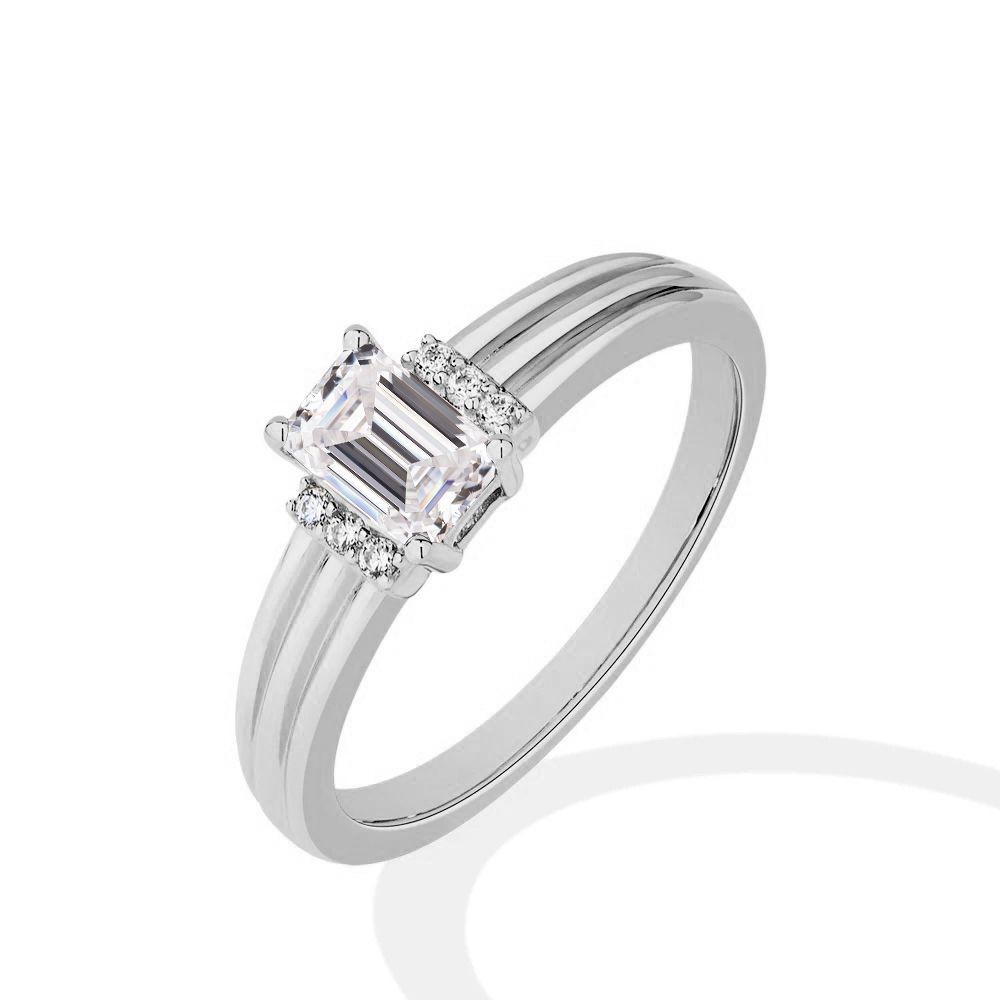
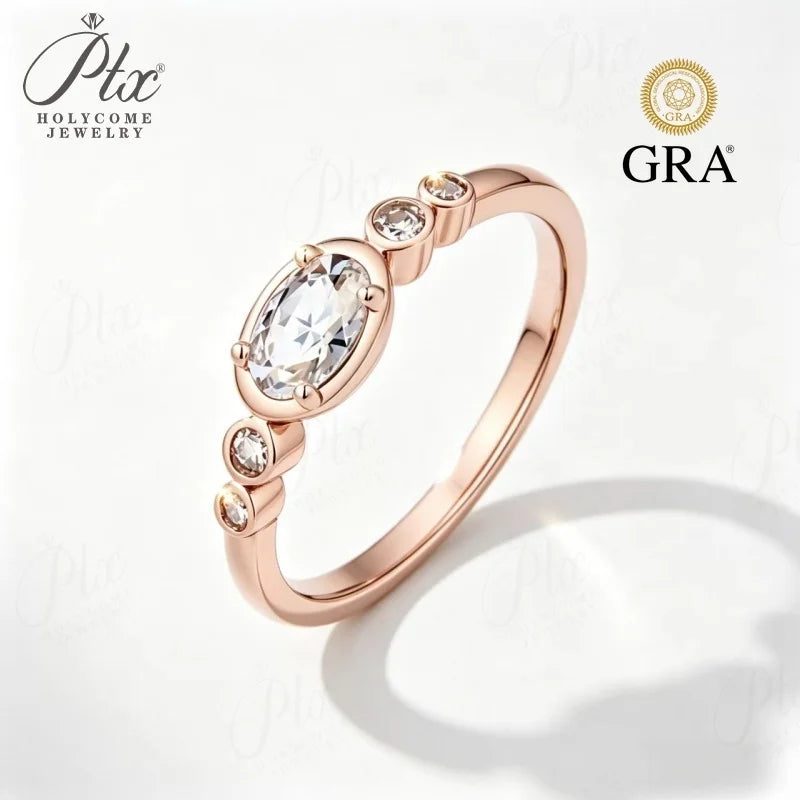
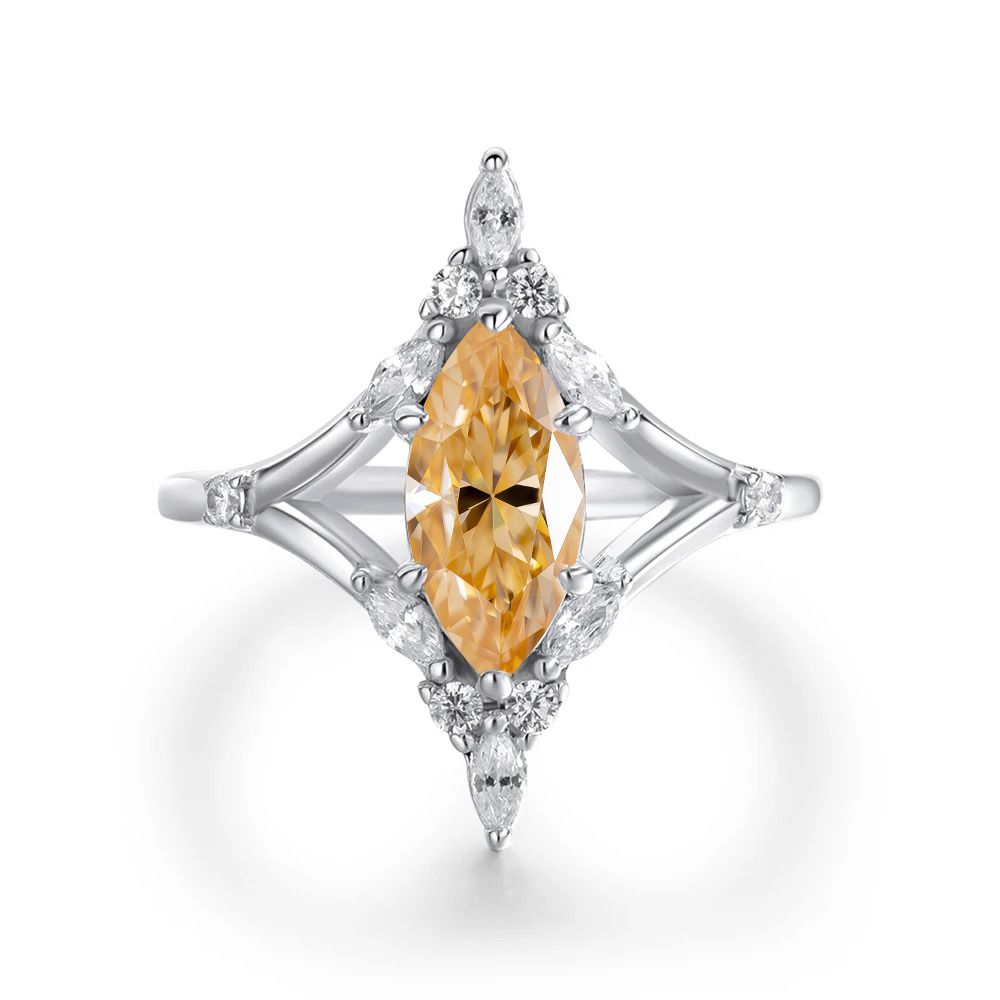
Engagement Rings
Engagement Rings Wholesale: payment terms
Engagement Rings Wholesale: How Payment Terms and Deposits Actually Work
For wholesale buyers sourcing engagement rings, the standard payment structure is a T/T wire transfer with a 30 percent deposit to start production and the remaining 70 percent balance due before shipment. Sample orders follow a different path and can be paid through PayPal, which lowers the risk when you are still evaluating a new supplier.
Understanding how these terms interact with production timelines, quality control checkpoints, and delivery schedules is what separates a smooth reordering relationship from a cash flow headache.
This article walks through the payment decisions you will face at each stage of an engagement ring order, from first sample to repeat bulk production, so you can plan capital allocation with real numbers instead of guesswork.
Why Payment Terms Matter More for Engagement Rings
Engagement rings sit at the higher end of a jewelry catalog. They combine a precious metal setting with a graded center stone, which means a single order can tie up more capital than several hundred pairs of stud earrings. When a supplier asks for a deposit, you are advancing funds before you have inspected the finished goods, so the structure of that payment matters to your risk exposure.
The Two-Stage Payment Structure Explained
Most wholesale engagement ring transactions use T/T bank transfer split into two stages. You send a 30 percent deposit when the order is confirmed, which authorizes the factory to purchase metal and loose stones and schedule production. The 70 percent balance is wired before the goods ship, meaning the factory finishes production, completes final inspection, and then waits for your remaining payment before releasing the carton.
This structure protects both sides. The supplier is not fully exposed if a buyer cancels mid-production, and you are not paying for finished goods you have not seen. The practical implication for your cash flow is that you need liquidity at two points: when you place the order and roughly two to four weeks later when production wraps.
PayPal for Samples, T/T for Bulk
Sample orders follow lighter terms. Because samples are low-value and time-sensitive, suppliers accept PayPal for sample payments. This gives you a familiar, dispute-capable channel while you evaluate the ring quality, the accuracy of the stone grading, and the plating or casting finish. Once you convert that sample into a bulk order, payment moves to T/T with the 30/70 split.
Matching Payment Milestones to Production Timelines
Payment terms only make sense when you map them against the production calendar. For engagement rings, the typical sequence runs in two phases: sampling first, then bulk production after you approve the sample.
- Sampling takes 7 to 10 days, and you pay for it through PayPal up front.
- Bulk production takes 15 to 25 days after you approve the sample, starting once your 30 percent deposit clears.
- The 70 percent balance is due before shipment, so plan funds for roughly the third or fourth week of the cycle.
If your retail calendar has a hard deadline, such as a Valentine's Day or December delivery window, work backward from that date and add the deposit-clearing time at the front end. A ring style that needs two rounds of sampling will add another week and a half to two weeks to the front of the schedule.
What Your Deposit Actually Covers
Knowing where your 30 percent goes helps you understand why it is required before work begins. On an engagement ring order, the deposit typically funds material purchasing: the sterling silver, solid gold, or vermeil stock for the settings, and any loose stones bought by the carat for the center and accent positions. Casting, stone setting, and polishing happen after materials arrive, which is why the deposit threshold exists.
Pricing Structure: Per Piece Versus Per Carat
Engagement ring quotes come in two forms depending on the item. Finished ring settings and stock styles are quoted per piece. Orders involving loose stones are quoted per carat, which means your deposit and balance calculations should account for the final carat weight of the stones used. If a client changes the center stone size mid-negotiation, the per-carat line item changes with it, so confirm stone specifications before you wire the deposit.
Custom Work and the 30-Piece Threshold
Stock styles carry a 1 piece minimum, which makes them ideal for testing a design with minimal commitment. Custom engagement ring work requires a 30 piece minimum, and that is where the deposit structure carries more weight. A 30-piece custom run in solid gold represents a larger advance, so buyers commonly use the low-minimum stock path first, confirm sell-through, then graduate into custom runs with the 30/70 T/T terms.
Quality Control Checkpoints Between Your Two Payments
Between the deposit and the balance payment, your order passes through a three-stage quality control process. This matters to the payment decision because the balance is due before shipment, so your confidence in the shipment rests on the QC architecture the supplier runs.
- Incoming QC: raw materials, metal stock, and loose stones are checked on arrival.
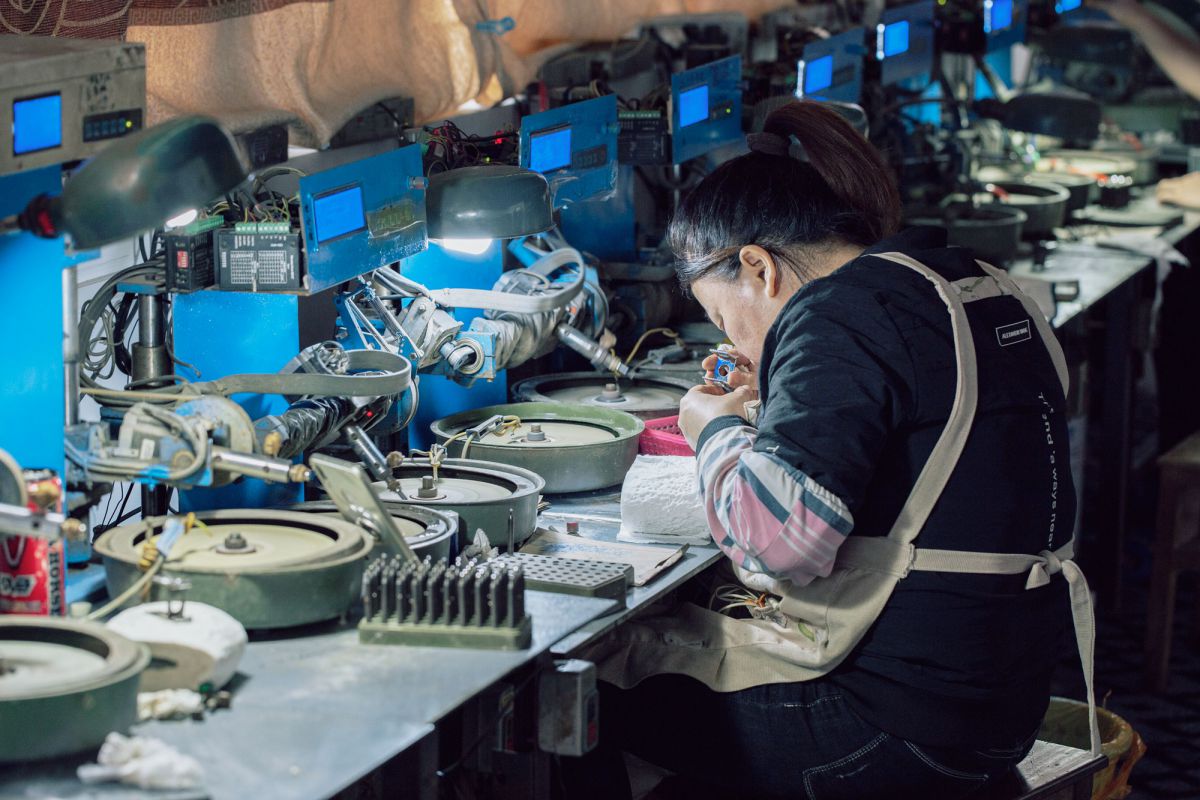
- In-process QC: casting, setting, and finishing are inspected during production, not just at the end.
- Pre-ship AQL inspection: finished rings are sampled against AQL standards before the carton is packed.
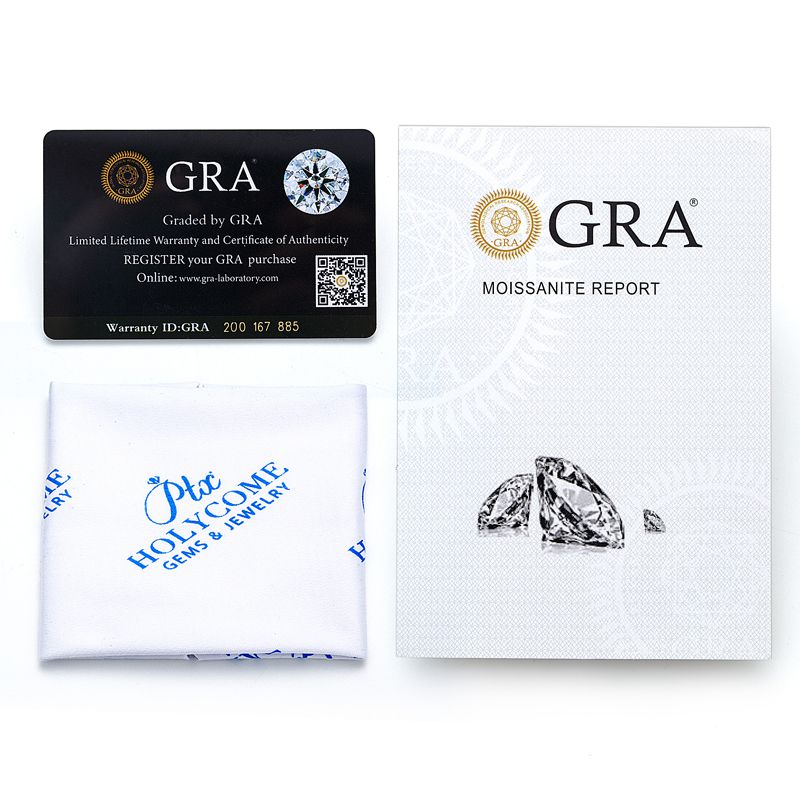
Because the 70 percent balance is paid before shipment, ask your supplier for the pre-ship inspection results as part of the balance payment step. Graded stones arrive with GRA or IGI certification papers, which you can verify against the stones themselves when the goods land.
DDP Delivery and the Final Payment Step
Shipping terms shape when your final payment lands relative to when you can sell. DDP delivery to the US takes 5 to 8 days, with duties and freight handled so the goods arrive ready for your receiving dock. The payment sequence is straightforward: deposit, production, pre-ship inspection, balance, shipment, then 5 to 8 days of transit.
Budgeting Example Across the Full Cycle
Consider a standard reorder cycle for a stock engagement ring style. You approve a sample paid through PayPal, wire a 30 percent deposit to start bulk production, wait 15 to 25 days for manufacturing, receive the pre-ship AQL results, wire the 70 percent balance, and the shipment reaches your US warehouse within 5 to 8 days. In practical terms, the full cash-to-inventory cycle runs about four to five weeks, which is a useful planning window for your open-to-buy budget.
Comparing Payment Options at a Glance
The table below summarizes the two payment channels and where each fits in the ordering process.
| Payment Method | Order Stage | Structure | Typical Use |
|---|---|---|---|
| T/T wire transfer | Bulk production | 30 percent deposit, 70 percent before shipment | Stock and custom ring orders |
| PayPal | Sampling | Full payment up front | Sample orders, 7 to 10 days |
Keeping the two channels separate simplifies your accounting: samples are small, quick, and PayPal-friendly, while bulk orders follow the formal T/T schedule tied to production milestones.
Practical Tips for Managing Deposit Risk
Wholesale buyers can reduce friction in the payment process with a few disciplined habits. These do not change the terms, but they make the 30/70 structure easier to work with.
- Approve the sample fully before committing to bulk; a second sampling round costs less than a production error.
- Confirm metal type and stone specifications in writing, since vermeil and plated pieces are priced differently from solid gold.
- Align balance payment with the pre-ship inspection report so you pay with current information.
- Verify GRA or IGI papers for graded stones against the goods on arrival.
Frequently Asked Questions
When exactly is the 30 percent deposit due?
The deposit is due when your bulk order is confirmed, before production begins. It covers material purchasing for the settings and stones. Bulk production runs 15 to 25 days after approval and after the deposit clears.
Can I pay for my sample order with a bank transfer instead of PayPal?
PayPal is the standard channel for sample orders because the amounts are small and the turnaround is fast. T/T with the 30/70 split applies once the order moves into bulk production. Keeping samples on PayPal simplifies reconciliation on your side.
What is the minimum order for engagement rings?
Stock styles have a 1 piece minimum, and loose stones are sold by the carat. Custom engagement ring work requires a 30 piece minimum. Pricing is quoted per piece or per carat depending on the item.
How do I verify the stones before paying the balance?
Graded stones come with GRA or IGI certification papers. The supplier completes a pre-ship AQL inspection before packing, and you can request those results alongside your balance payment. Papers should be checked against the stones once the shipment arrives.
How long does the whole cycle take from deposit to delivery?
Sampling takes 7 to 10 days, bulk production takes 15 to 25 days after sample approval, and the balance is paid before shipment. DDP delivery to the US takes 5 to 8 days. Expect roughly four to five weeks from sample approval to warehouse arrival.
Start Your Engagement Ring Order
If you are planning your next engagement ring buy, get the payment and production details confirmed up front so your deposit works on your schedule. Browse our current styles on the wholesale jewelry blog, review common buyer questions on the FAQ page, or request a quote and sample timeline through our contact page to start your first order.
Order Terms for Wholesale Buyers
MOQ is 1 piece for stock styles and 30 pieces for custom work, and loose stones are sold by the carat. Sampling takes 7 to 10 days, and bulk production runs 15 to 25 days after the sample is approved. Pricing is quoted per piece or per carat depending on the item. Payment is T/T with a 30% deposit and the 70% balance before shipment, and PayPal is accepted for sample orders.
Sources: Grading references: GIA gem education and GIA laboratory information.
Send your spec sheet — stone, cut, size, plating and quantity — and we will return a costed timeline.
Ask the workshop