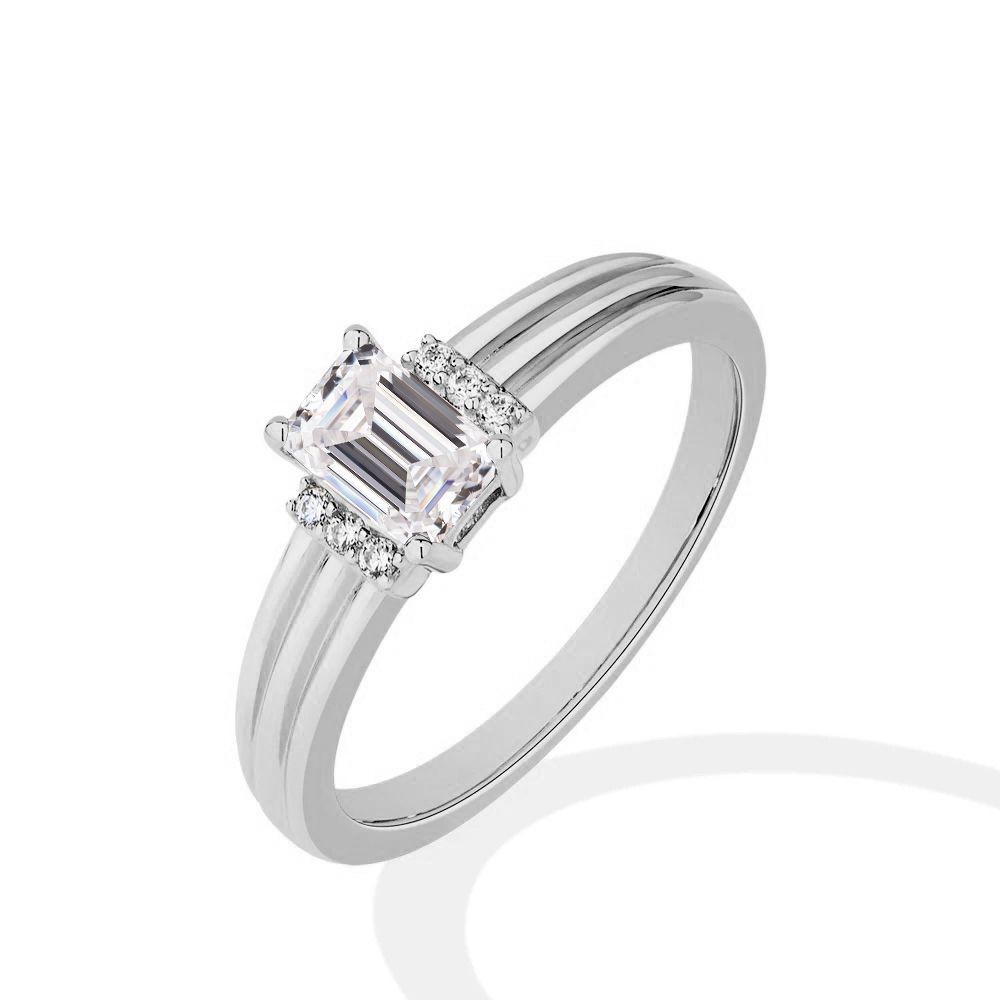
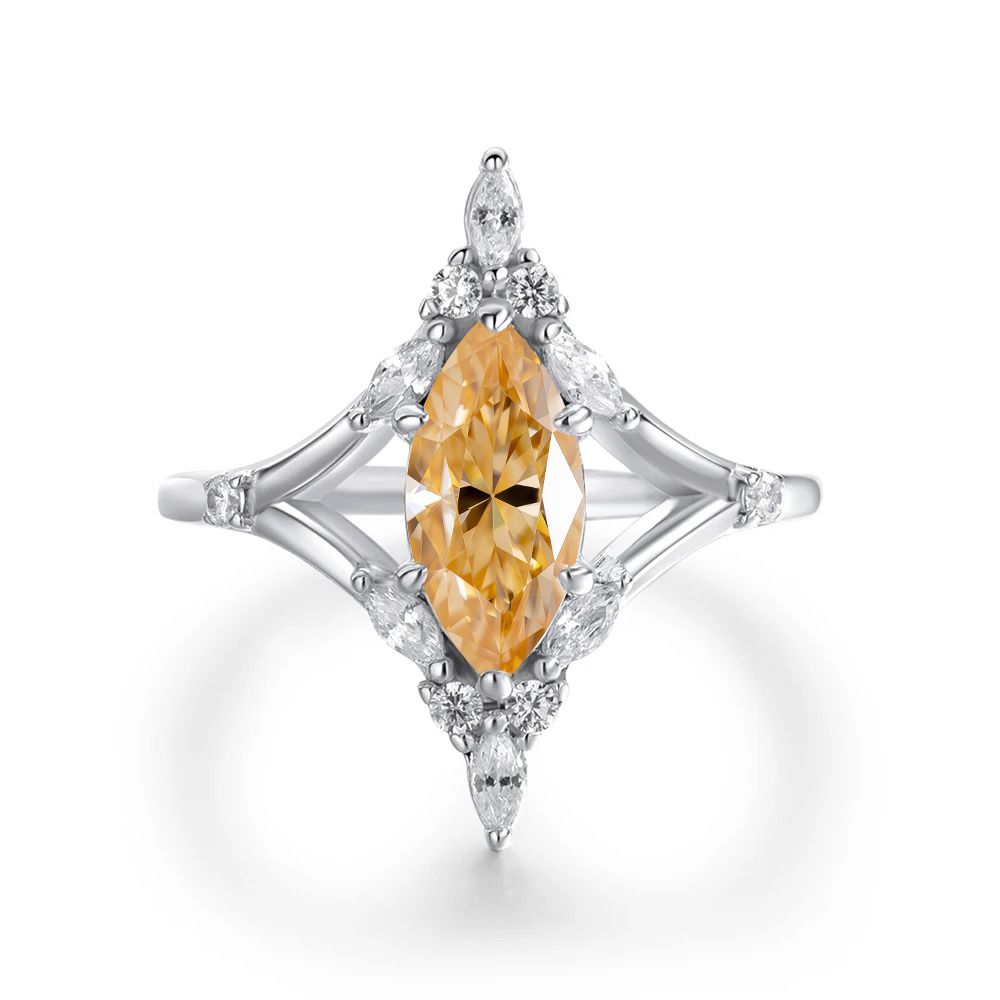
Engagement Rings
Engagement Rings Supplier for Jewelry Stores: plating thickness an
Understanding the Role of Plating in Engagement Rings
Plating is not just a decorative layer; it determines how a ring ages and reacts to everyday wear. In our 12‑year production process, we refine the plating thickness to balance flexibility and durability. A thicker plate offers better resistance to scratches and reduces the likelihood of tarnish creeping into the base metal.
For jewelers, knowing the exact thickness helps predict how a ring will perform in humid or acidic environments. We measure plating in micrometers and tailor it to the wearer's lifestyle—whether it meets the demands of a busy professional or a leisurely outdoor enthusiast.
Common Tarnish Triggers and Prevention Strategies
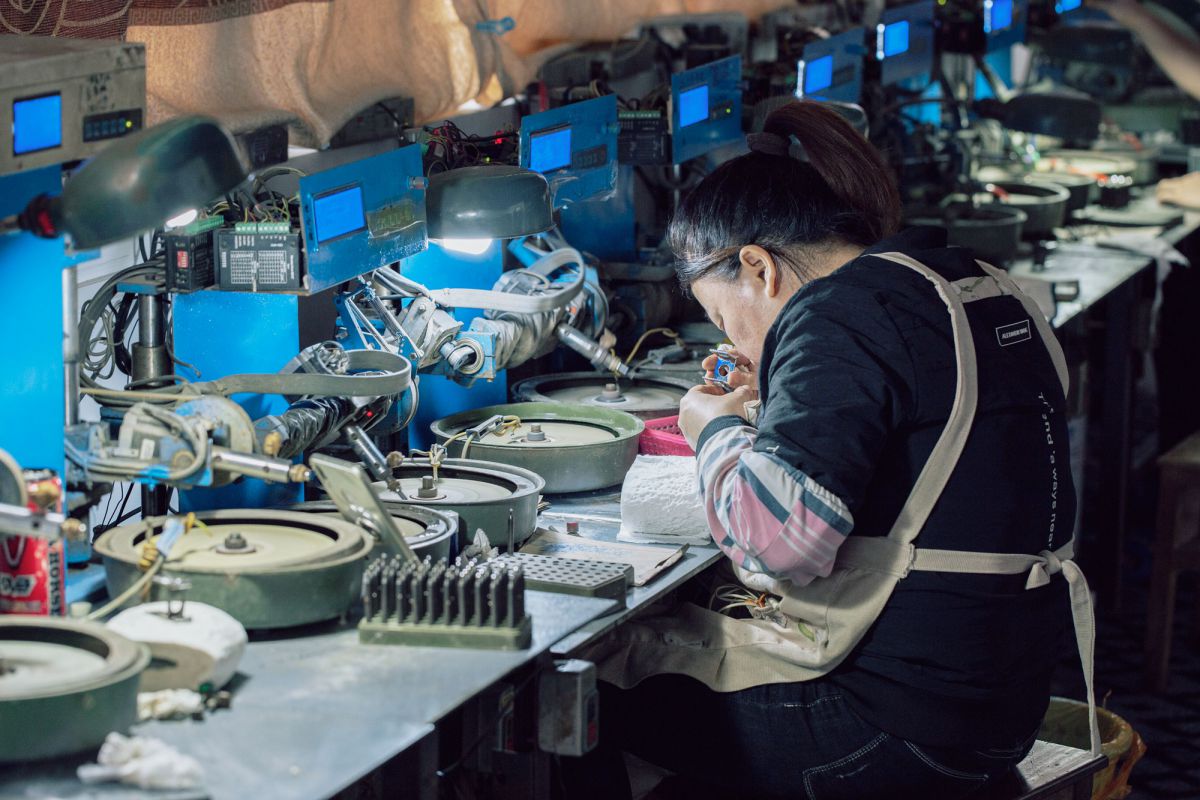
Tarnish mainly arises from exposure to sweat, salt, and air pollutants. Even silver and gold alloys can develop a dull film if not adequately plated. Our QC team inspects each piece for surface integrity, ensuring that the protective barrier remains intact from the first cut to the final polish.
We employ a double‑layered approach: a base layer for mechanical strength followed by a top layer optimized for chemical resistance. This dual coating strategy keeps rings looking new for longer and reduces maintenance costs for retail partners.
Plating Thickness Standards and Their Impact on Shelf Life
Plating thickness is measured in micrometers. For engagement rings, a minimum of 3 µm for gold plating and 5 µm for silver is recommended. These values strike a balance between cost and longevity, ensuring that the surface remains resilient against everyday stressors.
In our table below, you’ll see how varying thicknesses affect tarnish resistance and required maintenance.
| Plating Material | Thickness (µm) | Tarnish Resistance | Typical Maintenance |
|---|---|---|---|
| Gold | 3–4 | High | Occasional polish |
| Silver | 5–6 | Medium | Regular cleaning |
| Platinum | ≥10 | Very High | Minimal |
How Our Three‑Stage QC Enhances Plating Consistency
Our three‑stage QC—incoming stone check, in‑process check, and pre‑ship AQL—ensures that plating thickness remains within tight tolerances. Each stage uses laser measurement and visual inspection to catch any deviations before a ring leaves the line.
This meticulous process translates to a first‑pass yield about 20 % higher than typical trading companies, meaning fewer rework cycles and a more reliable supply for retailers.
Ordering Options: Stock vs. Custom Orders
For immediate needs, we offer stock rings with a minimum order quantity (MOQ) of one piece. Custom orders start at 30 pieces, allowing you to tailor design, setting, and plating thickness exactly to your brand’s specifications.
Production times range from 12 to 18 days for custom runs, while stock items ship within 5–8 days DDP to the US. Our lead times are competitive, especially when paired with the high quality and first‑pass yield we guarantee.
How Pricing Varies with Plating and Order Size
Pricing is influenced by plating thickness, metal purity, and order volume. Higher thickness or precious metal alloys naturally increase cost, but our in‑house setting and polishing lines keep overhead low.
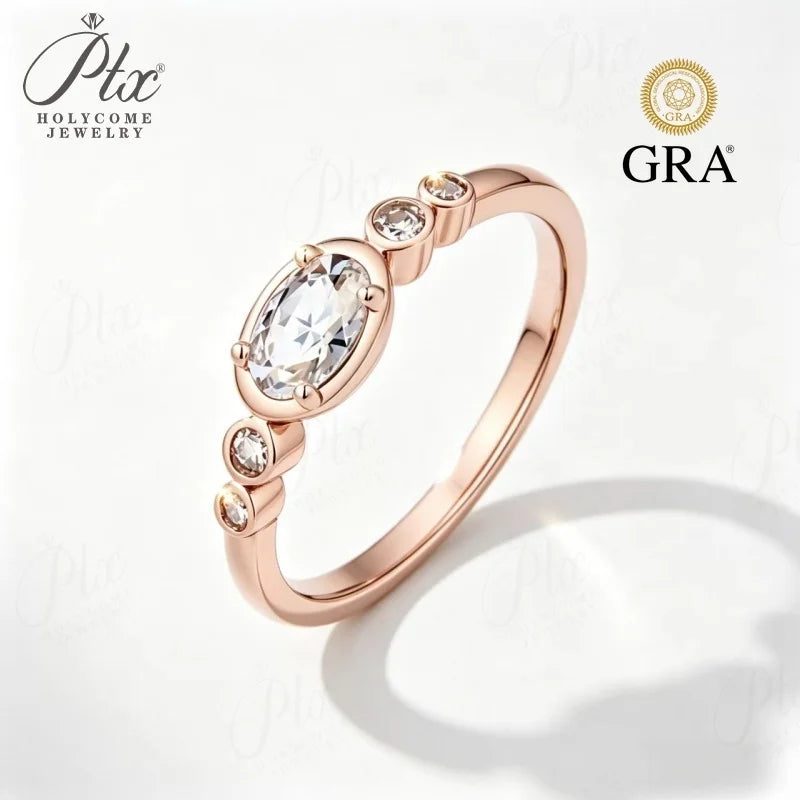
We provide GRA or IGI certificates for all custom pieces, giving you verifiable authenticity for your customers. Payment options include T/T with 30 % deposit or PayPal for samples, ensuring flexibility for both small and large retailers.
Frequently Asked Questions
What is the MOQ for custom engagement rings?
Custom orders require a minimum of 30 pieces. Stock rings can be ordered singly, providing flexibility for testers or boutique displays.
How long is the lead time for custom orders?
Lead times are 12–18 days from design approval to shipment, depending on complexity and order size.
Can I get a sample before placing a bulk order?
Samples are available via PayPal and ship with minimal lead time. Contact us at service@holycome.com for details.
Ready to bring stunning, tarnish‑resistant engagement rings to your shelves? Request a quote or sample today and experience the Holycome difference.
Send your spec sheet — stone, cut, size, plating and quantity — and we will return a costed timeline.
Ask the workshop