Wedding Rings & Bands
Building a Resizing Service Into Your Wholesale Bridal After-Sales
The most common after-sales call a bridal store receives is not a broken stone — it is a ring that does not fit. Either the fiancé guessed the size wrong at the proposal, the bride's finger changes between the proposal and the wedding, or a band bought online lands a half size off. A wholesale buyer who treats resizing as an afterthought turns those calls into lost customers. A buyer who builds a clear resizing program turns them into loyalty.
Not every ring can be resized
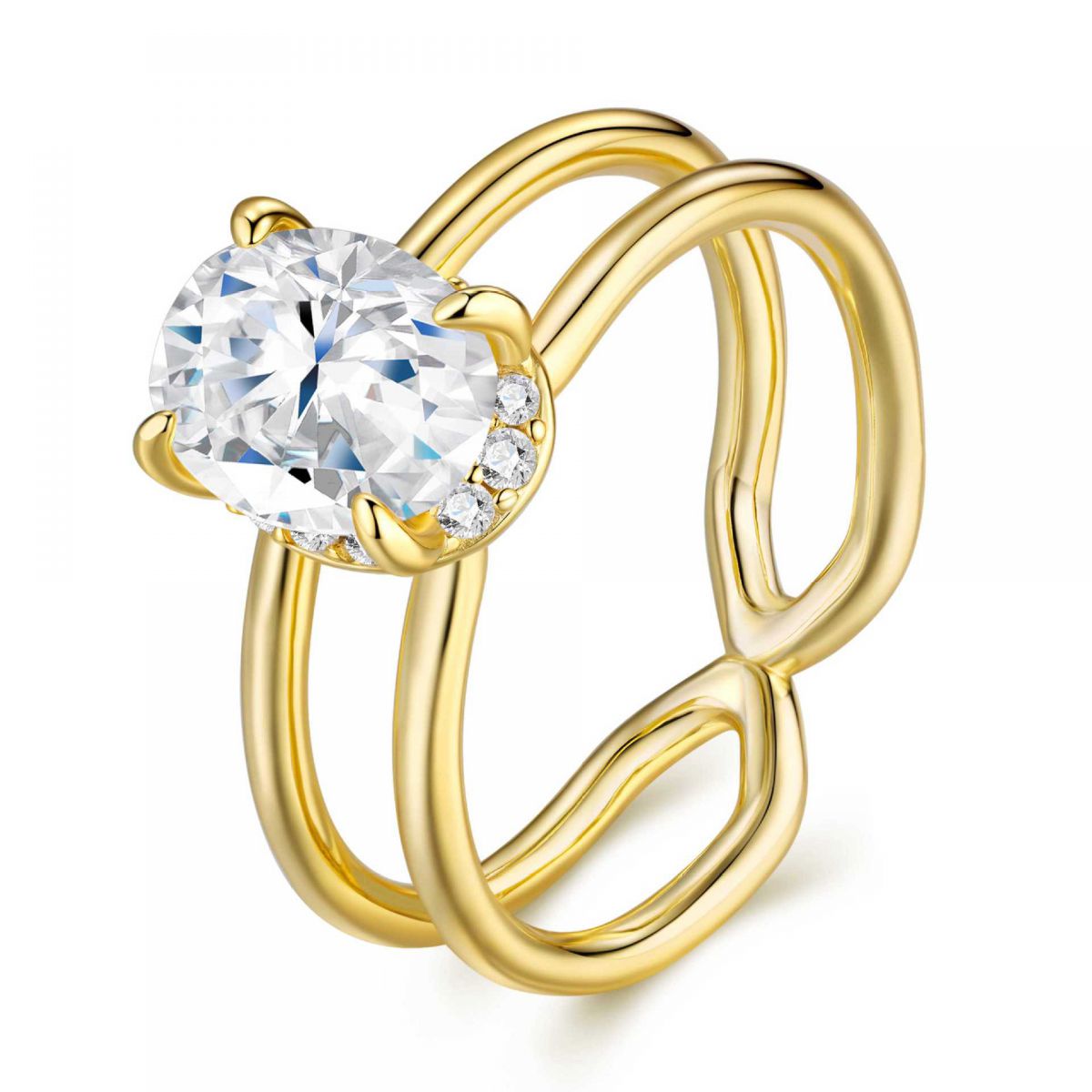
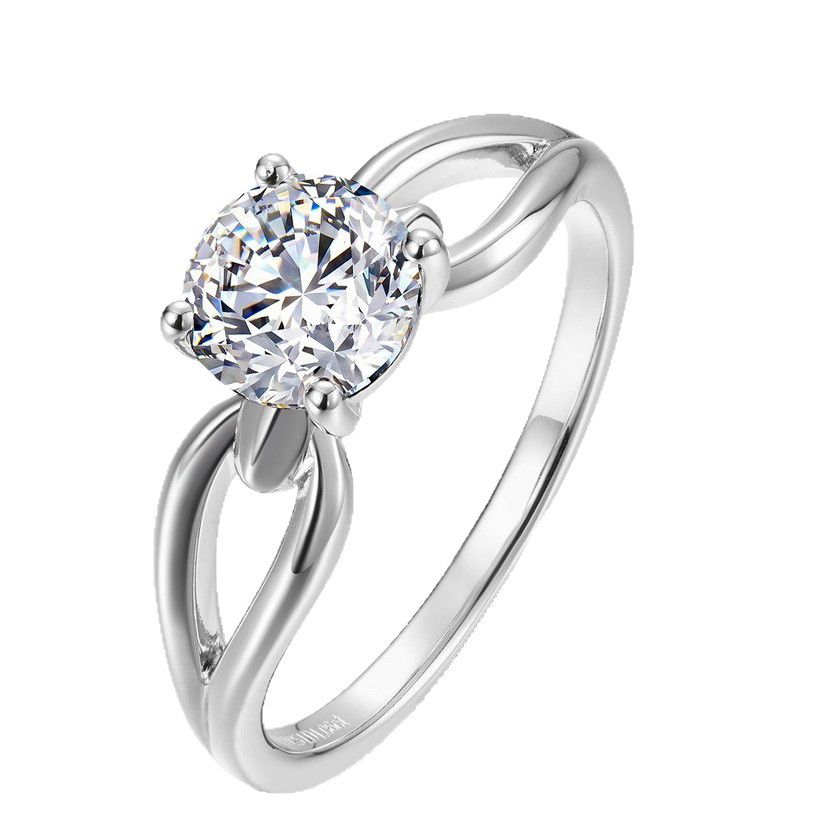
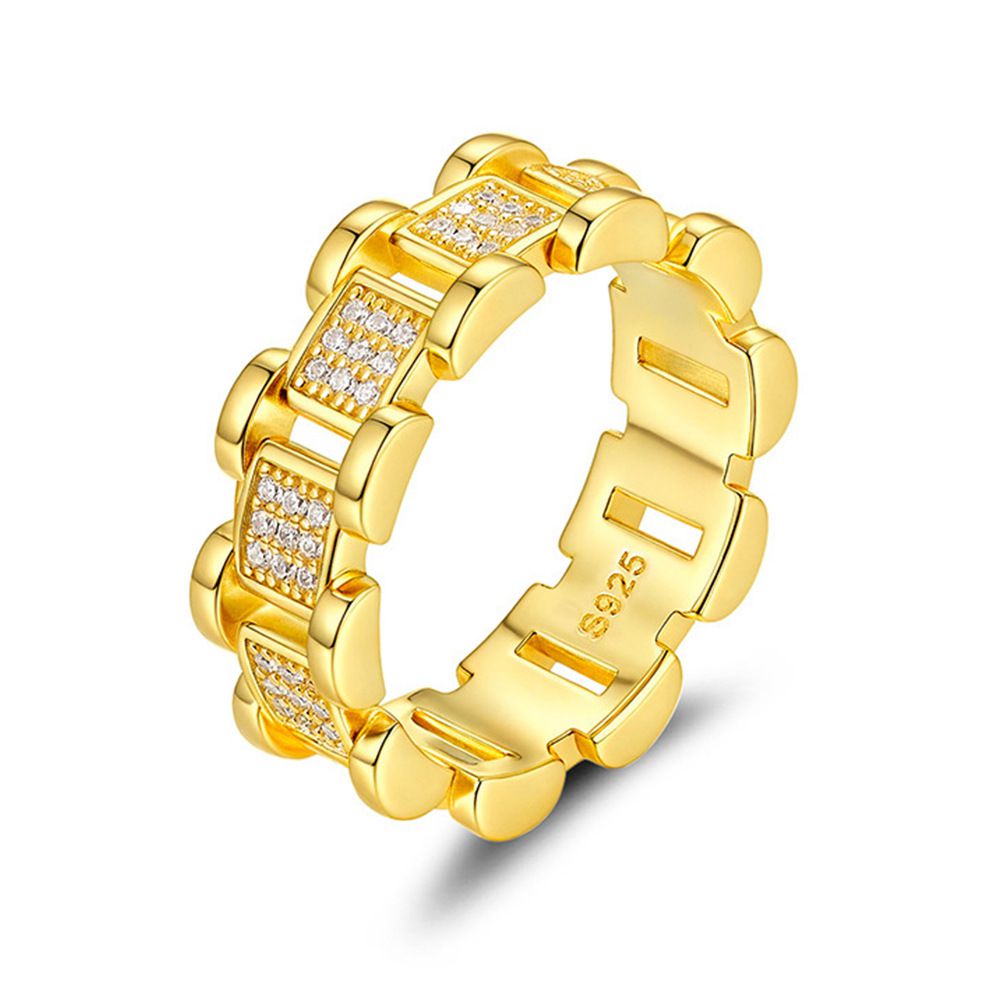
The first rule of resizing is honesty about what is possible. A plain solitaire shank sizes cleanly up or down two sizes without drama. A band with stones halfway around the shank — a half-eternity — can often be sized in a limited range, but the stones near the base are at risk. A full-eternity band with stones all the way around generally cannot be sized at all; sizing it cracks the solder between stone settings and risks losing stones. Plated rings size poorly because the plating cracks and flakes where the shank is worked.
Buyers should know these limits before they sell, and communicate them at the point of purchase. A customer told "this full eternity comes in fixed sizes, so let's measure carefully today" is a customer who does not come back furious next month.
Build a common-size stock so most resizing never happens
The cheapest resizing is the one you avoid. Stock engagement rings and bands in the common sizes — roughly 5 through 8 for women, 8 through 11 for men — before chasing edge sizes. Most brides land between a 6 and a 7.5, and a store that holds those sizes in its top-selling settings hands over a correctly sized ring at the counter instead of scheduling a wait. Edge sizes can be ordered in on demand.
For proposal sales where the size is genuinely unknown, offer a short-exchange window: the ring leaves on a known size, and the bride swaps it within a week once she is measured. That is smoother and cheaper than resizing a surprise proposal ring under deadline.
Turnaround and communication set expectations
A resize that takes ten business days is normal. A resize promised for Friday and delivered the following Thursday loses more goodwill than the service itself costs. Set the expectation in writing, give a tracking point, and do not overpromise before the wedding season. During peak spring and fall wedding months, turnaround stretches; build that buffer into the policy and tell customers early.
Laser sizing — where the shank is adjusted with a laser rather than cut and soldered — is cleaner on pavé settings and hides the work better. Ask the supplier whether resizing is supported on a setting before it ships, and whether the warranty covers one resize within the first year. Details like this are what separate a boutique from a discount rack. Compare setting construction in our wedding bands program when you plan resize-friendly inventory.
Silver versus gold — resizing behaves differently
Sterling silver is softer and easier to size, but it also work-hardens and can crack if sized repeatedly. Solid karat gold sizes cleanly and is the easiest metal to adjust multiple times. Plated silver, as noted, does not size well at all because the plating cracks along the shank. When a customer asks to resize a plated ring after a year, be honest that the finish will not survive and offer a re-plating or an upgrade instead of a repair that will look worn. That honesty prevents a worse complaint later.
The one-resize-warranty move
Offering one complimentary resize within the first year is inexpensive for the buyer and deeply reassuring for the customer. Most rings never need it, but the promise removes the fear that a surprise-proposal size guess has locked the customer into the wrong fit. Put the policy in writing on the receipt so the customer does not have to ask. This single clause reduces returns and raises the perceived value of the purchase more than any discount could.
Document every resize on the customer's record. Next year, when she comes back for an anniversary band, knowing her exact finger size and her ring's construction saves a second measurement and signals that the store remembers her. That record is also what makes future reorders to the supplier more accurate — the buyer learns which sizes actually walk out the door.
Resizing is a relationship touchpoint
The customer who comes back for a resize is the customer who will come back for an anniversary band, a push gift, and a birthday pendant. Handle the resize well, hand the ring back cleaned and polished, and she associates your store with care. Treat it as a bother, and she buys her next piece somewhere else. A clear, generous, honest resizing policy is one of the highest-return after-sales moves a bridal buyer can make.
The 92.5% silver composition and properties of sterling silver are described in the Wikipedia entry on sterling silver.
Frequently Asked Questions
How do I verify a factory before placing a bulk order?
Request a production video, business license, export records and a paid sample run. A factory that accepts a 50-piece test order is usually a real manufacturer.
What payment terms do you offer?
30% T/T deposit with the balance against the bill of lading. This protects both sides on first orders and can move to net terms after a track record.
What is your normal reject rate?
3–5% under 10x loupe inspection for cast and set pieces. Defective units are replaced free in the next shipment.
Where is the factory located?
Wuzhou, Guangxi, China—the core lab-grown and moissanite manufacturing cluster. Shipments go via Guangzhou or Shenzhen ports.
Send your spec sheet — stone, cut, size, plating and quantity — and we will return a costed timeline.
Ask the workshop