Engagement Rings
Engagement Ring Cleaning: The Weekly Bridal Routine That Keeps Fire
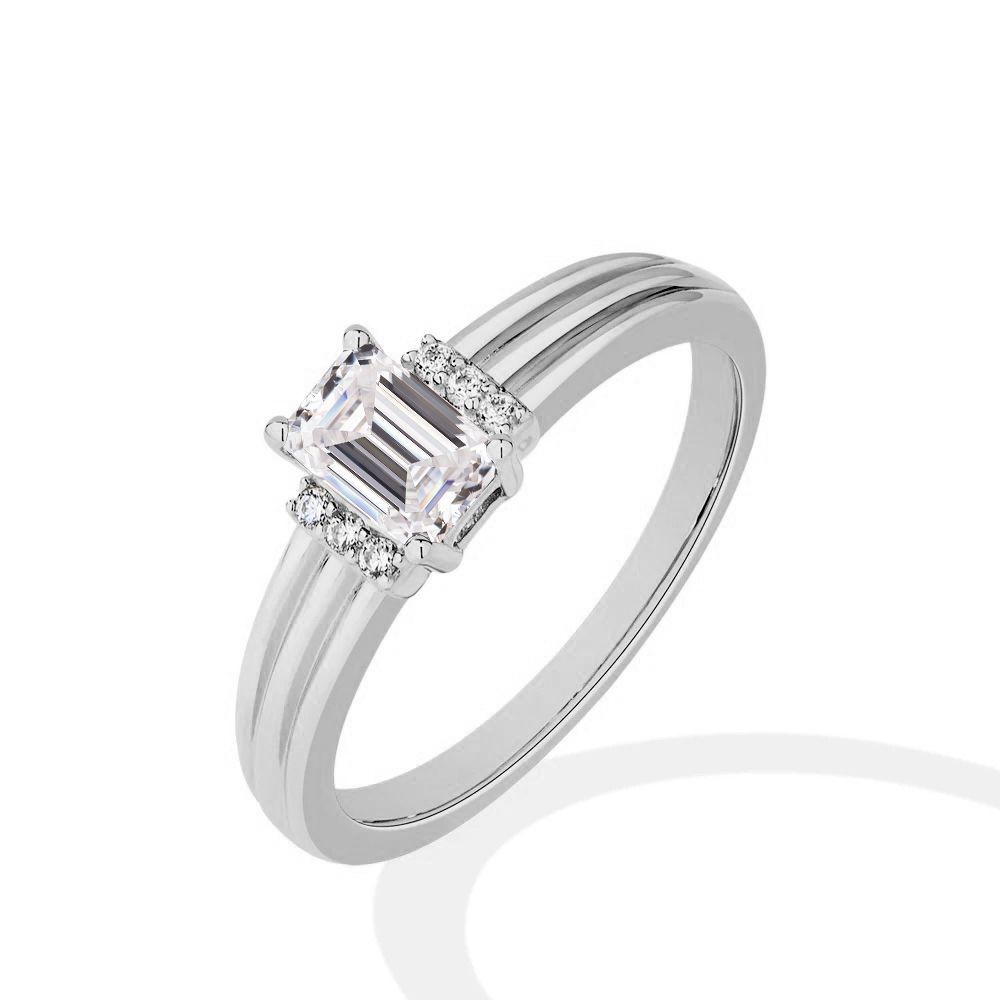
A bride calls in September, ring looking dull, convinced she damaged the stone on her honeymoon. She had swum in a pool, applied lotion without taking it off, and wiped it with her shirt. The ring was not damaged at all; it was coated in a thin layer of film. Moissanite is hard at 9.25 Mohs, but like any faceted gem it stops sparkling when oil and lotion film cover the facets. A ten-minute weekly cleaning routine restores the fire and prevents the film from hardening into a problem. Here is the routine we hand to every bride.
What Actually Dulls the Stone
The culprit is oil, not wear. Skin oils, hand cream, sunscreen, and soap leave a thin transparent film on the facets. Because moissanite's refractive index is 2.65 to 2.69, even a faint film breaks the light path and kills the fire that made the ring special. Chlorine in a pool is worse: over months it can pit the nickel alloy in white gold plating and loosen prongs. A shop ultrasonic will blast away the film in minutes, but a bride cannot visit the shop weekly. The at-home routine uses warm water, a drop of mild dish soap, and a soft baby brush to lift the oil from under the prongs. Rinse, pat dry with a lint-free cloth, and inspect the prongs.
The material rules follow the same guidance buyers read for laboratory-created stones on the lab-grown diamond reference page: avoid harsh acids, avoid chlorine, and never steam-clean a ring with any fracture filling or fragile setting. We tell brides to skip the jewelry-cleaning dips sold at the supermarket; they strip rhodium plating and leave a chemical aftertaste on the skin.
The Weekly Routine and the Quarterly Check
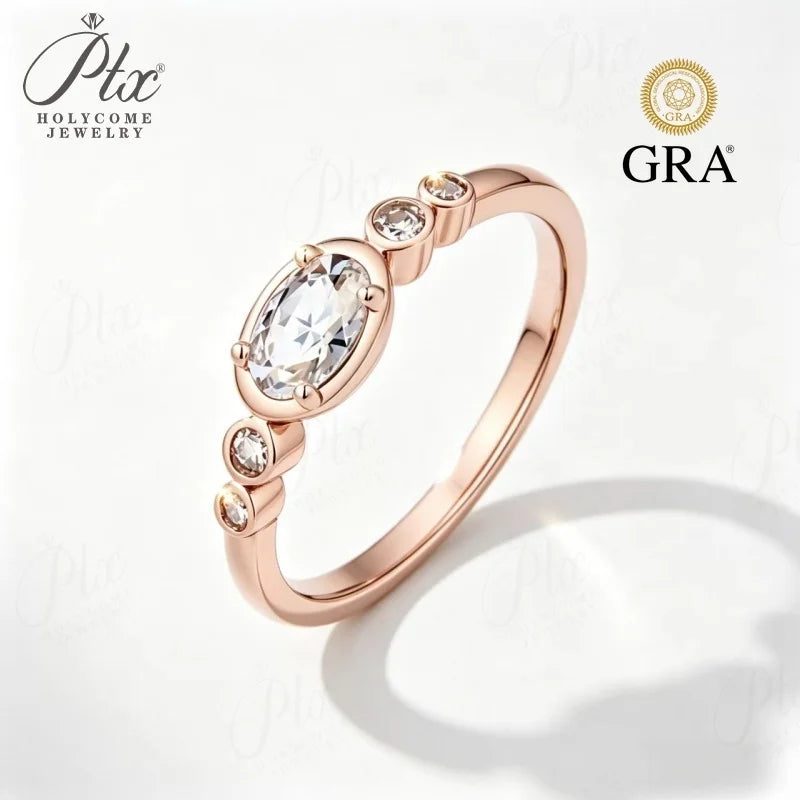
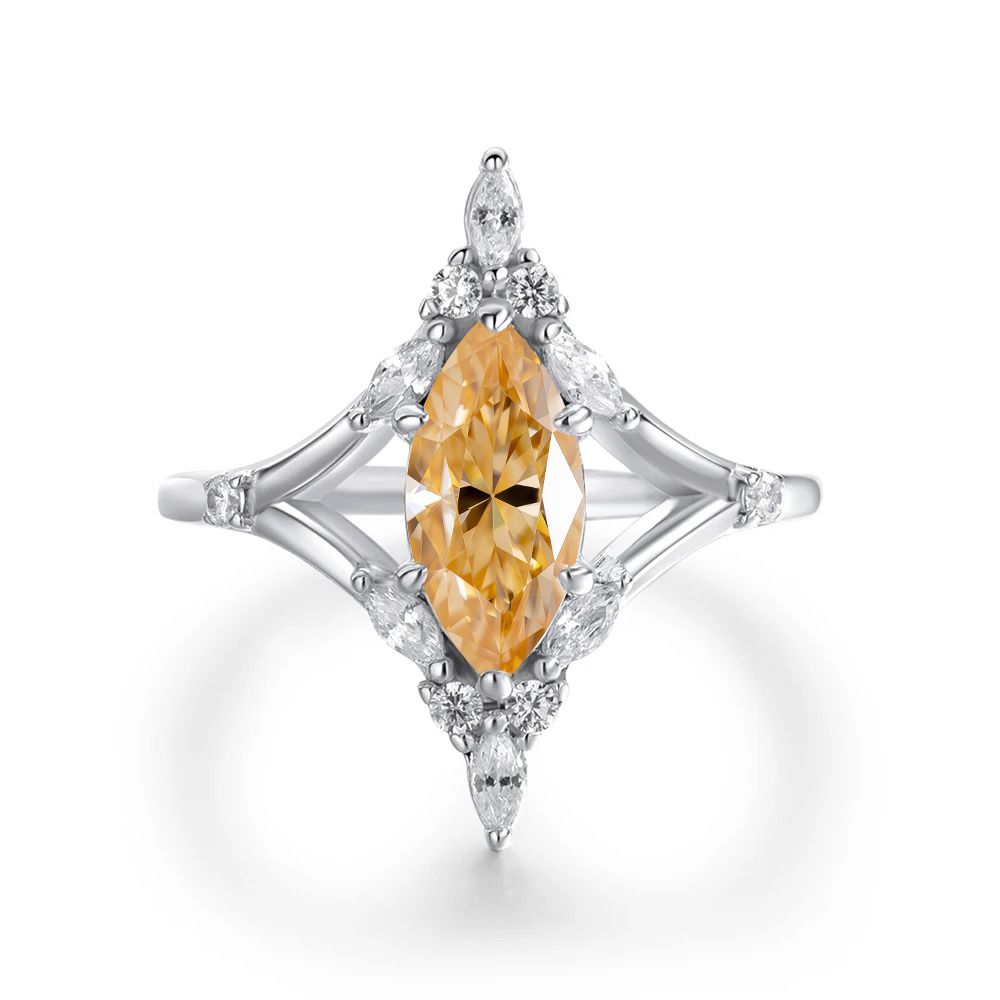
Weekly: warm soaks for ten minutes, soft brush under the prongs, rinse, dry. Monthly: check that the center stone does not wiggle and that no prong tip is bent. Quarterly: a professional clean and a prong check at the jeweler, because the tiny prongs on a halo or pave set bend without the bride noticing. This routine pairs with the care discipline we describe in caring for bridal jewelry after the wedding, and the ring should be insured so the cleaning routine is the only thing the bride has to worry about, as engagement ring insurance basics covers. Setting type changes how careful the brush work must be; bezel versus prong settings notes where film hides most.
The Habits That Protect the Ring
Three habits do more than any cleaner. Take the ring off for lotion, sunscreen, and dishwashing. Take it off before swimming in a pool. Store it in its own pouch so it does not scratch against other pieces. Moissanite resists scratches, but the prongs and the band do not, and a ring tossed into a purse gets knocked. A bride who builds these three habits keeps the ring looking new for a decade. For retailers, a printed cleaning card with the ring sale is the cheapest loyalty tool we know; the bride who knows how to care for the ring comes back for the upgrade pieces.
What Brides Reach For That Actually Harms the Ring
Three household habits undo the weekly clean. Toothpaste is an abrasive, and scrubbing a ring with it scratches the band and the prongs over time. Boiling water is a sudden thermal shock that can loosen a stone and crack a coated setting. Paper towels carry wood fibers that leave micro-scratches on the metal, which is why a lint-free cotton cloth is the right drying tool. We tell brides to use the warm soapy water, the soft brush, and nothing else at home, and to let the shop handle anything that needs an ultrasonic or a steam. The odd stubborn spot on a pave ring responds to a soft toothpick between the stones, not to a scrub brush.
Seasonal care changes the routine. Summer sunscreen and pool water mean two cleans a week. Winter lotion and hand sanitizer build a faster film against the metal. A bride who keeps a small bowl and a soft brush by the sink cleans the ring in ninety seconds without thinking, and that habit is what keeps a moissanite ring looking like the day she got it for the length of a marriage.
FAQ: Brides Ask These First
How often should I clean my engagement ring?
Weekly at home in warm soapy water, with a soft brush under the prongs. A professional clean and prong check every quarter keeps the setting safe.
Can I use an ultrasonic cleaner at home?
Skip it unless a jeweler confirms the setting is sturdy. Soapy water and a soft brush are safe for every bridal setting and never risk a loose stone.
Why does my moissanite look dull after the honeymoon?
Oil and sunscreen film coats the facets, not damage. A warm soapy soak and soft brush restore the fire almost every time.
Is chlorine bad for an engagement ring?
Yes. Avoid pool and hot-tub wear; chlorine can pit white-gold alloy over months and loosen prongs. Take the ring off before swimming.
Give every bride a care card with the ring. HOLYCOME ships engagement rings with a printed weekly-cleaning guide and recommends quarterly prong checks. Ask for the bridal care-card inserts and the ring-cleaning accessory pack to bundle with sales.
Frequently Asked Questions
What ring sizes can you supply in bulk?
US 5 to 12 including half sizes. Send a size curve with the order and we cast to it.
Can I order a mixed size run?
Yes. Mixed runs are standard; specify quantity per size and we pack and label by size.
What is the MOQ for custom ring designs?
50 pieces per design on existing molds; 100 to 300 pieces when a new mold or CAD model is needed.
How should I price rings for retail margin?
Most partners use a 3 to 4x markup on FOB cost for sterling and 2.5 to 3x for moissanite solos.
Send your spec sheet — stone, cut, size, plating and quantity — and we will return a costed timeline.
Ask the workshop