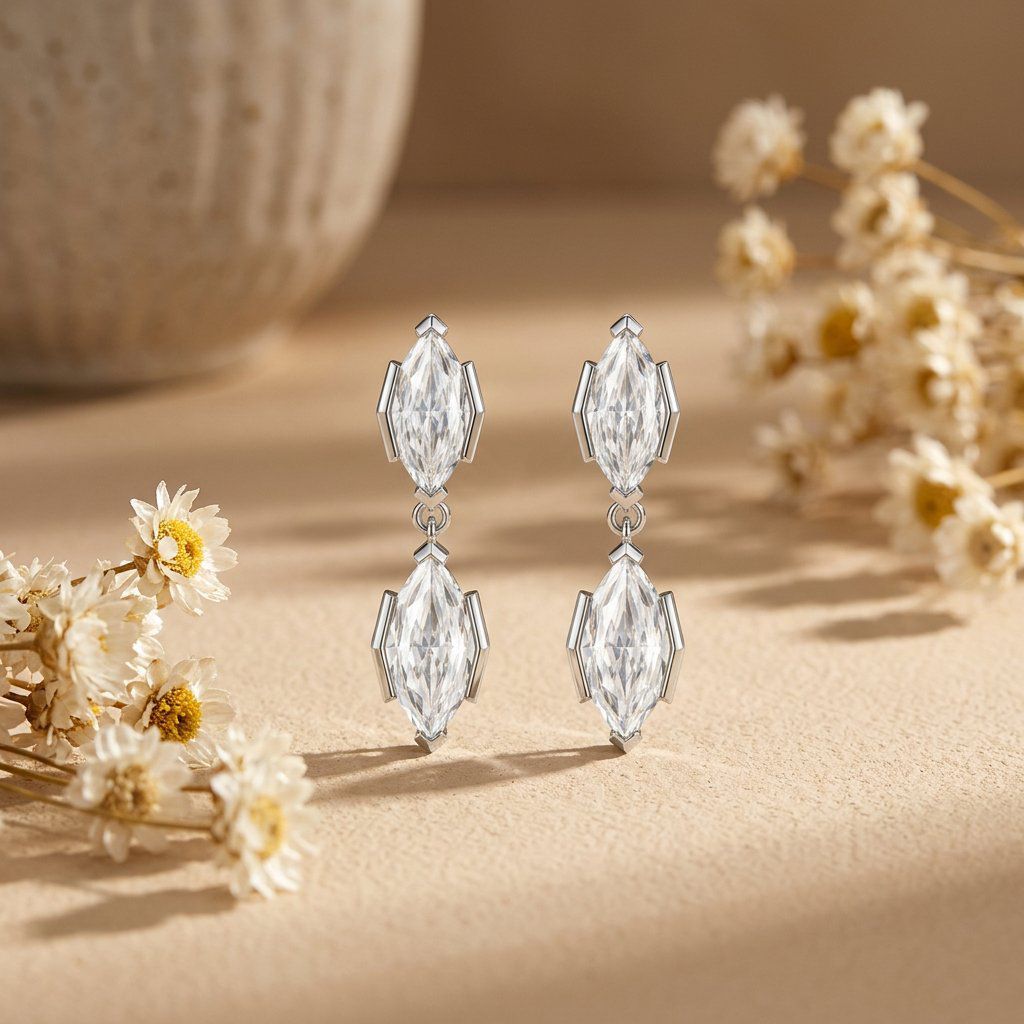
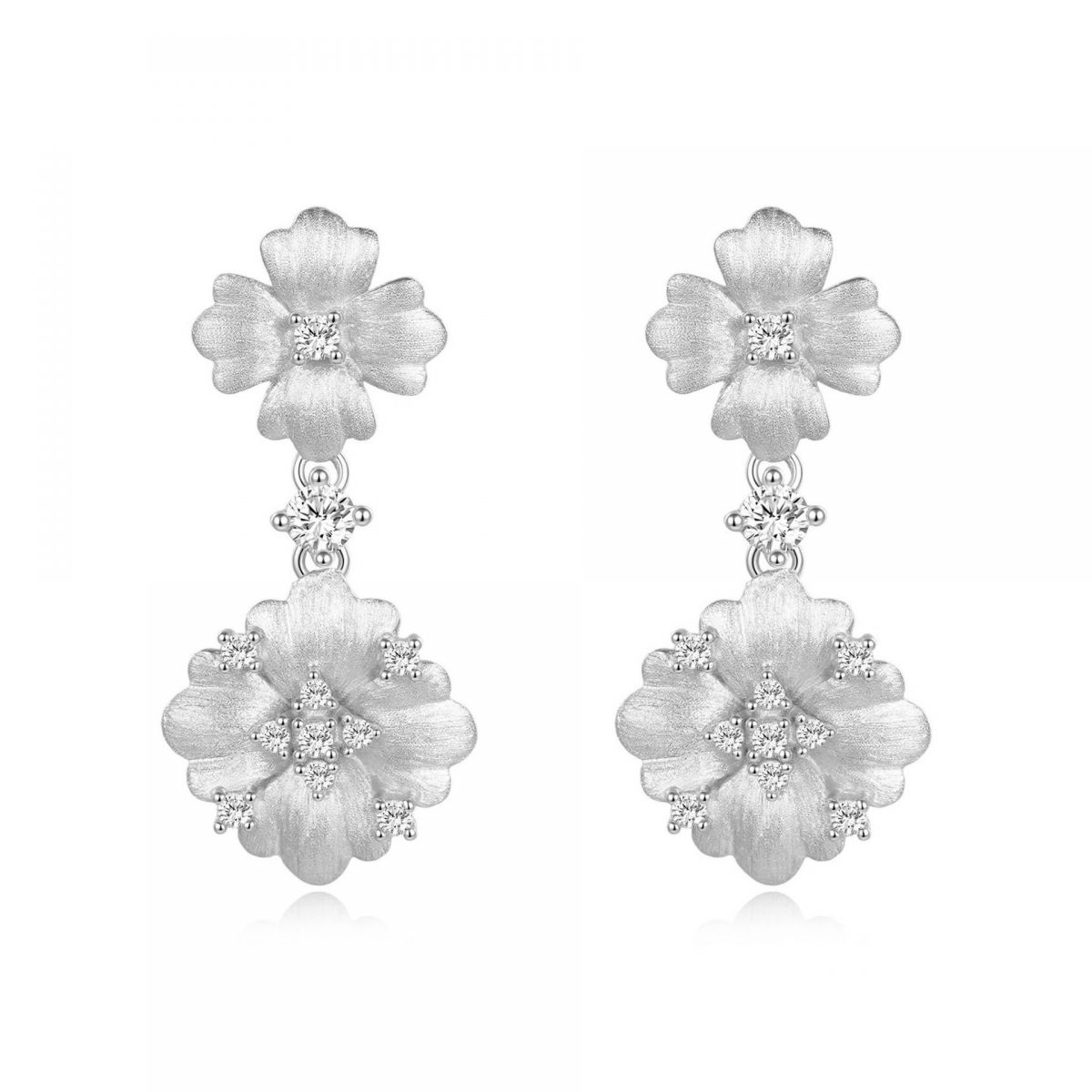
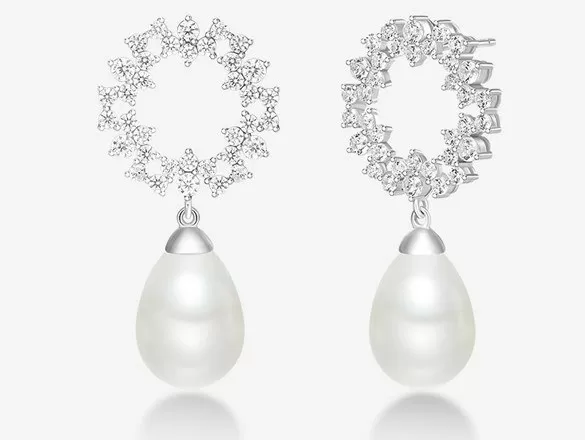
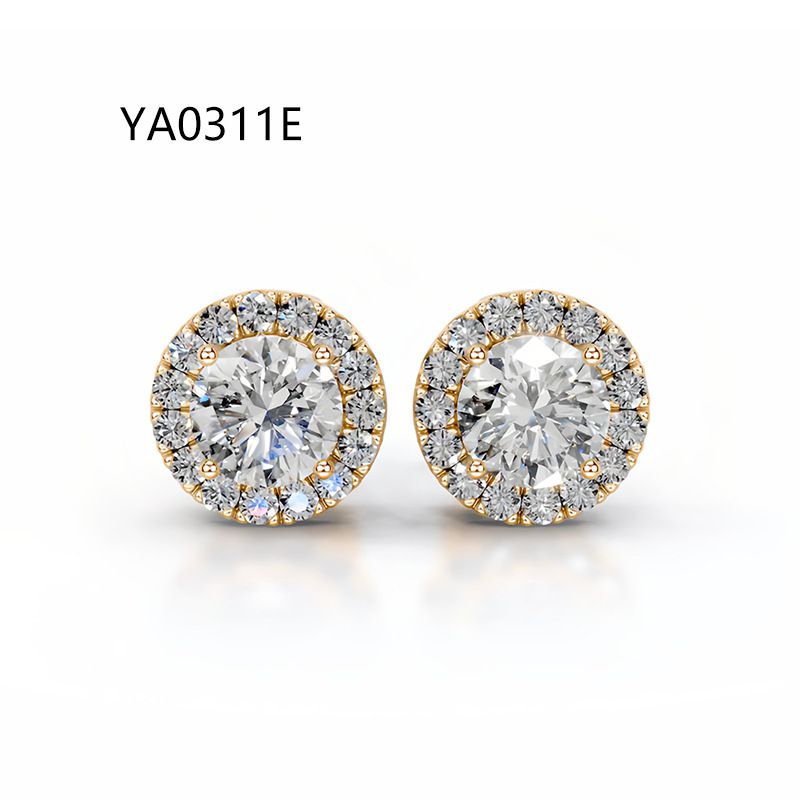
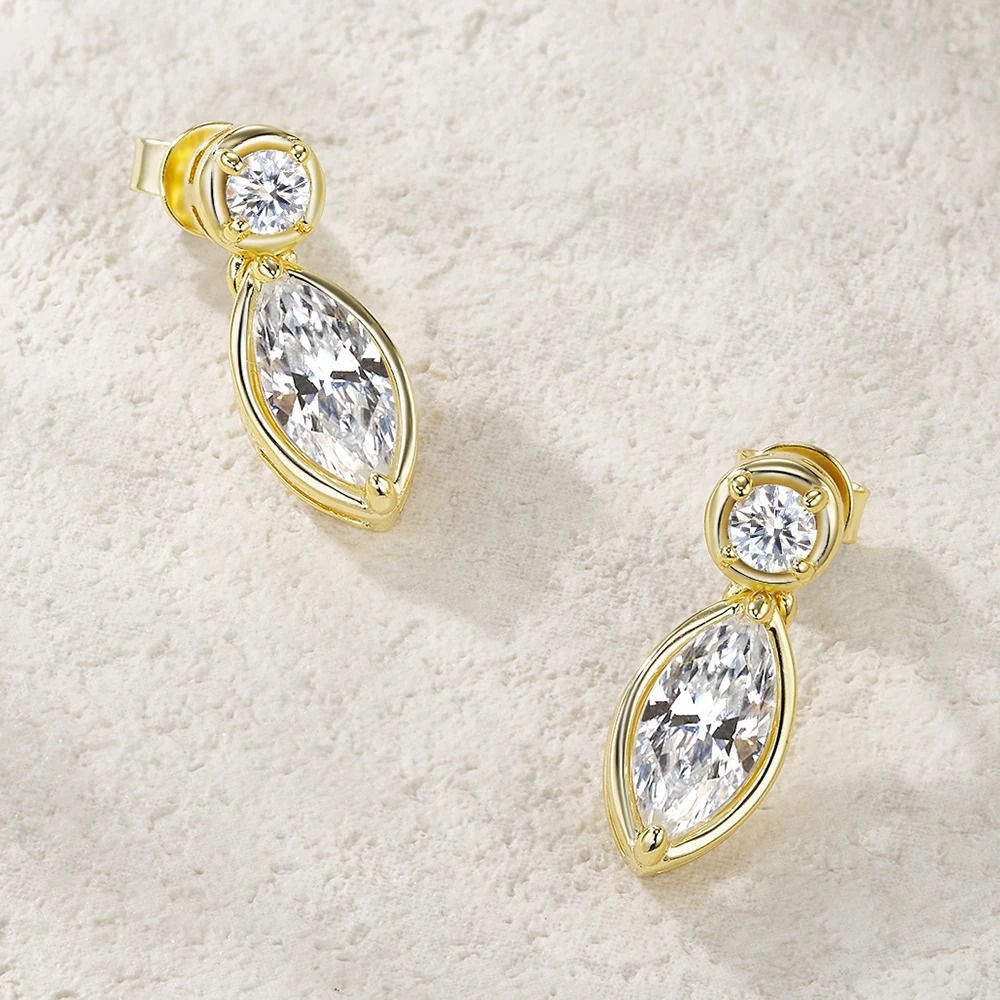
Earrings
Earrings Wholesale: sizing & durability
Choosing Earrings for Your Wholesale Line: Size, Setting, and Durability Decisions
Earrings are one of the highest-turnover categories in jewelry retail, but for wholesale buyers the real work happens before a single unit ships. Sizing, setting style, and metal durability determine whether a pair of earrings sells quickly, survives daily wear, and avoids costly returns. This guide walks through the practical decisions a US wholesale buyer faces when building an earrings assortment, from stone dimensions and post construction to setting types and quality control expectations.
Whether you are ordering stock styles at low minimums or commissioning custom designs, understanding these three factors will help you specify products that hold up in transit, on the shelf, and on the customer.
Why Sizing Is the First Decision to Lock Down
Earring sizing affects everything downstream: metal weight, stone carat requirements, packaging dimensions, and even shipping cost. A buyer who finalizes sizing before ordering avoids the most common wholesale mistake, which is approving a sample that looks right on a model but arrives far larger or heavier than the product photography suggested.
Stone Size and Carat Weight for Moissanite Studs
Moissanite is a lab-created diamond alternative, and it is sold by the carat for loose stones. When specifying studs, communicate the target stone diameter rather than only the carat weight, since moissanite and diamond have different density characteristics. A 6mm round stone is a useful reference point for a mid-size stud; smaller 4mm to 5mm stones suit everyday positioning, while 8mm and above reads as a statement piece.
Because loose stones are sold by the carat, request grading papers from GRA or IGI with your stone orders so your retail customers receive documentation consistent with what you advertise.
Total Drop Length for Dangles and Hoops
For drop earrings, dangles, and hoops, the critical measurement is total hanging length, measured from the top of the ear wire or post to the lowest point of the piece. Anything over roughly 45mm may require additional packaging depth, and heavier drops need to be checked for wearing comfort. Hoop sizing is measured by inner diameter; small 10mm to 15mm huggie styles are stocking staples, while 30mm to 50mm hoops serve fashion-forward buyers.
Confirm these dimensions in millimeters on your purchase order rather than relying on general descriptions.
Metal Weight and Shipping Implications
Solid gold earrings weigh more than sterling silver equivalents of the same design, and weight drives both freight cost and your landed cost per unit. When comparing quotes, ask suppliers to state the approximate metal weight per pair. This detail also helps you evaluate whether a gold vermeil or 925 sterling silver version of the same design makes sense at a lower price point for a different customer segment.
Setting Types and What They Mean for Your Margin
The setting is the structural heart of an earring. It affects how much light reaches the stone, how secure the stone is during daily wear, and how much labor goes into each pair. The main options are summarized below.
The table compares the most common earring settings across the factors buyers care about most.
| Setting | Stone Security | Best Use | Production Notes |
|---|---|---|---|
| Prong | Good | Round and oval studs | Four or six prongs, classic look |
| Bezel | Very high | Everyday and active wear | Full metal rim, smooth edges |
| Pavé | Moderate | Hoops and halo designs | Multiple small stones, more labor |
| Channel | High | Bar and linear styles | Stones set in a groove |
| Cluster | Good | Larger statement studs | Multiple stones in one mount |
Prong settings remain the default for classic solitaire studs because they expose more of the stone to light. Bezel settings wrap the stone in a metal rim, which reduces sparkle slightly but increases security, making them a strong choice for pieces positioned as everyday jewelry. Pavé settings add labor cost and require careful in-process inspection, since small melee stones can loosen during finishing.
Channel settings work well for bar earrings and hoops where a continuous line of stones is the design feature.
Post and Back Construction Details
For pierced earrings, the post is the component most likely to cause customer complaints if it is underspecified. For 925 sterling silver earrings, confirm whether posts are sterling silver as well, and ask about hypoallergenic considerations for sensitive-ear customers. Butterfly backs are standard, but locking backs or screw backs reduce lost-stone incidents on higher-value solid gold pairs. On hoops, check the hinge and clasp mechanism; a weak hinge is a frequent warranty issue.
Specify these details in writing on the purchase order.
Stone Retention During Wear
Earrings experience different stress than rings or pendants: they swing, snag on clothing, and hair, and endure removal and reinsertion daily. For moissanite earrings, request a pre-ship AQL inspection with a specific checkpoint for stone tightness. A three-stage QC process covering incoming materials, in-process assembly, and pre-shipment inspection catches loose stones before they reach your customers rather than after.
Metal Choices and Durability Expectations
Metal selection is where durability claims need the most care. Each option has a distinct performance profile, and naming the metal accurately protects both your compliance posture and your customer trust.
925 Sterling Silver
Sterling silver is the workhorse metal for affordable earring programs. It is durable for daily wear, though it will develop patina over time and benefits from rhodium plating or an anti-tarnish finish. Confirm with your supplier whether plating thickness is specified, since thicker plating extends the bright finish. Silver pairs well with prong-set moissanite studs and smaller hoops, and it keeps landed costs manageable at retail price points under typical impulse-buy thresholds.
Solid Gold in 10K, 14K, and 18K
Solid gold earrings carry higher material cost but justify premium retail positioning. 10K gold is harder and more scratch-resistant; 14K balances durability and gold content; 18K offers a richer color with softer wear characteristics. For custom production, solid gold typically requires a 30 piece minimum per style, while stock styles in gold may be available at 1 piece minimum for sampling. Specify karat fineness explicitly on every order document.
Gold Vermeil and Gold Plated Options
Gold vermeil is a thick gold layer over a sterling silver base, while gold plated earrings use a thinner gold layer over a base metal. Both are legitimate, popular products, but they must be marketed as vermeil or plated, never as solid gold. Set customer expectations in your product copy regarding wear on plated surfaces, particularly on posts and backs where friction is constant. For buyers building a tiered assortment, vermeil fills the gap between silver and solid gold effectively.
Durability Testing to Request from Your Supplier
Ask your supplier what durability checks are performed before shipment. Reasonable requests include post bend testing, clasp cycle testing on hoops, and stone retention checks on pavé work. These do not require a lab on-site; a disciplined in-process QC routine covers most issues. Suppliers producing for the US market should already run incoming, in-process, and pre-ship AQL inspections as standard practice, and you should receive inspection documentation with your bulk order.
Minimums, Sampling, and Lead Times for Earring Orders
Earring programs are flexible on order size. Stock styles are available at a 1 piece minimum, which makes them ideal for testing new designs or filling small orders. Custom earring work requires a 30 piece minimum per style, and loose stones are sold by the carat when you are sourcing stones separately for your own setting program.
Sampling takes 7 to 10 days, giving you time to check sizing against your measurements and inspect post construction before committing to bulk. Bulk production runs 15 to 25 days after sample approval. Plan your reorder cycle around this window; a best-selling stud style that sells out in four weeks needs a reorder placed before stock runs low.
Pricing Structure and Payment Terms
Earrings are priced per piece for finished goods and per carat for loose stones. Payment is by T/T with a 30 percent deposit and the 70 percent balance before shipment. Sample orders can be paid through PayPal, which simplifies the initial evaluation stage. Build the deposit structure into your cash flow planning, since the balance falls due before the goods ship.
Delivery to the US Market
DDP delivery to the US takes 5 to 8 days, with duties and shipping handled so the goods arrive ready to receive. This matters for earrings in particular because small, lightweight parcels are easy to consolidate. When you combine several earring styles in one bulk shipment, confirm how the DDP service handles consolidated cartons and whether individual style labels are applied at the factory.
Building a Balanced Earring Assortment
A practical wholesale assortment usually layers three tiers: everyday silver or vermeil studs at accessible price points, mid-tier pavé or bezel-set designs in vermeil or 10K gold, and statement pieces in 14K or 18K solid gold. Sizing should span small everyday stones through larger statement drops, and setting choices should reflect how each tier will be worn.
This structure lets you test custom designs in the mid tier at the 30 piece minimum while keeping proven stock styles available at 1 piece minimum for rapid reorders.
Document every specification: stone diameter or carat weight, total drop length, metal type and karat, setting style, post and back construction, and plating where applicable. Suppliers reward clear specifications with accurate production, and the three-stage QC process works best when the inspector has your written standard to check against.
Order Terms for Wholesale Buyers
MOQ is 1 piece for stock styles and 30 pieces for custom work, and loose stones are sold by the carat. Sampling takes 7 to 10 days, and bulk production runs 15 to 25 days after the sample is approved. Pricing is quoted per piece or per carat depending on the item. Payment is T/T with a 30% deposit and the 70% balance before shipment, and PayPal is accepted for sample orders.
Frequently Asked Questions
What is the minimum order for wholesale earrings?
Stock earring styles have a 1 piece minimum, so you can sample or restock a single pair. Custom earring designs require a 30 piece minimum per style. Loose stones for your own setting programs are sold by the carat.
How long does sampling and bulk production take?
Sampling takes 7 to 10 days. Bulk production takes 15 to 25 days after you approve the sample. DDP delivery to the US adds 5 to 8 days on top of production.
Can moissanite earrings be described as diamond earrings?
No. Moissanite is a lab-created diamond alternative with its own optical properties. List it accurately as moissanite in your product copy and include GRA or IGI grading papers where the stones are graded.
Which setting is most durable for everyday wear?
Bezel settings offer the highest stone security because a metal rim surrounds the stone. Channel settings also perform well. Pavé settings look detailed but involve more small stones that need periodic checking.
How should I describe gold vermeil versus gold plated earrings?
Gold vermeil is a thick gold layer over sterling silver, and gold plated uses a thinner layer over base metal. Neither is solid gold, so your product listings should say vermeil or plated explicitly. Solid gold earrings are labeled with their karat, such as 10K, 14K, or 18K.
Get Started on Your Earring Program
Clear specifications on sizing, settings, and metal durability turn earring sourcing from a guessing exercise into a repeatable process. Start by reviewing current designs and market trends on our jewelry blog, then reach out through our contact page to request samples or a custom quote. If you have questions about minimums, payment terms, or inspection standards, our FAQ page covers the details most wholesale buyers ask about first.
Sources: Grading references: GIA gem education and GIA laboratory information.
Send your spec sheet — stone, cut, size, plating and quantity — and we will return a costed timeline.
Ask the workshop