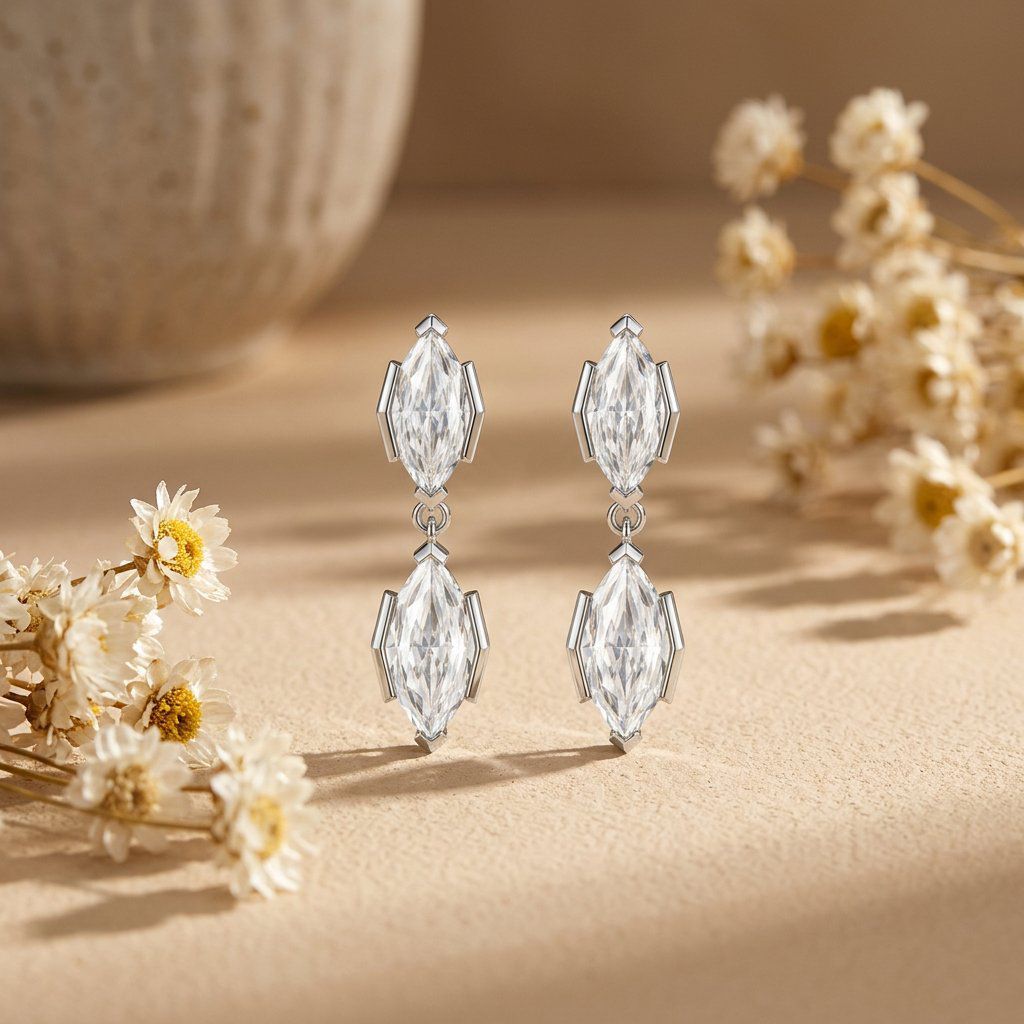
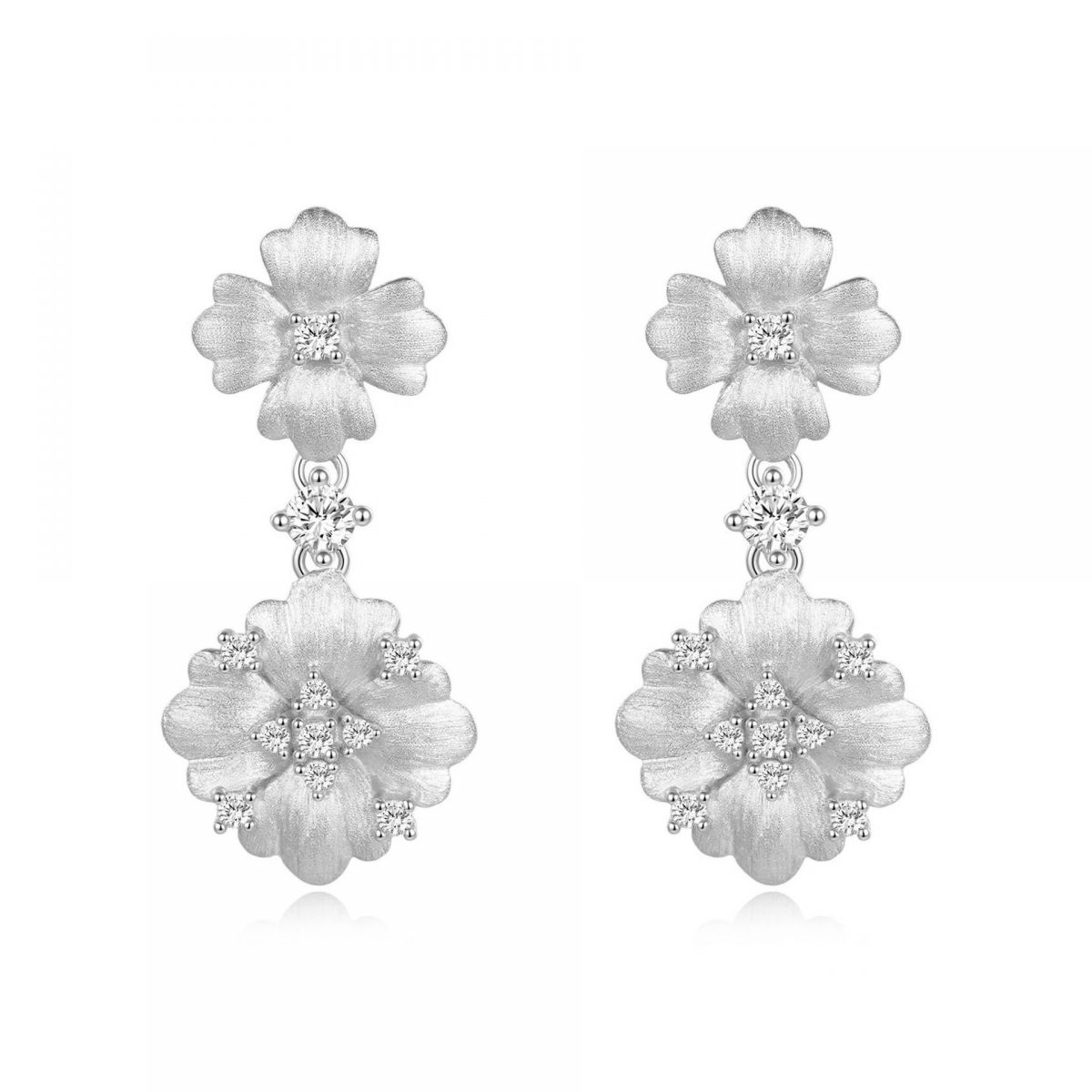
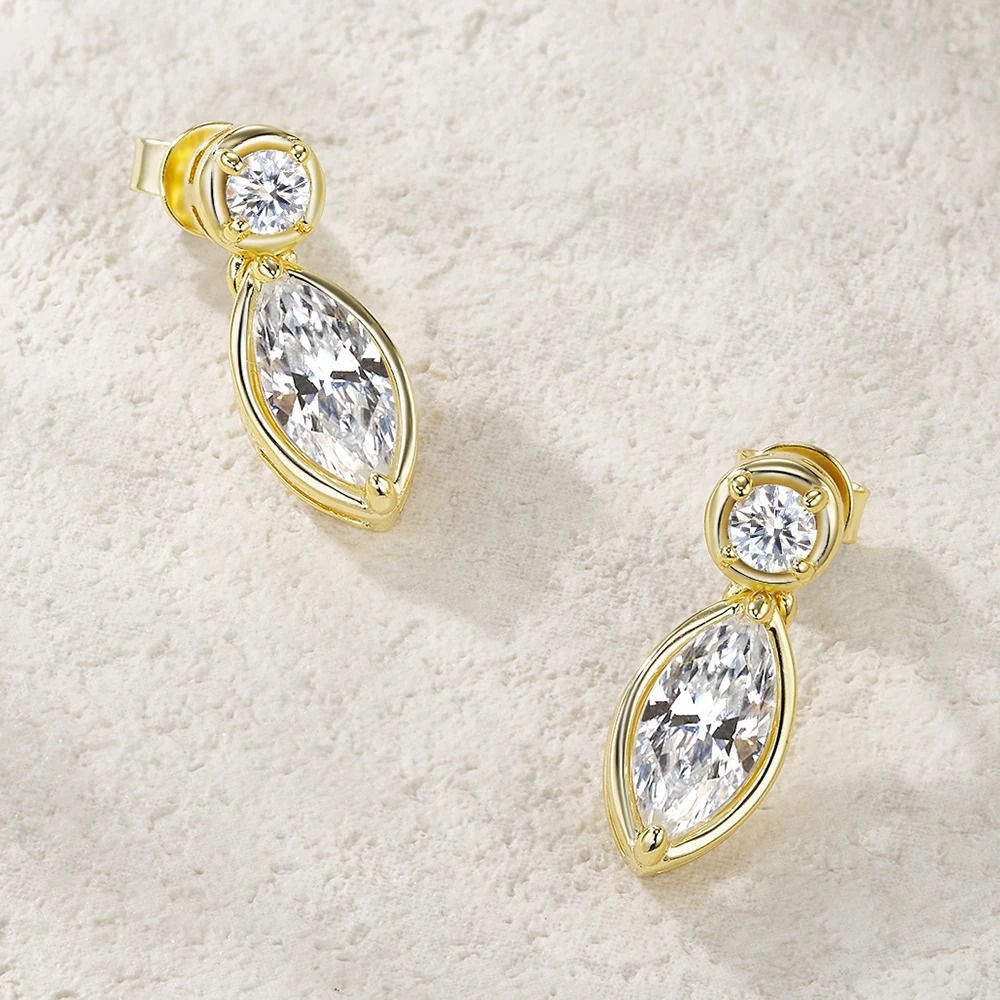
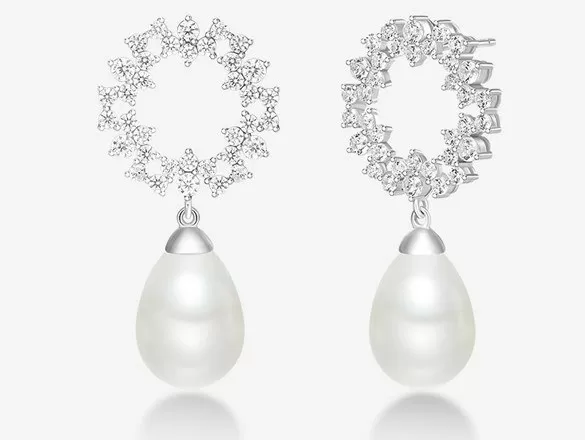
Earrings
Earrings for Online Store Owners: returns and repair data
Understanding Return Trends in the Earrings Market
Online retailers see a significant percentage of earrings returned, primarily due to size mismatches and style misalignment. Tracking return rates gives insight into inventory decisions, helping you avoid overstocking styles that don’t resonate with buyers. By analyzing patterns, you can refine your product mix to favor best‑selling silhouettes, minimizing returns and maximizing profit margins.
Data indicates that a 5% drop in return rates can boost net revenue by up to 12%, as customers spend less on replacements and refurbishment. Implementing a robust return policy, along with accurate product descriptions, shortens the return cycle and improves customer satisfaction, creating a virtuous cycle of repeat business and positive reviews.
Repair Requests: A Frequency Overview
While returns focus on unsold returns, repair requests are a separate channel of product lifecycle management. Buyers report that 3–4% of earrings sent to them require repair within the first 90 days of sale. Repair types range from loose stones to damaged clasps, with repair costs averaging 15–20% of the original sale price.
By partnering with a supplier who offers repair services, you can quickly resolve issues, maintaining brand trust and reducing the churn rate. Offering repair credits or extended warranties further differentiates your store, encouraging customers to stay loyal rather than shop elsewhere after a mishap.
Return & Repair Data: The Numbers That Matter
| Style | Return Rate (%) | Repair Rate (%) | Average Repair Cost ($) |
|---|---|---|---|
| Studs | 8 | 2 | 12 |
| Hoops | 12 | 4 | 18 |
| Drop Earrings | 10 | 3 | 15 |
These figures serve as a baseline for setting realistic inventory targets. For example, a high return rate on hoops suggests you should limit initial orders and monitor customer feedback closely before expanding the range. Matching repair cost expectations with your profit margins helps you determine whether to absorb the cost or pass it on to the customer.
Furthermore, tracking AQL (Acceptable Quality Level) during the pre‑ship check ensures that most defects are caught before the product reaches the buyer. A consistent QC process results in fewer post‑sale interventions, saving time for both you and your customers.
Impact of MOQ and Lead Time on Your Returns Strategy
Offering a minimum order quantity of one piece for standard stock allows you to test styles rapidly without committing to bulk inventory. If a certain design shows a high return rate, you can discontinue it with minimal sunk costs. For custom orders, a 30‑piece MOQ balances production efficiency with the ability to offer exclusive designs that command higher prices.
Our 12–18 day production cycle aligns well with fast‑fashion retail models. By planning stock ahead of seasonal spikes, you reduce the likelihood of stockouts that may force buyers to resubmit orders, potentially increasing return incidents. Aligning production schedules with your marketing calendar keeps your inventory fresh and reduces the need for costly repairs.
Customer‑Centric Repair Policies and Their Effect on Returns
- Clear repair procedures outlined on your site reduce the number of customer inquiries.
- Offering free repair for the first 60 days encourages buyers to keep the product.
- Providing a repair voucher for future purchases retains customer loyalty.
- Tracking repair reasons helps refine product design and sourcing.
- Transparent pricing for extended warranties builds trust.
When customers know exactly how repairs are handled, they are more likely to order rather than abandon a potentially expensive piece. A well‑structured repair policy also lowers the administrative burden on your support team, freeing up resources for other growth initiatives.
Additionally, offering a repair timeline of 5–7 business days further boosts satisfaction, as customers see tangible evidence that their concern is being addressed promptly. This, in turn, reduces the perception of risk associated with purchasing high‑value earrings online.
Leveraging GRA and IGI Certificates to Reduce Returns
Certificates such as GRA (Gem Reference Association) and IGI (International Gemological Institute) provide independent verification of stone quality. By including these documents with each shipment, buyers gain confidence in the authenticity and durability of your earrings. This transparency decreases the likelihood of returns caused by perceived quality discrepancies.
Moreover, certificates can be used to educate customers about proper care and maintenance, reducing accidental damage and subsequent repair requests. When buyers feel informed, they are more inclined to treat the jewelry with proper care, extending its lifespan and reducing the need for costly interventions.
Frequently Asked Questions
What is the minimum order quantity for stock items?
You can order from one piece as stock. For custom orders the minimum is 30 pieces.
How long will it take to receive a new shipment after placing an order?
Production takes 12‑18 days, with DDP delivery 5‑8 days to the US.
Can I pay via PayPal for samples?
Yes, PayPal is accepted for samples. For larger orders we accept T/T with 30% deposit.
Send your spec sheet — stone, cut, size, plating and quantity — and we will return a costed timeline.
Ask the workshop