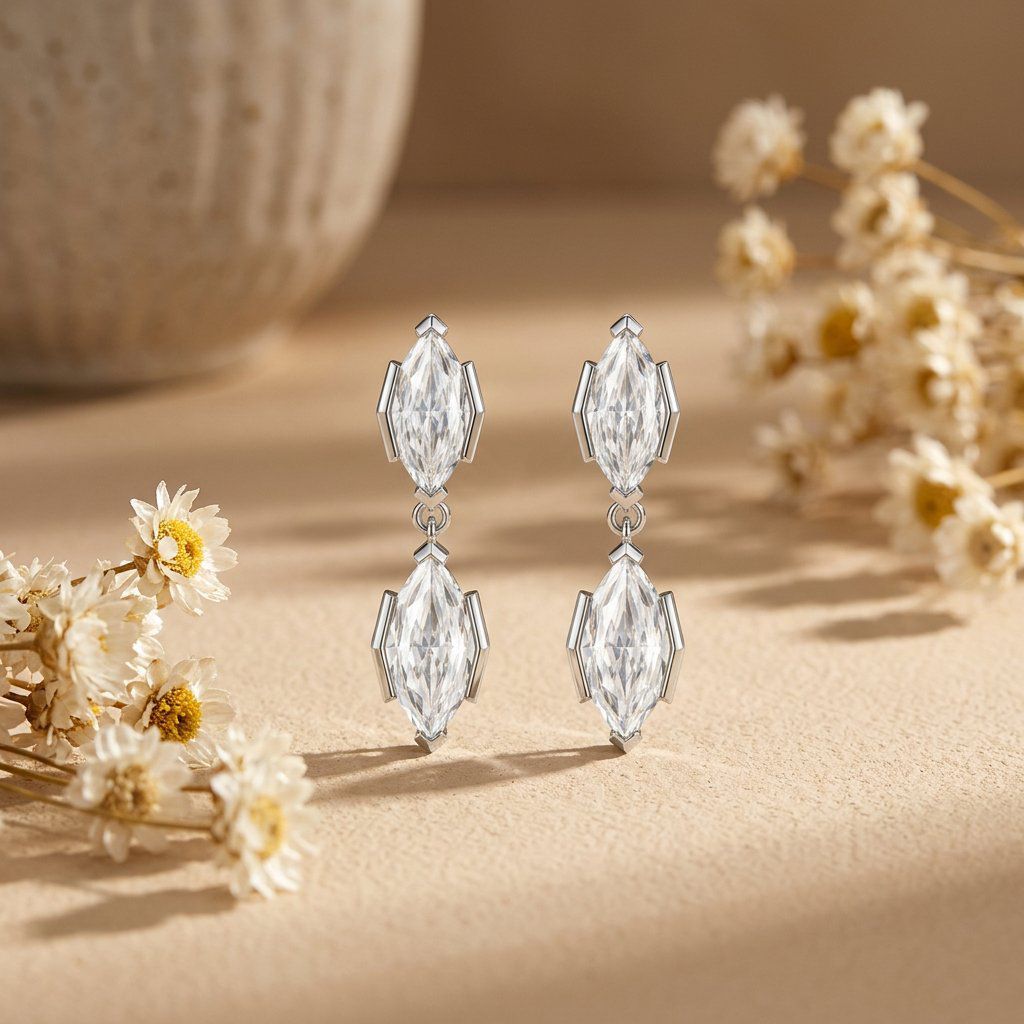
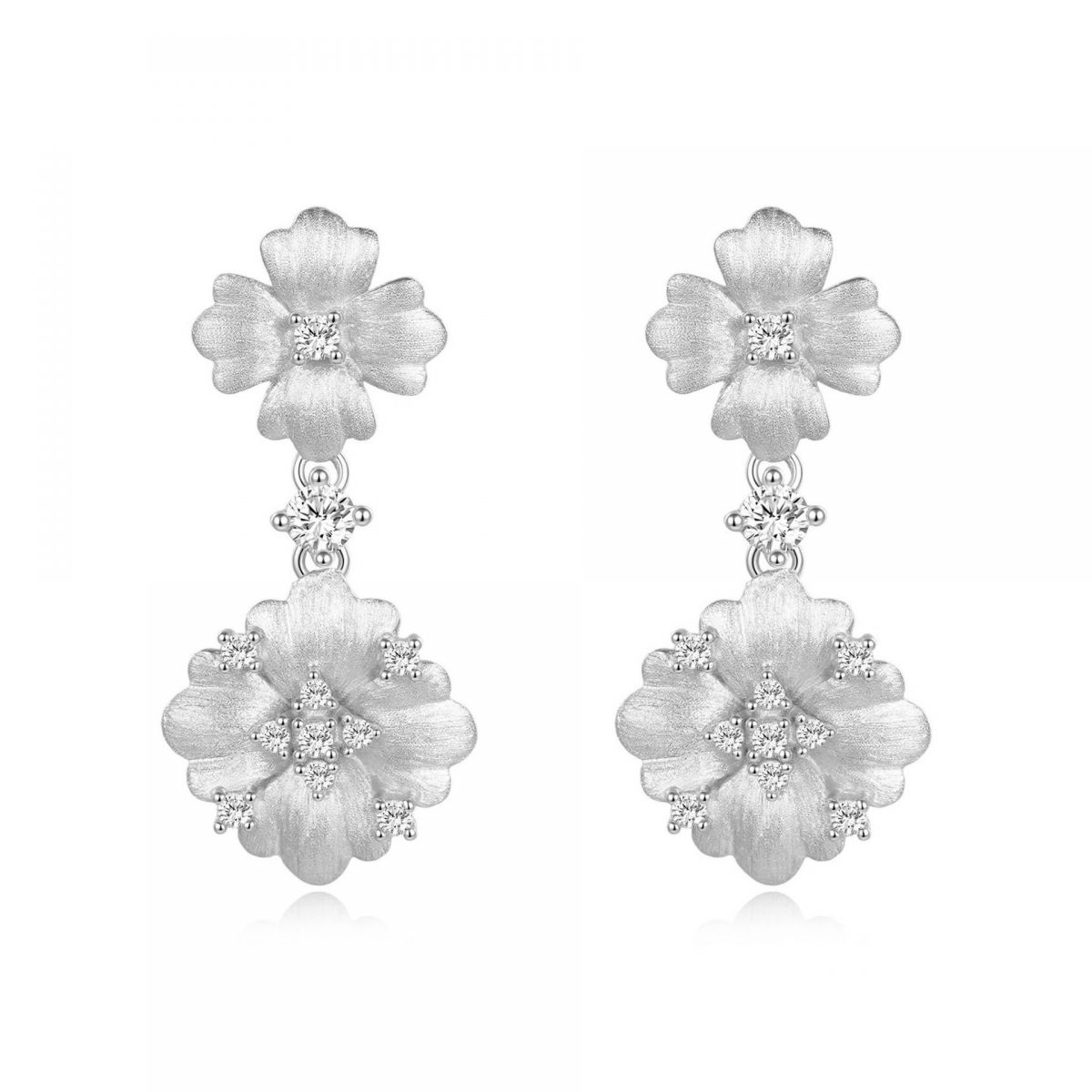
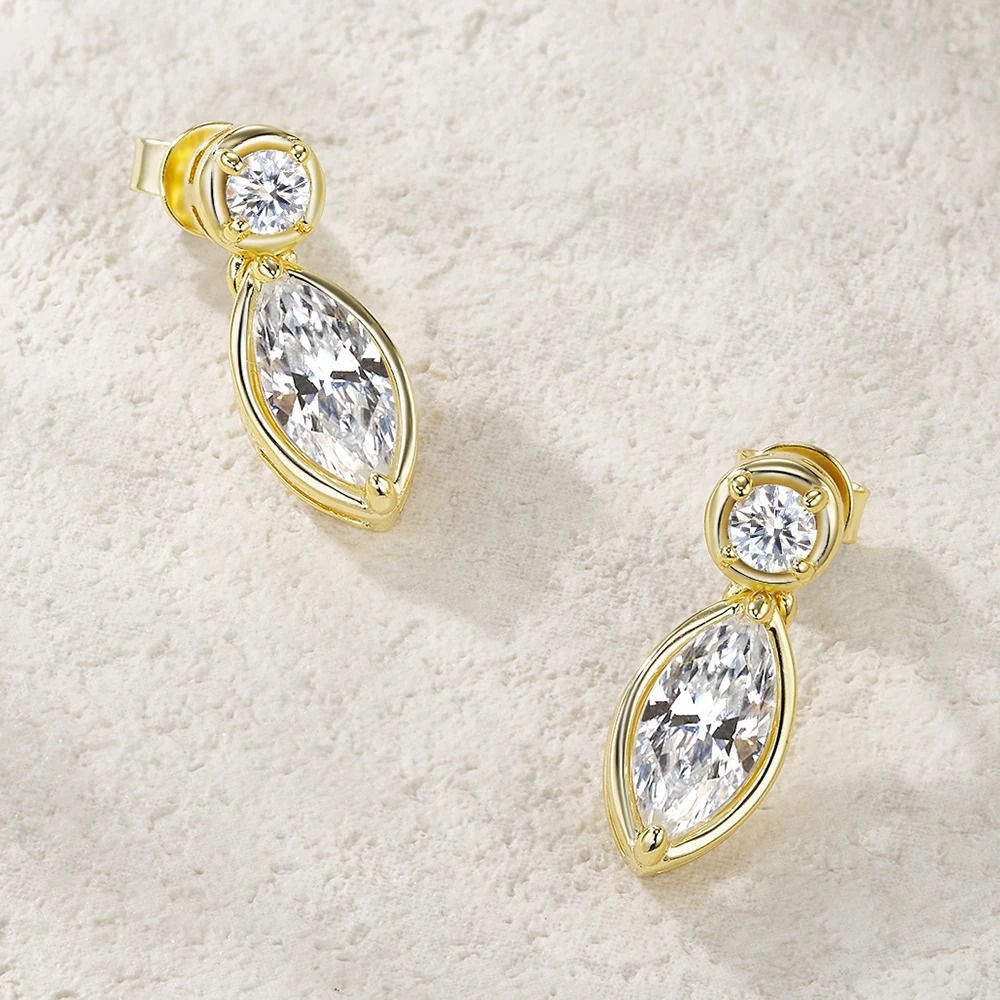
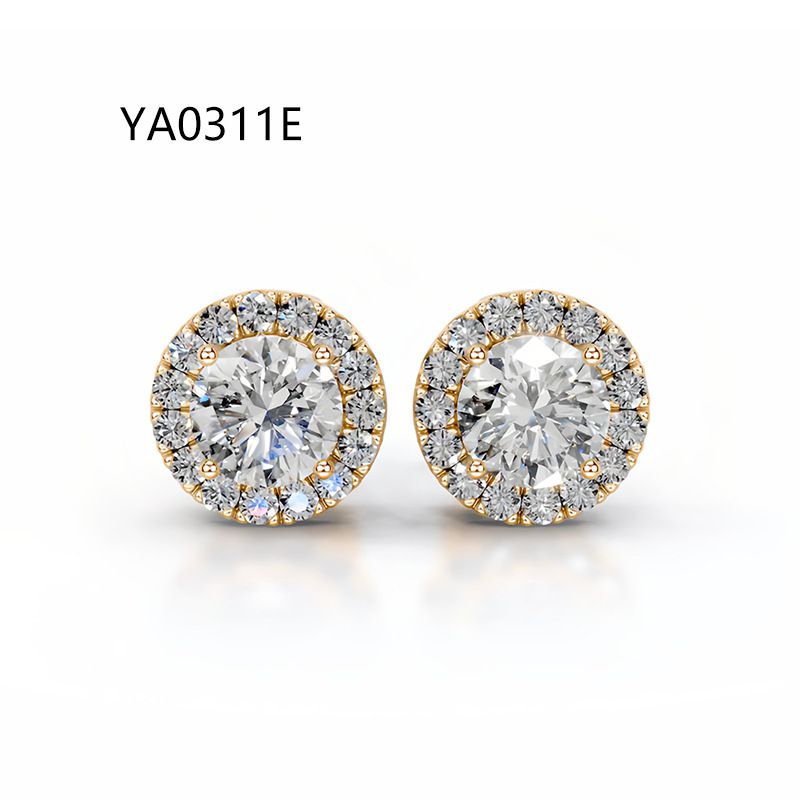
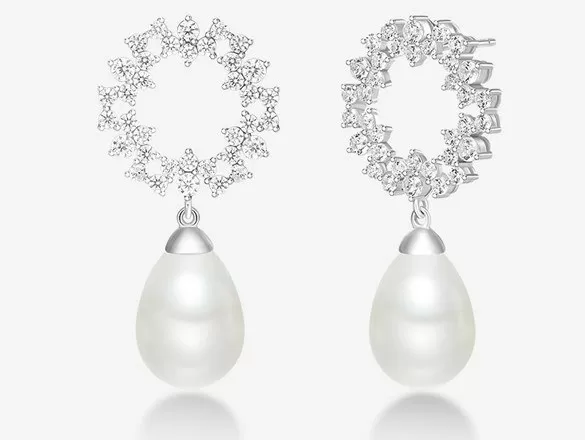
Earrings
Earrings Custom OEM Private Label: plating thickness and tarnish
Why Plating Thickness Matters for Long‑Lasting Earrings
The first thing buyers notice when they touch an earring is how heavy it feels. A thicker plating, usually 3–4 microns, gives a denser feel that customers equate with quality. Our 925 silver base, when plated with a 4µm layer of gold or rhodium, resists scratches and maintains a lustrous finish even after months of wear.
In contrast, a thinner 1–2µm plate can show up under daily abrasion, leading to a dull surface and potential allergic reactions from exposed silver. With our three‑stage QC, every piece is inspected for plate integrity before leaving the line, ensuring the thickness stays consistent across batches.
Understanding Tarnish: What Causes It and How to Prevent It
Tarnish is the oxidation of base metals when exposed to moisture, sweat, or even the air. For silver earrings, the silver surface reacts with sulfur compounds, forming a blackish layer. This not only looks unappealing but can also irritate sensitive ears.
Our solution is a two‑step plating process. First, a protective rhodium layer seals the silver, then a gold or platinum overlay adds durability. This dual coating dramatically slows oxidation, keeping earrings crisp for months, especially under the humid conditions common in many U.S. and EU markets.
Plating Thickness Chart (Sample)
| Material | Standard Thickness (µm) | Wear Resistance | Ideal Use |
|---|---|---|---|
| Gold (24k) | 4–5 | High | Luxury studs |
| Rhodium | 3–4 | Medium | Silver trims |
| Nickel (shield) | 2–3 | Low | Base plating |
How Plating Thickness Affects Pricing and MOQ
Thickness directly influences material costs. A 5µm gold plate runs roughly 1.5 times more expensive than a 3µm plate. Importantly, we maintain a low MOQ of 1 piece for stock items, making it easy for buyers to test new designs without a large upfront investment.
For custom orders, the minimum is 30 pieces, which allows us to keep production costs optimal while still offering a competitive price. Our 12–18 day lead time applies to both stock and custom runs, giving you a predictable schedule.
Choosing the Right Finish for Different Customer Segments
- Plain gold for minimalist look
- Rose gold for warm tones
- Platinum‑colored finish for high‑end appeal
- Polished silver with rhodium coating for everyday wear
- Textured gold for fashion‑forward designs
Each finish requires a specific plating thickness to meet durability expectations. When you discuss options with us, we’ll suggest the optimal combination of thickness and finish based on your target demographic.
Production Speed vs. Quality: How We Outsmart the Market
Owning our setting and polishing lines lets us cut down the typical 25% time on average. With a 12–18 day lead time, you receive first‑pass yield rates around 20% better than typical trading companies. This advantage is reflected in our cost structure, allowing us to offer competitive pricing without compromising on quality.
Our three‑stage QC—incoming stone check, in‑process inspection, and pre‑ship AQL—ensures every earring meets your specifications before it reaches the buyer. This rigorous process also supports our GRA and IGI certification availability for transparent sourcing.
Frequently Asked Questions
What is the minimum order quantity for custom earring designs?
We accept 30 pieces for custom orders, but you can start with 1 piece for stock items. This flexibility helps you test designs without a large commitment.
How long does the production cycle take?
Our standard lead time is 12–18 days from order confirmation to shipment, regardless of order size.
Can I get a sample before placing a full order?
Yes, we accept PayPal for sample payments, and we ship samples via DDP within 5–8 days to the U.S.
Ready to elevate your earring line with superior plating and unbeatable quality? Contact us for a quote or to request samples.
Send your spec sheet — stone, cut, size, plating and quantity — and we will return a costed timeline.
Ask the workshop