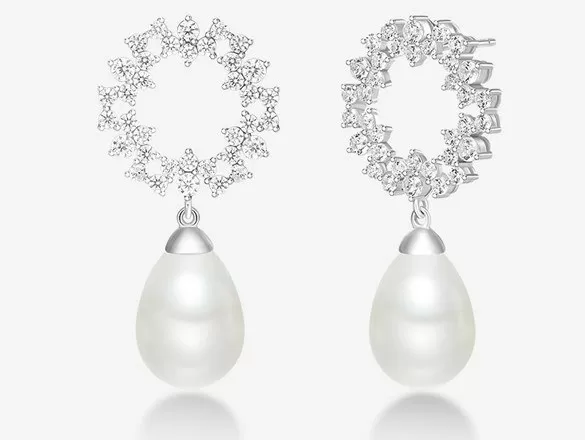
Earrings
Clip-On and Non-Pierced Bridal Earrings for Every Ear
It is easy to assume every bride has pierced ears, but a surprising number do not. Some choose not to pierce, some have healed piercings, and others have sensitive ears that reject posts on a long day. For those customers, the bridal earring options used to be limited to a few flimsy clips that pinched by noon. That has changed. Modern clip-on and non-pierced bridal earrings are padded, adjustable, and polished enough to hold their own against pierced designs. Jewelers who ignore this shopper are leaving a real and underserved market on the table.
The non-pierced bridal customer
Three groups drive demand. First, brides who simply do not have piercings and want beautiful wedding-day earrings. Second, bridesmaids and mothers of the couple, who often need to match a bridal look but cannot wear posts. Third, customers with metal sensitivities who avoid nickel posts entirely. A single bridal party can contain all three, which makes non-pierced options a useful upsell when styling the whole group.
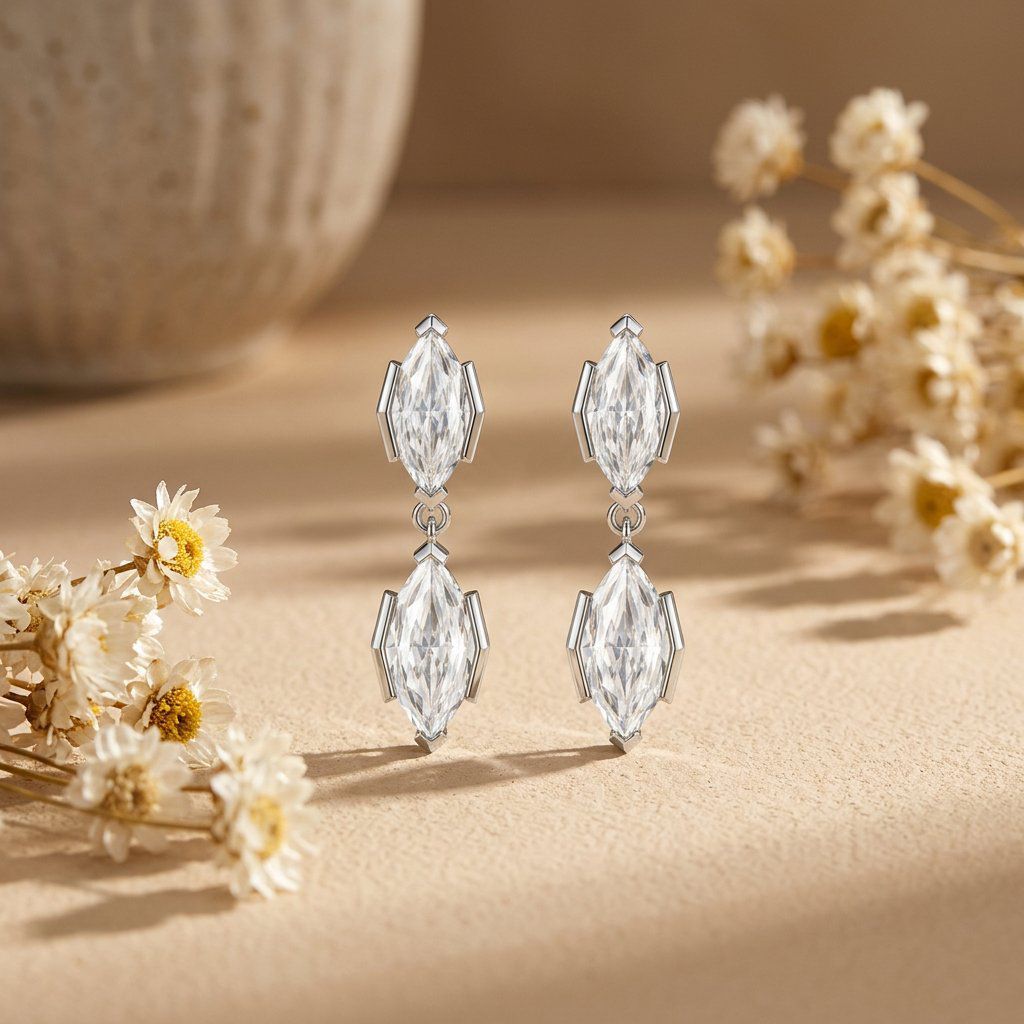
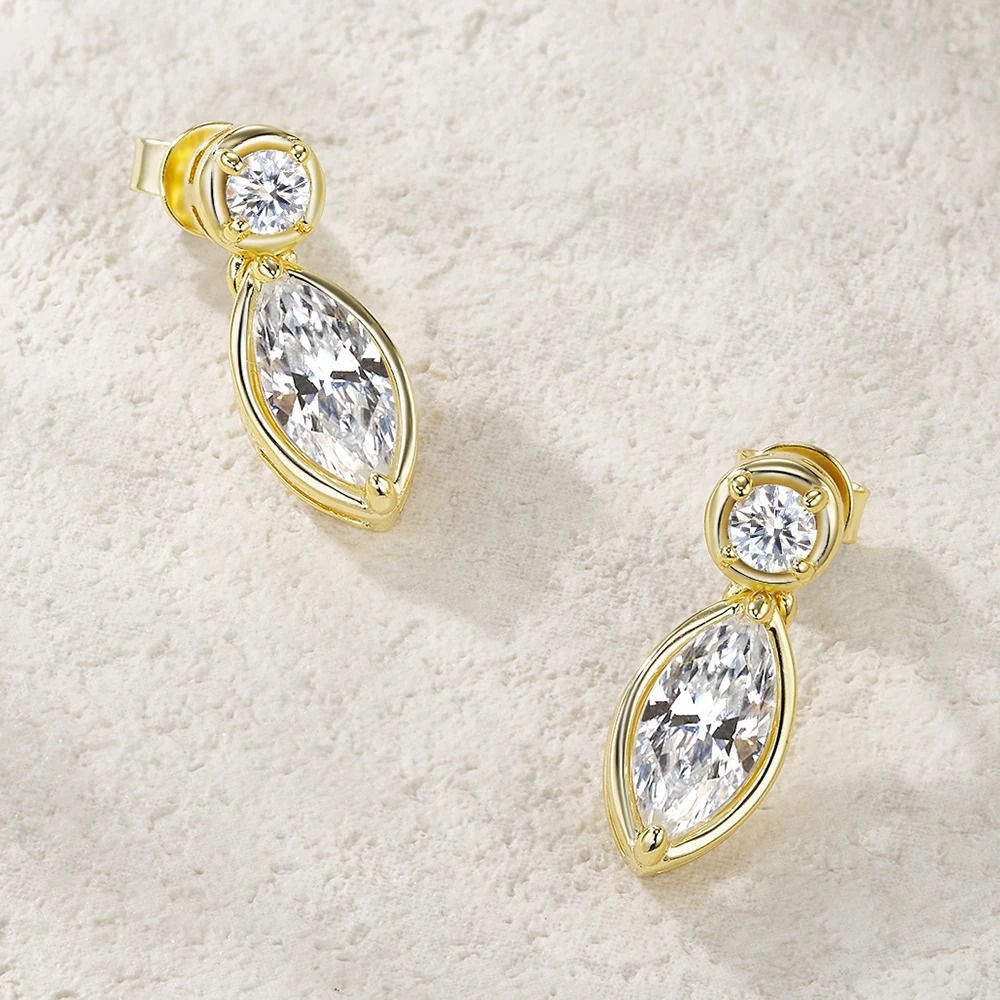
The good news is that the design gap has closed. A non-pierced moissanite drop can look identical to its pierced version from the front, with the clip mechanism hidden behind the earlobe. Customers no longer have to choose between style and comfort.
Types of non-pierced fittings
Clip-on styles fall into a few main families. The classic spring clip uses a hinged lever that snaps shut; it is widely available but can pinch if not padded. Screw-back clips let the wearer tighten the pressure to a comfortable point, which is the most comfortable option for long wear. U-back or paddle clips spread pressure across a wider area and work well for heavier drops. Ear cuffs and huggies that clip around the cartilage are another modern route for customers who want an edgier look.
When advising a customer, the weight of the earring dictates the fitting. A light stud or small hoop can live on a simple padded clip. A chandelier or long drop needs a screw-back or U-back to stay put for hours. Our overview of posts, push backs, and screw backs helps explain the fastening logic, even though the non-pierced equivalents follow the same comfort principles.
Comfort on a twelve-hour day
Wedding-day earrings are worn longer than almost any other piece of the event. A bride puts them on in the morning and removes them late, after photos, dinner, and dancing. That is a long time for a clip to grip. Padded clips with silicone or rubber cushions make an enormous difference, and adjustable screw pressure lets the wearer loosen the fit slightly after the ceremony without losing the earring.
Teach customers a simple trick: wear the earrings around the house for an hour before the wedding day to find the comfortable setting. A clip that feels fine at the store may pinch after two hours, and that is far better to discover at home than in the middle of the ceremony.
Styling for the bridal party
Non-pierced earrings are a natural fit for bridesmaid gifts. When one attendant has piercings and another does not, the whole party can still wear matching drops by offering both pierced and clip-on versions of the same design. This consistency photographs beautifully and removes a common source of bridal-party stress. Pair the earrings with a small pendant from your bridesmaid range, as covered in our bridesmaid pendant gift guide, to build a coordinated gift set.
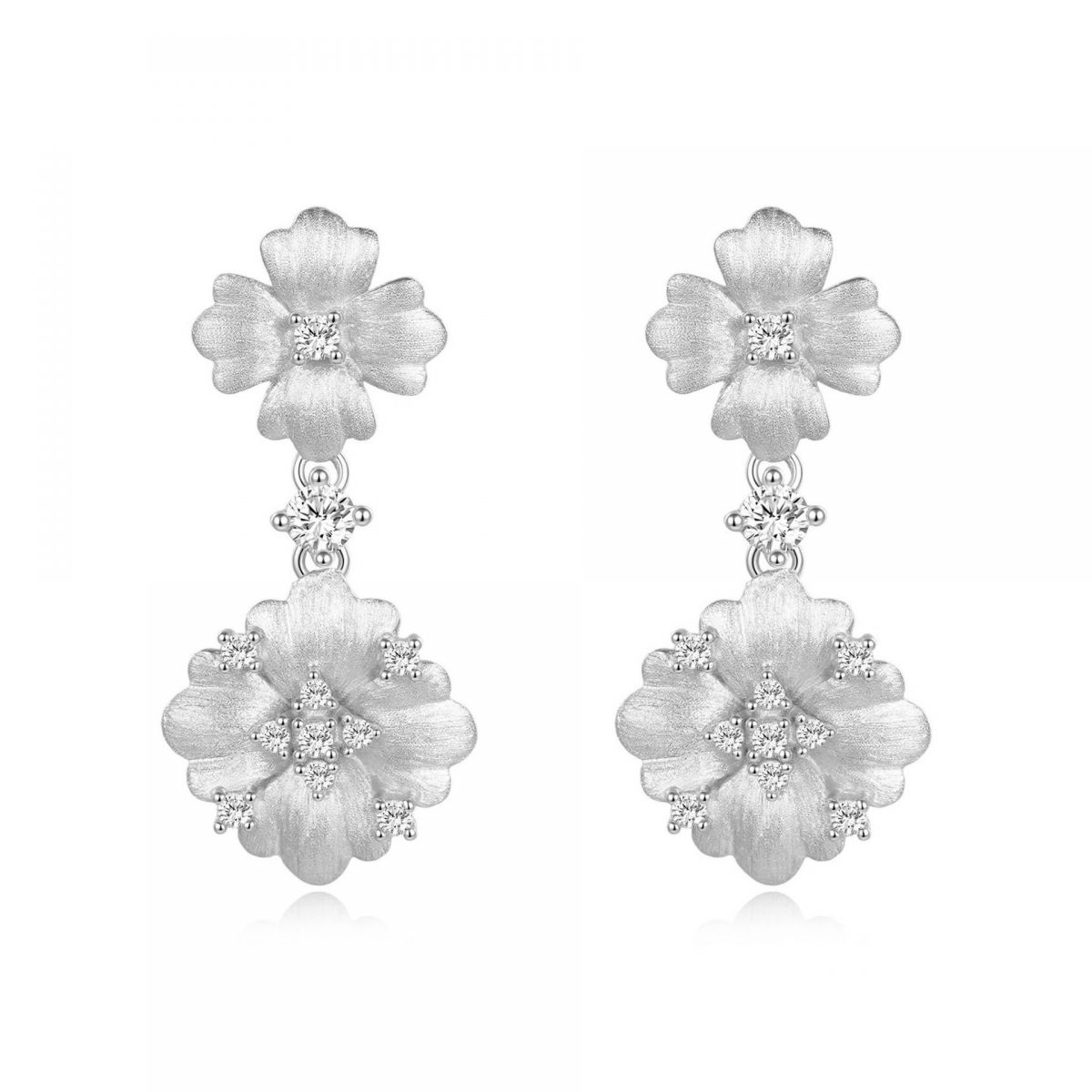
For the bride herself, a clip-on drop in a classic silhouette means she is not limited to studs. She can choose the same shoulder-sweeping chandelier look as a pierced bride, with the confidence that the fitting is secure. The range of bridal drop and chandelier styles now commonly comes with non-pierced options, so ask your supplier rather than assuming only pierced versions exist.
Materials and sensitivity
Because clips sit directly against skin for hours, the metal matters. Look for clips with stainless steel or brass bases plated in white gold or rhodium, and avoid the cheap nickel springs common in fashion jewelry. A sensitive customer who reacts to posts will also react to an unpadded clip, so padded, hypoallergenic fittings are worth the small upgrade cost. This aligns with the broader demand covered in our hypoallergenic earrings retail guide.
Why jewelers should stock both options
Carrying one or two non-pierced silhouettes costs little and captures a customer who would otherwise walk out empty-handed or buy online. Display a clip-on pair on a ear form so the mechanism is hidden but the style is clear and easy to photograph. When a customer mentions she cannot wear posts, having the option ready positions you as a thoughtful, full-service jeweler rather than a store that only serves pierced ears. It is a small assortment with an outsized impact on customer goodwill and repeat bridal-party bookings.
For third-party reference, the Wikipedia article on moissanite details moissanite’s discovery, optical properties and use in jewelry.
Frequently Asked Questions
What ring sizes can you supply in bulk?
US sizes 5–12 including half sizes. Send a size breakdown with your order and we cast to that curve; comfort-fit inner bands reduce resize requests.
Can I order a mixed size run instead of one size?
Yes. Mixed runs are standard for wholesale: specify quantity per size and we pack and label by size at no extra labor cost.
What is the MOQ for custom ring designs?
50 pieces per design for existing molds; 100–300 pieces when a new mold or CAD model is required.
How should I price rings for retail margin?
Most partners use a 3–4x markup on FOB cost for sterling and 2.5–3x for moissanite solos, which keeps landed cost under 30% of retail.
Send your spec sheet — stone, cut, size, plating and quantity — and we will return a costed timeline.
Ask the workshop