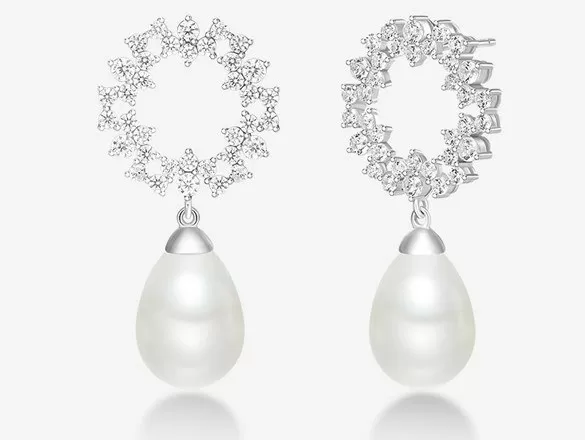
Earrings
Clip-On Bridal Earrings for Non-Pierced Brides
Wedding jewelry usually assumes pierced ears. Bridal collections are built around posts, editorial shoots feature dangling crystals on pierced lobes, and most styling guides never mention the alternative. But a growing number of brides — whether they never pierced as children, let their lobes close, or simply do not want a hole for their big day — want earrings without the commitment. Clip-on bridal earrings have come a long way, and the right pair can sit comfortably from morning prep through the last dance.
The three main clip-on styles
Hinge-back clips are the most common. A lever snaps shut behind the lobe, and many modern versions include a small adjustable screw so you can tighten or loosen the grip. They are fast to put on and remove, which matters when you are helping your bridal party get ready against a tight timeline.
Screw-back clips let you wind a small screw to set exactly how tight the clasp grips the lobe. They hold heavier drops more securely and are the safer choice for chandelier styles, though they take a moment longer to fit. For brides with smaller lobes, screw-back is often the more comfortable option because you control the pressure.
Padded or cushioned clips add a thin foam or silicone pad between the metal and the skin. This is the single biggest comfort upgrade available and is worth looking for in any pair you plan to wear for ten hours or more. The pad also prevents the clip from sliding on smooth skin, which means the earring stays at the angle you put it on.
Weight is everything on a long day
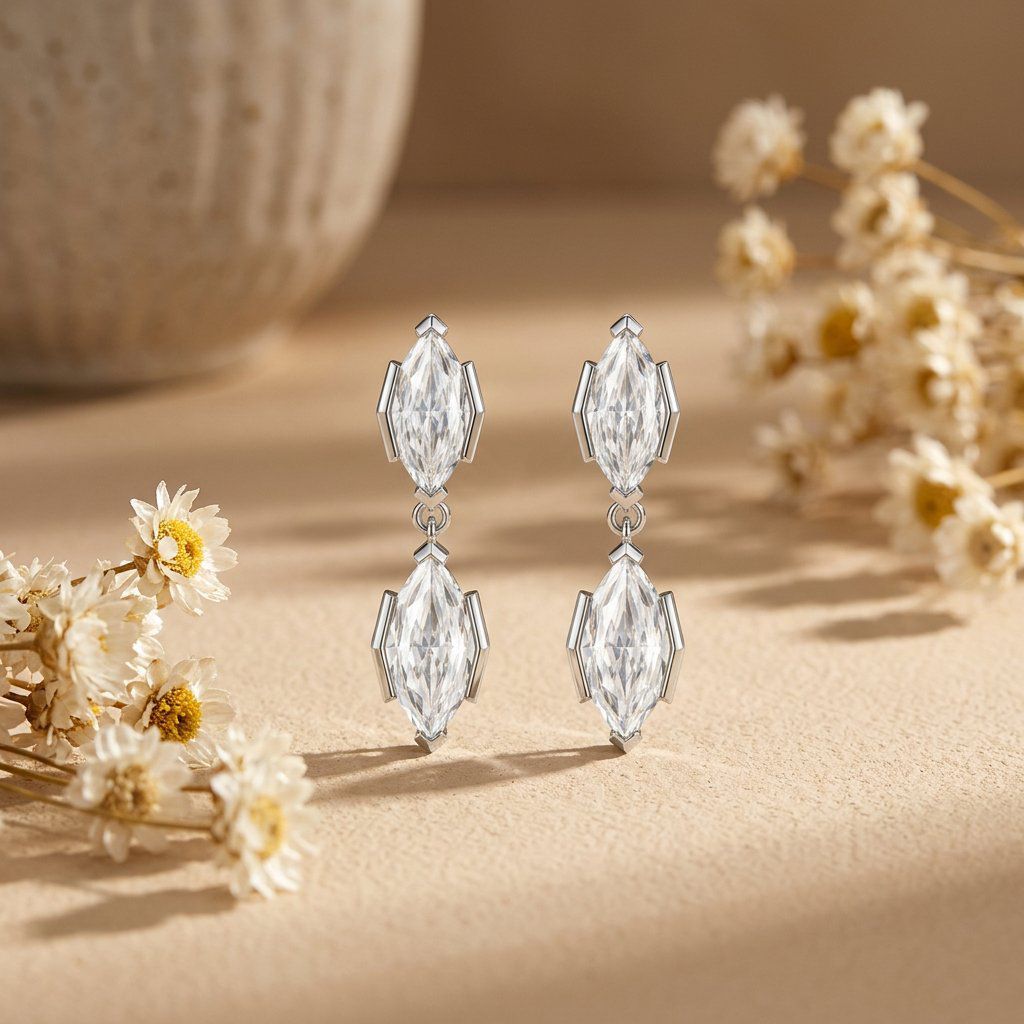
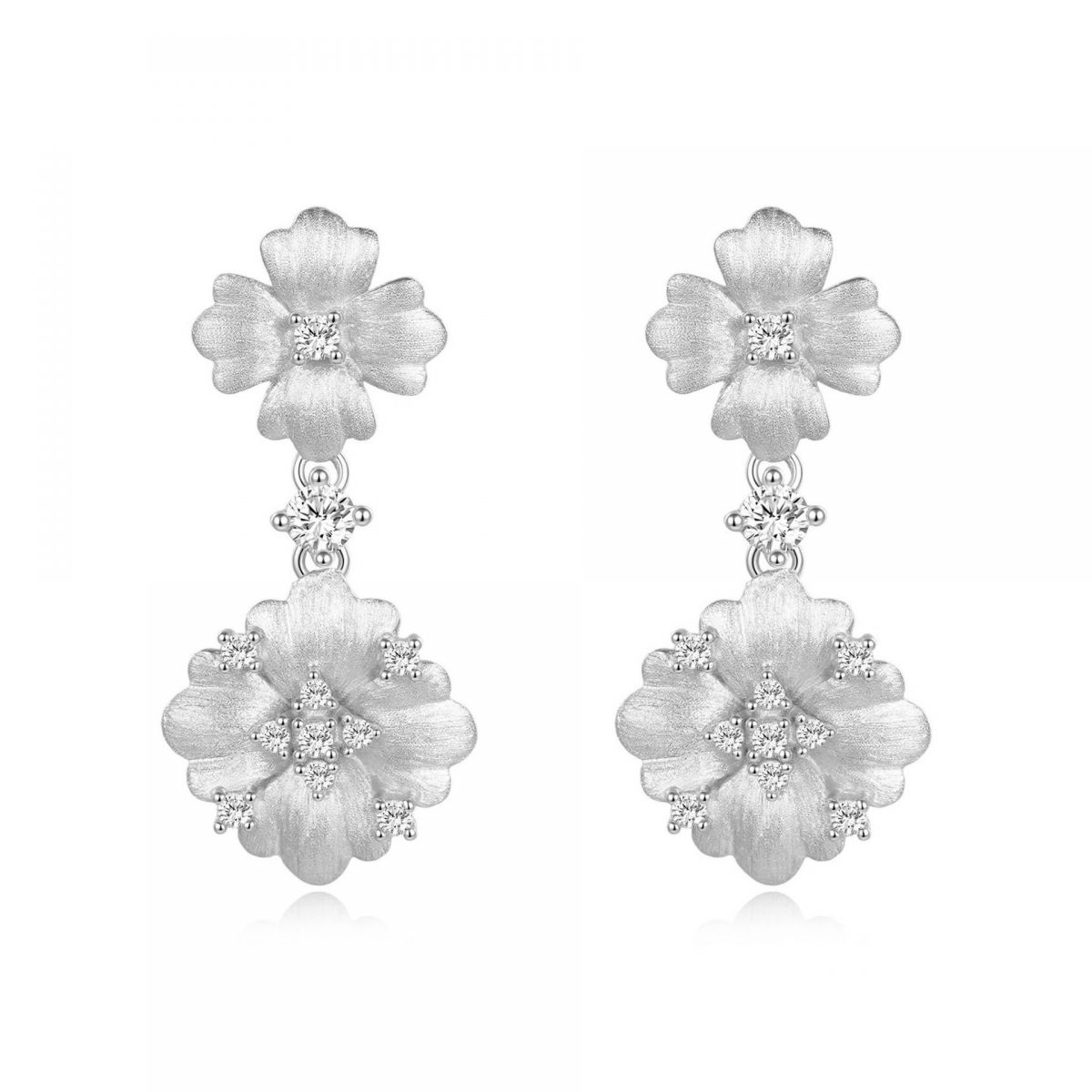
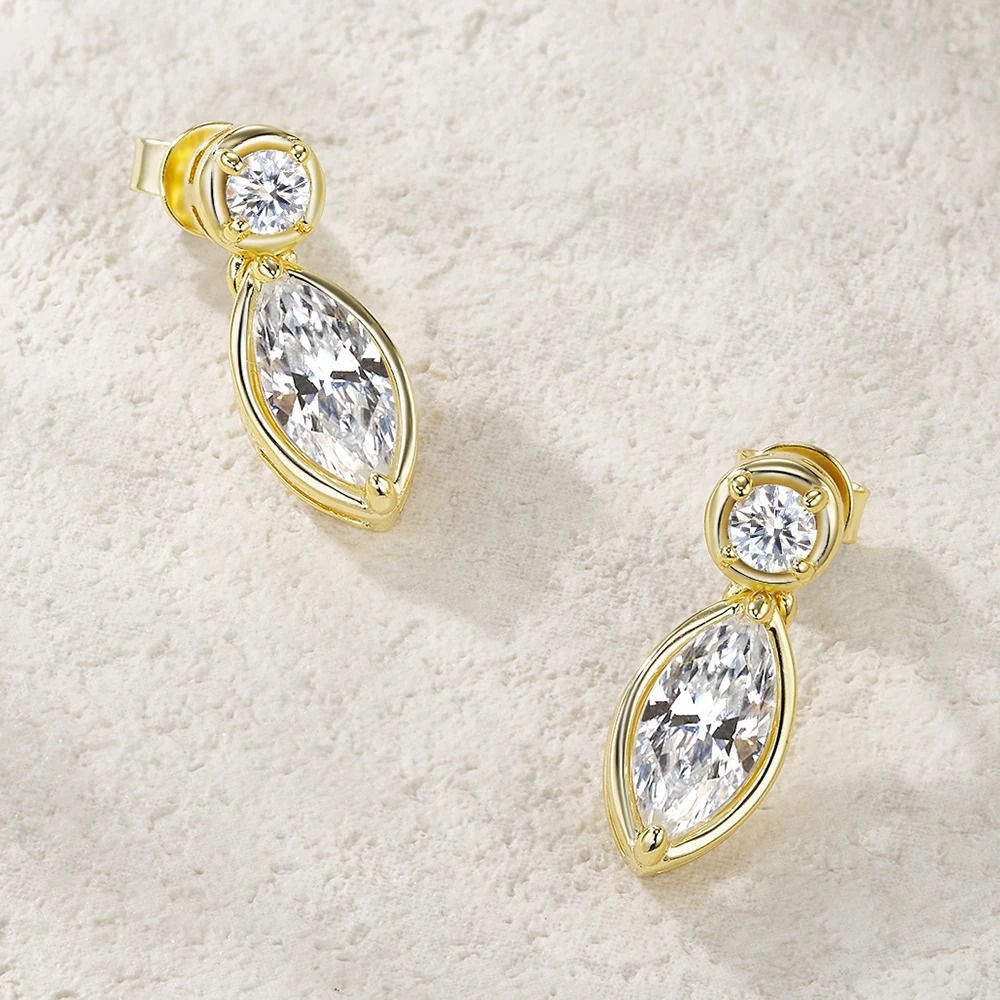
A clip-on does not have the structural advantage of a post going through the lobe, so heavier drops pull more on the skin. A 20mm moissanite halo drop that feels fine for an hour at a fitting can feel like a small weight by the reception. If you love a dramatic silhouette, look for openwork or airy settings rather than solid metal backs, and keep the center stones smaller — our guide to bridal drop and chandelier earrings walks through proportion options.
Testing your clip-ons before the wedding
Wear the earrings around the house for a full afternoon at least two weeks before the wedding. Put them on while you do chores, cook, and answer emails. Notice where pressure builds, whether the clasp slips when you turn your head, and whether the backs leave a mark. This test tells you far more than a two-minute mirror try-on ever could. If a pair pinches, a thin silicone pad or a quick adjustment by a jeweler usually fixes it.
Building an on-the-day backup kit
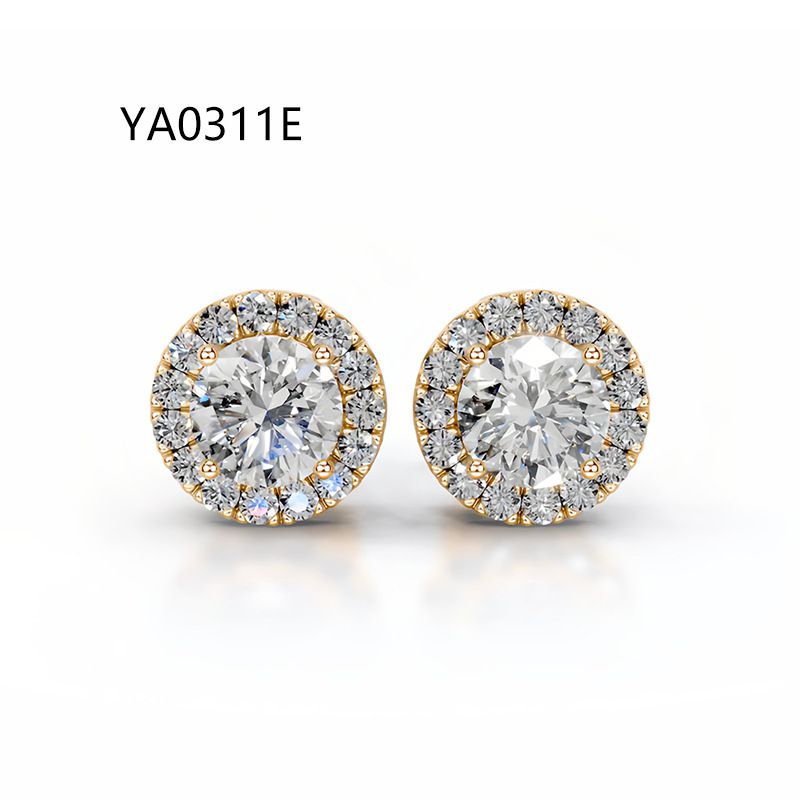
Toss a few clear silicone pads, a small screwdriver for screw-backs, and a piece of double-sided fashion tape into your bridal emergency kit. If an earring starts slipping mid-ceremony, a maid of honor can fix it in seconds. If you have bridesmaids with mixed piercing situations, a spare pair of clip-on studs in the same finish saves the day when a last-minute attendant realizes she has no posts.
If you have sensitive ears and are unsure which clip style will suit you, borrow a pair of clip-ons from a friend for an afternoon before you buy. The way a clip feels on your ear is personal — what one person finds unnoticeable, another finds unbearable. A short real-world test tells you more than any product description.
What if you decide to pierce later?
Many brides who wear clip-ons for the wedding go on to get pierced within a year. If that is you, keep the earrings and ask your jeweler to swap the clip hardware for posts afterward. Most drop and halo designs are built on a removable finding, so the same pair that carried you down the aisle becomes your everyday stud. This is a smart reason to invest in a pair you genuinely love, rather than treating the clip-ons as a one-day rental.
Coordinating with the rest of the look
Because clip-on hardware is visible from behind, choose a finish that matches your ring metal — yellow gold, rose gold, or rhodium-plated silver. If your hair is in an updo, smaller studs or medium drops photograph beautifully. If you wear hair down, longer linear earrings read better on camera. Our piece on bridal earrings by wedding hairstyle goes deeper on that pairing.
Non-pierced ears are not a limitation on your wedding day. With the right hardware, a little padding, and a sensible weight choice, your earrings will be the last thing you are thinking about — exactly where they should be. And if you later decide to add piercings, the pair you chose for the day becomes the first piece in a jewelry collection that grows with you.
Independent background on moissanite — how its hardness and refractive index compare with diamond — is documented in the Wikipedia article on moissanite.
Frequently Asked Questions
What ring sizes can you supply in bulk?
US sizes 5–12 including half sizes. Send a size breakdown with your order and we cast to that curve; comfort-fit inner bands reduce resize requests.
Can I order a mixed size run instead of one size?
Yes. Mixed runs are standard for wholesale: specify quantity per size and we pack and label by size at no extra labor cost.
What is the MOQ for custom ring designs?
50 pieces per design for existing molds; 100–300 pieces when a new mold or CAD model is required.
How should I price rings for retail margin?
Most partners use a 3–4x markup on FOB cost for sterling and 2.5–3x for moissanite solos, which keeps landed cost under 30% of retail.
Send your spec sheet — stone, cut, size, plating and quantity — and we will return a costed timeline.
Ask the workshop