Bridal Sets
Bridal Set Anniversary Upgrade: Trade-In Programs That Retain Customers
Most bridal jewelers treat a sold bridal set as the finish line. The smarter ones treat it as the first day of a relationship. A couple who bought their engagement ring and wedding bands from you is, statistically, your easiest future sale—they already trust your work, know your quality, and have a clear emotional reason to come back. The only missing piece is a reason to return. That is what a structured anniversary upgrade and trade-in program provides.
Why upgrade programs work
Wedding-ring buyers change over time. A ring chosen in the early twenties may feel small by the tenth anniversary. Lifestyle changes—promotions, children arriving, careers shifting—make couples want to honor their history with a bigger or more personal stone. Without an upgrade path, that business walks to a competitor who advertises "trade in your ring." With a program of your own, the couple returns to the jeweler who already knows their finger size, their style, and their story.
The economics are simple. Acquiring a new bridal customer costs many times more than retaining an existing one. An upgrade sale costs you almost nothing in marketing and lands with a couple who already trust you.
What upgrades couples actually request
Three kinds of upgrade dominate, and a good program covers all three.
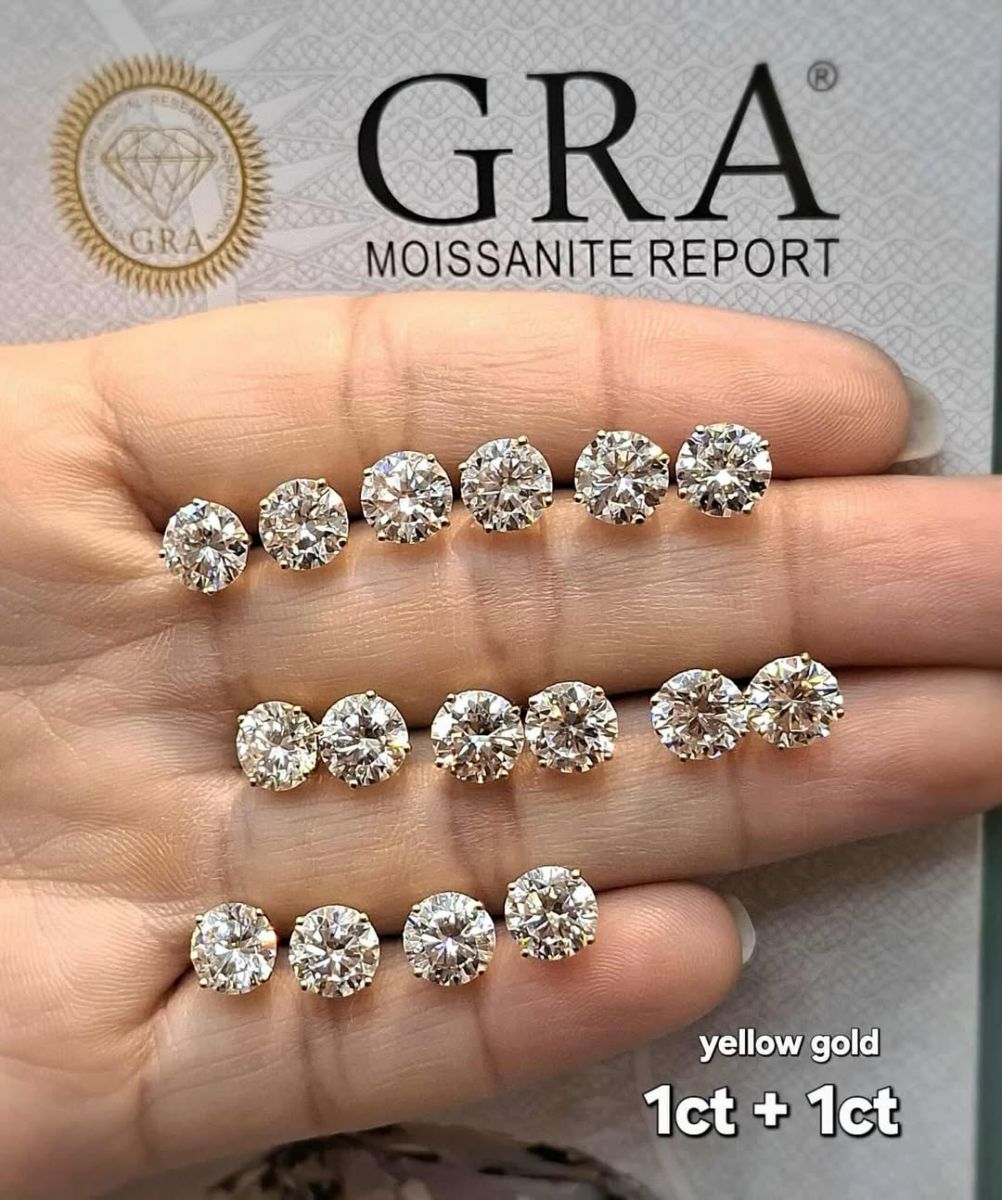
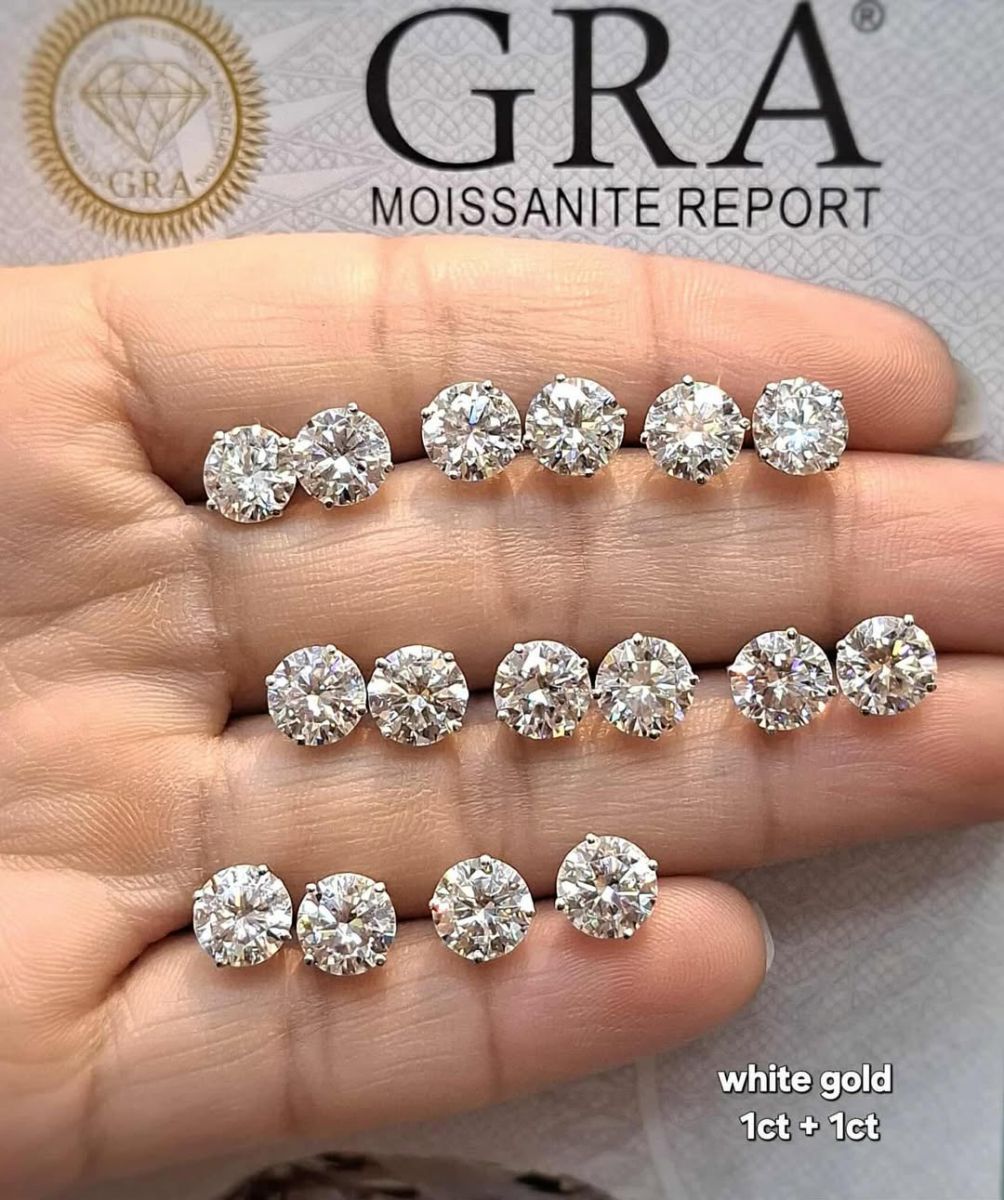
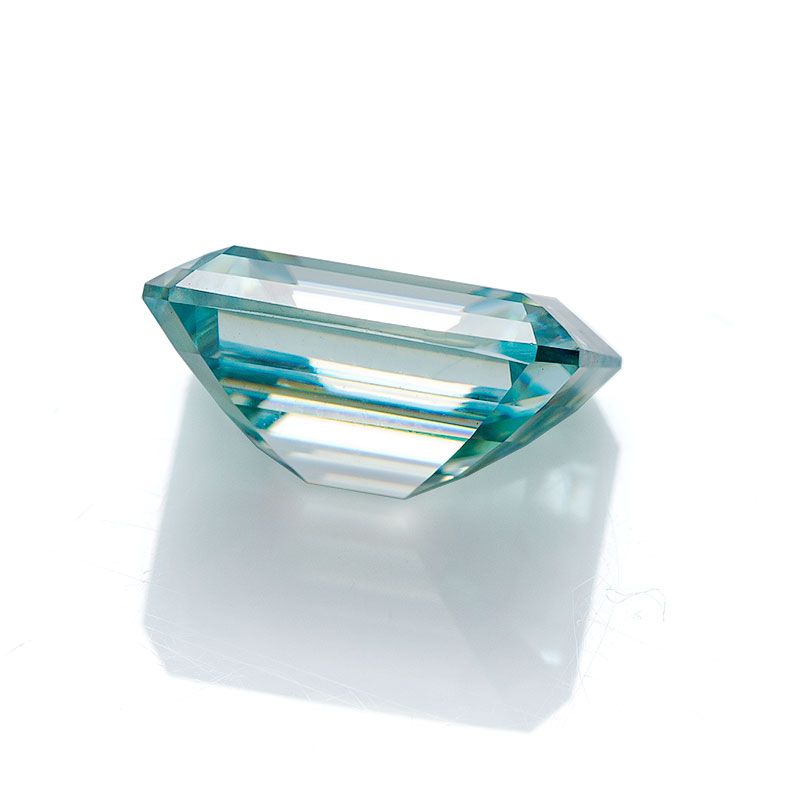
- Center-stone upgrade: Trading the original moissanite for a larger or higher-grade (per GIA's diamond grading standards) stone in the same or a new setting. This is the classic anniversary move.
- Adding an eternity band: Many couples who started with a single matching band add an eternity band at a milestone to mark years together.
- Resetting the original stone: Keeping the sentimental center stone but moving it into a new, updated setting. This is the most emotionally resonant upgrade, because the original stone stays in the family.
Structuring trade-in value
A trade-in program needs clear, written terms, not a handshake. Common structures apply a percentage of the original purchase price—often the original stone value, or the full retail of the mounted piece—toward the upgrade. The exact percentage matters less than consistency: couples should know, in advance, what they will get. Avoid vague "we'll take it back" promises that feel different on the day. Written terms also protect you from unreasonable expectations and make the program easy for staff to explain.
Be clear about what trade-in value covers. A ring that has been resized or repaired still carries its base value, but heavy wear may affect the trade-in—say so up front, not in the moment.
Marketing anniversaries without discounting
You do not need to discount to drive returns. Instead, mark the date. A handwritten card at the one-year, five-year, and ten-year anniversaries—not a coupon, but a note referencing the day they bought—is what brings couples back. Invite them in for a free cleaning and inspection, and let the conversation naturally turn to how the ring fits their life now. Most upgrades happen because a couple tried on the new piece, not because they were sold to.
Avoid the trap of framing the program as "you outgrew your ring." Frame it as "you have earned a larger story." The ring is a milestone, and the upgrade is a celebration, not a correction.
Logistics: resizing, resetting, remounting
Upgrade orders involve real bench work. If the original band is being reused, plan for resizing and inspection. If the center stone is being reset, confirm its condition and certificates before the new setting is built. For moissanite, the stone itself rarely wears, which makes resetting straightforward—an advantage over natural diamonds, which need grading reassessment. Communicate the turnaround clearly so the couple knows when to expect the upgraded piece, ideally timed to their anniversary month.
The lifetime value math
Think of a bridal sale as the first installment. A couple who returns for a five-year upgrade, adds an eternity band at ten, and buys push presents or anniversary pendants along the way becomes a customer for decades—and a referrer of every friend who gets engaged. The cost of running a clean trade-in program is a fraction of a single new-customer acquisition, and the relationships it builds are the thing no online retailer can copy.
When and how to reach out
Timing matters. Reach out around the one-year mark first, with a note rather than an offer—a free cleaning and a check-in is enough. The five-year and ten-year marks are when upgrade conversations naturally happen, since those are the anniversaries couples actually celebrate. Keep the tone celebratory: invite them to try on new settings over coffee, rather than presenting a trade-in table. Couples who come in for a sentimental visit far more often leave with an upgrade, because the ring itself triggers the story. The program quietly runs itself once the dates are on the calendar.
For a moissanite jeweler, the program is especially powerful: the stone does not wear out, which means the original center can be reset again and again as the couple's story grows. That is not just a sales tool. It is the reason a bridal jeweler exists—to keep marking the milestones, one upgrade at a time.
Frequently Asked Questions
How does the custom OEM process work?
Send a reference, sketch or CAD file. We quote, produce a 3D render, then a wax or resin model for approval before casting. Nothing goes to bulk without written sign-off.
How long does a custom sample take?
About 20 days for a new CAD model, including one revision round. Repeat designs reuse the existing mold and ship in 3–5 days.
What is the custom MOQ?
100–300 pieces per design depending on the mold and stone setting complexity.
Do you sign NDAs for private label?
Yes. Private-label clients get an NDA and exclusive mold use for the agreed term.
Send your spec sheet — stone, cut, size, plating and quantity — and we will return a costed timeline.
Ask the workshop