Engagement Rings
Bridal Ring Insurance: What to Cover on a Rider
A buyer in Minneapolis told us that 70% of her brides leave the store without insuring their rings. Most think "my renters insurance covers it" and most are wrong. A standard renters policy caps jewelry coverage at $1,000-$2,000, which does not cover a $5,000 engagement ring. As a wholesale supplier, we cannot sell insurance, but we can give our retail buyers the talking points that help their brides buy the right rider. Bridal ring insurance is a trust moment; shops that handle it well get referrals.
What a bridal ring insurance policy actually covers
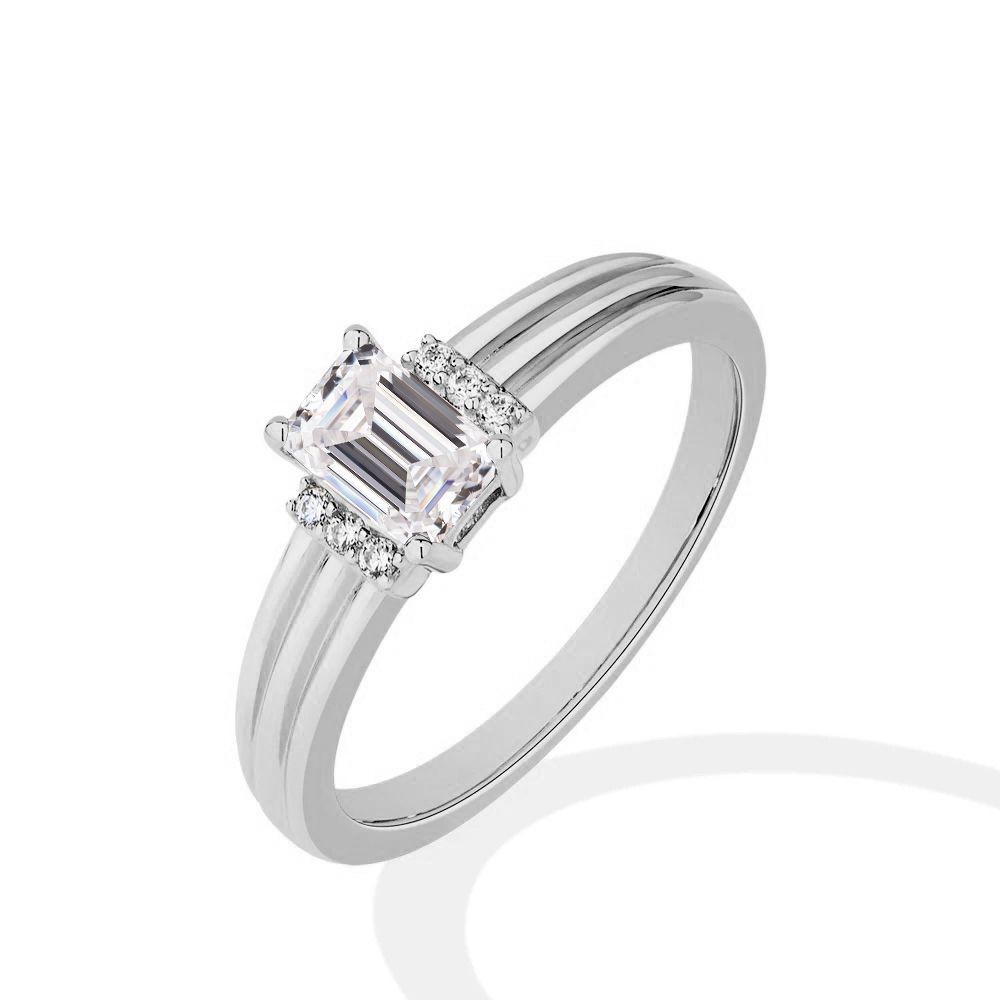
A separate jewelry floater (often called a scheduled personal property rider) covers the ring for loss, theft, damage and mysterious disappearance. The FTC Jewelers' Guides require that any jewelry valuation be based on the retail replacement value, not the wholesale cost. That means the insurance payout is what it costs to replace the ring at retail, not what the bride paid wholesale. For your shop, that means giving the bride a detailed appraisal at sale, listing metal weight, stone size, cut grade and retail replacement value.
What riders typically exclude
Standard exclusions include wear and tear (a prong thinning from daily use), damage from deliberate abuse, and lost stones that fall out because the ring was not serviced. Some policies also exclude mysterious disappearance if the ring is left in a hotel room. Read the fine print. Most brides should also schedule the wedding band separately, because the engagement ring and band are two pieces. We discuss why the two rings are valued separately in our comfort fit vs flat band guide.
Valuation paperwork your shop should provide
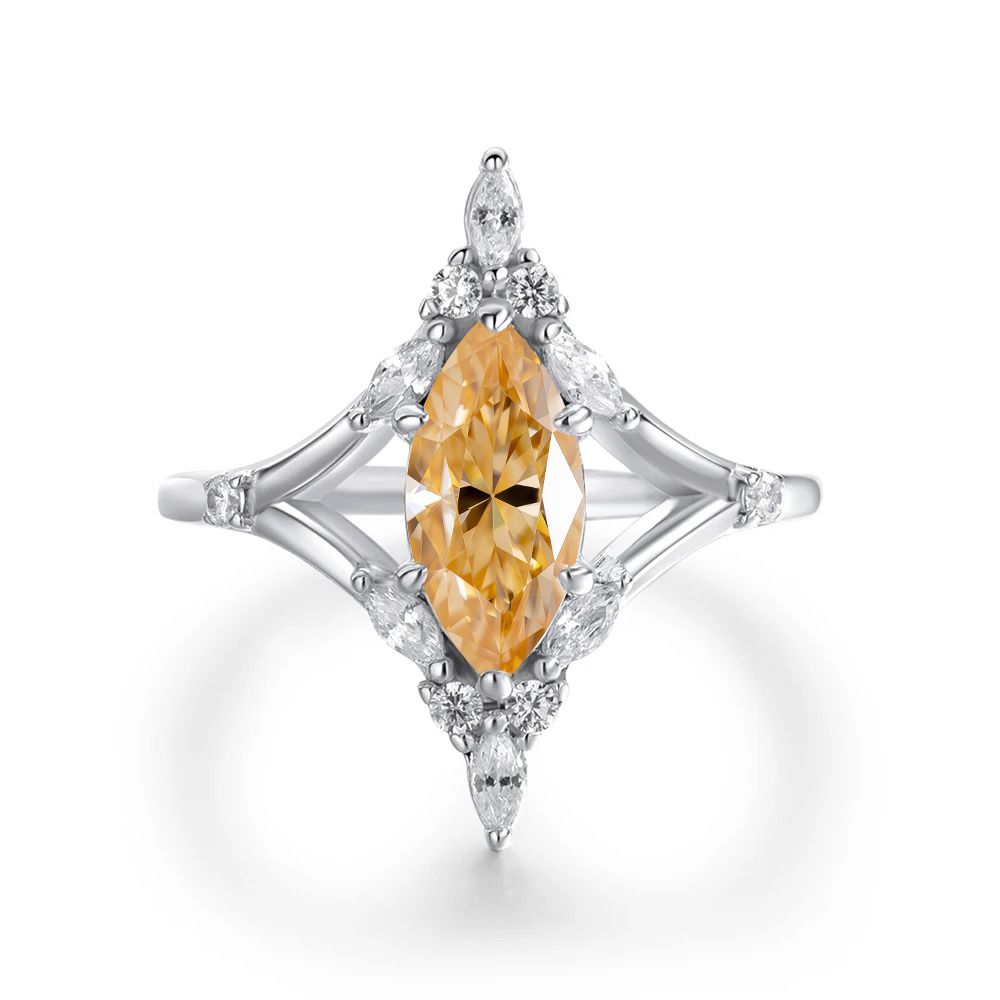
Every bridal sale should include a one-page appraisal: ring description, metal alloy and weight, stone shape/size/color/clarity, retail replacement value, date and your shop stamp. Without this, the bride cannot get a rider. We include a blank appraisal template in our wholesale shipping box so your staff can fill it at sale. For custom rings set from loose stones, pair the appraisal with the stone certificate from our loose moissanite line. The certificate is the proof the insurer wants.
Cost of coverage and how it changes annually
A typical bridal rider costs 1-2% of the ring's retail value per year. A $5,000 ring runs $50-$100 per year. The value should be reassessed every 2-3 years because gold prices and stone prices move. Tell the bride to update the appraisal after any resize, upgrade or addition (such as adding an anniversary band). We cover anniversary bands in three stone rings past present future.
When to update the appraisal
An appraisal is not a one-time document. It should be refreshed every 2-3 years because gold prices and stone prices move. In the last 36 months, 14k gold spot price has swung 22%, and moissanite wholesale pricing has moved 8%. A bride who insured a \$5,000 ring three years ago may now need to insure it for \$5,900. Tell your retail staff to remind the bride at the two-year mark. Also refresh the appraisal after any resize, prong replacement, or stone upgrade. If the bride adds an anniversary band, that is a new appraisal entry. For shops that want to sell the insurance conversation as a service, our loose moissanite line pairs with a stone certificate that the insurer will accept as proof of stone value. If the bride also bought a wedding band from us, pair the ring appraisal with the band specs from our comfort fit vs flat band guide.
Does my home insurance cover a moissanite ring the same as a diamond?
Yes, the policy covers the retail replacement value of the ring, regardless of the stone type. The appraisal should list moissanite and the retail replacement cost, not the diamond equivalent.
What if the bride loses the ring on her honeymoon?
Most floaters cover worldwide loss. Check the travel clause. Some policies exclude loss outside the home country for the first 90 days; schedule the ring before the honeymoon.
Should the wedding band be insured separately?
Yes, unless it is sold as a bridal set with one appraisal. If the bride buys the engagement ring and band at different times, she needs two riders.
Does the insurance cover a ring upgrade later?
Not automatically. When the bride upgrades the stone, she needs a new appraisal and an updated rider. Send her back to the shop for the paperwork.
What to tell the bride at the counter
Three sentences cover it: "Your renters policy caps jewelry at $2,000. A scheduled rider costs about $60 a year on a $5,000 ring. We will give you the appraisal today so you can call your insurer this week." That script closes the insurance conversation in under a minute and it builds trust that turns into referrals.
Wholesale CTA: HOLYCOME includes a blank appraisal template and stone certificate card with every bridal ring shipment. Ask your account manager for the insurance paperwork bundle, so your shop can close the sale and protect the bride in one appointment.
Gemstone grading terminology used here follows the Gemological Institute of America’s gem encyclopedia.
Frequently Asked Questions
What ring sizes can you supply in bulk?
US sizes 5–12 including half sizes. Send a size breakdown with your order and we cast to that curve; comfort-fit inner bands reduce resize requests.
Can I order a mixed size run instead of one size?
Yes. Mixed runs are standard for wholesale: specify quantity per size and we pack and label by size at no extra labor cost.
What is the MOQ for custom ring designs?
50 pieces per design for existing molds; 100–300 pieces when a new mold or CAD model is required.
How should I price rings for retail margin?
Most partners use a 3–4x markup on FOB cost for sterling and 2.5–3x for moissanite solos, which keeps landed cost under 30% of retail.
Send your spec sheet — stone, cut, size, plating and quantity — and we will return a costed timeline.
Ask the workshop