Bridal Sets
Wholesale Bridal Jewelry Sample Order: What to Test
A boutique in Madrid ordered a 15-piece sample parcel, nodded at the website photos, and placed a 300-piece bulk order. The samples looked fine on screen but arrived with thin plating and loose pavé. The bulk run was worse, and the return process cost them a spring bridal season. A sample order is not a courtesy; it is the cheapest QC you will ever run. Below is the exact checklist we tell buyers to use on a first sample parcel, covering plating, prongs, stones, sizing, packaging, and paperwork, before a single bulk unit is ordered.
Why samples fail to predict bulk quality
Samples and bulk runs are not always the same production. A vendor may hand-finish a sample set and push bulk through a cheaper bench. The gap between sample and bulk is where 70% of our buyers' horror stories live, based on the conversations we have with retailers who switched to us after a bad run. The way around it is to test the sample for things that scale, not things that look good once.
The cost of getting this wrong is concrete. A 300-piece bulk run at a 5% defect rate is fifteen pieces that come back, plus return freight, plus the shelf space they occupy while the dispute runs. At a typical bridal ticket, that is several weeks of margin burned on a single bad batch. A 15-piece sample order costs a fraction of one bad batch, which is why treating the sample as the real QC step is the highest-return decision a buyer makes.
| What looks fine in a sample | What scales badly in bulk |
|---|---|
| Hand-polished shine | Inconsistent plating thickness across a run |
| Tight, hand-set pavé | Loose micro-pavé after machine-setting |
| Clean certificate | Missing or mismatched serial numbers |
The six-point sample checklist
- Plating thickness. Ask for a plating spec on the invoice. Our rhodium plate measures 0.5 micrometre against a 0.3 industry norm. Test by rubbing a cotton cloth with silver polish ten times; a thin plate will start to show brass in under twenty rubs.
- Prong pull. Gently wiggle the center stone with a wooden stick. Any movement is a fail. We pull-test every prong at 1.5kg at QC; visual-only vendors skip this.
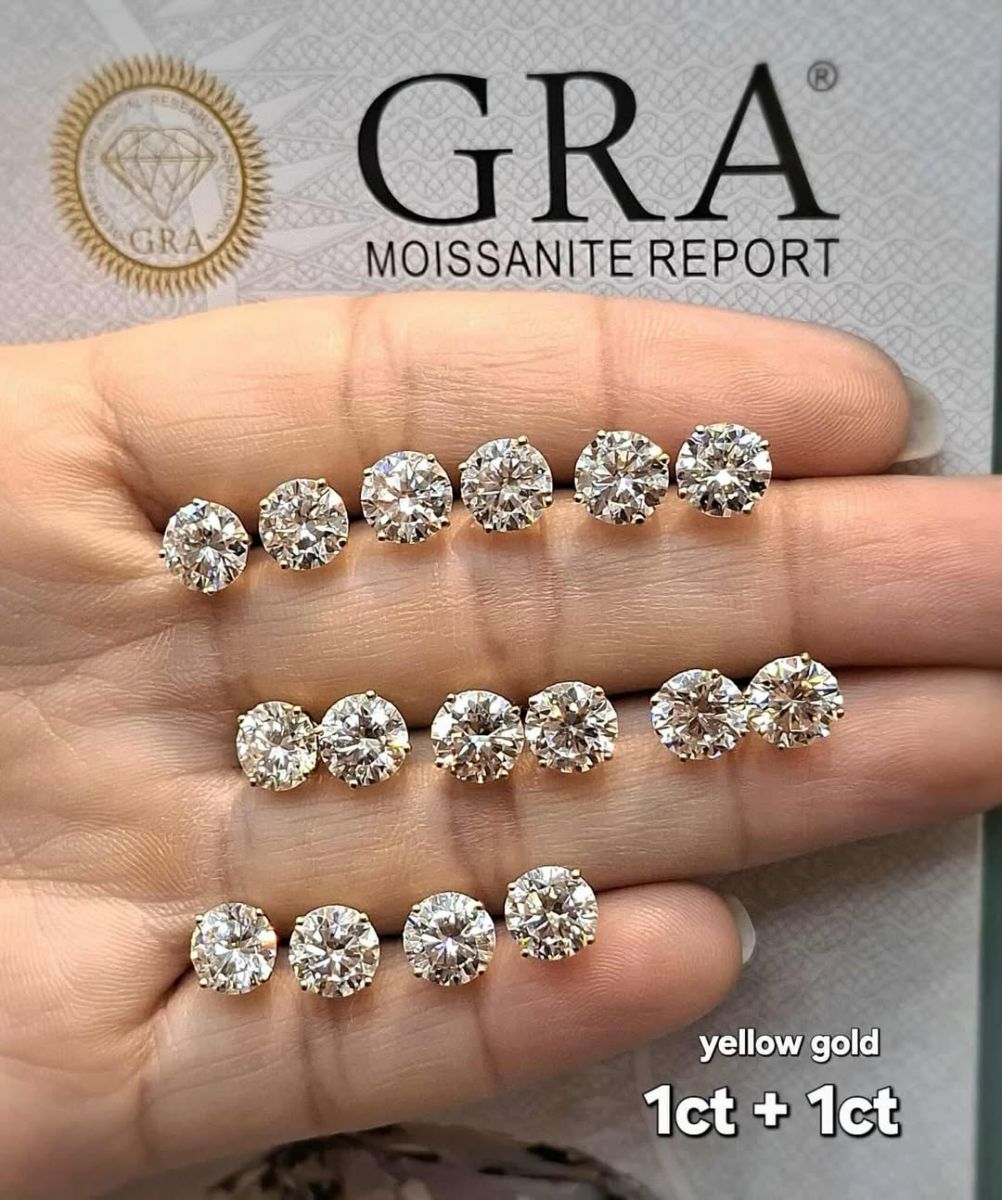
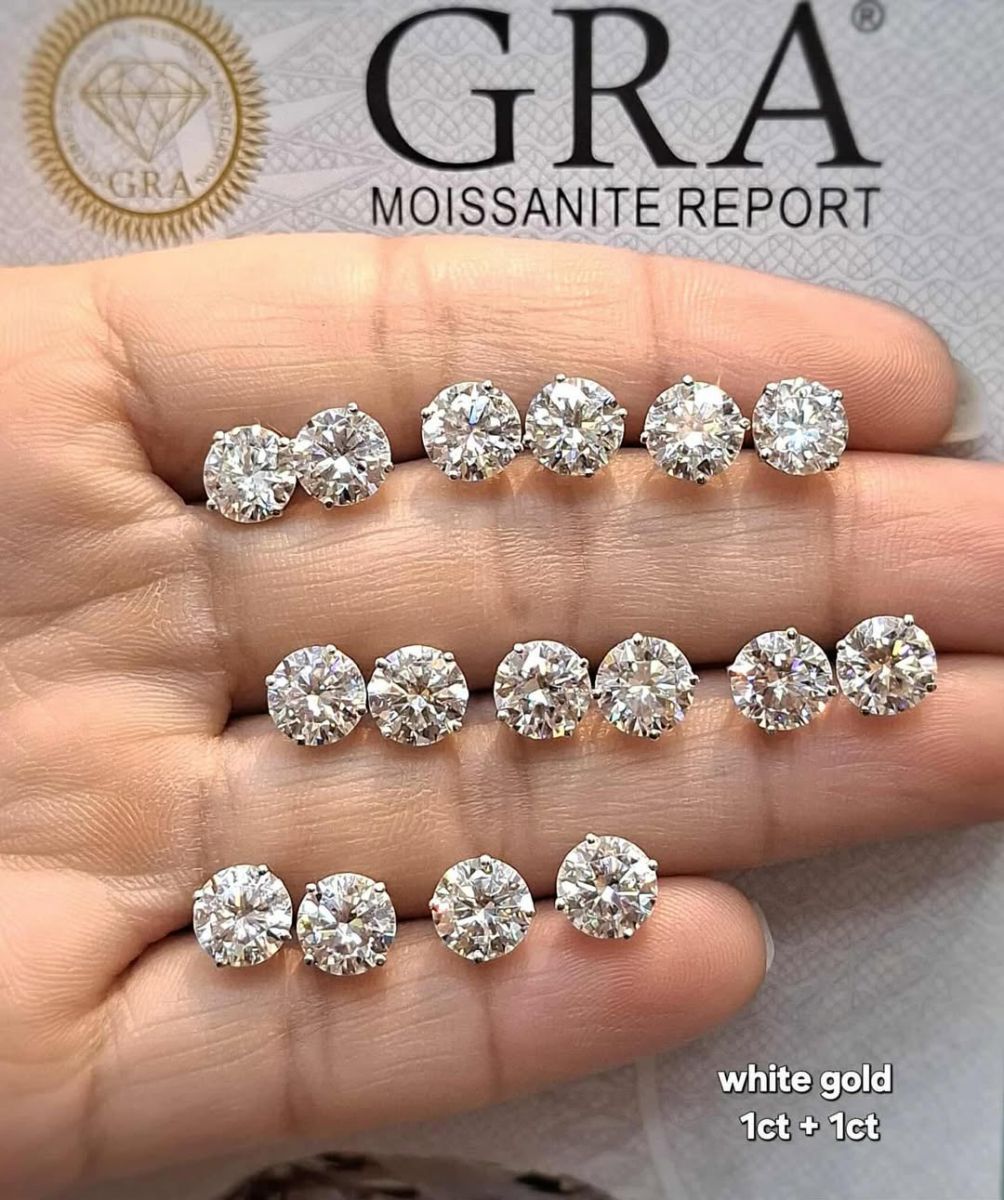
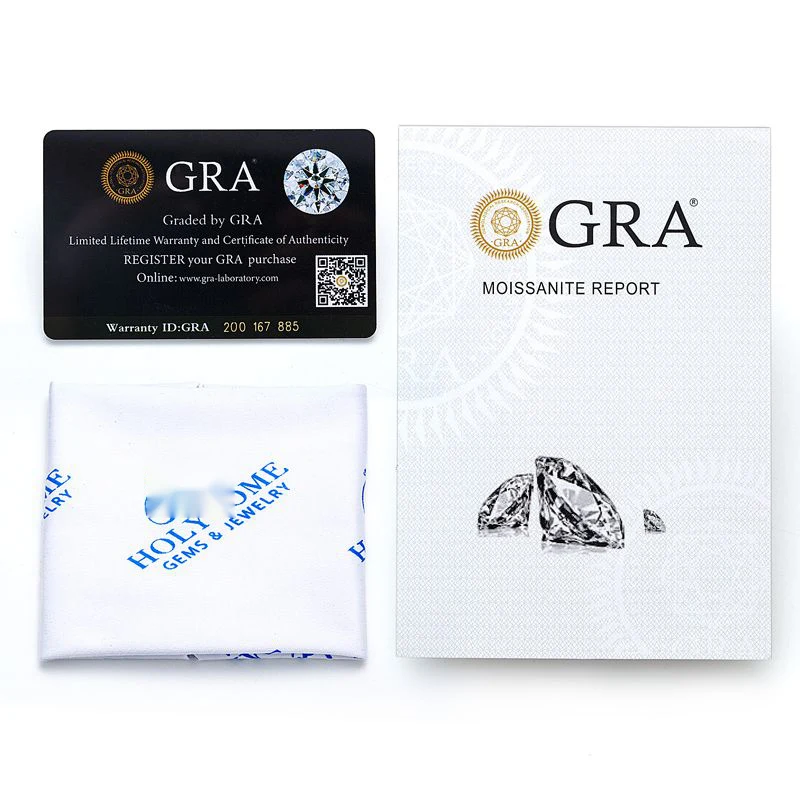
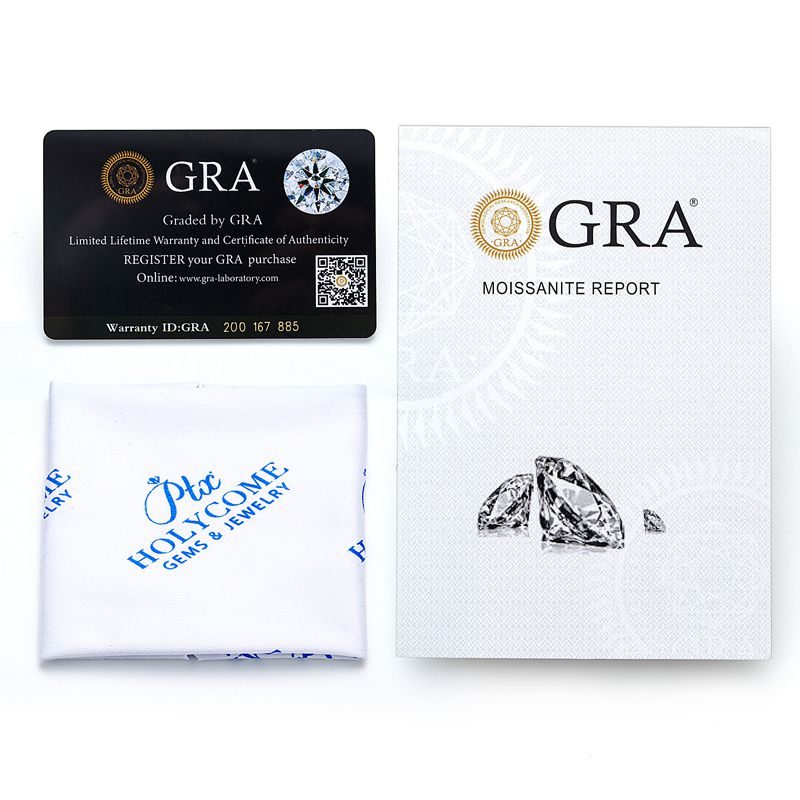
- Stone match. Compare the sample stone against the GRA report for color and clarity. Moissanite should be eye-clean in the 6.5mm range; a cloudy face is a batch problem, not a one-off.
- Ring sizing. Measure the inside diameter with a mandrel. Tolerance beyond half a size on a stock ring means the factory is not controlling tooling.
- Packaging. Open and close the box ten times. A flimsy box fails at retail and damages your perceived quality on the shelf.
- Paperwork. Match the serial on the GRA report to the serial laser-engraved inside the band. Mismatched paperwork is a resale and insurance liability.
How to size the sample order itself
For a first-time buyer, sample 3 to 5 designs across the shapes you plan to stock, not just the one you like most. The point is to see whether the factory is consistent across its range, not to validate a single favorite. For a high-end boutique, pay the small upcharge to have the sample run through the same QC bench that handles bulk, which most factories will arrange. For a private-label launch, sample a fully engraved, fully packaged piece, not a blank stock piece, because that is what the customer will actually receive.
Keep the sample parcel for reference after the bulk order arrives. When the bulk parcel lands, open one unit at random and compare it side by side against the sample you kept. If the plating looks thinner, the stones sit lower, or the box feels flimsy, that is a signal the bulk run drifted from the sample standard, and you should pause before opening the rest. A side-by-side comparison takes two minutes and catches the drift that a fresh inspection would miss.
Frequently Asked Questions
How many pieces should I sample before a bulk order?
Three to five pieces across different designs is enough to test consistency. Sampling only your favorite design hides whether the factory controls quality across its range.
Does the sample order count toward my bulk MOQ?
On most stock designs, sample units are credited against the first bulk order once you place it. Confirm this in writing before paying, because some vendors charge sample price and do not credit it back.
How long does a sample order take?
In-stock samples ship in 3 to 5 business days. Custom-engraved or private-label sample units take 15 to 20 business days because they run through the full tooling process.
What if the sample looks good but the bulk run does not?
This is why the RMA clause matters. A responsible supplier credits or replaces defective bulk units; if your sample passes but bulk fails, file an RMA within the 30-day window with photos of the batch.
Should I pay for a factory audit instead of samples?
Samples are the lower-cost first step. A factory audit is worth it once you are committing to a six-figure annual program, not on a first buy.
Takeaways
- Sample across designs, not just your favorite.
- Test plating, prong pull, stone match, sizing, packaging, and paperwork.
- Get sample cost credited against the first bulk order.
- Keep the RMA window in mind when judging the bulk run.
Order a sample parcel to test our six-point checklist, then explore bridal sets for the bulk reorder. More detail in our buying guides and wholesale terms.
The Gemological Institute of America’s gem encyclopedia is an authoritative, widely cited reference on moissanite and diamond quality factors.
Send your spec sheet — stone, cut, size, plating and quantity — and we will return a costed timeline.
Ask the workshop