Bridal Sets
Bridal Jewelry Wholesale Pricing: How Boutiques Should Read a Supplier Price Sheet
Most boutique owners look at a wholesale price sheet and start comparing numbers to what the shop down the street charges. That is the wrong first move. A supplier price sheet is a structure: it tells you where the manufacturer makes money, where the breakpoints are, and which SKUs are designed to pull you into a larger order than you actually need. Reading it correctly is the difference between a bridal line that funds itself and one that sits in a back room for two seasons.
Start with the tier logic, not the unit cost
Wholesale bridal pricing is almost always tiered. A ring might cost $28 at 12 units, $24 at 30 units, and $21 at 60 units. The gap between $24 and $21 is roughly 12 percent, which looks attractive until you realize that moving from 30 to 60 units ties up roughly the same cash again on SKUs you have not yet tested. For a first opening order, treat the middle tier as your planning number and ignore the top tier unless you already have a repeat customer list waiting.
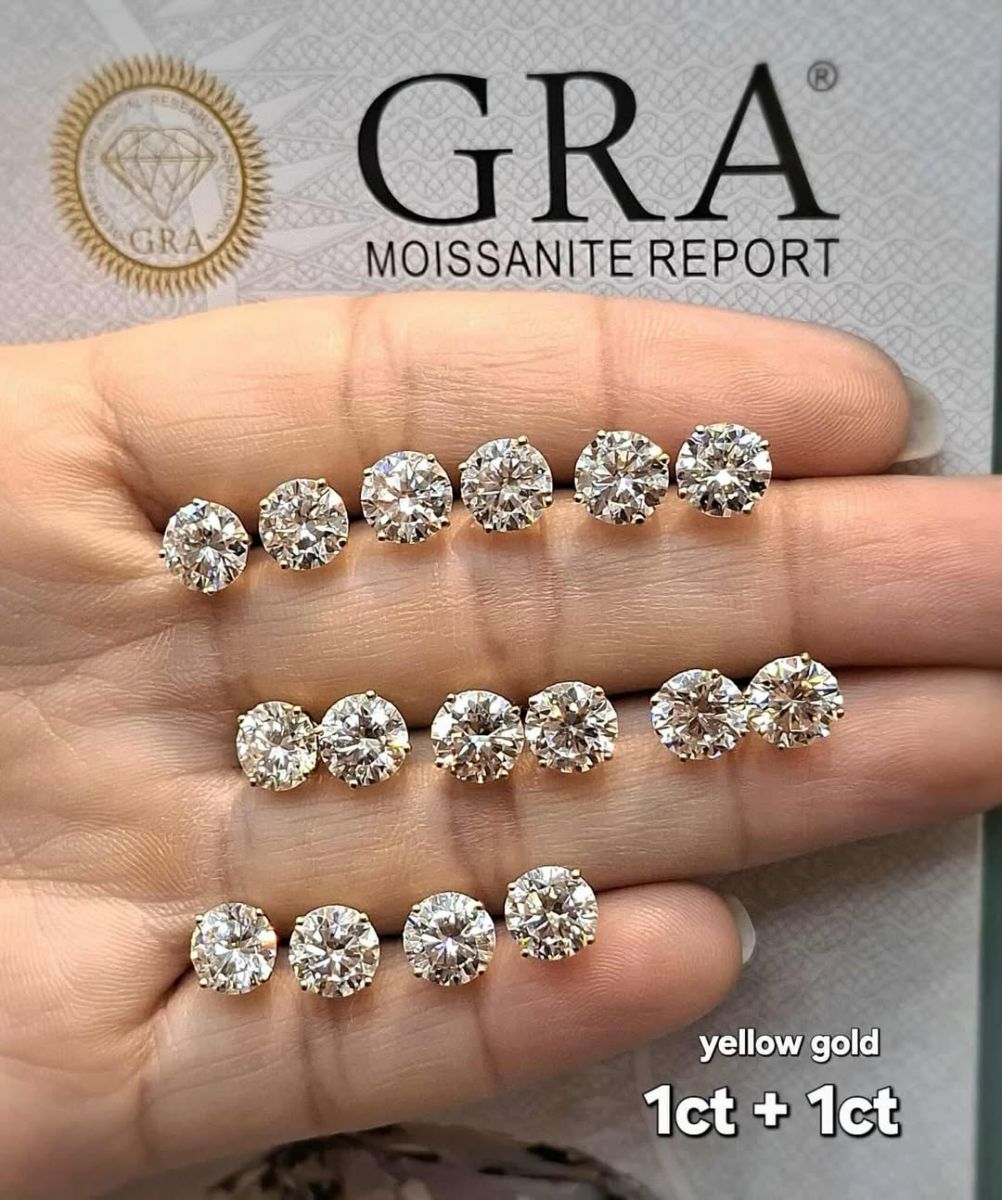
The exception is the hero SKU. If you have measured demand for a specific setting (say a 2-carat oval halo in yellow gold), buy that one SKU deeper. Everything else should be bought shallow and reordered. Bridal fashion turns faster than most retailers expect, and a store that overbuys last season's setting usually discounts it in January.
MOQs are a negotiation, not a wall
Minimum order quantities are real, but they are rarely fixed in stone for a serious buyer. A factory will accept a mixed opening order across categories to get a new boutique on its books. If a supplier's MOQ on rings is 30 pieces, ask whether you can meet it with 15 rings, 10 pairs of earrings and 5 pendants. Most wholesale lines will say yes, because they want the relationship. Get the answer in writing before you commit.
Also ask about sample policy. Many suppliers will send 2 to 3 samples at near-retail cost against a future order. That lets you set a display before you have spent your opening budget, and it gives you something to photograph for your own social channels.
Do the keystone math before you sign
The standard bridal retail markup is keystone, or cost times two, and many boutiques run a 2.2x to 2.5x multiple on engagement pieces. Before you place an order, lay out your planned retail prices and check three things:
- Does the wholesale cost leave room for a keystone price your local market will accept? A $90 wholesale set retails near $180, but if comparable sets in your town sell at $150, you are trapped.
- What will you price the reorder at? Reorders should carry a higher margin because you already know the SKU sells.
- What is your clearance price? If a piece does not move in 90 days, you need a discount floor that still recovers your wholesale cost plus shipping.
Shipping, duties and payment terms quietly move the real cost
The price on the sheet is not the price on your desk. Figure in international shipping, any import duty your region applies, packaging inserts, and the cost of a ring box if the supplier does not include one. Payment terms matter too. Net-30 on first order is worth more than a 5 percent unit discount, because it gives you a month of float while the pieces are in your store. If a supplier demands 100 percent upfront with no samples, that is a risk signal.
What to ask the supplier before you reorder
Reorder conversations are where good buyers get better pricing. Ask these four things in your first reorder call:
- Can we lock this wholesale price for the next two seasons if I commit to a forecast?
- Is this setting being retired? If yes, buy one final unit now and do not tie cash into more.
- What is the repair and resize policy, and who pays shipping both ways?
- Can I mix half sizes in my next order at the same tier?
Size the opening order to four weeks of sell-through
A useful rule of thumb for a first buy: assume you will sell through half your opening inventory in the first six weeks, and plan the opening order so that a reorder arrives before you run out of the hero SKU. That means the opening order should cover roughly eight weeks of projected sales, not twelve. Buying twelve weeks of stock ties up cash you will want to redeploy once you see which settings actually move. Reorder cadence is the single lever that separates boutiques that turn inventory from boutiques that discount it.
Bridal wholesale rewards buyers who treat the line like a portfolio rather than a single purchase. Spend your opening budget on depth in proven heroes and breadth in low-risk staples, and use reorders to refine the mix. For more on how suppliers structure their lines, review our wholesale buying guides before your next trade show.
For HS classification of jewelry in customs and export documentation, the WCO Harmonized System nomenclature is the authoritative nomenclature.
Authoritative References
For buyers who need to verify the technical and regulatory basis of this guide, the following independent institutions publish authoritative reference data:
- FTC Advertising FAQs - U.S. guidance on truthful marketing and disclosure.
- Wikipedia: E-commerce - online retail and marketplace background.
Frequently Asked Questions
How do I verify a factory before placing a bulk order?
Request a production video, business license, export records and a paid sample run. A factory that accepts a 50-piece test order is usually a real manufacturer.
What payment terms do you offer?
30% T/T deposit with the balance against the bill of lading. This protects both sides on first orders and can move to net terms after a track record.
What is your normal reject rate?
3–5% under 10x loupe inspection for cast and set pieces. Defective units are replaced free in the next shipment.
Where is the factory located?
Wuzhou, Guangxi, China—the core lab-grown and moissanite manufacturing cluster. Shipments go via Guangzhou or Shenzhen ports.
Send your spec sheet — stone, cut, size, plating and quantity — and we will return a costed timeline.
Ask the workshop