Bridal Sets
Bridal Jewelry Inventory: Turnover for Retailers
A bridal store in Nashville tracked inventory by total value on the shelf, not by how fast each SKU moved. By the time she realized forty percent of her cash was tied up in slow halos and fancy-cut rings, she had twenty-one thousand dollars sitting in pieces that had not sold in nine months. Once she started measuring turnover per SKU, she cleared the dead stock and freed cash for the solitaire line that was selling out weekly.
Wholesale bridal jewelry only makes money when it turns. Here is how to measure it, spot dead SKUs, and reorder on a cadence that keeps your counter full and your cash moving.
The turnover math boutiques skip
Inventory turnover is cost of goods sold in a period divided by average inventory value. For bridal, the healthy benchmark varies by category. Solitaire engagement rings should turn fast; fancy-cut and seasonal pieces will naturally turn slower. The mistake is treating every SKU the same.
| Category | Healthy turn (times per year) | Slow if |
|---|---|---|
| Solitaire engagement rings | 4-6 | under 2 |
| Wedding bands (half eternity) | 3-4 | under 1.5 |
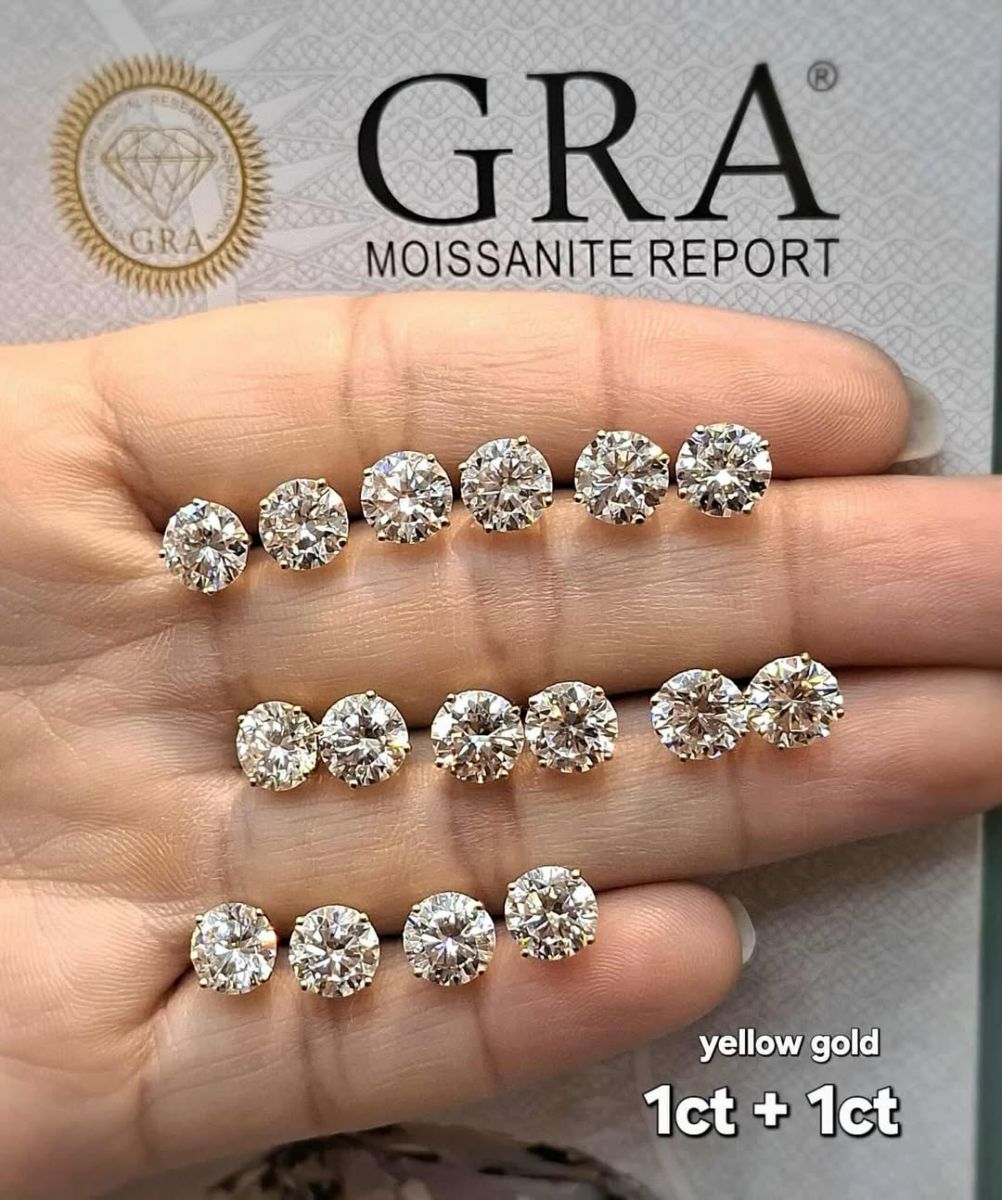
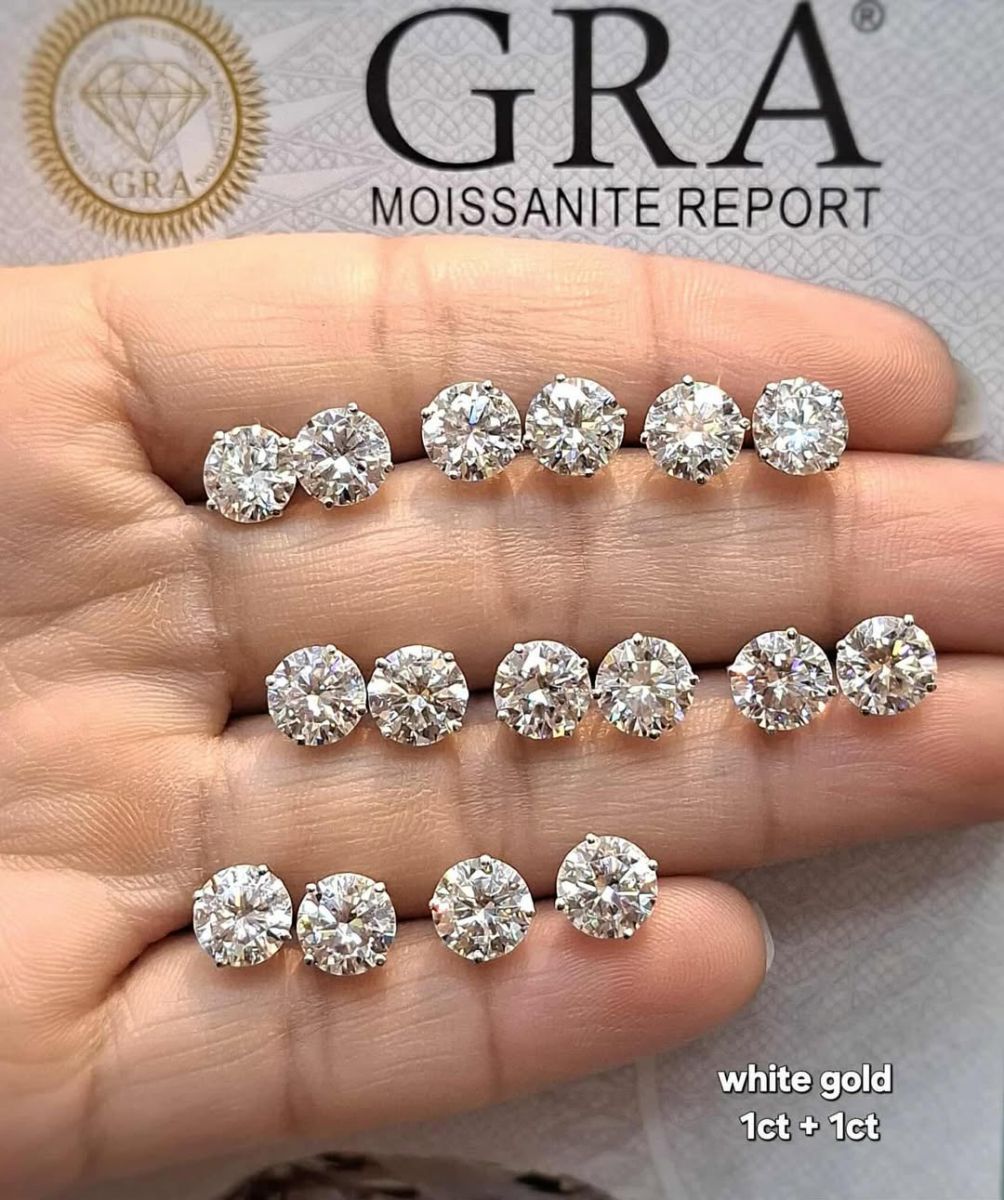
| Stud earrings (6.5mm) | 4-6 | under 2 |
| Fancy-cut rings | 1-2 | under 1 |
| Statement pendants | 2-3 | under 1 |
The right column is your dead-SKU signal. Any piece sitting beyond that window is not waiting for a buyer; it is quietly costing you storage and tying up cash you could have spent on something that sells.
How to clear slow stock without cratering margin
- Mark slow SKUs into bundled looks. A fancy-cut ring that will not sell alone often sells when paired with a matching band at a set price.
- Move slow pieces to a curated sale case rather than a general discount rack. Bridal clients respond to a "curated" framing more than a "clearance" sign.
- Stop reordering a SKU that has not turned in a full season. Reordering a slow piece "because it might sell" is the root of overstock.
- Use the freed cash on the SKUs that are actually selling out weekly. A solitaire that turns six times a year earns more than three slow fancy cuts.
On the wholesale side, reorder cadence matters. We typically see boutiques that reorder their top solitaire and stud SKUs every six to eight weeks, while slow lines are left untouched. That is the right shape: deep on what moves, lean on what does not.
Plan the inventory by boutique stage
New boutique
Do not try to measure turnover in your first six months. You do not have enough history. Instead, watch which pieces brides pick up and ask about. That qualitative signal is better than a turnover number you cannot trust yet.
Established boutique
Start tracking per-SKU turnover quarterly. After two quarters, you will see which categories reliably turn and which are quietly bleeding cash. Adjust the next wholesale PO accordingly.
Private-label or multi-store retailer
Extend turnover tracking across stores. A SKU that is slow in one location may be a top seller in another. Transfer stock before you discount it.
One habit that consistently improves turnover is tying your wholesale PO to last season's sell-through, not to this season's feeling. Pull the numbers on what actually moved, then order that mix a little deeper. The emotional pull of a new catalog design is what overstocks slow SKUs in the first place.
Frequently Asked Questions
What is a good inventory turnover for bridal jewelry?
Solitaire engagement rings and stud earrings should turn four to six times a year. Wedding bands and pendants turn two to four. Fancy-cut pieces naturally turn slower, around one to two times a year.
How do I identify a dead SKU?
A piece that has not sold in a full season, beyond the healthy turnover window for its category, is a dead SKU. Stop reordering it and move it into a bundled look rather than waiting for it to sell.
How often should I reorder best-selling bridal SKUs?
Top solitaire and stud SKUs typically reorder every six to eight weeks. Slower lines should be left untouched until they sell through, rather than proactively restocked.
Should I discount slow bridal stock?
Prefer bundling slow pieces with matching bands or moving them to a curated sale case. A general discount erodes the bridal brand; a bundled look clears stock without cratering margin.
How does wholesale MOQ affect turnover?
Buying at a higher MOQ to save per-piece cost only helps if the stock turns. Overbuying slow SKUs to hit a tier break ties up more cash than the per-piece saving is worth.
What to take away
- Measure turnover per SKU, not just total shelf value.
- Deepen on what turns fast; stop reordering what does not.
- Clear slow stock with bundles, not blanket discounts.
Request a reorder plan: tell us your top-selling SKUs, and we build a cadence that keeps your counter full. Browse bridal sets, read our inventory guides, and plan your next engagement ring PO.
Independent background on moissanite — how its hardness and refractive index compare with diamond — is documented in the Wikipedia article on moissanite.
Send your spec sheet — stone, cut, size, plating and quantity — and we will return a costed timeline.
Ask the workshop