Bridal Sets
Curating Bridal Jewelry for Second-Time Brides: What Buyers Should Stock
The bride walking in for the second wedding is not shopping for a copy of the first ring. She is shopping for something that reflects who she is now, often with a stronger sense of style and a clearer budget. Boutiques that hand this customer the same solitaire tray they offer a twenty-two-year-old leave a large and growing segment underserved. Wholesale buyers who curate for it win a customer who buys thoughtfully and tells her friends.
What the second-time bride actually wants
Several preferences cluster around this shopper. She often wants to move away from the most traditional halo or solitaire toward something with character — a bypass setting, a toi et moi two-stone, a bezel-set oval, or a colored moissanite alternative that reads less like a default. She is less tied to veil-and-tiara tradition and more interested in jewelry she will wear again to dinners, work, and events. She may already own fine jewelry and wants the new piece to mix with it, which makes mixed-metal and lower-profile settings more appealing than a towering statement.
Age and budget tend to be higher than a first-time bride, which means she is willing to spend for a well-made piece — but she is also harder to impress, because she has shopped fine jewelry before.
Stock the shapes and settings that signal "not the first ring"
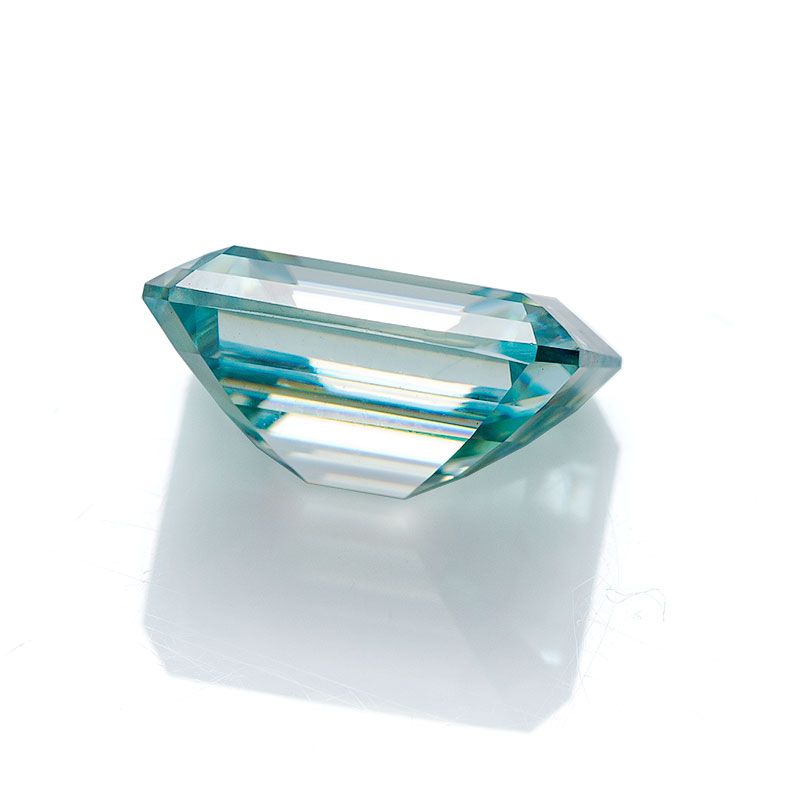
Build a small but deliberate section that reads as different from the main engagement wall. Oval and cushion moissanite in bypass or twisted shanks sell well here. Toi et moi settings, with two stones side by side, carry a narrative about two lives joined and photograph beautifully. Bezel settings read modern and low-profile, and they stack easily against existing rings. Colored moissanite — gray, green, or yellow tones — gives the customer a stone that is unmistakably her own rather than a standard white diamond stand-in.
Keep the bridal set flexible. This shopper often prefers a ring she can wear alone, with a band that is sold separately rather than a fixed three-piece set she feels locked into. Open-stock bands in contrasting metals let her build the combination she actually wants.
Price and quality expectations
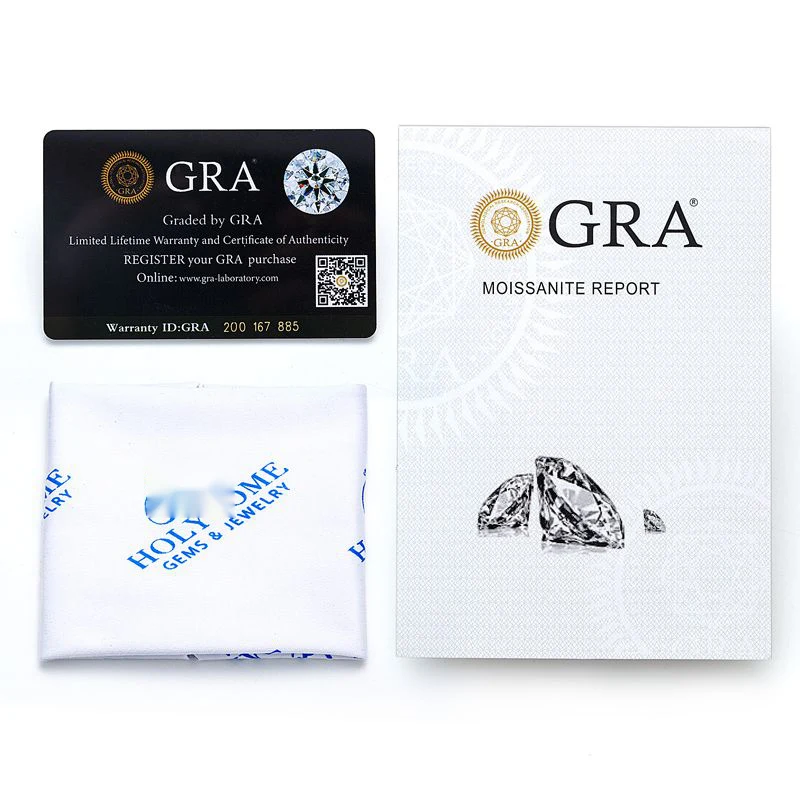
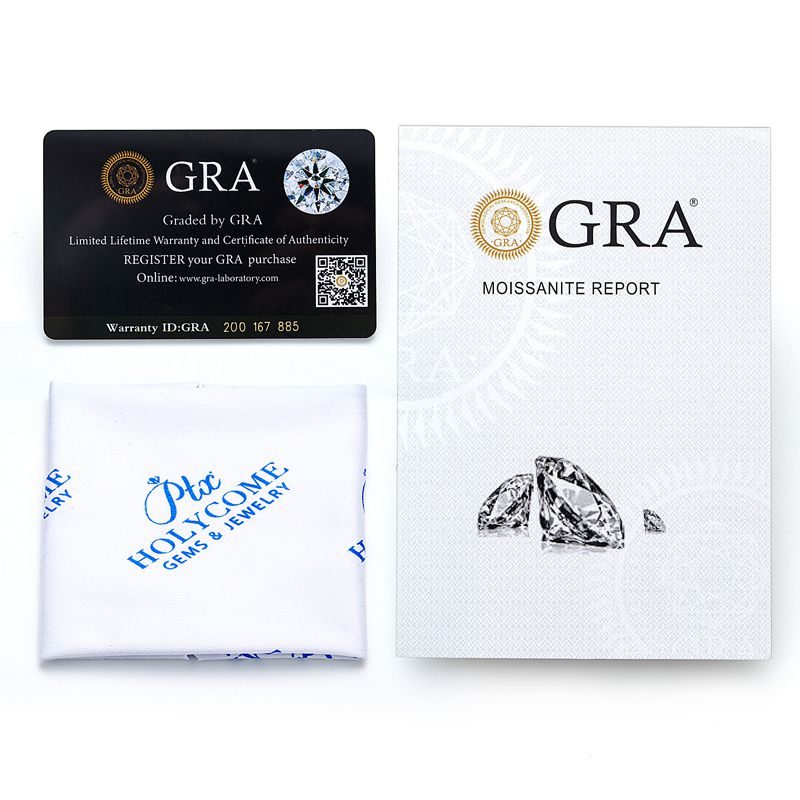
This buyer notices finish. A setting that looks fine to a first-time shopper will read as cheap to someone who already owns good jewelry. Prioritize solid karat options over plated for this section, and make sure every stone ships with a legible certificate. Moissanite's 9.25 hardness is an easy sell here — she is buying a piece for daily wear, not a cabinet piece, and durability matters. Curate the range with certificates and honest metal descriptions, and the trust holds. See how alternative settings are grouped in our bridal sets to plan a dedicated second-bride section.
Upgrade and trade-in logic
Many second-time brides already own an engagement ring from the first marriage. A trade-in or upgrade program — applying credit toward a new moissanite piece — is a natural fit for this customer. It gives her a reason to choose a fresh stone rather than keep a ring she no longer wants to wear, and it gives the buyer a clear upsell conversation. Frame it as a fresh start rather than a second-hand deal; the language matters because this is an emotional purchase, not a clearance bin.
The lifestyle she actually lives
This bride works, travels, and may have children. She is not buying a piece for a single day. That means low-profile settings that do not catch on gloves, bags, or desk edges sell better than tall statement pieces. Bezel settings, flush pavé, and sturdy prongs are the practical choice for her life. Stock the second-bride section with pieces she will reach for on a Tuesday, not only on a Saturday night — that is the difference between a ring she wears and a ring she stores.
Privacy and tone matter. This customer may not want the whole store to celebrate a "first" engagement, and a staff reaction that assumes a first-time proposal can feel tone-deaf. Train the counter to treat every purchase as the meaningful event it is, without labeling it. The buyer who stocks this segment well also stocks the discretion that comes with it — a quiet side section, no confetti, just a well-made piece that fits her life.
Do not treat her like a first-time customer
The staff instinct to walk this shopper through the basics — what a prong is, how carat works — can feel patronizing. Train the counter to skip the primer and ask about her style, her existing jewelry, and the occasions she will wear the piece. A curated shelf of non-traditional settings, priced honestly and finished well, tells this customer that the store understands her. She is one of the most loyal repeat buyers in bridal, and the segment rewards the buyer who planned for it.
The Wikipedia entry on engagement rings gives an independent overview of engagement ring traditions and settings.
Frequently Asked Questions
How do I verify a factory before placing a bulk order?
Request a production video, business license, export records and a paid sample run. A factory that accepts a 50-piece test order is usually a real manufacturer.
What payment terms do you offer?
30% T/T deposit with the balance against the bill of lading. This protects both sides on first orders and can move to net terms after a track record.
What is your normal reject rate?
3–5% under 10x loupe inspection for cast and set pieces. Defective units are replaced free in the next shipment.
Where is the factory located?
Wuzhou, Guangxi, China—the core lab-grown and moissanite manufacturing cluster. Shipments go via Guangzhou or Shenzhen ports.
Send your spec sheet — stone, cut, size, plating and quantity — and we will return a costed timeline.
Ask the workshop