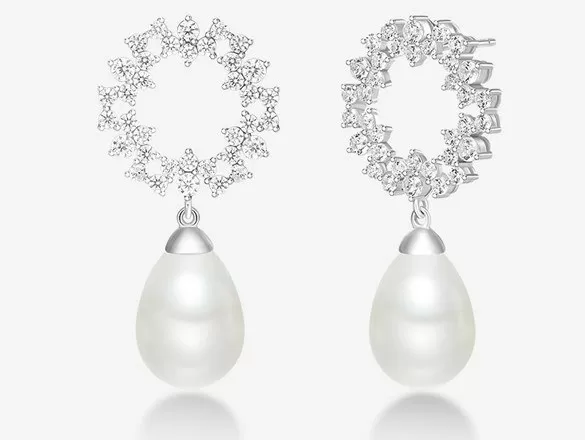
Earrings
Bridal Earrings That Stay Comfortable All Day: A Weight Guide
A wedding day is long. It starts with hair and makeup at sunrise, moves through a ceremony, portraits, dinner, and dancing, and ends hours later when you finally take the jewelry off. The last thing any bride wants is to spend the afternoon tugging at heavy earrings that stretch her lobes. Comfort is the secret detail that separates earrings you admire from earrings you actually wear all day.
Why weight matters more than you think
Earrings pull. Every gram at the end of a post translates into downward pressure on the earlobe, and that pressure builds over hours. A chandelier that feels fine in the mirror at the jewelry store can feel like an anchor by the cocktail hour. The discomfort is not just annoying; stretched lobes can take weeks to recover, and heavy earrings also move and swing, which means they shift in photos.
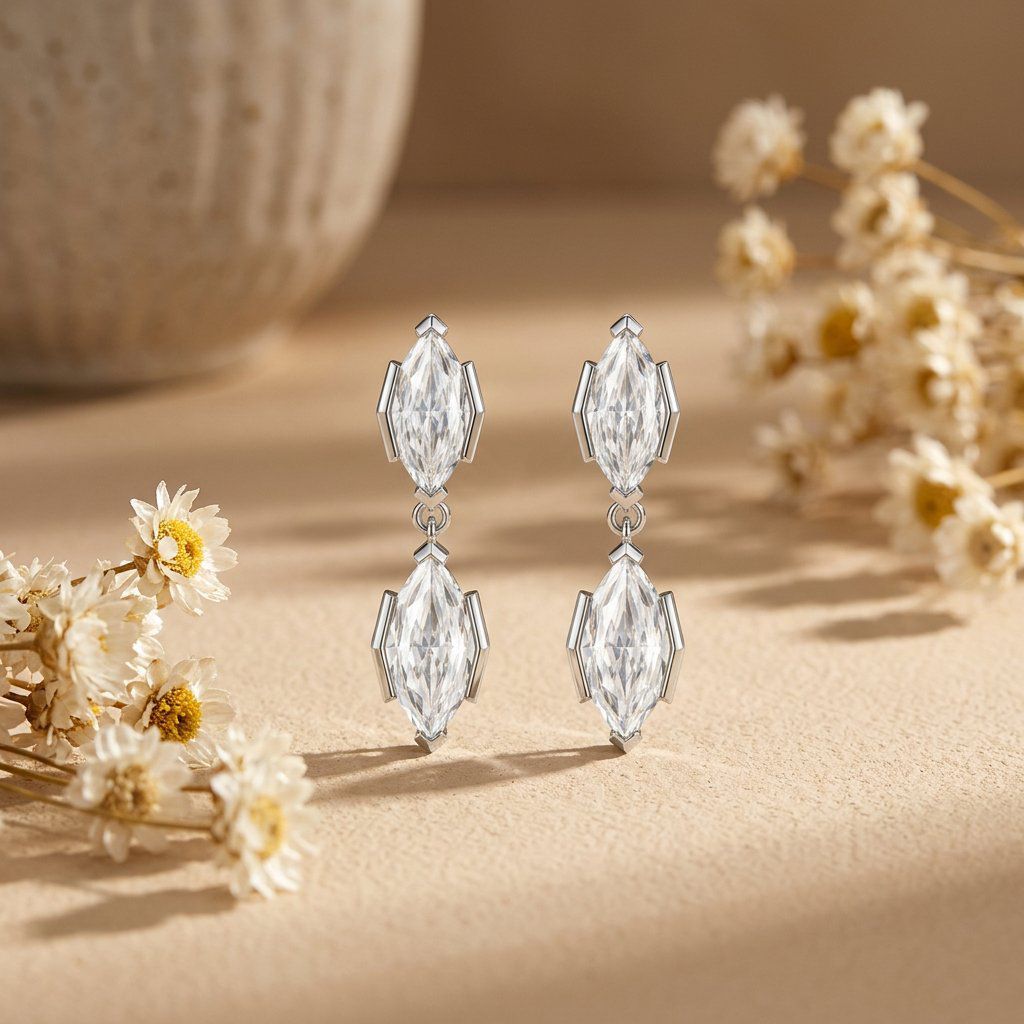
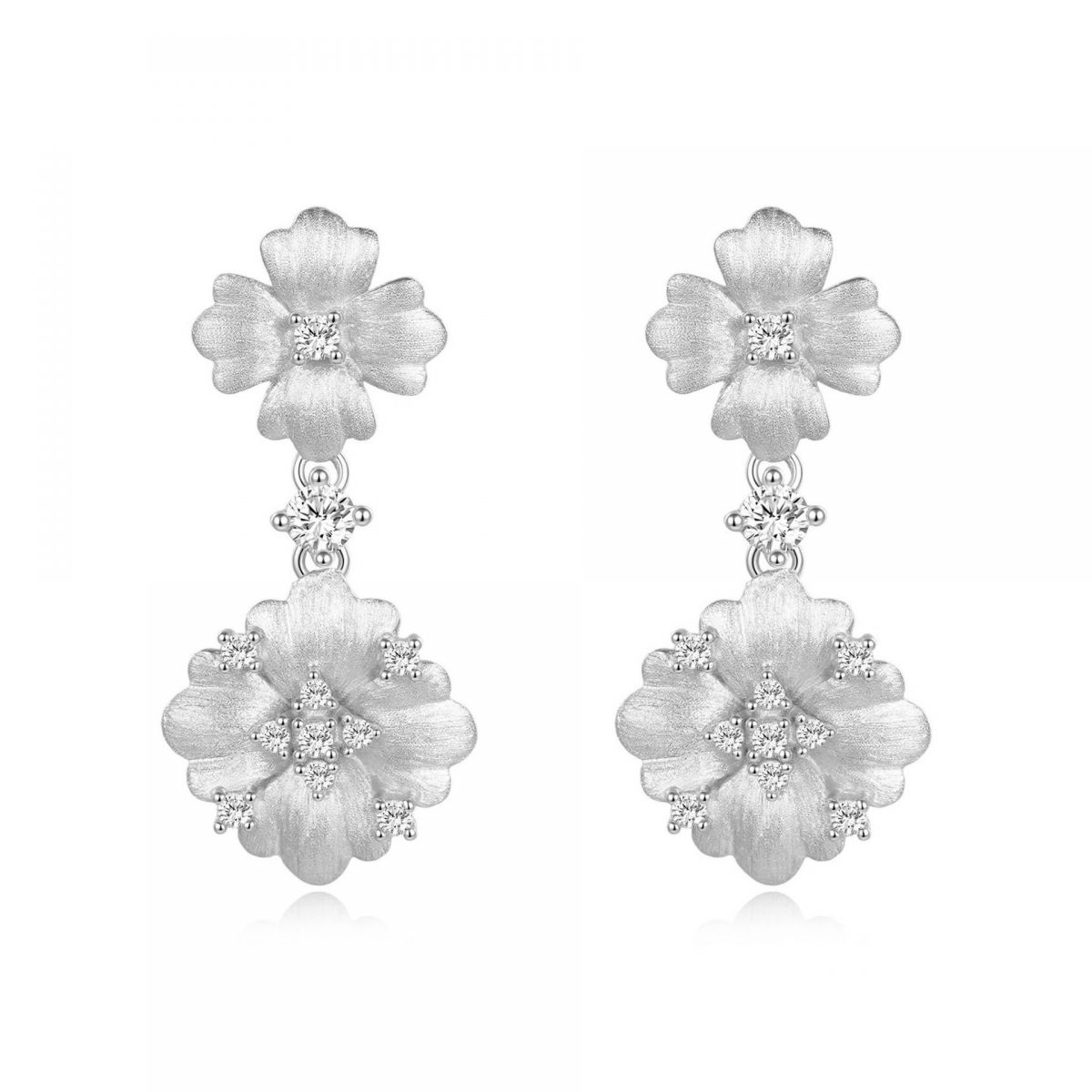
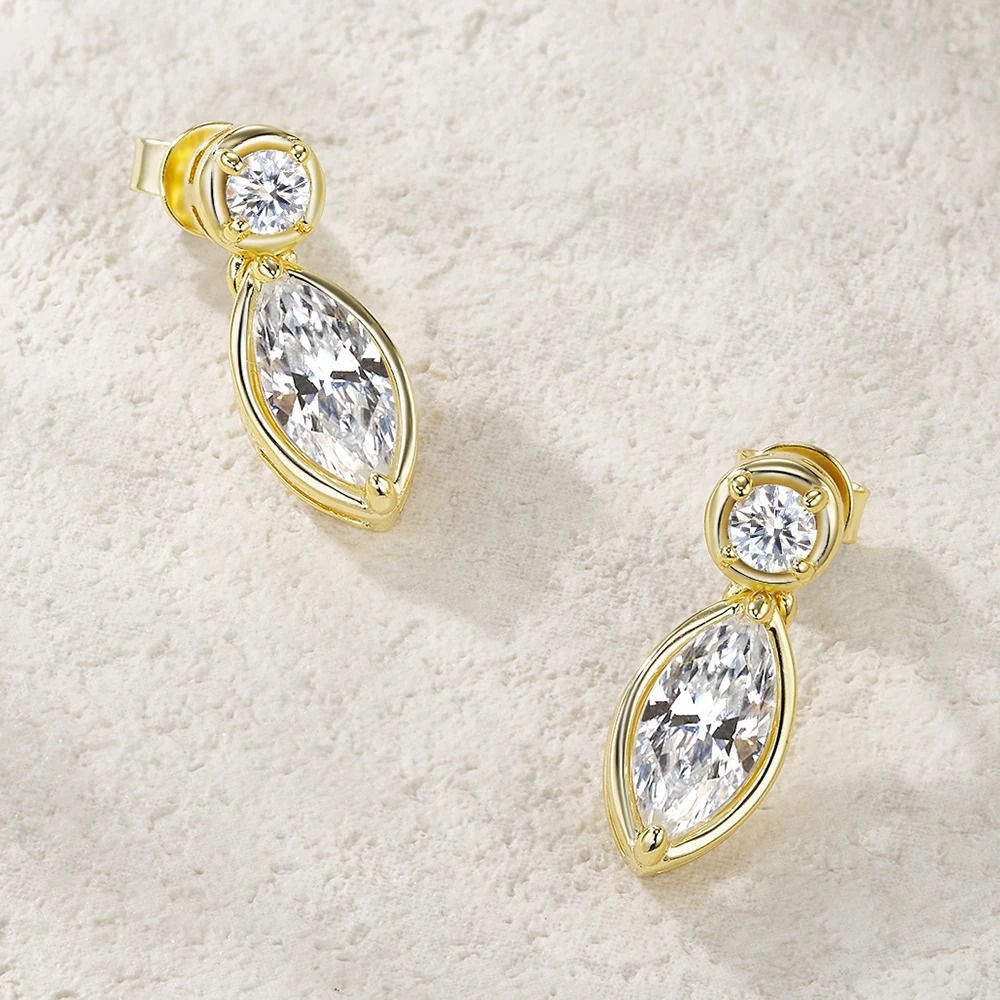
Aim for a pair under five grams for all-day wear. That is roughly the weight of a small pair of drops. Chandeliers and oversized hoops can run ten grams or more, and while they look stunning, they are better reserved for short events. If you love a dramatic silhouette, look for openwork or hollow designs that read large but sit light. Our guide to drop and chandelier styles walks through which designs carry their weight best.
Post length and lobe fit
The post, the wire that goes through the ear, should be long enough to reach a back comfortably without pinching. Posts that are too short push the back against the lobe and create a hot spot within an hour. Standard posts work for most earlobes, but if you have thicker lobes or wear your earrings loose, look for a slightly longer post. The post material matters too. Surgical stainless steel, 14k gold, and platinum are the most hypoallergenic choices; avoid cheap plated posts for a day when irritation would ruin photos. For sensitive skin, see our hypoallergenic earring guide.
Choosing the right earring back
The back decides whether a heavy earring stays put and how it feels. Butterfly backs are standard and fine for light studs, but they can slip under pressure. Screw-back backs lock securely and are the safest choice for valuable drops, though they take a moment to put on. Plastic clutch backs are soft and comfortable but loosen over time. For heavier bridal earrings, a screw-back or a rubber-backed lock keeps the earring stable without digging in. Our breakdown of earring back types matches each style to its best use case.
Breaking them in
Wear the earrings around the house for an hour or two a week before the wedding day. This does two things: it confirms they are actually comfortable, and it lets your ears get used to the weight. Apply any makeup and hairspray before putting the earrings on, because cosmetics dull stones and irritate piercings. Keep a spare pair of lightweight studs in your clutch as a backup, in case the chandelier starts to win.
Where the weight hides in a design
Not all heavy earrings feel the same. Weight concentrated right at the post pulls straight down and tugs the lobe. Weight distributed along a long drop balances better, because the lower part of the earring swings rather than drags. Openwork and hollow frames also cut weight without reducing the silhouette. When you compare two pairs that look equally dramatic on a bust, pick the one that feels lighter in the hand. You can also ask for the pair in a hollow or lighter setting if the design allows, which drops the weight considerably.
For brides with larger drops, a second support such as an earring cuff or a chain that anchors to a hair clip can take pressure off the lobe. This is a common trick on film sets, where actresses wear heavy pieces for twelve-hour shoots. It is worth asking a jeweler about if you have your heart set on a pair that tips the scale.
All-day ear care tips
Prepare your piercings in the weeks before the wedding. Avoid changing studs the night before, and keep the piercings clean with saline. If you are adding a second piercing for the big day, do it at least two months ahead so it fully heals. On the morning itself, fasten each back securely but not painfully tight, leave a finger's width of room so the lobe can swell. Check the mirrors during the reception, and loosen a back if it starts to pinch. For sensitive skin, our post and back buyer guide lists which materials hold up best through long wear.
Balancing with the rest of the look
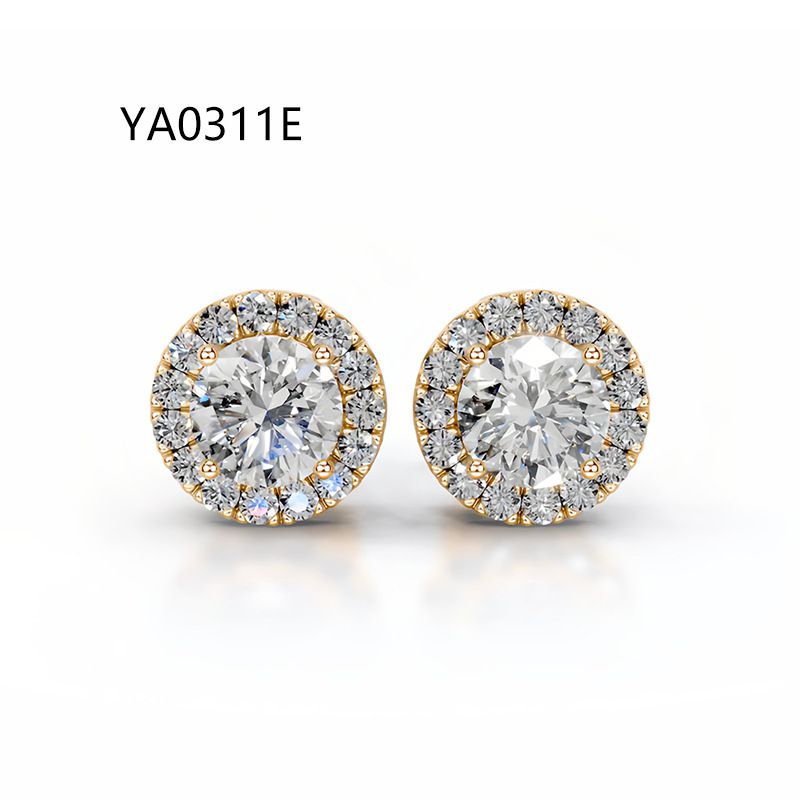
Comfort does not mean boring. Small pavé studs, slim drops, and lightweight hoops all photograph beautifully and sit lightly. Pair them with a statement necklace if you want drama, or let them stand alone with a swept-back hairstyle. Our guide to earrings by hairstyle helps match the silhouette to your updo or waves.
The bottom line
Choose bridal earrings you can forget you are wearing. Keep the weight light, pick a secure back, break the pair in ahead of time, and keep a backup handy. The earrings that last the whole day are the ones that make it into the memories, and into the photos you will keep forever.
For the legal text behind our material compliance, see the REACH Regulation (EC) No 1907/2006 on EUR-Lex.
Frequently Asked Questions
What ring sizes can you supply in bulk?
US sizes 5–12 including half sizes. Send a size breakdown with your order and we cast to that curve; comfort-fit inner bands reduce resize requests.
Can I order a mixed size run instead of one size?
Yes. Mixed runs are standard for wholesale: specify quantity per size and we pack and label by size at no extra labor cost.
What is the MOQ for custom ring designs?
50 pieces per design for existing molds; 100–300 pieces when a new mold or CAD model is required.
How should I price rings for retail margin?
Most partners use a 3–4x markup on FOB cost for sterling and 2.5–3x for moissanite solos, which keeps landed cost under 30% of retail.
Send your spec sheet — stone, cut, size, plating and quantity — and we will return a costed timeline.
Ask the workshop